


Victorian Barware Decanter
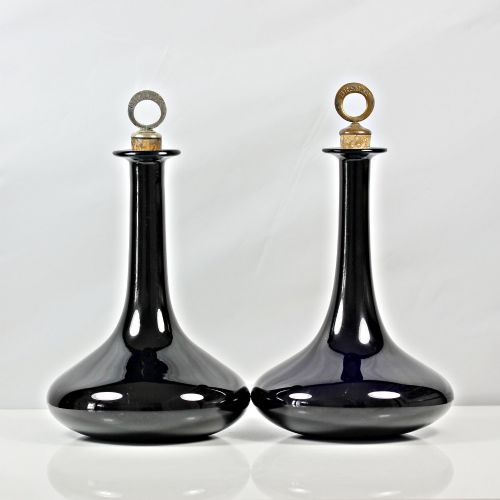
These pieces of victorian barware decanter range from cobalt crystal spirit bottles to locked oak tantalus sets designed for nineteenth century hospitality.
Victorian Barware Decanter
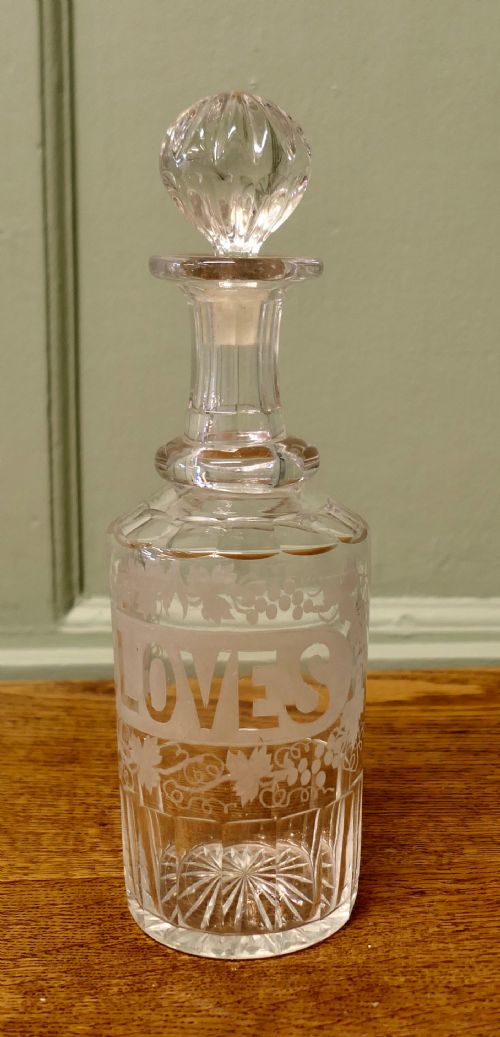
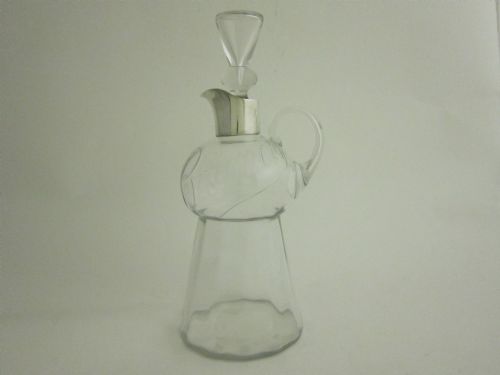
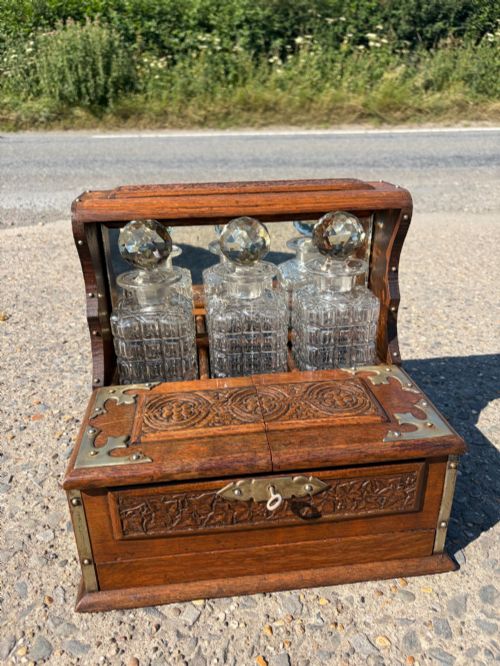
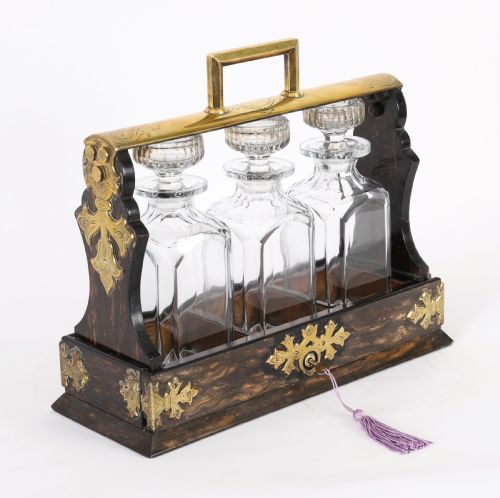
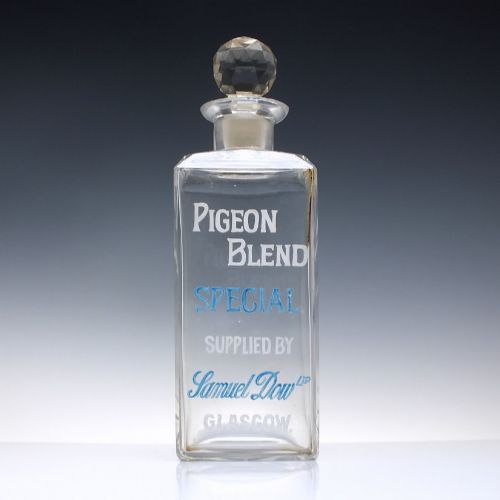
When you search for a victorian barware decanter, you encounter functional vessels designed for serving wine, port, and spirits in nineteenth century dining rooms. The selection on this page centres on cut glass decanters, spirit flasks, claret jugs, and fitted tantalus sets housed in oak or coromandel frames.
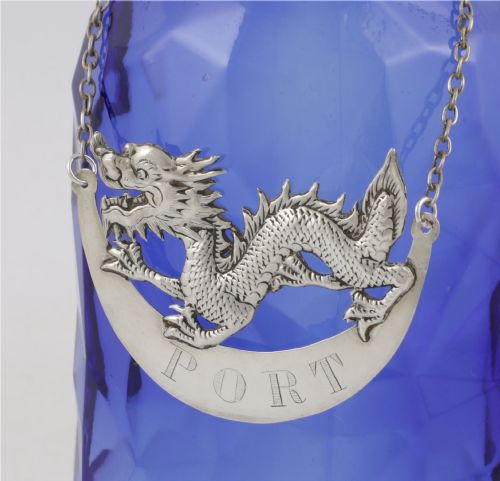
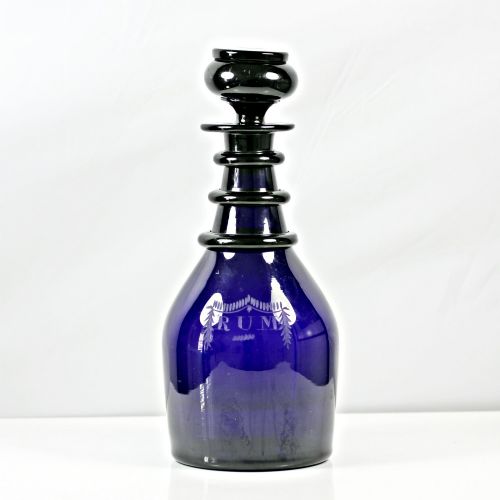
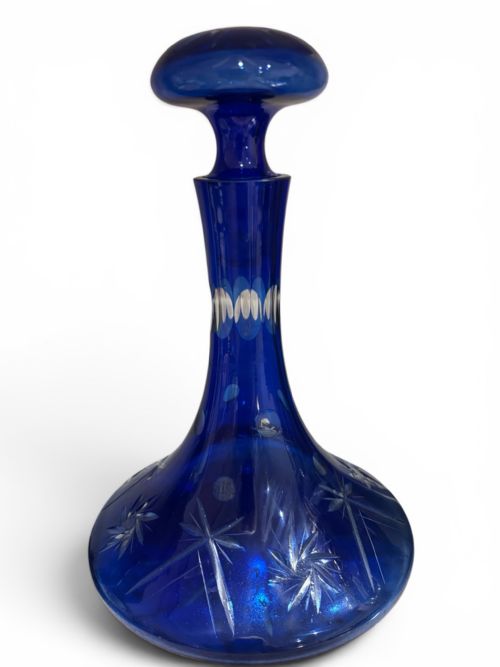
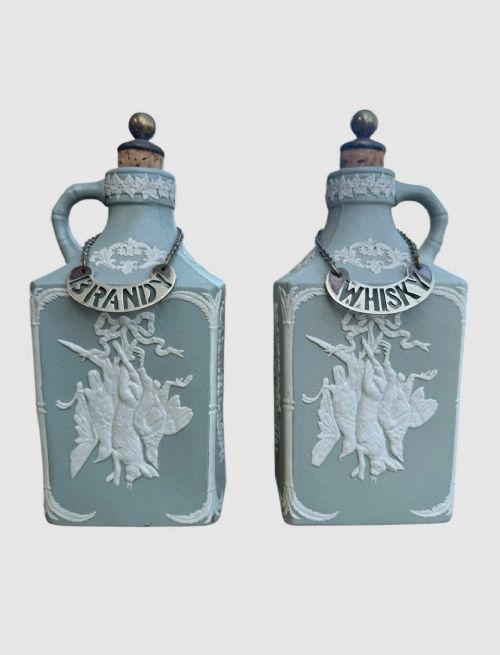
You are most likely to meet clear cut crystal decanters alongside coloured glass vessels in shades of Bristol blue, ruby, and green. These pieces often feature silver plate or sterling silver mounts, accompanied by hanging bottle labels inscribed for sherry, brandy, or whisky.

How They Were Made
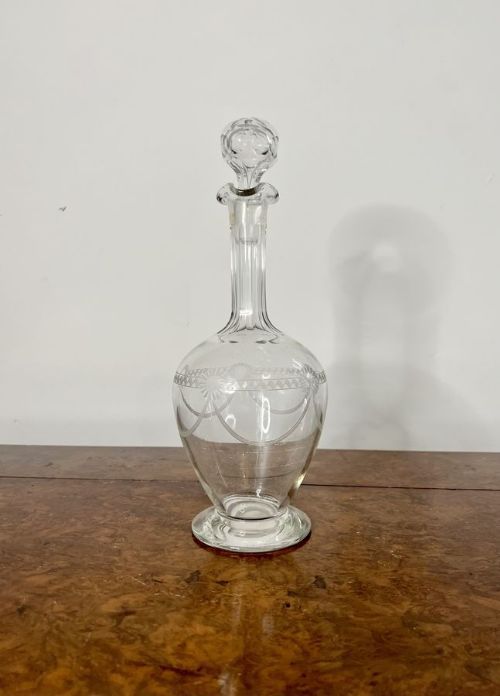
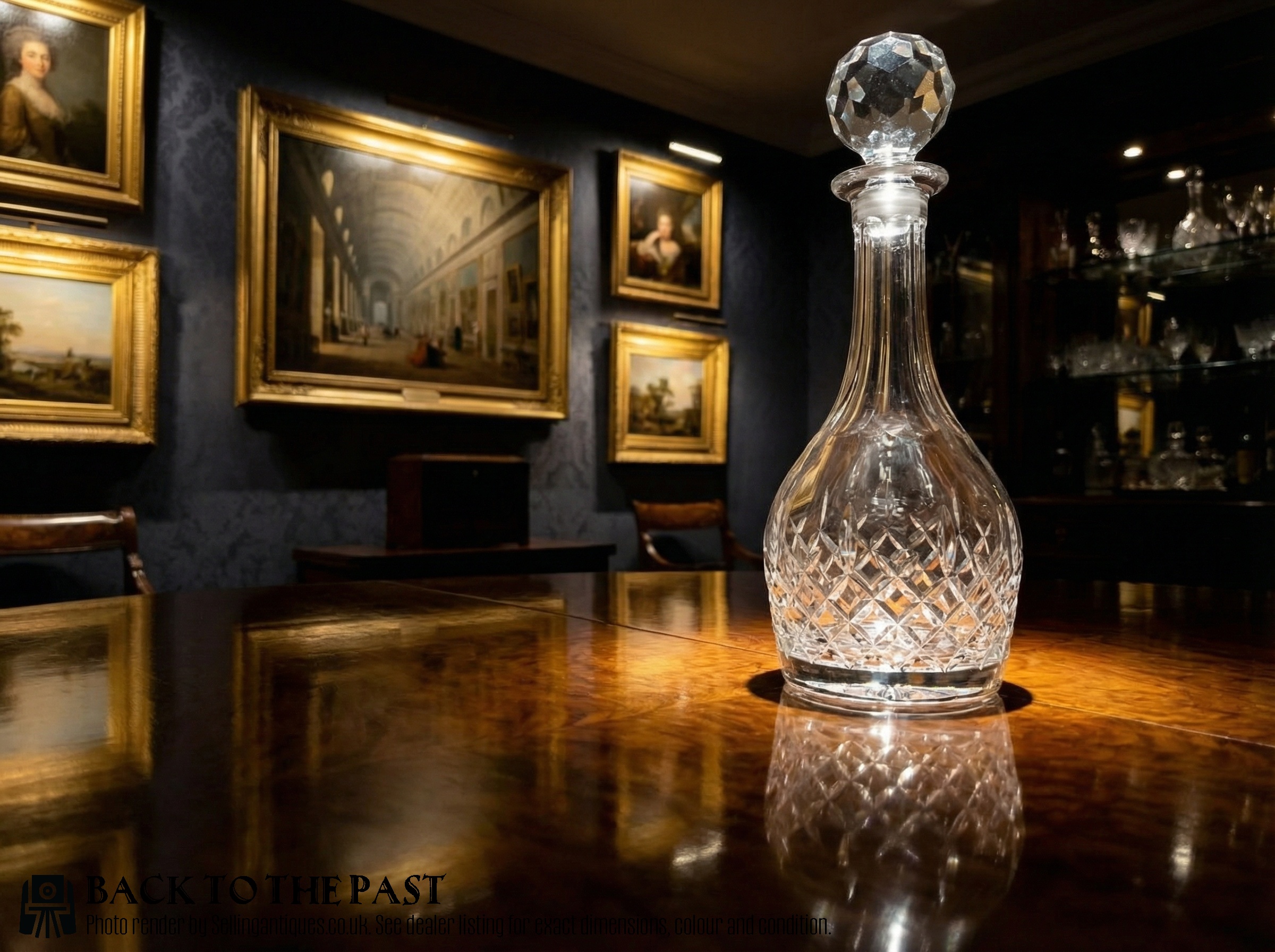
The vessels rely on heavy lead crystal and glass blown into moulds or shaped by hand before receiving deep wheel-cut decoration. Makers applied geometric patterns, fluting, and ring necks to provide grip and catch the light on the dining table.
Metal components involve cast and plated brass or sterling silver, utilised for bottle collars, hinged tantalus frames, and inscribed labels. Timber frames for tantalus sets incorporate oak, satinwood, and coromandel, often finished with brass stringing and secure locking mechanisms.
Victorian Barware Decanter Retail Price Guide 2026
Typical asking prices for victorian barware decanter among the pieces listed under this phrase on Sellingantiques today, from the lower quarter to the upper quarter. They describe what is for sale here now, not the wider market.
What Varies in Quality
Quality rests upon the weight and clarity of the glass, together with the crispness of the cutting. Superior pieces display deep, sharp facets and heavy lead crystal that feels substantial in the hand.
The calibre of the accompanying metalwork and cabinetry dictates the standing of a piece. Robust silver plate, hallmarked sterling silver mounts, and solidly constructed timber frames with working locks separate standard utility items from top tier examples.
Walker And Hall
The Victorian Barware Decanter Glossary
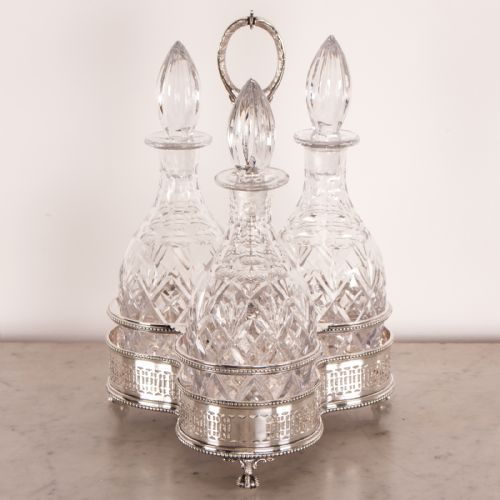
- Tantalus
- A locked wooden frame holding decanters securely to prevent unauthorized access to the contents while displaying them through the bars.
- Claret Jug
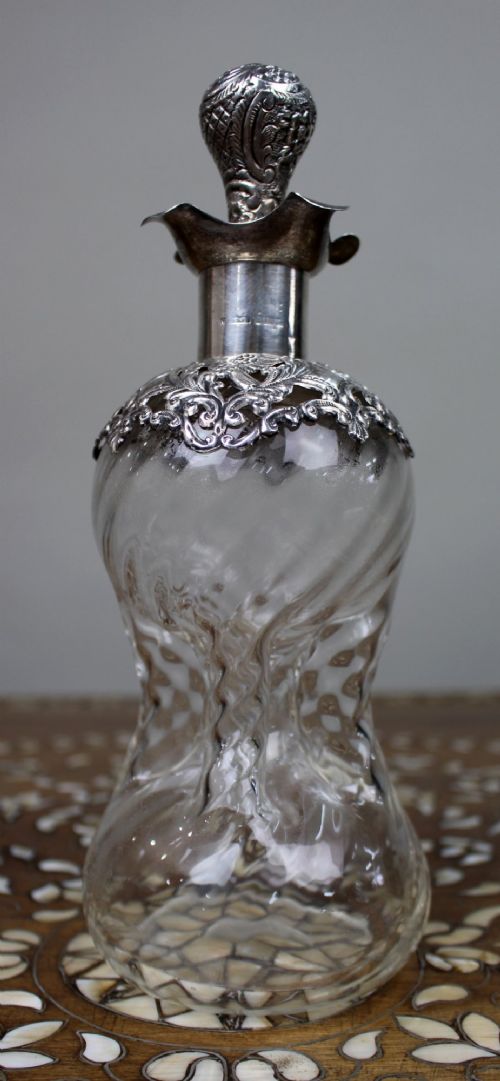
- A pouring vessel specifically for red wine, typically combining a glass body with a silver plated or sterling silver handle, spout, and mount.
- Decanter Label
- A small tag hung from a bottle neck by a chain to identify the contents, often made from sterling silver or silver plate.
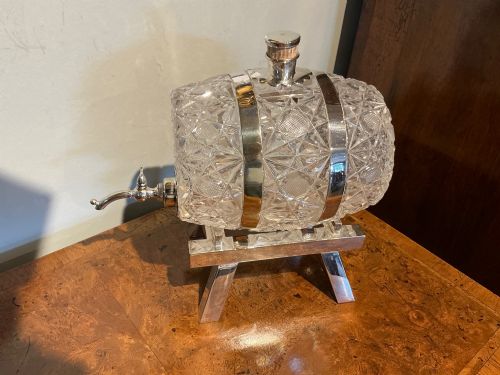
- Spirit Barrel
- A horizontal cylindrical container mounted on a stand, used for dispensing spirits in nineteenth century hospitality settings.
- Bristol Blue
- A deep cobalt blue glass popular during the late eighteenth and nineteenth centuries, frequently utilised for spirited drinks.
Victorian Barware Decanter: Frequently Asked Questions
What is a tantalus?
A tantalus is a locking wooden stand that secures decanters behind a bar frame. It kept expensive spirits safe from household staff while displaying the bottles.
Most examples date from the Victorian period and house two or three cut crystal decanters within an oak or coromandel housing.
How do I identify a Victorian decanter?
Victorian decanters typically show heavy cut crystal bodies, triple-ring necks, or distinctive coloured glass such as Bristol blue and ruby red. Many incorporate silver plated mounts or sterling silver bottle labels.
Look for the thick lead crystal weight and traditional hand-cut facets characteristic of nineteenth century glassmaking.
What were spirit labels used for?
Decanter labels hung around the necks of bottles to identify specific contents like sherry, port, brandy, and whisky. They prevented confusion during dinner parties when multiple matching decanters sat on the sideboard.
These tags are often fashioned from sterling silver or silver plate, sometimes bearing Birmingham or Sheffield hallmarks.
How do I care for antique glass?
Wash antique glass gently by hand in warm water using mild detergent. Avoid sudden temperature changes to protect the material.
Keep silver mounts polished with a soft cloth while ensuring abrasive cleaners stay away from both the metal and the glass surface.