
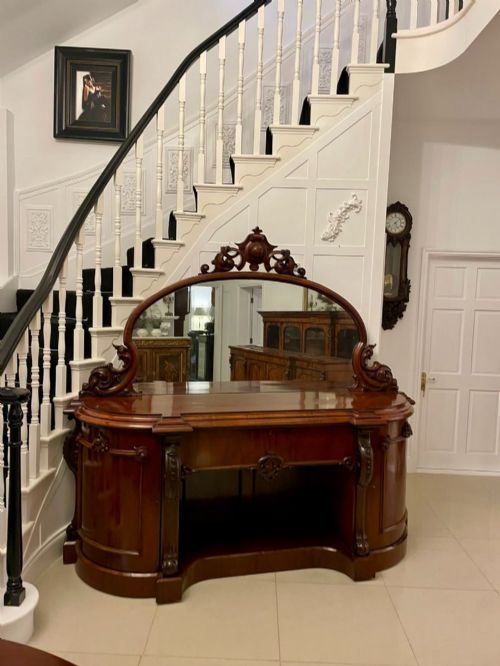
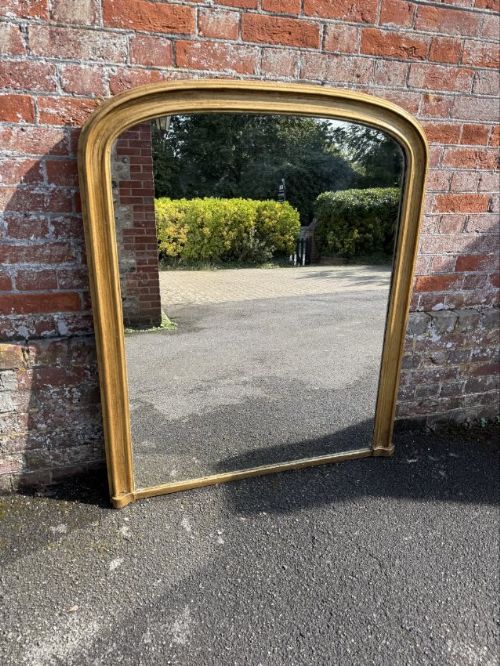


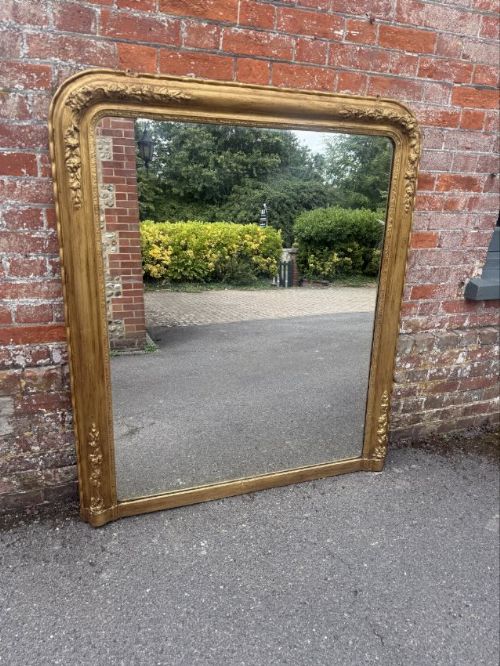
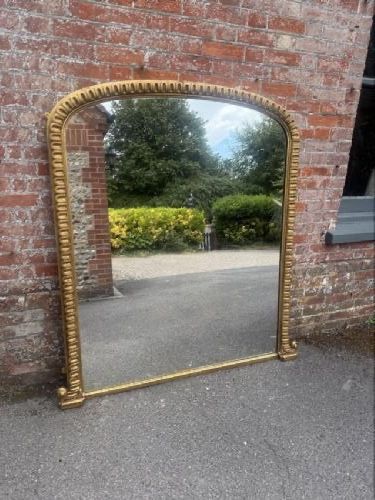
Victorian Arch Mirror
When you search for a victorian arch mirror, you find grand architectural pieces designed to reflect light and expand nineteenth-century rooms.
Victorian Arch Mirror
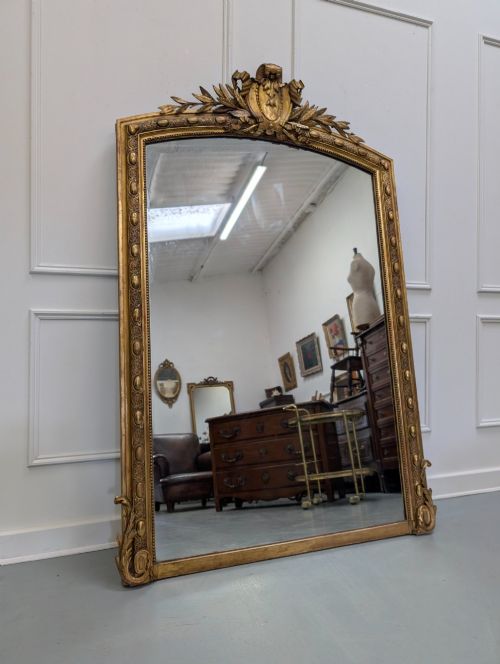
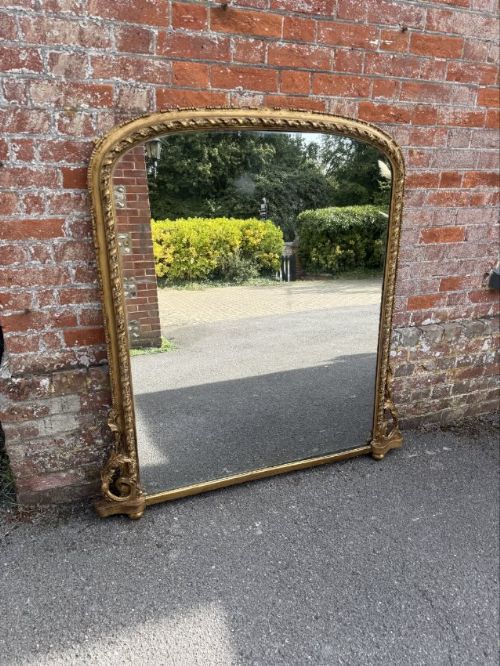
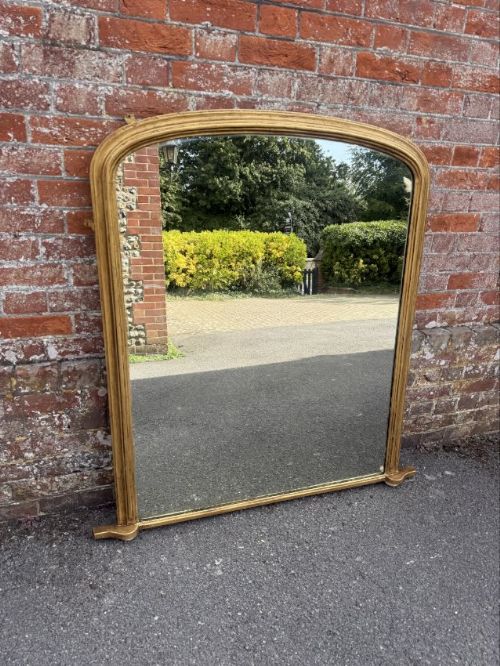
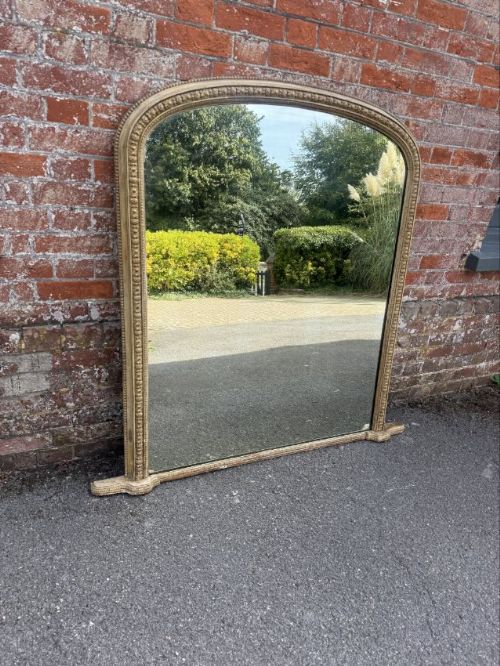
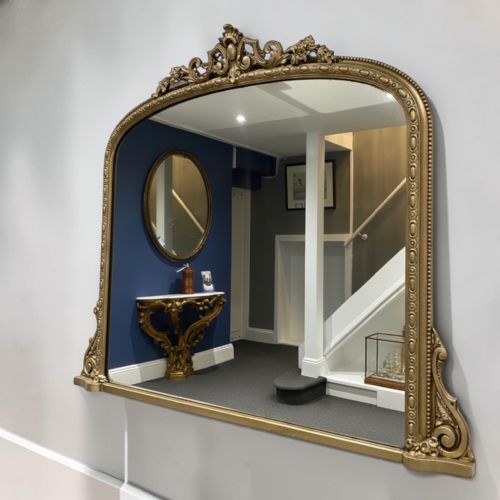
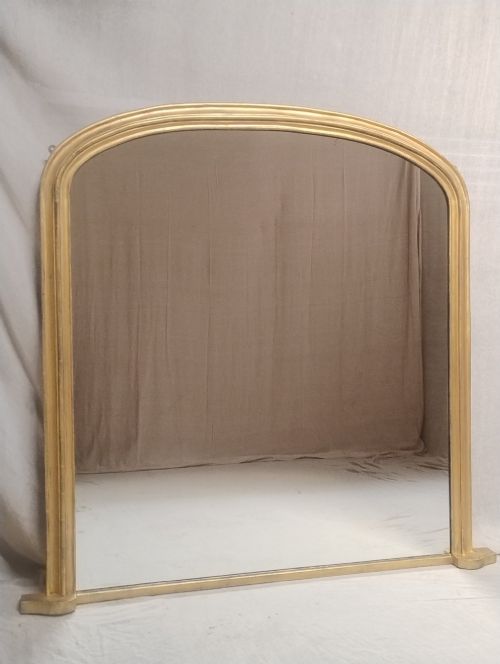
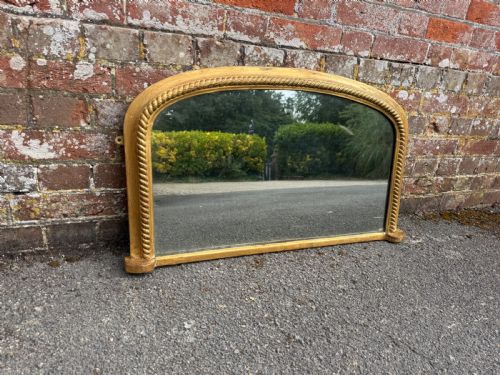
A victorian arch mirror is typically encountered as a large overmantel mirror designed to sit above a fireplace, reflecting the room and drawing the eye upward with its curved top.
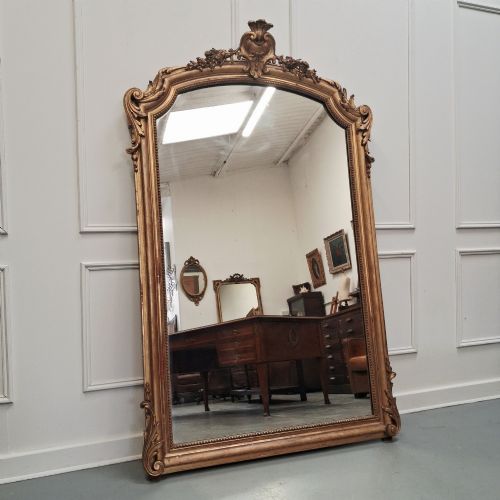
The selections span English and French traditions from the mid to late nineteenth century, including various iterations of the arched top format from simple moulded frames to elaborate crestings.
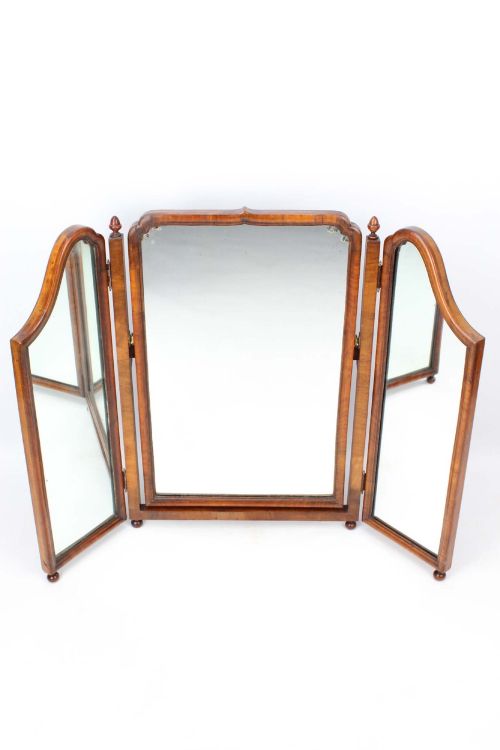
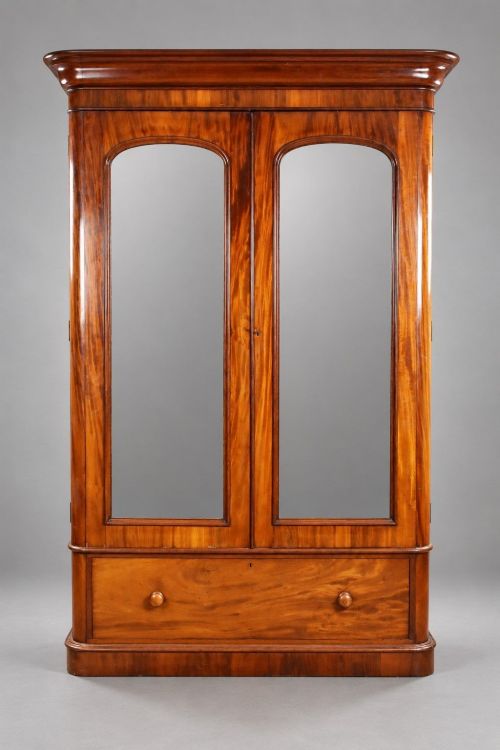
While overmantels dominate the selection, the category also accommodates wall mirrors, pier mirrors, and occasional dressing table or cheval formats in woods like walnut, satin birch, and oak.
Materials and Construction
Frames rely on a carved wood carcass, often pine or hardwood, built to support the substantial weight of the glass plate.
Applied gesso provides the smooth bed for intricate surface ornamentation, allowing for rope twists, tulip motifs, and crests.
Gold leaf or gilt application finishes the gesso surface, sometimes paired with ebonised details or silvered glass plates.
Materials recorded across the inventory include giltwood, gesso, brass, ebonised timber, satin birch, and mirror glass.
Assessing Quality
Quality rests in the crispness of the carved woodwork and the depth of the gesso relief work applied over the timber carcass.
Original mercury or early silvered mirror glass with authentic foxing differs visibly from later glass replacements.
The integrity of the original gilt surface and the retention of structural elements like crests or porcelain feet determine the distinction between standard production and exceptional examples.
Heal And Sons
The Victorian Arch Mirror Glossary
- Gesso
- A plaster-based mixture applied to wood frames to create a smooth surface for subsequent gilding or painting. It is sculpted or moulded into decorative reliefs before finishing.
- Overmantel
- A large mirror specifically proportioned to hang on the wall directly above a mantelpiece or fireplace. These pieces often incorporate architectural arches to echo fireplace surrounds.
- Giltwood
- Timber that has been coated in gold leaf or gold paint to give a metallic sheen. It forms the primary decorative finish for much of the period.
- Ebonised
- Wood treated with a chemical stain or finish to imitate ebony. This dark treatment frequently contrasts with gilt highlights on nineteenth-century frames.
- Cheval mirror
- A freestanding full-length mirror suspended on a frame with pivots, allowing the glass to tilt. These appear in Victorian bedrooms and dressing rooms.
Victorian Arch Mirror: Frequently Asked Questions
How were these mirrors originally used?
Victorian arch mirrors were primarily mounted above drawing room fireplaces to bounce candlelight and natural daylight around the interior.
Their generous proportions helped to visually expand smaller reception rooms and served as a central decorative focus for the hearth.
Are these mirrors heavy to hang?
These pieces possess substantial weight due to the dense timber frames, thick gesso layers, and large glass plates.
Secure wall fixings and anchoring into masonry or wall studs are essential for safe installation.
How do I identify the period?
Dating relies on examining the construction methods of the wooden carcass behind the frame, the formulation of the mirror glass, and stylistic cues like rope twists or ebonised highlights.
Nineteenth-century pieces often display hand-beveled plates and specific joinery traits characteristic of Victorian workshops.
Can these mirrors stand on the floor?
Certain larger arched examples function effectively as leaner mirrors placed directly on the floor against a wall.
Floor placement requires careful stability checks to prevent tipping, particularly with monumental overmantel formats.