



Victorian Amboyna Credenza
A Victorian amboyna credenza brings striking timber grain and dark contrast to a room, offering both display space and refined storage.
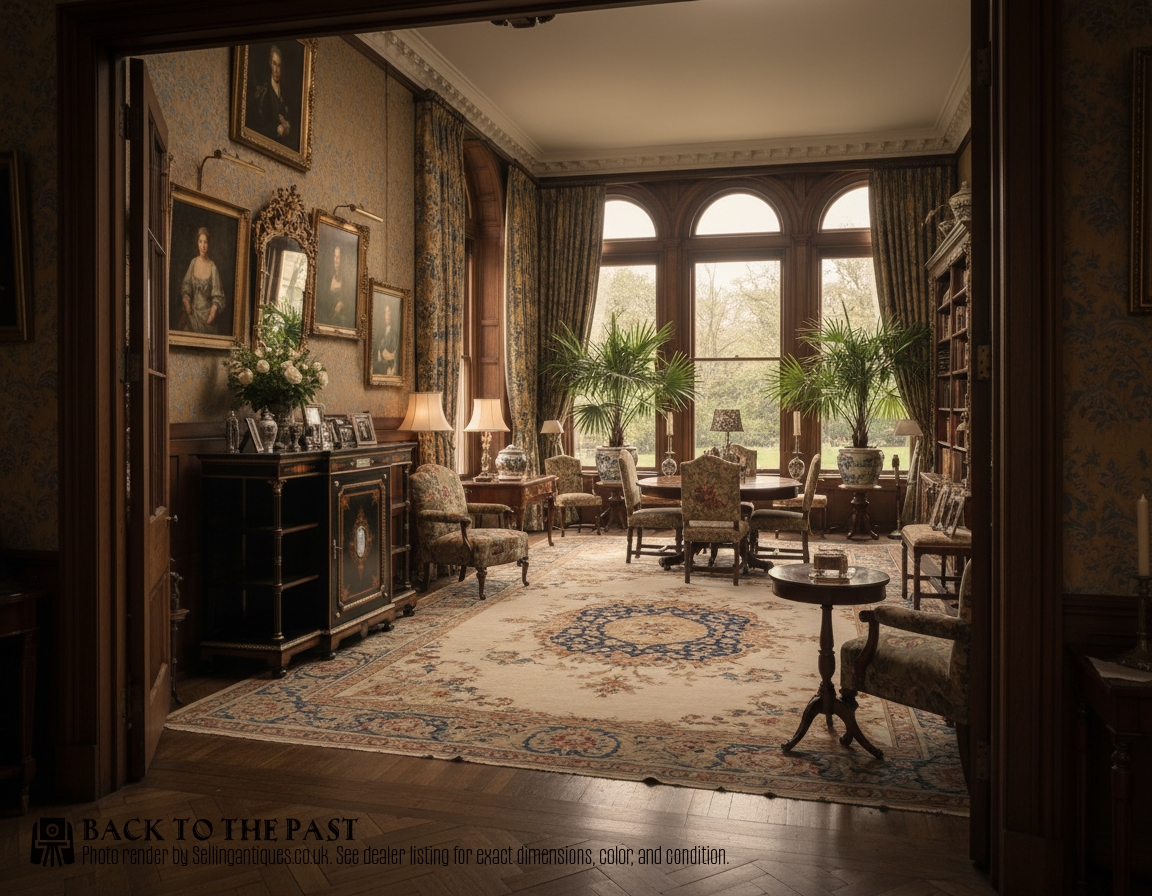
Victorian Amboyna Credenza
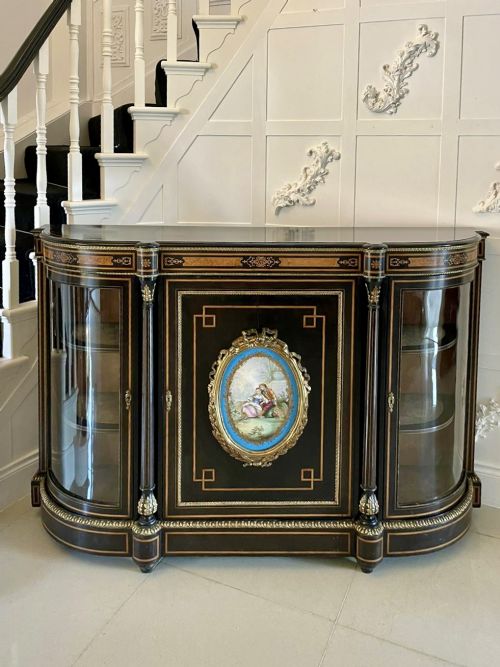
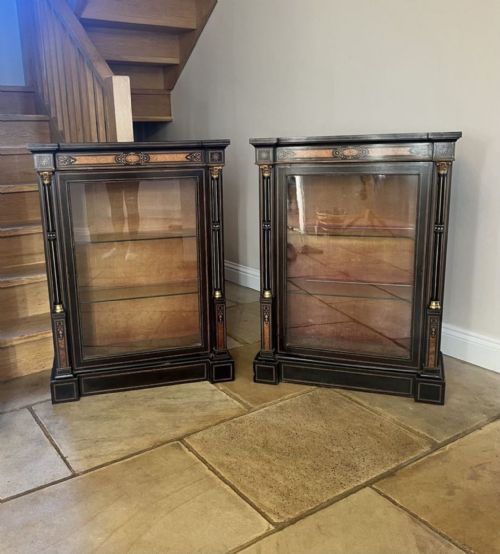
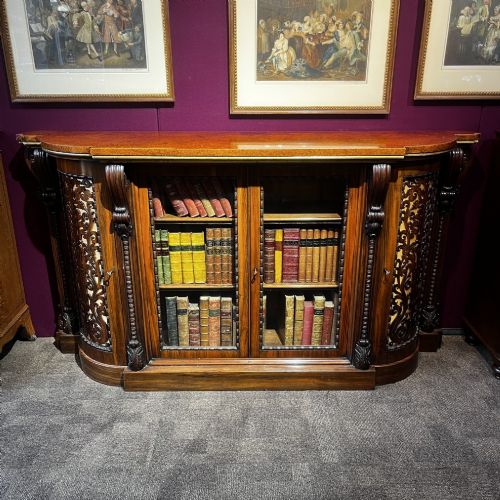
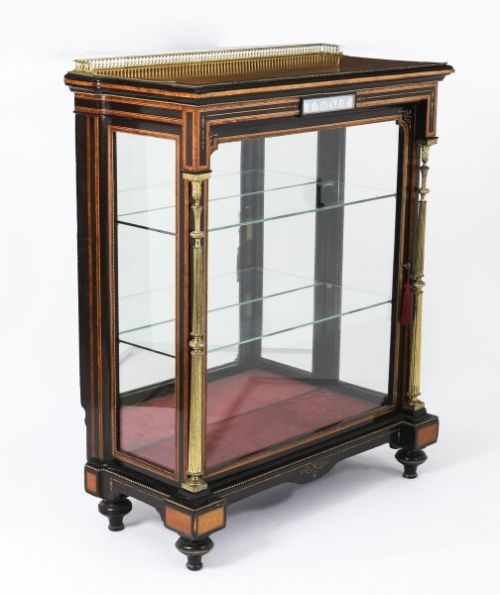
A Victorian amboyna credenza is a sophisticated nineteenth-century cabinet designed for formal reception rooms, combining display surfaces with enclosed shelving. These pieces frequently appear in breakfront forms, alongside side cabinets and pier display configurations.
The materials span the nineteenth century, with Victorian, Early Victorian, and Napoleon III periods represented alongside the Aesthetic Movement. Amboyna veneer appears paired with ebonised wood, burr walnut, and occasionally gonçalo alves or coromandel.
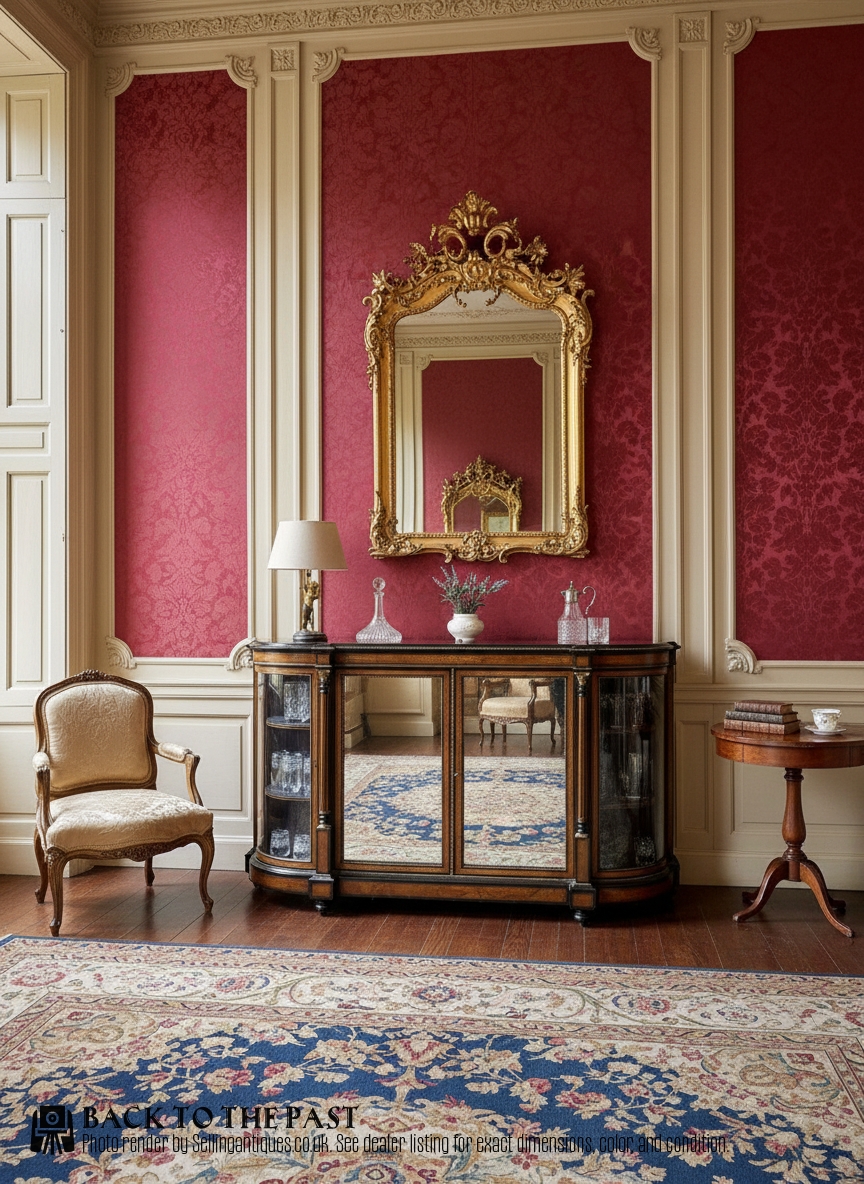
How they were made
Cabinet makers applied amboyna veneer over solid supporting timbers, creating mottled, highly figured surfaces across the main body of the furniture. Ebonised wood provided a deep, dark contrasting border to frame the lighter grain.
Brass and ormolu mounts were cast and applied to corners, borders, and friezes, adding metallic highlights to the dark timber. Inlaid details, often in contrasting light woods, further enriched the door panels and central friezes.
Victorian Amboyna Credenza Retail Price Guide 2026
Typical asking prices for victorian amboyna credenza among the pieces listed under this phrase on Sellingantiques today, from the lower quarter to the upper quarter. They describe what is for sale here now, not the wider market.
Some Victorian makers hid delicate porcelain shelves behind curved glass, hoping guests would admire the china as much as the amboyna.
What varies in quality
The choice and grain patterning of the amboyna veneer dictate much of the visual appeal, with tighter, more consistent figuring marking superior examples. The crispness of the ebonisation and the precision of the inlaid stringing reveal the hand of a skilled workshop.
Mounts in ormolu and brass show varying degrees of chasing and weight, distinguishing standard production from exceptional exhibition pieces. The integration of curved glass and the structural joinery of breakfront carcasses also separate standard items from finer works.
Lamb of Manchester
The Victorian Amboyna Credenza Glossary
- Amboyna
- An exotic timber prized for its rich, mottled golden-brown burl figuring. It is almost exclusively used as a veneer on fine nineteenth-century cabinet work.
- Ebonised
- Timber treated with a chemical stain or pigment to imitate heavy, dense ebony. This dark finish creates a sharp visual contrast against amboyna and burr walnut.
- Ormolu
- Gilt bronze applied as decorative mounts, feet, and edging on cabinet furniture. It provides a bright metallic contrast to dark wood surfaces.
- Credenza
- A low cabinet or sideboard designed for dining rooms and drawing rooms. Nineteenth-century versions frequently incorporate glazed side compartments for display.
- Breakfront
- A cabinet design where the central section projects forward from the flanking wings. This architectural arrangement adds depth and shadow to large reception room furniture.
Victorian Amboyna Credenza: Frequently Asked Questions
What is an amboyna credenza?
An amboyna credenza is a nineteenth-century display cabinet veneered in exotic amboyna wood, featuring glazed doors and enclosed shelving.
These pieces were built during the Victorian period as statement furniture for formal drawing rooms and parlours.
How do I clean amboyna veneer?
Clean amboyna surfaces using a soft, dry cloth to remove dust without disturbing the delicate veneer.
Avoid liquid cleaners, waxes containing harsh solvents, and direct sunlight which can fade the golden grain over time.
Are all credenzas ebonised?
Not all credenzas feature ebonised wood, though many Victorian examples combine dark ebonised frames with amboyna panels.
Others utilise burr walnut, coromandel, or purple heart alongside the primary amboyna veneer.
Where were credenzas placed?
Credenzas were traditionally positioned against the main walls of Victorian reception rooms and formal dining spaces.
Their low profile allowed the top surface to display ornaments while the interior stored ceramics and glassware.