



Venetian Side Tables
Venetian side tables bring grand architectural presence into domestic interiors through elaborate carved forms and painted surfaces.
Venetian Side Tables
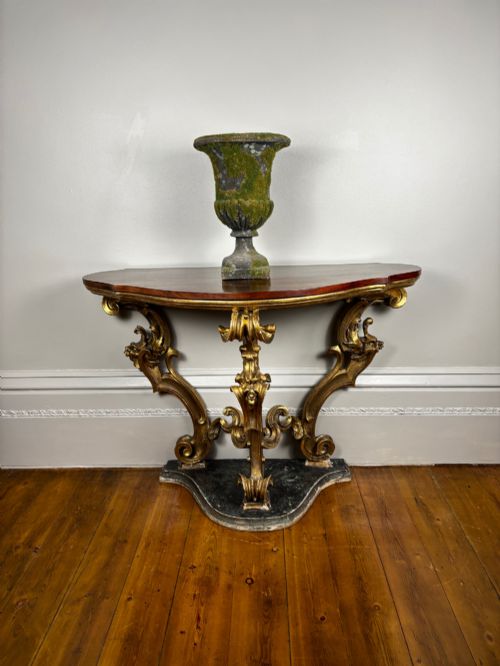
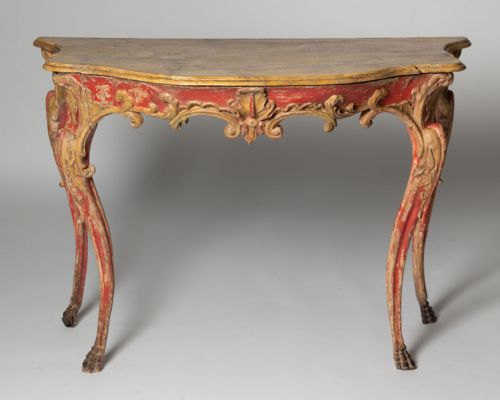
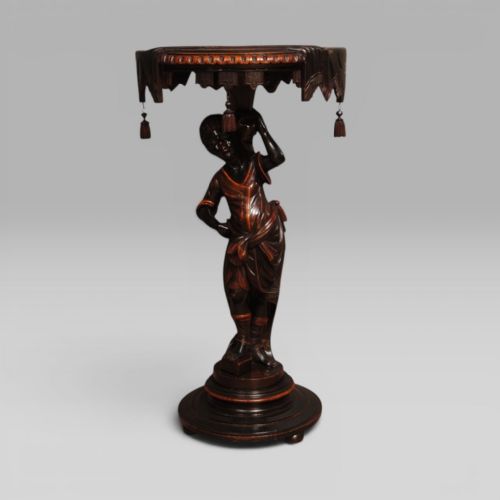
When you search for venetian side tables, you encounter an array of ornate console tables, figure stands, and occasional tables spanning the eighteenth to the twentieth centuries. The selection ranges from eighteenth-century gilt wood console tables to nineteenth-century carved walnut Blackamoor stands and twentieth-century painted tray top tables.
The prevailing forms on this page include serpentine console tables, side cabinets, and plant stands executed in styles such as Venetian Rococo, Baroque, and various revivals. Pieces often display regional Italian craftsmanship with painted polychrome decoration, giltwood, or carved wooden surfaces.
Buyers frequently find tables attributed to specific aesthetic movements, including French Chateau influences alongside classic Venetian interiors. These decorative items serve functional roles as lamp tables, bedside tables, or display pedestals while maintaining strong sculptural characteristics.
Materials and methods
Construction relies heavily on carved wood, walnut, and gesso applied to form intricate sculptural details and smooth surfaces for decoration. Artisans shaped these foundations into complex serpentine profiles and figural supports.
Surface ornamentation utilises gold leaf, giltwood, and polychrome paint to achieve rich visual depth and colouration. Layers of paint and gilding define the characteristic aesthetic seen across eighteenth and nineteenth-century examples.
Several tables take the form of carved figures holding aloft trays, effectively turning furniture into silent, permanent room attendants.
Quality and execution
The application and preservation of polychrome paint and gold leaf dictate the visual impact of painted surfaces. Original paint layers showing subtle ageing demonstrate greater integrity than later repainting efforts.
Pauly et Cie
The Venetian Side Tables Glossary
- Console table
- A table designed to be placed flat against a wall, frequently supported by ornamental brackets or legs. These items often feature shaped marble or wooden tops.
- Giltwood
- Wood that has been coated with gold leaf or powder using sizing or gesso. This finish creates a brilliant metallic sheen characteristic of ceremonial furniture.
- Polychrome
- Decoration executed in multiple colours applied to wood, plaster, or stone surfaces. It defines the vibrant palette found on many Italian painted tables.
- Serpentine
- A furniture top or front line that curves inward centrally and outward at the ends. This contour adds dynamic movement to eighteenth and nineteenth-century case pieces.
- Blackamoor
- A decorative figural carving depicting a person of colour, often used as a support for stands or tables in nineteenth-century design. These objects reflect period taste and craftsmanship.
Venetian Side Tables: Frequently Asked Questions
What periods do these tables come from?
The pieces span from the eighteenth century through to the 1930s, encompassing various revival styles alongside period originals. Eighteenth-century examples contrast with nineteenth-century figural stands and twentieth-century painted occasional furniture.
Each era contributes distinct decorative elements, from Baroque gilding to later painted tray top designs and provincial Italian interpretations.
Where were these tables used in a home?
Console tables were traditionally positioned against walls in grand reception rooms or hallways to display decorative objects or mirrors. Smaller occasional tables and plant stands served living spaces and bedrooms as functional furniture.
Today, buyers utilise them as lamp tables, bedside surfaces, or striking accent pieces in contemporary and traditional interiors alike.
What is the difference between giltwood and painted finishes?
Giltwood involves the application of thin gold leaf over a prepared gesso and wood ground to create a reflective metallic surface. Painted finishes utilise polychrome pigments to depict floral motifs, scenes, or solid decorative colours.
Both techniques were employed by Venetian artisans to achieve ornate and colourful effects suitable for lavish interiors.