



Polychrome Wooden Pedestals
Polychrome wooden pedestals bring striking colour and sculptural presence to a room, offering elevated display for figures, lamps or decorative objects.
Polychrome Wooden Pedestals
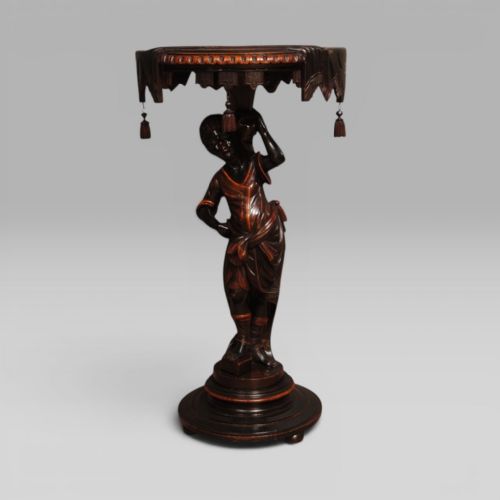
Polychrome wooden pedestals encompass heavily decorated stands, figural supports and columnar plinths designed to elevate sculpture or display objects within a interior. When exploring polychrome wooden pedestals, buyers encounter Venetian figures, triform bases and regional animal forms spanning from the seventeenth century through to the early twentieth century.
Earlier examples emerge from the seventeenth and eighteenth centuries, while nineteenth-century Victorian production introduces varied interpretations including Blackamoor tables and decorated architectural pedestals. Each piece combines carved wooden structure with painted surfaces, creating substantial focal points for rooms.
Materials and Construction
Makers formed these pieces primarily from carved wood, applying gesso to smooth surfaces before executing detailed figurative or architectural relief. The structural timber provides a stable core capable of supporting heavy figures or display items.
Polychrome paint and gold leaf or gilt finishes complete the surface, creating rich colour combinations and metallic highlights. Layers of paint and lacquer protect the wood while delivering the vibrant visual character typical of Venetian and Asian decorative traditions.
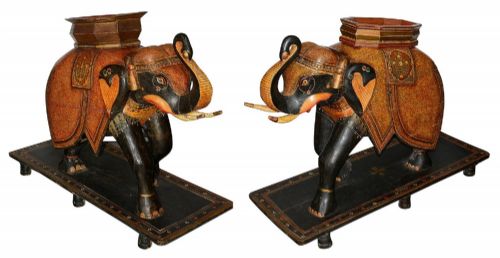
Among the carved figures standing ready to hold your keys, a pair of Kashmiri elephants brings unexpected pachyderm charm to the room.
Assessing Quality and Execution
The preservation of the original paint and gilt surfaces heavily influences the integrity of each piece, with intact polychrome schemes retaining greater visual impact. Patina accumulated through age on both the wood and the decorative layers adds depth to superior examples.
The Polychrome Wooden Pedestals Glossary
- Polychrome
- Decorated in a variety of colours. This term describes surfaces painted with multiple pigments, often combined with gilding.
- Gesso
- A plaster mix applied to wood. It serves as a smooth preparation layer for subsequent painting and gilding.
- Gilt
- Covered thinly with gold leaf or gold paint. This finish provides metallic lustre to architectural details and carved ornaments.
- Triform
- Having three sides or three feet. Triform pedestals feature a triangular base plan for enhanced stability.
- Blackamoor
- A European decorative art figure depicting figures from North Africa or Sub-Saharan Africa. These pieces frequently function as stands, torchieres or tables.
Polychrome Wooden Pedestals: Frequently Asked Questions
How were polychrome wooden pedestals used historically?
These pieces served primarily as decorative furniture to hold lighting, display sculptures or support table tops in grand reception rooms. Their sculptural designs allowed them to act as independent works of art while fulfilling a functional role in interior display.
Wealthy households placed them in halls and parlours to project status through elaborate craftsmanship and imported motifs. The integrated figures often held trays or torchieres to illuminate surrounding spaces.
Where should I place a pedestal in a modern room?
A pedestal suits corners or empty wall spaces where it can stand alone or support a bronze, ceramic vessel or lamp. Placing one in an entrance hall creates an immediate focal point upon entering the home.
Ensure the surrounding floor space allows the piece to be viewed from multiple angles, particularly if the carving extends around all sides. Pairing the height of the pedestal with the object placed atop it maintains visual balance.
How do I distinguish between eighteenth and nineteenth-century pieces?
Eighteenth-century examples often display simpler structural joinery combined with hand-mixed earth pigments and deeply patinated wood surfaces. The weight of the timber and the wear patterns on the base help indicate greater age.
Nineteenth-century revival pieces frequently incorporate brighter, more durable chemical pigments and machine-assisted preparation beneath the gesso. Comparing the style of the carving against documented regional periods helps clarify the date of manufacture.
How do I care for original painted and gilt surfaces?
Dust the piece gently with a soft, dry cloth to prevent abrasive particles from scratching the fragile paint or gold leaf. Avoid using liquid cleaners, waxes or modern chemical polishes that can lift or discolour historic pigments.
Keep the pedestal away from direct sunlight and steady heat sources to prevent the wood from expanding and cracking the gesso layer. Stable indoor humidity protects both the structural timber and the decorative skin from flaking.