
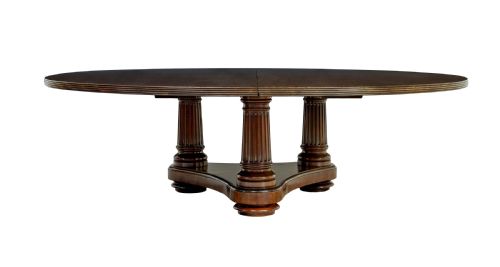


Large Column Pedestals
Large column pedestals are architectural supports and display stands that elevate sculpture, lighting, or plants, bringing classical dignity and height to an interior.
Large Column Pedestals
Large column pedestals serve as substantial platforms for display, encompassing floor-standing supports and table lamps structured around architectural column forms. When searching for large column pedestals, buyers encounter items designed to lift decorative objects, urns, and lighting to prominent heights within a room.
The selections span the nineteenth century and the early twentieth century, incorporating Victorian, Neoclassical, and Art Deco styles. Forms range from standalone wooden and stone columns to rotating stands and combined jardinieres.
Makers and craftsmen utilised diverse materials such as mahogany, birch, plaster, reconstituted stone, and scagliola to replicate grand classical architecture. These pieces reflect historical revivals, adapting ancient Greek and Roman column orders for domestic interiors.
Materials and Construction
Carpenters and cabinetmakers fashioned large column pedestals from timbers including mahogany, bleached oak, stained birch, and walnut, often employing fine carving techniques. Surface enrichment frequently involved gesso, paint, or simulated marble finishes to mimic more costly stones.
Masons and sculptors worked with stone, red stone, and reconstituted stone, alongside plaster and scagliola for composite decorative effects. Metal elements, including ormolu, brass, and silver plating, appeared as structural mounts, Corinthian capitals, and decorative trims on both lamps and stands.
Listings feature items from the nineteenth century onward, including Victorian, Edwardian, and mid-century periods, alongside specific dates from 1820 to 1950.
Assessing Quality and Execution
Quality in large column pedestals rests on the execution of the carving, the integrity of the structural materials, and the sophistication of the surface finish. Superior examples display crisp architectural detailing on capitals and fluting, whether rendered in carved timber or cast plaster.
The retention of original decorative surfaces, such as faux marble paint finishes or gilt bronze mounts, distinguishes finer pieces. Structural proportion and balance remain essential, ensuring that tall supports securely bear the weight of sculptures or lamps.
The Large Column Pedestals Glossary
- Corinthian
- An architectural column order distinguished by ornate capitals decorated with acanthus leaves. This classical motif appears frequently on nineteenth-century metal and wooden table lamps.
- Scagliola
- A composite material made from selenite, glue, and pigments, embedded to imitate marble and other stonework. Artisans used this technique to create smooth, colourful decorative surfaces on pedestals.
- Gesso
- A plaster-like mixture applied to wood surfaces as a base for painting or gilding. It allows craftsmen to model sharp relief details before finishing.
- Torchiere
- A tall stand or floor lamp designed to direct light upwards. These items often feature column or pedestal supports derived from classical design.
- Ormolu
- Gilded bronze used for decorative mounts and fittings on furniture and stands. The technique involves applying a gold amalgam to bronze.
Large Column Pedestals: Frequently Asked Questions
How do I style a large column pedestal?
Position a large column pedestal as a standalone accent in a corner or empty hallway to draw the eye upward. Place a sculptural bust, a large ceramic vessel, or an art glass piece on top to create a striking focal point.
Ensure the weight of the object matches the load-bearing capacity of the pedestal. Pairing a stone or heavy wooden column with a complementary sculpture anchors the composition within the room.
What is the difference between a pedestal and a torchiere?
A pedestal functions primarily as a display stand or support for sculpture, vases, and decorative objects. Its top surface is flat and engineered to hold weight securely.
A torchiere incorporates a light source at the top, serving as a tall lamp that casts illumination toward the ceiling. While both share vertical column forms, their intended functions diverge between display and lighting.
How do I date a faux marble column?
Examine the underlying material, such as wood, plaster, or iron, beneath the painted surface. Nineteenth-century pieces often employ hand-mixed oil paints over gesso to simulate marble veining.
Look at the wear patterns and the type of fasteners used in the construction. Period manufacturing techniques and the specific stylistic revival, such as Victorian Neoclassical, provide clear chronological markers.
Can these pedestals support heavy stone sculptures?
Many large column pedestals constructed from solid wood, stone, or reinforced plaster possess substantial weight-bearing capacity. Inspect the internal structure and the base to ensure stability before placing heavy items atop them.
Solid marble, stone, and dense hardwood columns generally offer the greatest strength. Lighter plaster or hollow wood versions suit medium-weight bronze figures or ceramic jardinieres better.