


Figurative Sculpture Stands
Figurative sculpture stands elevate carved and cast human forms, bringing classical weight and material presence into domestic rooms.
Figurative Sculpture Stands
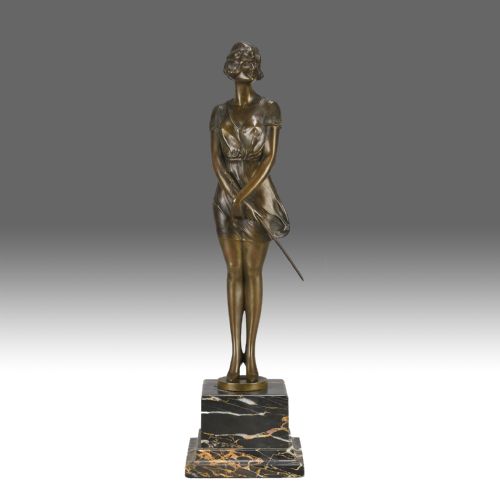
When you search for figurative sculpture stands, you encounter sculptural works that integrate human figures into decorative objects or act as pedestals and mounts for display. These pieces range from early twentieth-century bronze studies and patinated chalk figures to carved alabaster nudes and spelter candlesticks.
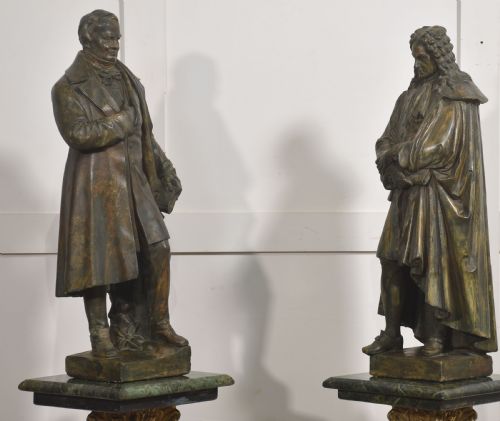
The items found here span the nineteenth century and the early decades of the twentieth century, including distinct Art Nouveau, Art Deco, Neoclassical Revival, and Victorian Academic Realism styles. You are most likely to meet bronze and patinated spelter figures depicting nudes, philosophers, medieval characters, and allegorical subjects.
Makers and sculptors represented across these listings include Bruno Zach, Dopmeier, Fritz Kochendorfer, Joaquim Angles, Ferdinando de Luca, and Feridah Francis Forbes Taylor. Their works demonstrate how makers utilised various metals and stones to create three-dimensional representations of the human form.
Materials and construction
Bronze and spelter serve as the primary metals for cast figures, often finished with a bronze patina or dark pigment to accentuate muscle tone and drapery. Cast metal production allowed artists to capture fine anatomical details in standing nudes, philosophers, and historical characters.
Carved stone materials such as alabaster and marble provide contrasting textures and natural translucency for nude figures and structural elements. Artisans worked directly blocks of stone to achieve smooth surfaces and rounded contours.
Someone carved medieval characters balancing on stilts out of spelter, proving that history occasionally needs a bit of circus equilibrium.
Factors that distinguish quality
Surface finish and patination separate standard examples from finer works, where applied patinas, pigments, or natural stone grain enhance the depth of the sculpture. The treatment of the bronze or alabaster directly affects the visual weight of the piece.
The artistic provenance and signature of a known maker elevate the standing of a sculpture within its period style. Pieces bearing documented signatures from makers like Bruno Zach or Fritz Kochendorfer carry distinct authority compared to unsigned works.
Bruno Zach·Dopmeier·Fritz Kochendorfer·Joaquim Angles·Ferdinando de Luca·Feridah Francis Forbes Taylor
The Figurative Sculpture Stands Glossary
- Bronze patina
- A chemical treatment or natural oxidation applied to the surface of bronze to produce colour variations ranging from deep brown to green. This layer protects the metal while defining the contours of the sculpture.
- Spelter
- An alloy of zinc and lead, often cast and given a bronze-like finish to imitate more expensive metalwork. It appears frequently in decorative candlesticks and figures from the nineteenth and early twentieth centuries.
- Alabaster
- A soft, fine-grained stone used for carving intricate figurative sculptures and decorative objects. Its relative translucency allows light to penetrate the surface slightly, adding warmth to carved nudes.
- Chalkware
- A moulded gypsum plaster material painted with pigment to resemble terracotta, bronze, or stone. It gained popularity for affordable decorative figures during the nineteenth century.
- Victorian Academic Realism
- An artistic style grounded in nineteenth-century academic training that emphasised precise anatomical accuracy and detailed narrative subjects. Works in this style adhere closely to classical proportions and realistic textures.
Figurative Sculpture Stands: Frequently Asked Questions
How do I distinguish Art Nouveau from Art Deco pieces?
Art Nouveau figures, dating around the turn of the twentieth century, feature flowing organic lines, natural motifs, and dynamic drapery. The posture and curves often mimic plant stems or waves.
Art Deco works from the 1920s and 1930s adopt geometric precision, stylised symmetry, and sleeker silhouettes. The human form in Art Deco is typically rendered with sharper angles and more industrial streamlining.
Where should I place these sculptures in a room?
These pieces function well on sturdy sideboards, dedicated plant stands, or mantels where their three-dimensional forms can be viewed from multiple angles. Their height and vertical stance draw the eye upward.
Ensure the display surface is stable, particularly for heavier bronze or marble items, and position them away from direct heat sources that could affect patinated or painted surfaces.
How do I care for bronze and alabaster figures?
Dust bronze sculptures gently with a dry, soft cloth to prevent the accumulation of grit in crevices. Avoid using harsh chemical cleaners that might strip the original patina.
Alabaster requires particular care as it is a soft stone sensitive to moisture. Wipe it only with a completely dry cloth and keep it away from damp environments.
What subjects are most common in these sculptures?
Standing female nudes, classical philosophers, fisher boys, and medieval characters frequently appear as the primary subjects. Many pieces incorporate functional elements like candlesticks or plant supports into the figurative design.
Allegorical themes and historical figures also feature prominently, reflecting nineteenth-century academic interests and early twentieth-century decorative tastes.