




Decorative Column Stands
These decorative column stands elevate sculpture, light a corner or display a plant with distinct architectural presence.
Decorative Column Stands
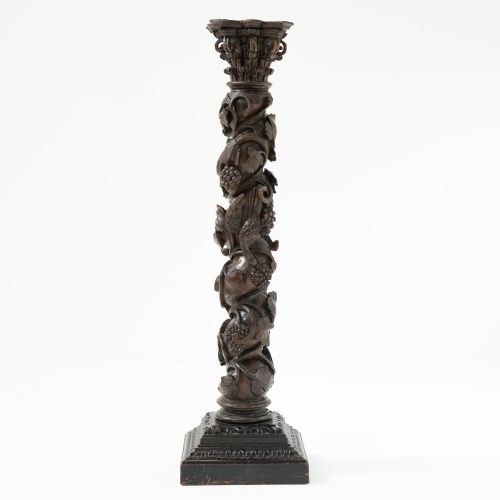
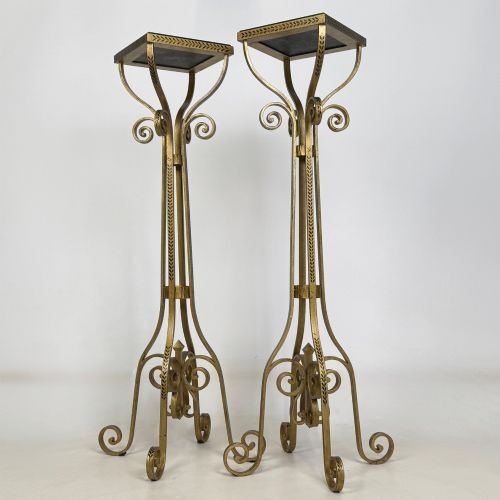
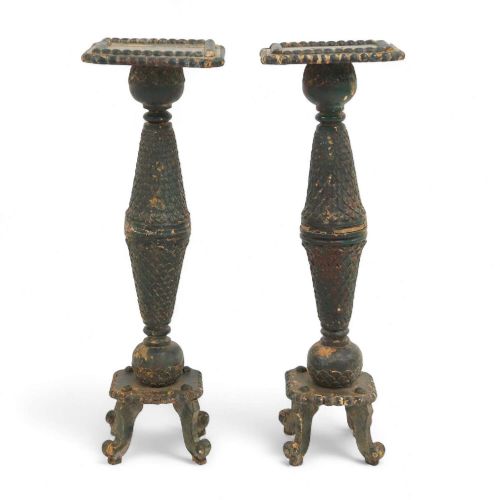
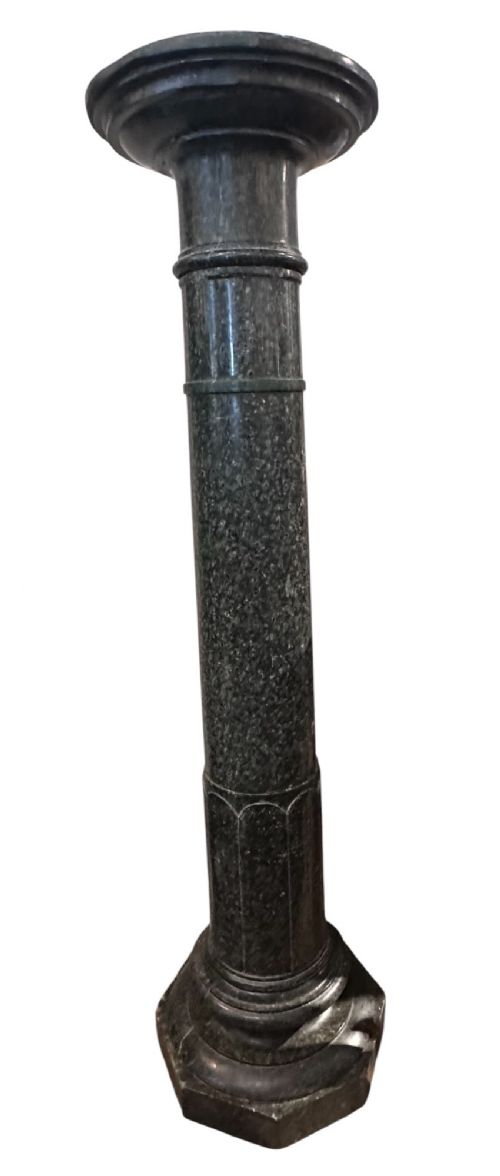
Decorative column stands appear primarily as pedestals, torcheres and plant stands originating across the nineteenth and early twentieth centuries. These pieces serve to elevate urns, sculptures and lighting within a room.
Materials and Construction
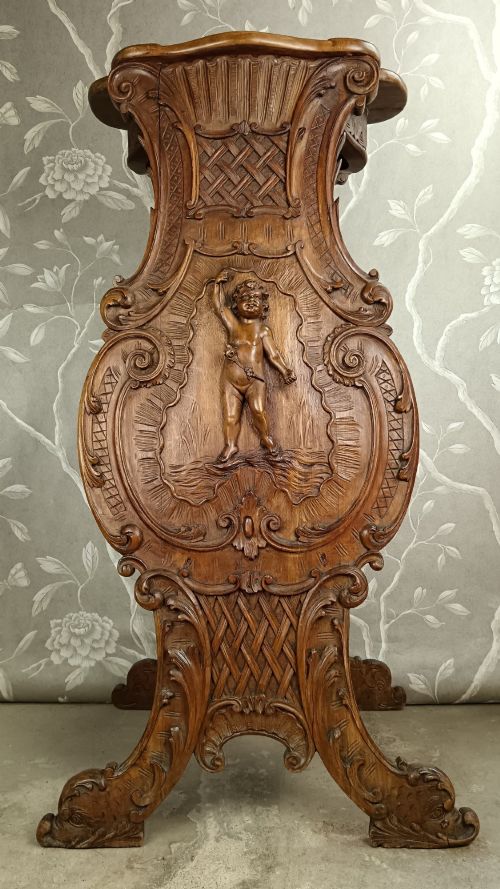
Makers utilise carved wood, giltwood, gesso and paint to build structure and surface ornamentation. Marble and onyx provide contrasting tops and columns.
Brass, gilt bronze and ormolu mountings accent timber and stone. Glazed art pottery and terracotta introduce ceramic colour into the stands.
Materials range from natural stone and pottery to cast plaster and painted finishes.
Craftsmanship and Proportion
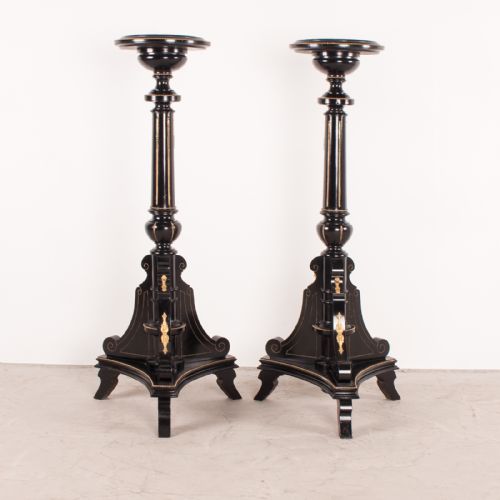
Quality rests in the depth of hand carving and the selection of materials such as figured walnut, amboyna or genuine antique marbles. Surface finishes like original green paint, gilding or ebonisation demand precision.
Proportion and stability determine architectural success. Heavier stone shafts require robust bases, while slender turned timber columns rely on precise joinery to maintain vertical alignment.
Burmantofts·Woodlesford Art Pottery·Marguerite
The Decorative Column Stands Glossary
- Torchere
- A tall stand designed to support a lamp or candle. These pieces often feature slender shafts and decorative circular tops.
- Solomonic
- A helical or spiral twist carved into the column shaft. This classical form creates dynamic movement along the vertical axis.
- Jardiniere
- An ornamental pot or planter designed for flowers or plants. These ceramic vessels frequently sit atop matching pedestals.
- Ormolu
- Gilded bronze mounts applied to furniture and decorative columns. The technique involves a mercury amalgam used on bronze bases.
Decorative Column Stands: Frequently Asked Questions
What holds a heavy marble top?
Sturdy timber carcases and solid stone shafts provide the necessary structural support for marble or onyx tops.
Heavier bases ensure the stand remains balanced when holding substantial planters or sculptures.
Where should I place a torchere?
These tall stands suit empty room corners or flanking architectural doorways.
They function effectively to elevate lighting or display sculptural objects at eye level.
How do I identify a Neoclassical design?
Neoclassical pieces feature restrained classical motifs inspired by ancient Greece and Rome.
Look for fluted columns, clean architectural lines and carved garlands.
Can these stands support plants?
Plant stands and pedestals accommodate potted foliage, particularly glazed ceramic jardinières.
Water-resistant tops or liners help protect the underlying wood or gesso surfaces from moisture.