


Vintage Plant Columns
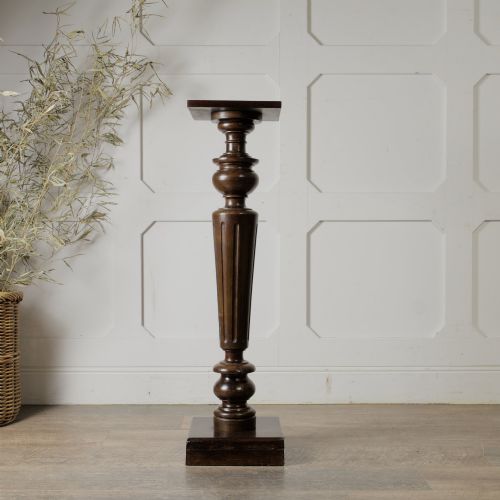
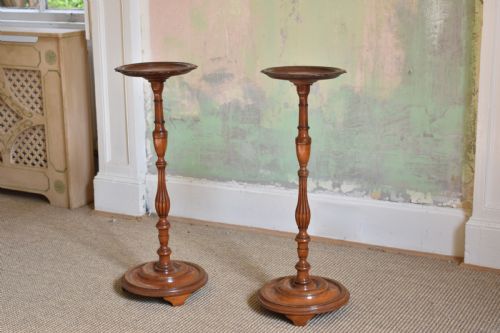
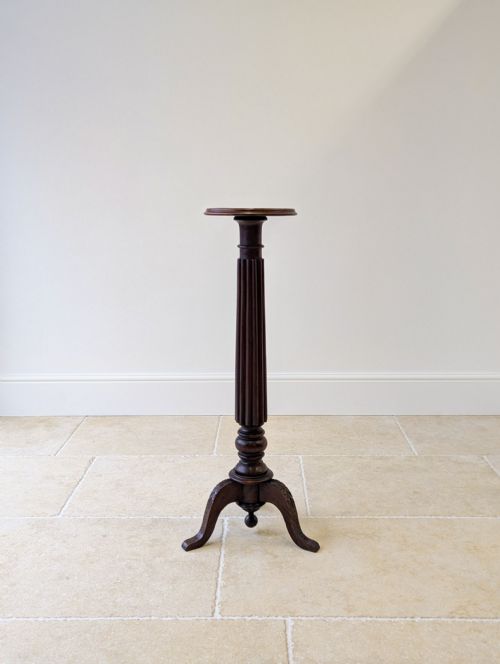
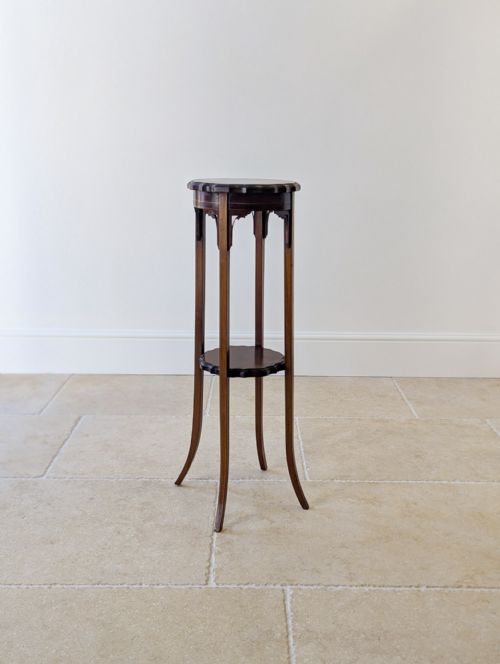
These vintage plant columns hold heavy pots and sculpture, bringing height and structural focus to a room.
Vintage Plant Columns
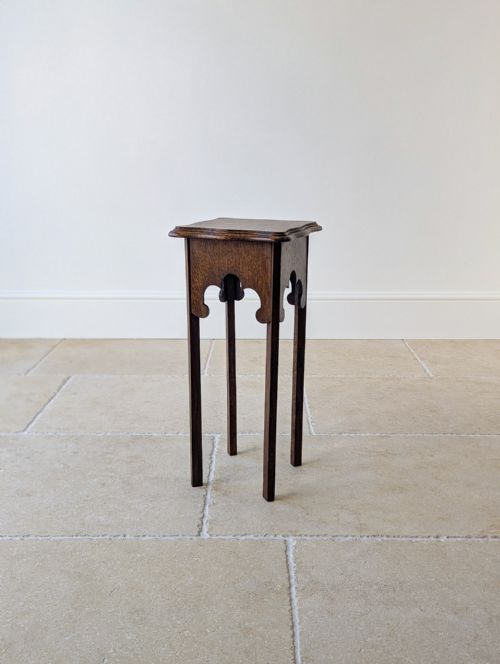
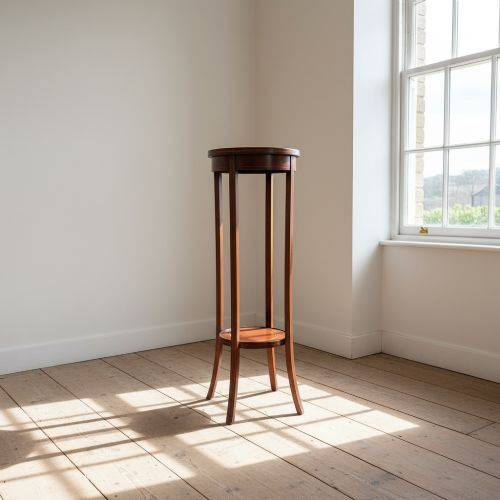
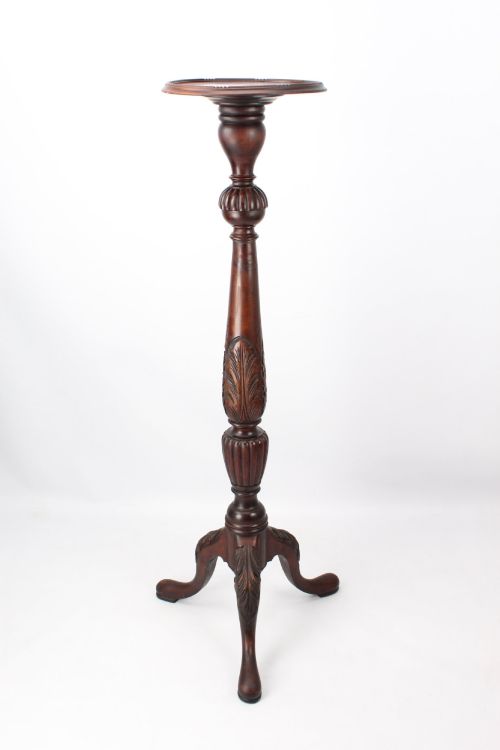
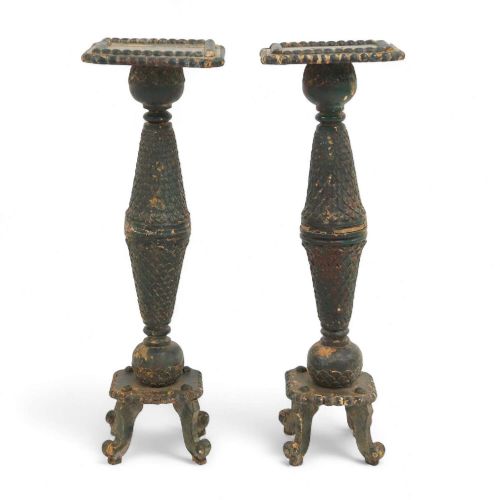
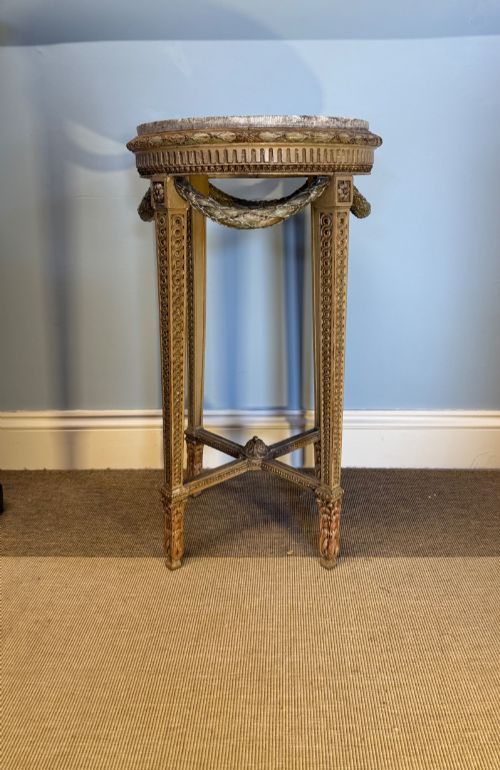
When searching for vintage plant columns, you encounter tall, upright furniture built to elevate urns, botanical displays, and busts. The examples gathered here span from the 19th century through the Edwardian era and into the 1930s, taking forms such as plant stands, torcheres, and display pedestals.
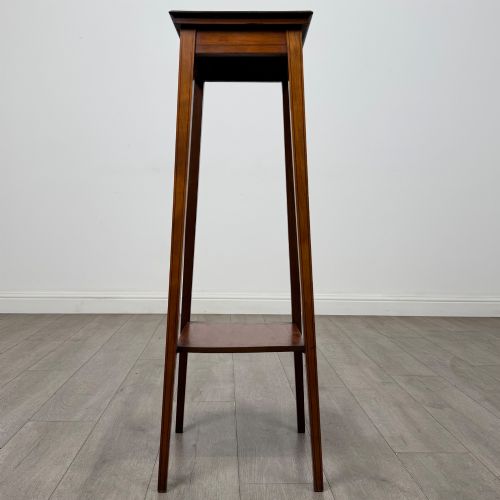
Mahogany and oak dominate the wooden variations, often featuring turned legs, barley twist supports, or fine inlay work. Other pieces turn to stone and metal, combining marble tops or variegated marble columns with chiseled brass.
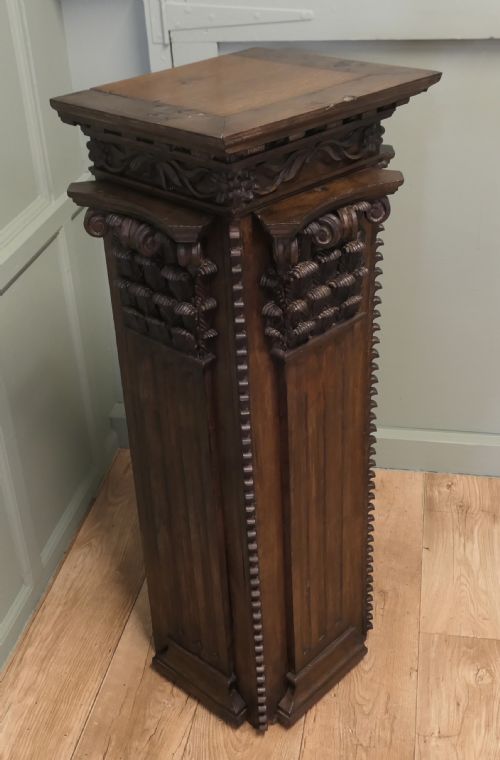
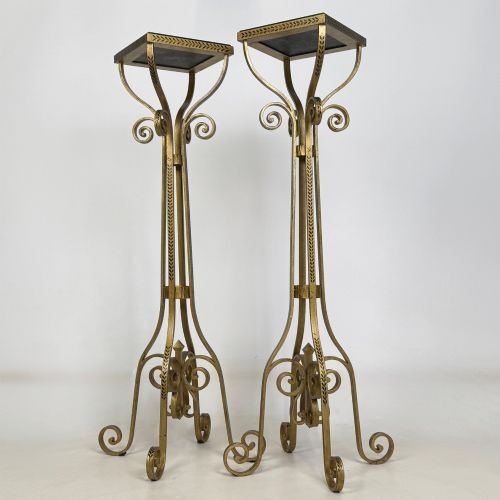
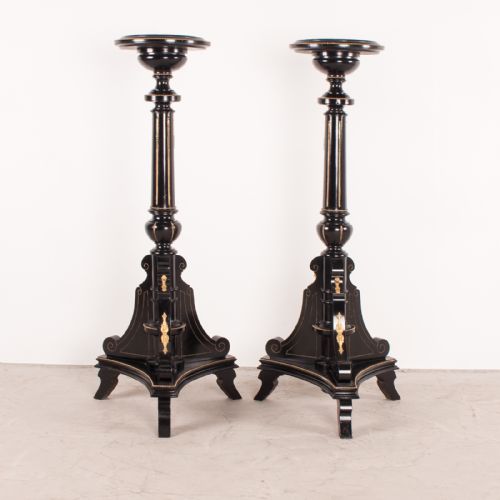
Neoclassical and Victorian rustic styles sit alongside French chateau influences, offering everything from simple wooden plinths to elaborately carved display columns. You find single stands as well as matched pairs designed to frame a corner or doorway.
Materials and construction methods
Joinery relies on solid hardwoods like mahogany, walnut, and oak, shaped through turning, carving, and delicate inlay in satinwood. Cabinetmakers constructed sturdy shafts and heavy bases to ensure stability when supporting elevated weight.
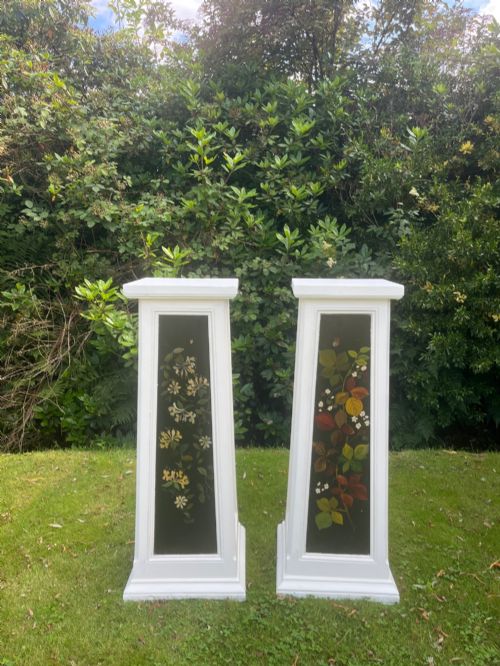
Stone and metal components introduce contrasting textures, utilising marble tops and solid marble columns alongside chiseled brass mounts. Certain pieces receive decorative paintwork, ebonised finishes, or original green paint to alter the appearance of the underlying timber.
One exceptional piece repurposed natural deer antlers into a towering taxidermy torchiere plant stand.
Determinants of quality
Superior execution shows in the precision of the turning and the crispness of carved details on wooden shafts and capitals. Finer examples integrate matched veneers, subtle string inlay, and stable, heavy bases that prevent tipping.
The choice of secondary materials marks the distinction between standard production and high-end commission, seen in the selection of Arabescato or variegated marble tops and heavy brass fittings rather than lighter substitute metals.
Shoolbred
The Vintage Plant Columns Glossary
- Torchere
- A tall stand designed originally to hold a torch or lamp, frequently repurposed as a plant column or display pedestal. These pieces typically feature slender shafts and elevated tops.
- Plinth
- The lowest base block of a column or pedestal, or a standalone flat-topped stand for a bust or urn. It provides visual weight and physical stability to the structure above.
- Jardiniere
- An ornamental pot or stand for indoor plants and flowers. In these listings, it often describes stands incorporating a container or a specialised platform for greenery.
- Inlay
- A decorative technique where contrasting woods like satinwood are fitted into recesses in a primary wood surface. This creates flat patterns and geometric borders along the columns.
- Barley twist
- A spiral turning resembling a twisted rope, carved into the wooden columns or legs of plant stands. It gained popularity during the 17th century and saw revivals in later periods.
Vintage Plant Columns: Frequently Asked Questions
What weight can these vintage plant columns support?
Most solid wood and marble-topped columns easily accommodate heavy ceramic planters, bronze urns, and stone busts. The sturdy timber construction and weighted bases distribute the downward pressure securely.
However, slender Edwardian satinwood or inlaid stands suit lighter decorative pots rather than massive stone containers. Checking the base width and material thickness provides a reliable guide for safe loading.
How do I choose between wood and marble columns?
Mahogany and oak variants bring warmth and traditional texture to a room, fitting naturally beside period furniture and polished floorboards. Their carved details and turned wooden shafts emphasise classic cabinetmaking skills.
Marble and brass compositions offer a cooler, more architectural presence suitable for Neoclassical or Art Deco interiors. The stone surfaces also resist water damage from overzealous watering of potted plants.
Where should I place a column in a room?
Unused corners and empty wall spaces benefit most from the vertical lift these stands provide. Placing a pair of columns symmetrically frames a doorway, fireplace, or large artwork with formal balance.
Single stands work effectively beside seating areas or windows where trailing plants receive adequate light and command attention. The elevated height draws the eye upward and breaks up horizontal furniture lines.
How do I date a wooden plant stand?
Victorian and 19th-century examples often display heavy mahogany construction, deeper carving, and robust turned wooden columns. Edwardian pieces from around 1900 frequently incorporate lighter satinwood timbers and delicate string inlay.
Later 1930s pieces introduce materials like onyx, chiseled brass, and simpler geometric forms influenced by Art Deco design. Examining the wood species, joinery style, and decorative motifs reveals the era of manufacture.