

Vanity Bench Seat
A vanity bench seat provides a low, upholstered perch before a dressing table, combining practical function with period grace.
Vanity Bench Seat
When you search for vanity bench seat, you find a selection of low stools and piano benches designed for dressing rooms and parlours. These items emerge from periods spanning the eighteenth century through the Art Deco era, reflecting shifting domestic habits.
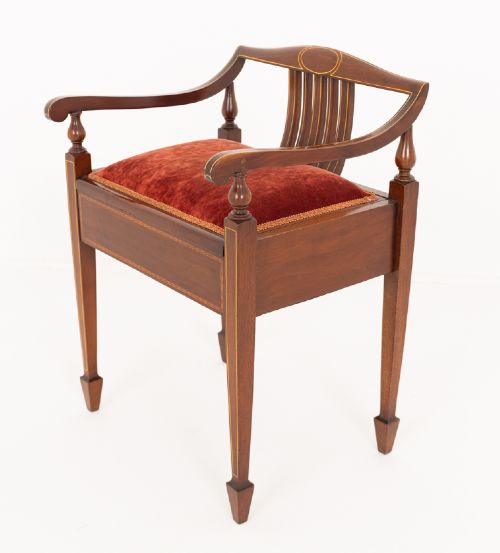
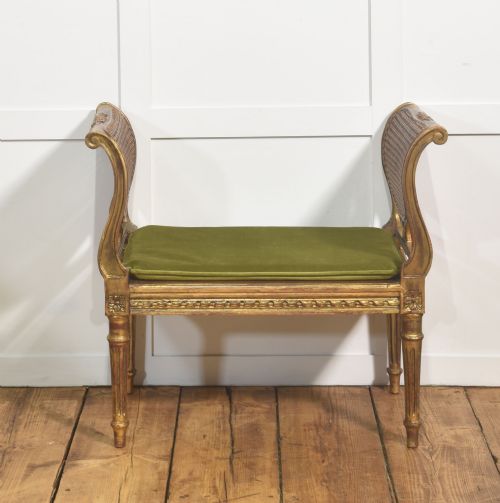
The objects take forms such as dressing table stools, piano stools, and small benches with upholstered or cane tops. Mahogany, walnut, and rosewood structures dominate the selection, often carrying stylistic traits from the Georgian, Victorian, and Edwardian periods.
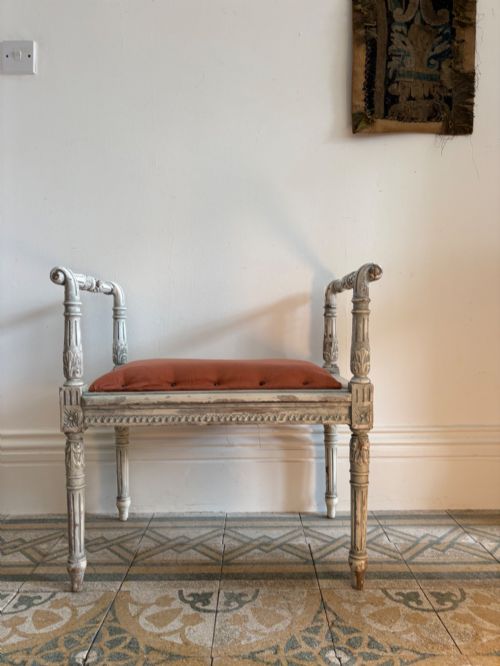
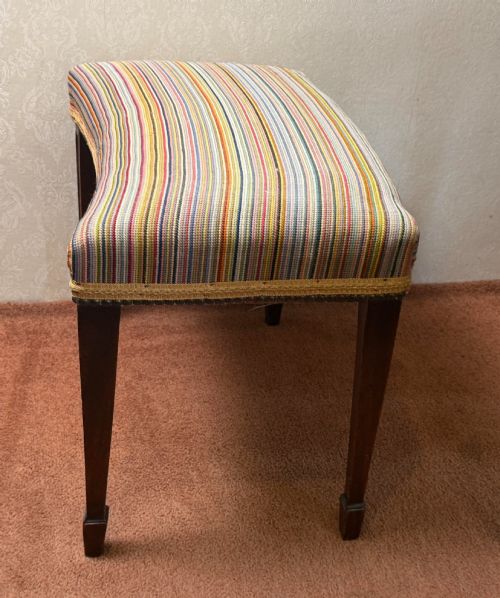
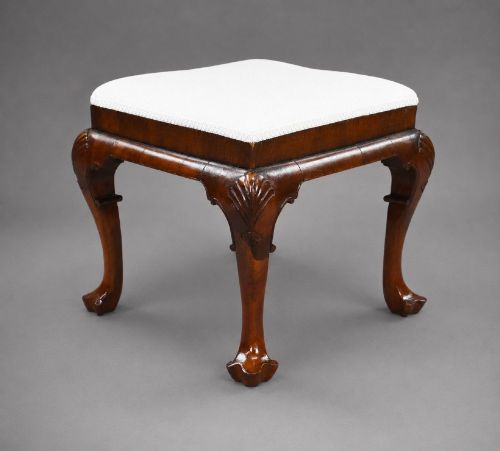
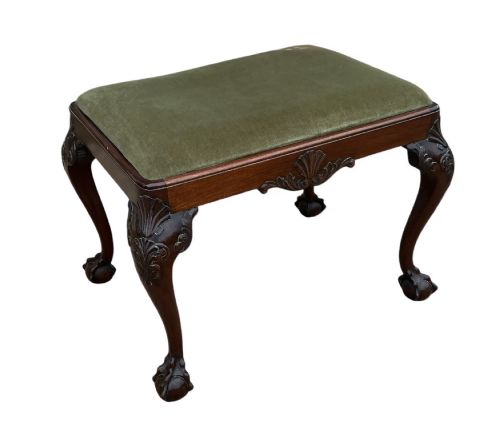
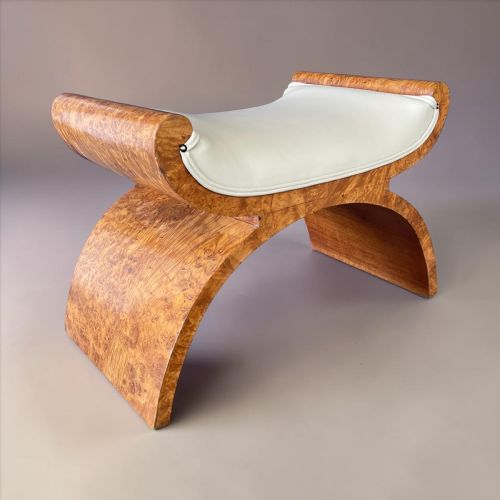
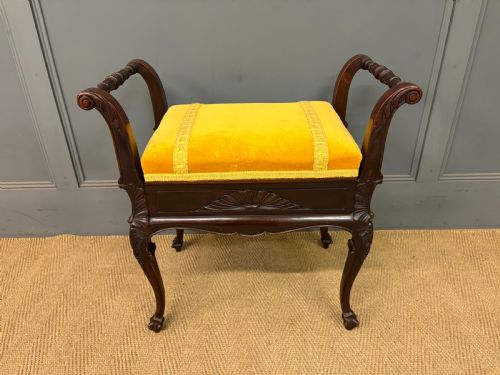
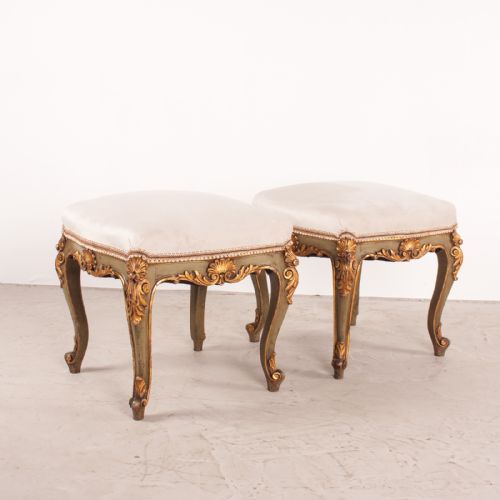
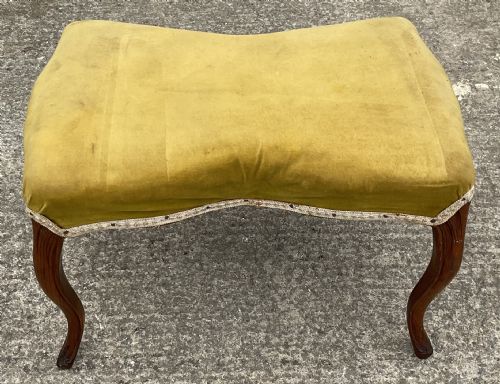
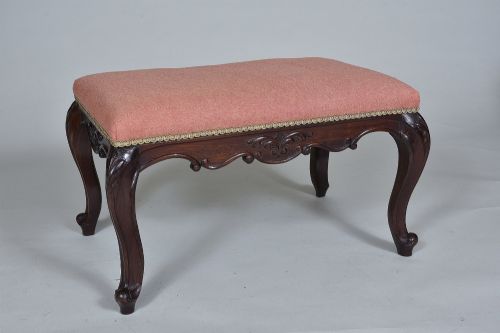
You are most likely to encounter twentieth century Art Deco examples in walnut and maple, alongside nineteenth century mahogany pieces resting on cabriole or square tapering legs. Continental painted finishes and giltwood frames also appear among the varied offerings.
How they were made
Cabinetmakers constructed the frames using dense hardwoods like mahogany and walnut, employing traditional joinery such as mortise and tenon. Turning, carving, and cross-banding shaped the legs and rails, visible in styles ranging from Queen Anne to Rococo.
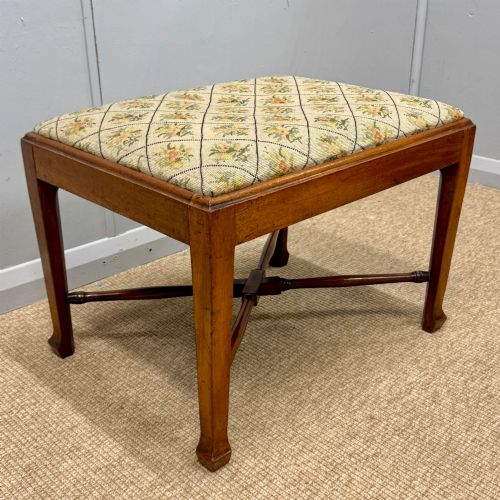
Seating surfaces relied on textile upholstery, leather, silk, velvet, or cane work laced into wooden frames. Makers secured these coverings over padding or webbing, occasionally incorporating hinged lids to conceal internal storage.
Listings feature woods including mahogany, walnut, rosewood, satin birch, sycamore, and birds-eye maple across multiple eras.
What varies in quality
The refinement of the timber and the crispness of the hand carving separate standard pieces from exceptional ones. Figured veneers, such as birds-eye maple and rich walnut grains, indicate a higher grade of craftsmanship.
Structural integrity depends on the tightness of the frame joints and the quality of the secondary timbers used underneath. The execution of upholstery work, from needlepoint to leather finishing, further distinguishes the grade of each piece.
Harry and Lou Epstein
The Vanity Bench Seat Glossary
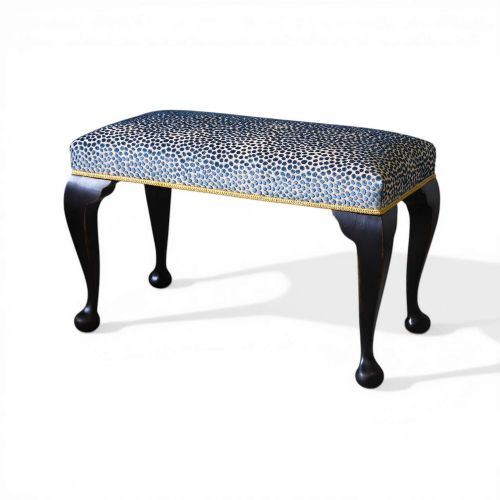
- Cabriole leg
- A furniture leg that curves out and then in, resembling an animal's curving leg. This form appears frequently on eighteenth and nineteenth century stools.
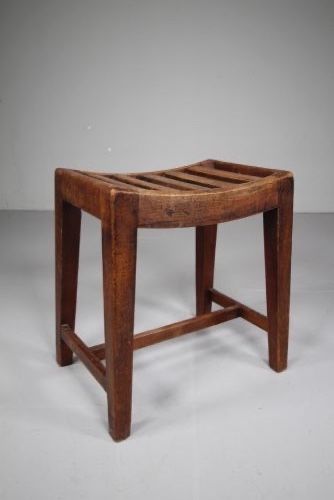
- Cross stretcher
- Wooden bars running between the legs near the base to provide extra stability. They often intersect in an X shape beneath the centre of the seat.
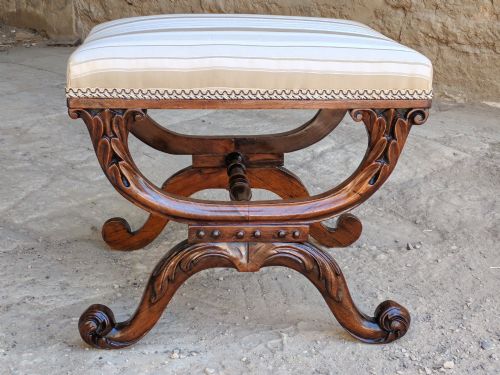
- Curule stool
- An ancient Roman shape featuring intersecting curved legs that form an X frame. Nineteenth century makers revived this classical design in giltwood and gesso.
- Caning
- Woven rattan material used to create light, open seating panels. It adds texture and breathability to wooden frames.
Vanity Bench Seat: Frequently Asked Questions
What is a vanity bench seat used for?
These low seats function primarily as dressing table companions or piano benches. They offer a comfortable, compact perch for personal grooming or playing music.
Their modest dimensions allow them to tuck neatly beneath tables when not in use. Many owners also employ them as decorative footstools in living spaces.
How do I identify an Art Deco vanity stool?
Art Deco pieces typically feature streamlined geometric shapes and distinct wood selections like birds-eye maple or sycamore. They date from around the nineteen thirties and often include leather upholstery.
Unlike earlier Victorian or Georgian versions, these twentieth century designs avoid ornate carving in favour of clean, polished surfaces and occasionally built-in storage compartments.
Are these seats suitable for daily use?
Most antique stools are structurally robust enough for everyday seating if the wooden frame remains tight. Traditional joinery ensures they handle regular weight without failing.
However, delicate antique textiles or vintage leather tops may require careful handling or gentle maintenance to preserve their original appearance over time.
How do I tell a Georgian stool from a Victorian one?
Georgian stools often display lighter mahogany frames with square tapering legs or restrained stylistic nods to Chippendale and Sheraton designs. Their lines tend to remain crisp and straightforward.
Victorian examples frequently introduce heavier walnut frames, darker finishes, and more elaborate cabriole legs or twisted rope turnings reflecting mid nineteenth century tastes.