


Carved Mahogany Ottoman
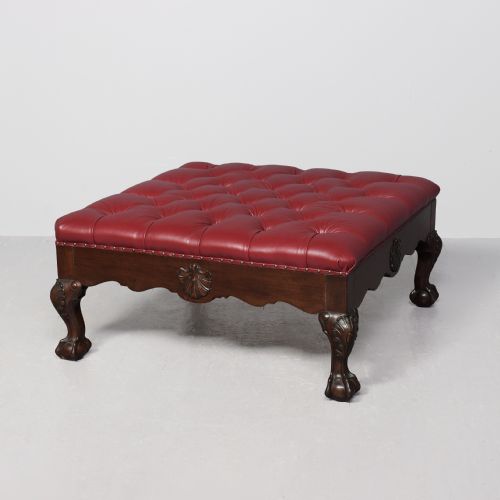
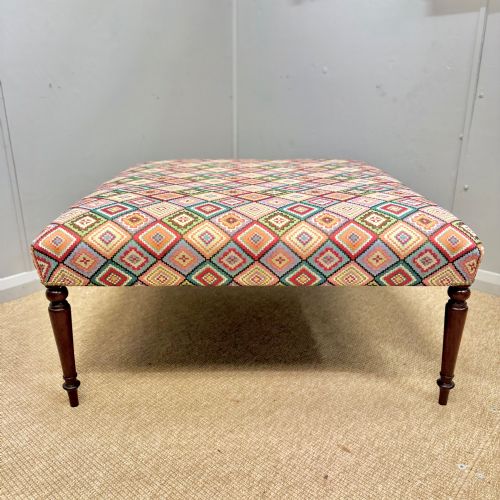
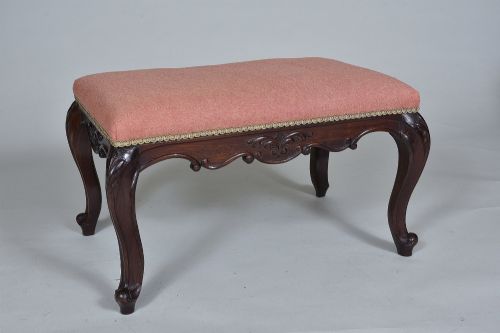
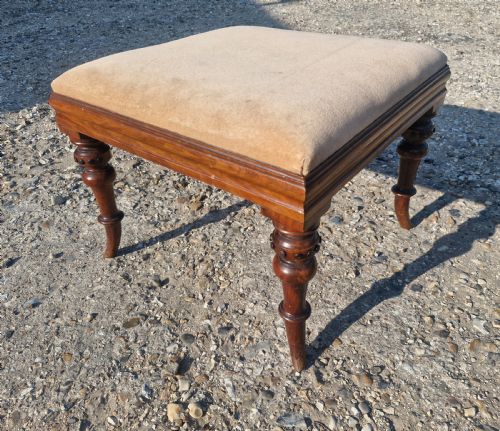
These carved mahogany ottoman pieces combine solid timber frames with upholstered tops, offering a practical seat or footrest for the traditional interior.
Carved Mahogany Ottoman
When you search for a carved mahogany ottoman, you encounter a selection of traditional seating forms including footstools, long benches, and occasional seats. The pieces span periods from the eighteenth century through the Victorian era and into the early twentieth century.
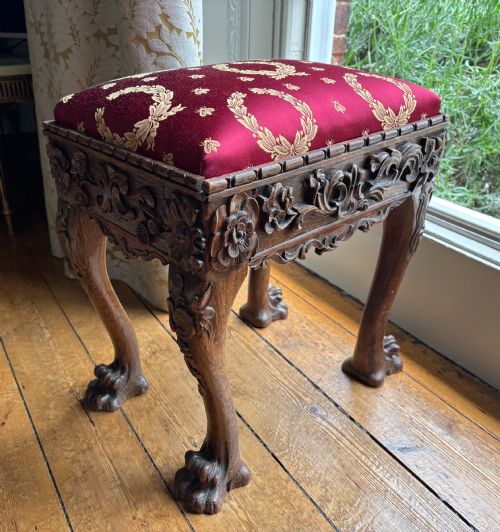
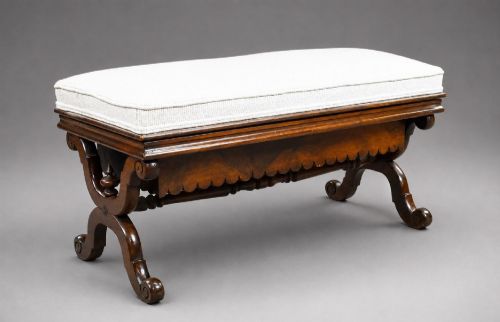
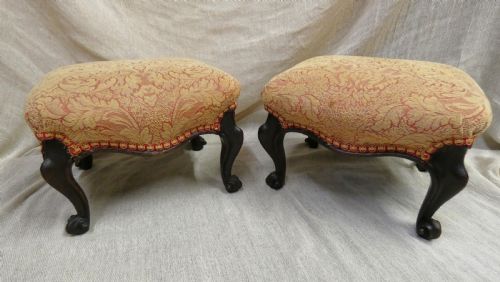
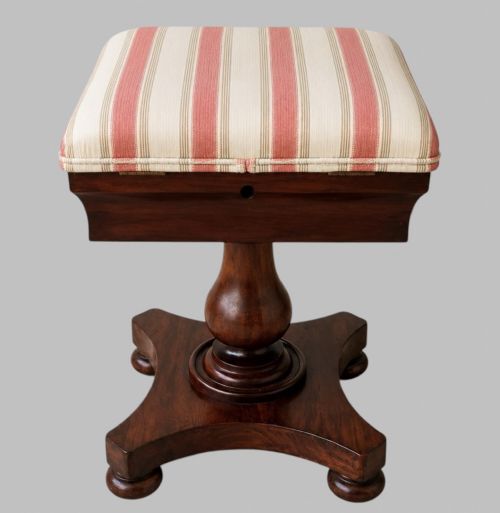
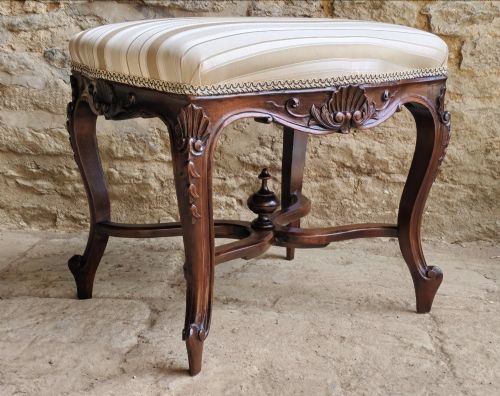
Victorian and revival pieces dominate the selection, often taking the form of footstools or dressing table seats with elaborate frame carving. You will also find specific variations like sewing box stools, x-frame stools, and window seats finished in mahogany.
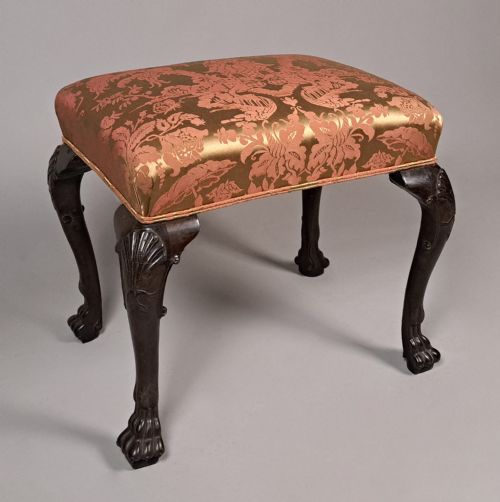
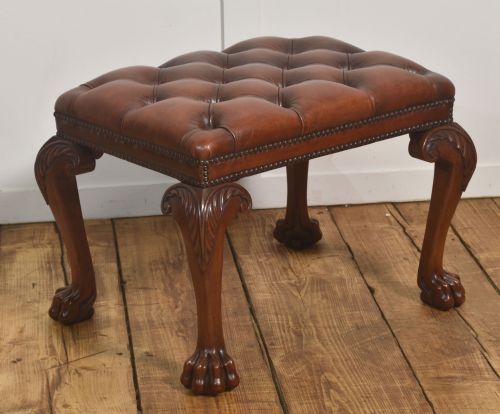
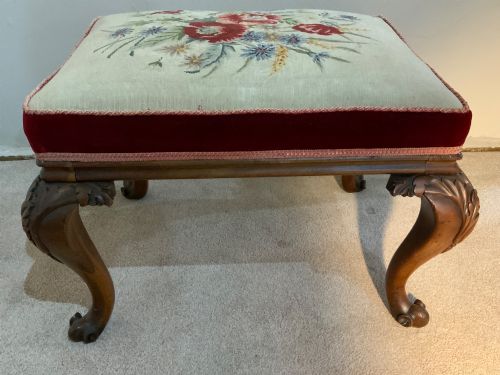
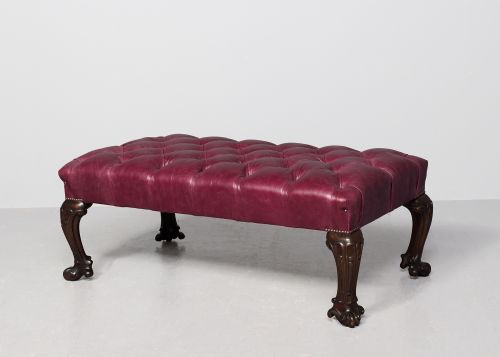
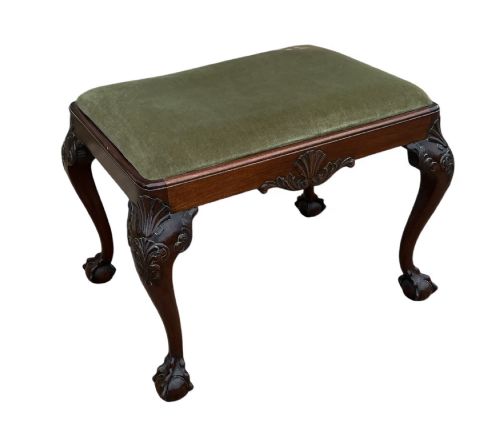
The frames reflect historical design influences such as Chippendale, Georgian, and Regency styles. These encompass carved details ranging from cabriole legs to lions paw feet and ball and claw motifs.
How they were made
The structural framework of each piece relies upon solid mahogany, shaped and carved by hand to form the legs, rails, and decorative borders. Artisans incorporated intricate flourishes such as ball and claw details and cross stretchers into the timber.
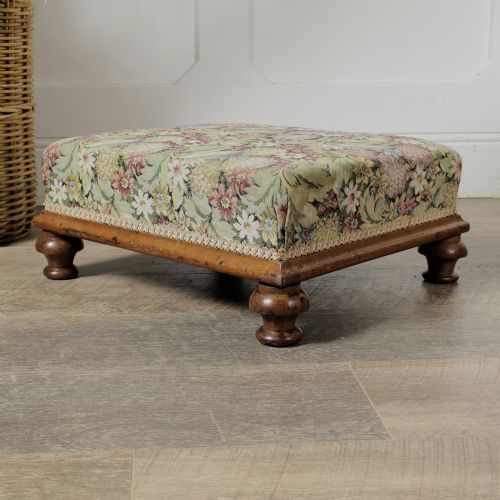
Upholstery techniques involve securing various textiles over padding set within the wooden frame. Workshops utilised materials including leather, hide, velvet, wool, tapestry, and fabric, frequently finished with buttoning or needlepoint.
Carved Mahogany Ottoman Retail Price Guide 2026
Typical asking prices for carved mahogany ottoman among the pieces listed under this phrase on Sellingantiques today, from the lower quarter to the upper quarter. They describe what is for sale here now, not the wider market.
Listings feature mahogany frames paired with diverse textiles including wool, leather, velvet, and tapestry.
What varies in quality
The standard of carving on the mahogany frame dictates much of the visual distinction between examples. Crisp, deeply sculpted details on the legs and edges indicate superior craftsmanship compared to shallow or plain shaping.
The choice and execution of the upholstery materials also separate ordinary items from exceptional pieces. Original needlepoint, premium leathers, and detailed buttoning demonstrate a higher level of initial production and material investment.
The Carved Mahogany Ottoman Glossary
- Cabriole leg
- A furniture leg that curves outward at the knee and tapers inward toward the foot, commonly ending in a pad or carved detail. This form appears frequently on Victorian and revival mahogany stools.
- Cross stretcher
- Wooden bars connecting the legs beneath a stool to provide structural stability and visual balance. They often feature central intersections carved with decorative motifs.
- Needlepoint
- A type of canvas work embroidery used for centuries to cover seat tops. It provides a durable and decorative surface featuring pictorial or geometric designs.
- X-frame
- A structural design where the legs cross in the shape of an X to support the seat. This ancient form reappears in nineteenth-century Irish and Regency revival models.
- Lions paw feet
- Carved furniture terminals shaped to resemble the paw of a lion. They frequently terminate the legs of Regency and Victorian mahogany seating.
Carved Mahogany Ottoman: Frequently Asked Questions
How do I use an ottoman in a room?
These pieces function primarily as footstools before armchairs or sofas, or as standalone seats near dressing tables. Longer examples serve well as window seats or occasional benches.
Their substantial mahogany construction allows them to double as low coffee tables when topped with a flat tray. They fit naturally into drawing rooms, studies, and bedrooms.
Are these pieces from the eighteenth century?
While eighteenth-century originals exist, the majority of pieces belonging to this category date from the Victorian period and later revival eras. Makers during the nineteenth and early twentieth centuries frequently copied Georgian and Chippendale styles.
Examining the timber seasoning, joinery methods, and wear patterns helps determine the actual age of a specific frame. Revival pieces still possess considerable antique age and traditional craftsmanship.
What upholstery fabrics should I expect?
Original and replacement coverings include buttoned red or burgundy hide, traditional wool tapestry, and woven textiles. Needlepoint covers worked in wool are also typical of nineteenth-century examples.
Many pieces have been re-covered over time to suit modern interiors while retaining their antique wooden frames. The choice of fabric often mirrors the revival style of the woodwork.
How do I identify a Regency piece?
Regency and William IV items often feature specific neoclassical motifs, robust mahogany grains, and distinctive terminal feet. Details like lions paw feet point directly toward this early nineteenth-century aesthetic.
Comparison with documented examples from the period helps verify the exact stylistic markers. The proportions tend to be heavy and architectural compared to lighter Edwardian interpretations.