
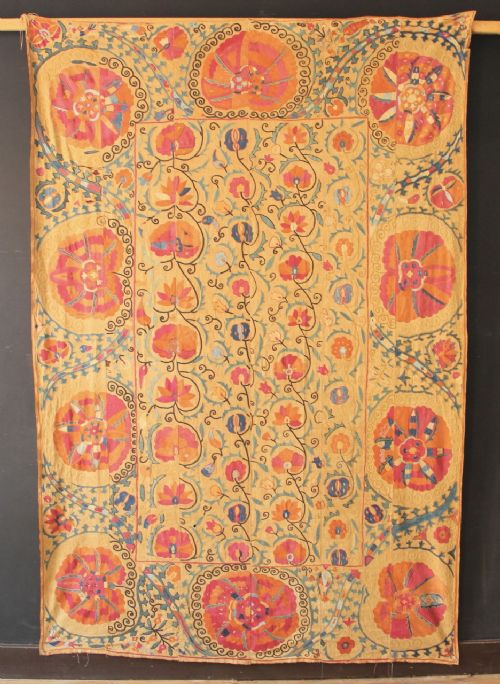


Uzbek Tribal Suzani
An uzbek tribal suzani brings vibrant Central Asian needlework into a room through rich embroidered textiles made for domestic and ceremonial use.
Uzbek Tribal Suzani
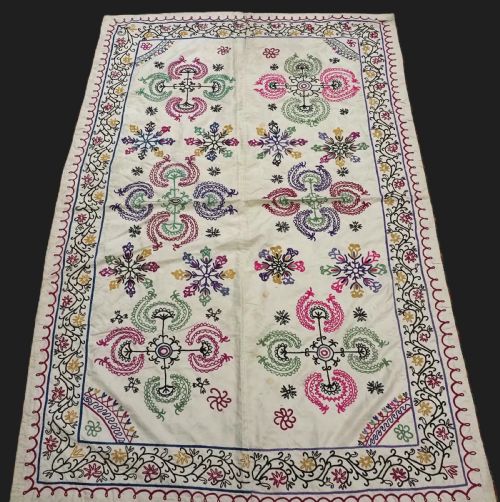
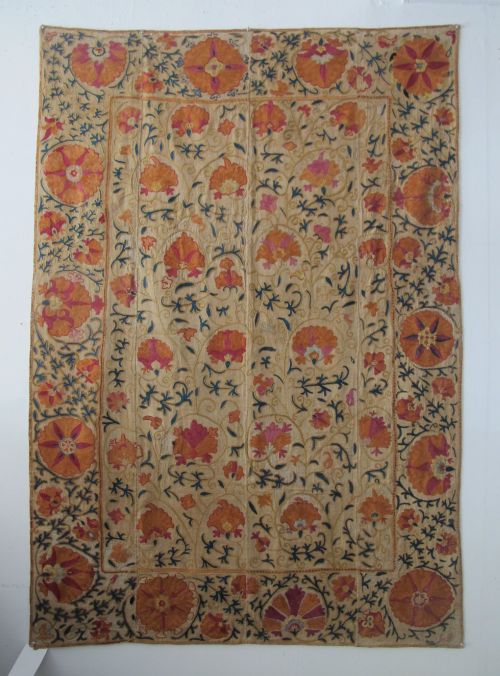
An uzbek tribal suzani encompasses various embroidered wall hangings, dowry pieces, and domestic textiles originating from Central Asia. Pieces span from the mid-nineteenth century through the early twentieth century, reflecting traditional nomadic and regional designs.
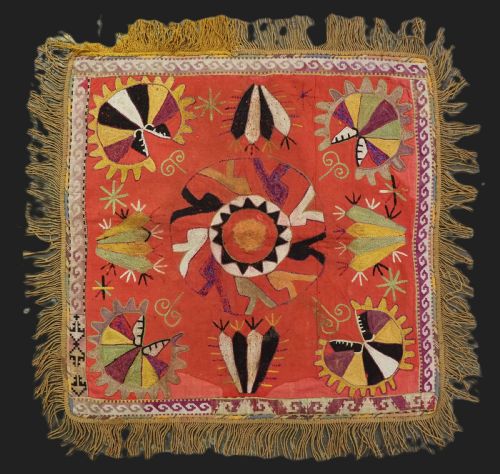
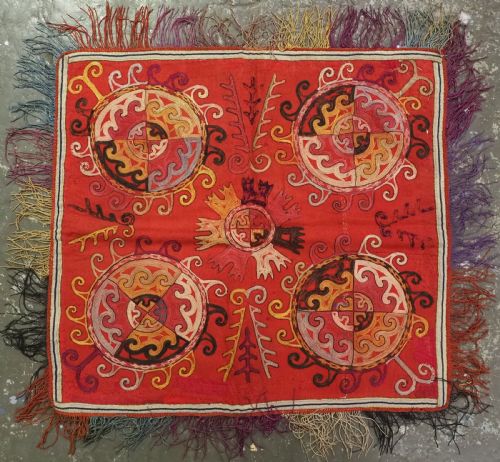
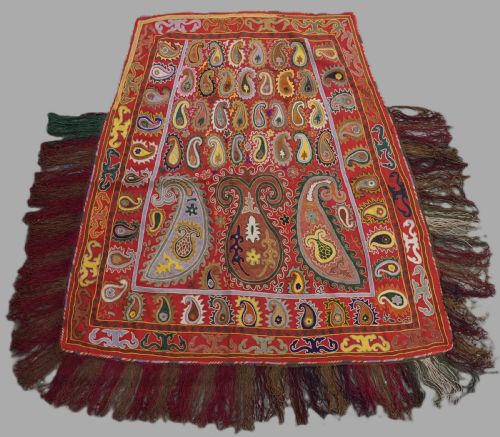
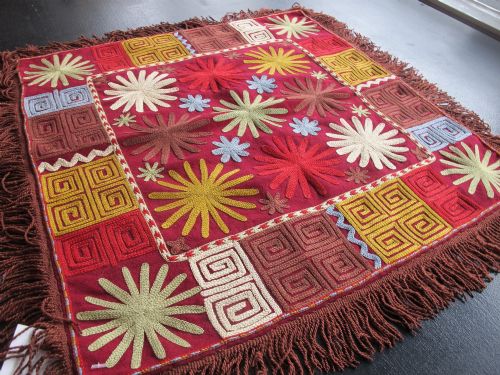
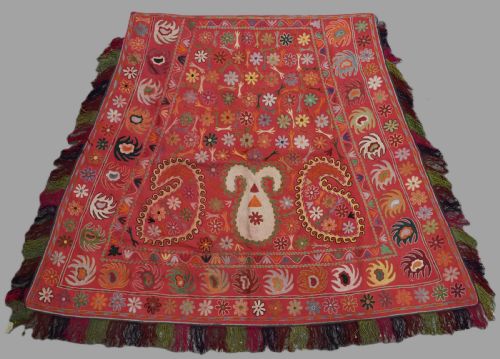
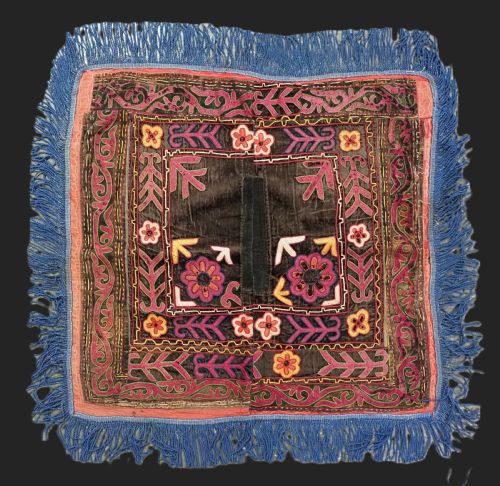
The selection frequently includes smaller specialised formats such as ilgich wall hangings, mirror covers, and ceremonial horse or saddle covers associated with the Lakai tribe. Larger regional panel types from Tashkent, Bukhara, and Shakrisabz also appear regularly alongside smaller format nim suzanis.
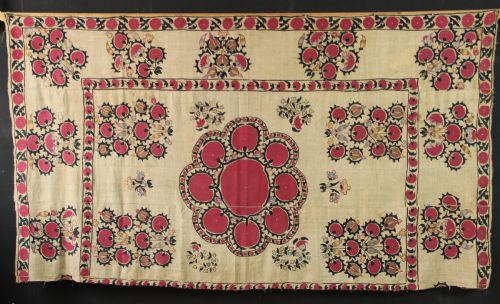
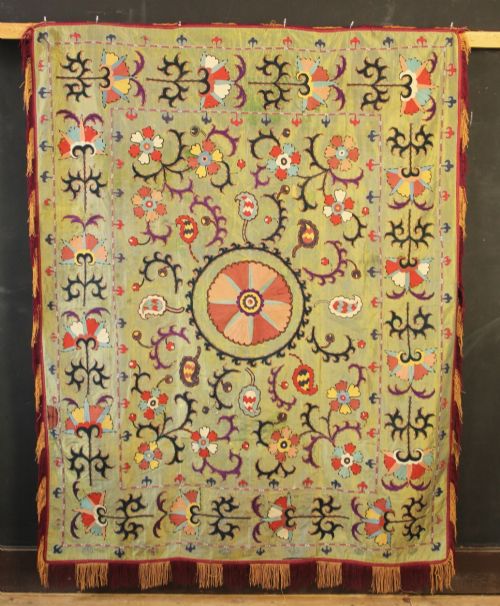
Makers utilised various formats ranging from compact dowry embroideries to substantial medallion variants and kilim-woven hybrids. These textiles served functional roles within traditional dwellings, functioning as wall decorations, bed furnishings, and dowry components.
How they were made
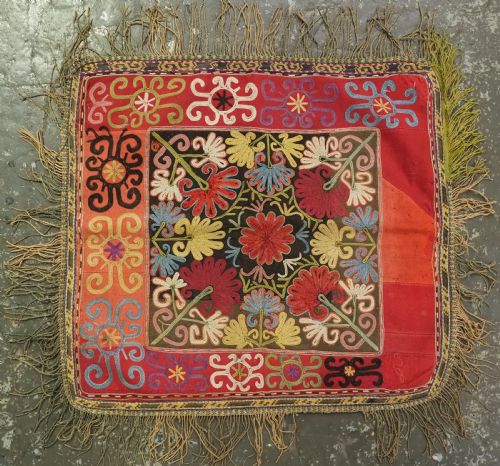
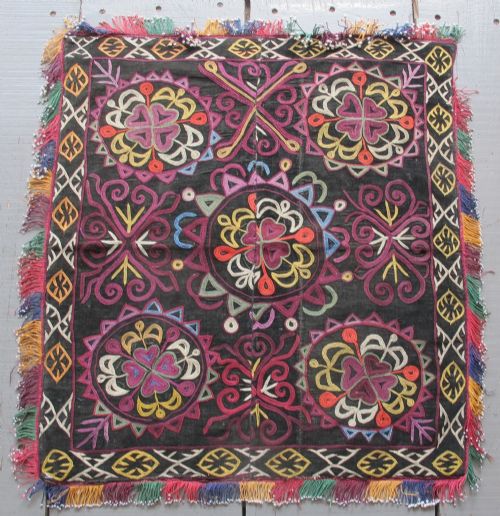
Needlework forms the core of these textiles, executed predominantly with silk thread onto foundational grounds of cotton, wool, or silk. Specific regional examples incorporate contrasting grounds such as mogul red wool or black cotton to frame the embroidery.
Additional decorative elements include glass beads and wool fringes integrated into select tribal pieces. Certain variants combine flatweave kilim structures with embroidered surfaces, demonstrating diverse regional construction methods across Uzbekistan.
Regional attributions represented across the inventory include Tashkent, Bukhara, Shakrisabz, and works attributed to the Lakai tribe.
What varies in quality
The density and complexity of the needlework dictate visual impact, ranging from open compositions to full work panels entirely covered in embroidery. Palak designs with central star motifs and intricate medallion variants demonstrate greater ambition in layout.
Material selection and ground preparation influence the overall character of each textile. The integration of supplementary elements like glass beads, silk fringes, and specific dyed grounds contributes to regional distinctiveness.
The Uzbek Tribal Suzani Glossary
- Suzani
- An embroidered Central Asian wall hanging or domestic textile, traditionally worked in silk on a cotton or linen ground. These pieces often feature large floral medallions and geometric motifs.
- Ilgich
- A small embroidered dowry hanging or wall panel produced by Central Asian tribes, particularly associated with Lakai makers. They served decorative and ceremonial purposes within traditional households.
- Nim Suzani
- A half-size or smaller variant of the standard suzani panel, utilised for specific domestic spaces or furniture decoration. Their compact dimensions distinguished them from full-room wall hangings.
- Palak
- A fully embroidered suzani type dominated by large central star motifs and dense night-sky symbolism. Tashkent workshop examples frequently display this dramatic layout.
- Torba
- A traditional storage bag or hanging panel produced by nomadic groups in Central Asia. They were woven and embroidered for domestic utility within yurt environments.
Uzbek Tribal Suzani: Frequently Asked Questions
What is an uzbek tribal suzani?
An uzbek tribal suzani is a hand-embroidered textile created in Central Asia primarily during the nineteenth and early twentieth centuries. These panels were traditionally stitched by women as part of dowry preparations and domestic furnishings.
Designs range from regional floral medallions created in urban centres like Bukhara and Tashkent to energetic geometric compositions made by nomadic groups such as the Lakai.
How were these textiles used?
Historic households utilised these embroideries primarily as wall hangings, bed decorations, and ceremonial covers. Smaller formats served as mirror covers, amulet pouches, or decorative saddle housings for horses.
Nomadic and settled communities alike displayed them during weddings and significant domestic events as symbols of status and family heritage.
How do I hang a suzani?
Hanging a textile safely requires distributing the weight evenly across the top edge rather than piercing the fabric with direct fixings. A non-damaging method involves sewing a cotton sleeve to the reverse and sliding a flat wooden batten or metal rod through it.
The rod is then secured to the wall, allowing the piece to hang flat without placing stress on the historic silk threads or ground fabric.
How do I care for antique silk embroidery?
Protection from direct sunlight prevents the natural silk threads and dyed grounds from fading over time. Gentle vacuuming through a mesh screen can remove surface dust without disturbing delicate stitches.
Professional textile conservators should handle any significant cleaning or structural repairs to preserve the integrity of the original materials.