
Uzbek Suzani Embroidery
These uzbek suzani embroidery panels are vibrant Central Asian textiles brought home to add texture and history to modern walls.
Uzbek Suzani Embroidery
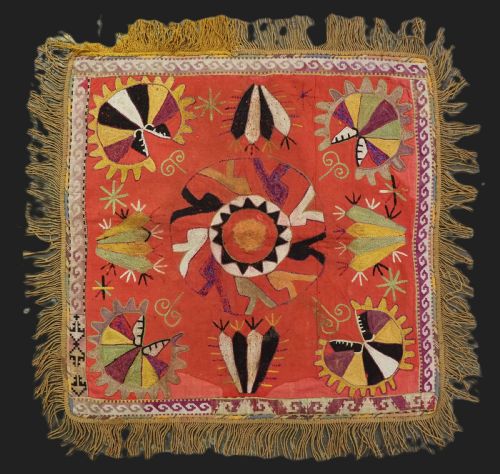
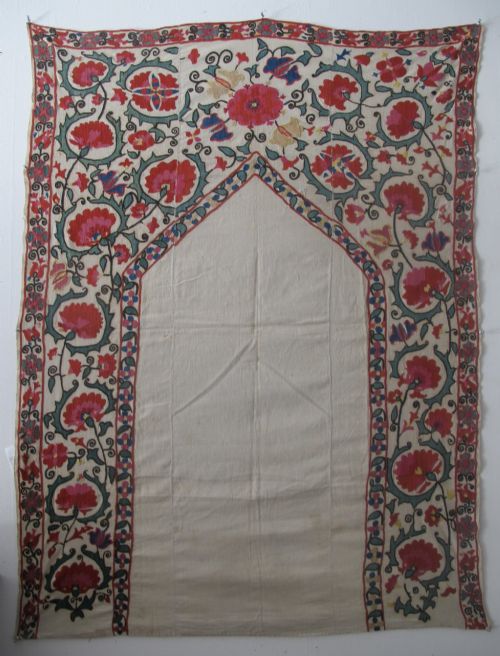
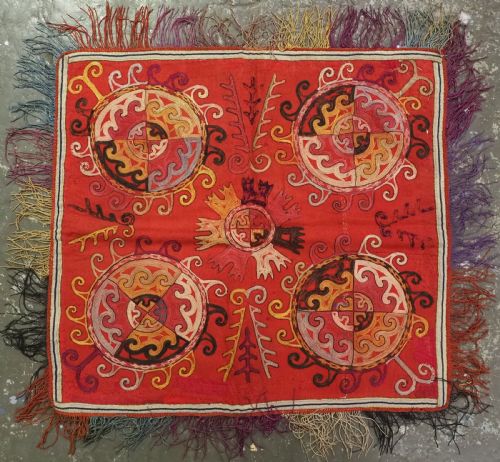
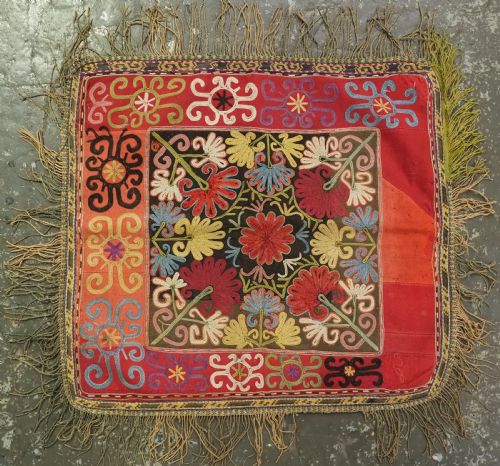
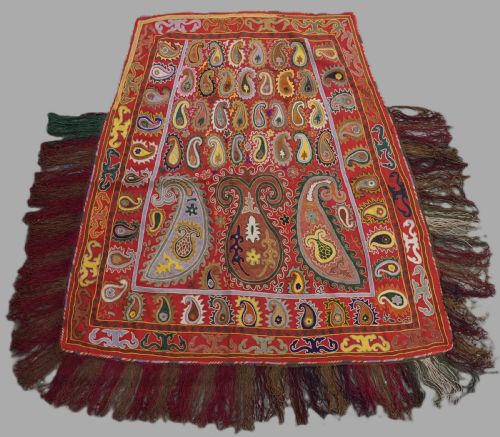
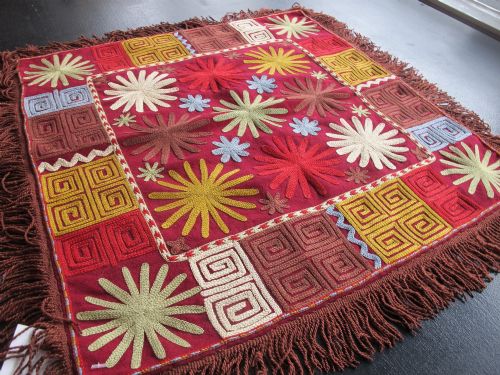
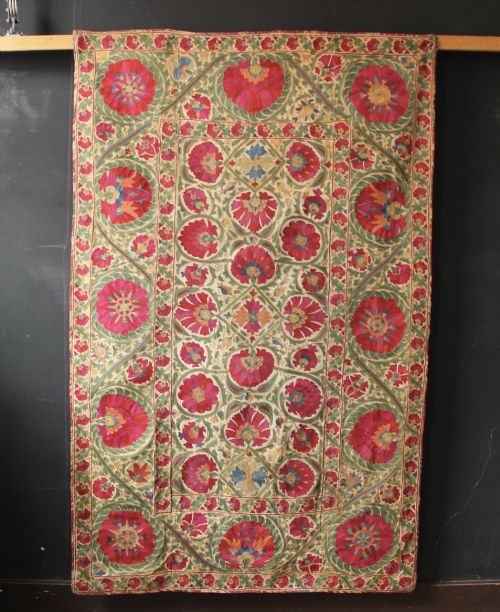
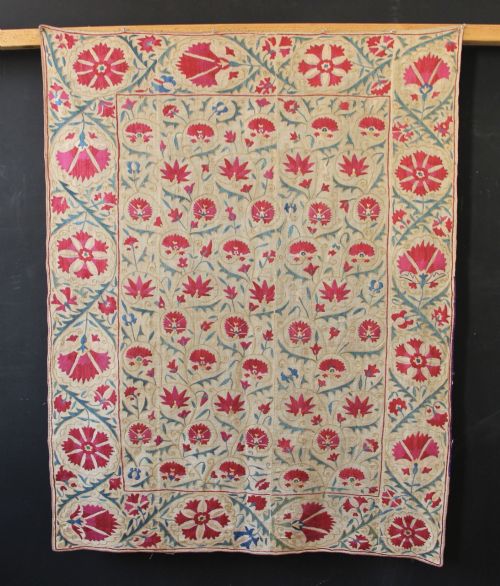
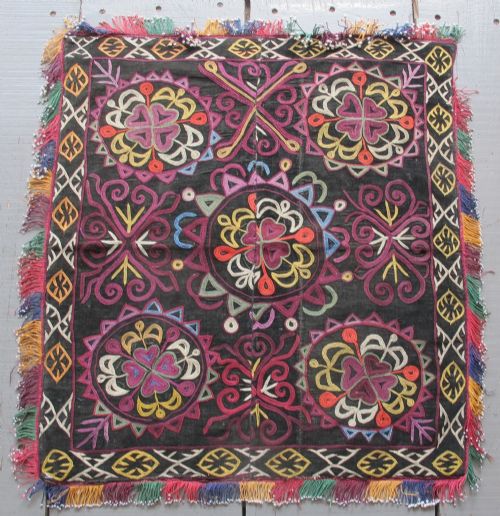
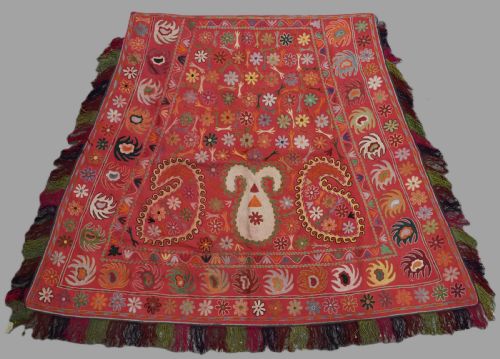
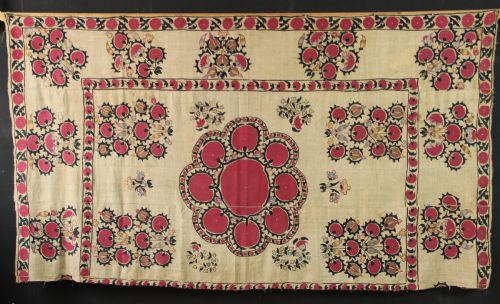
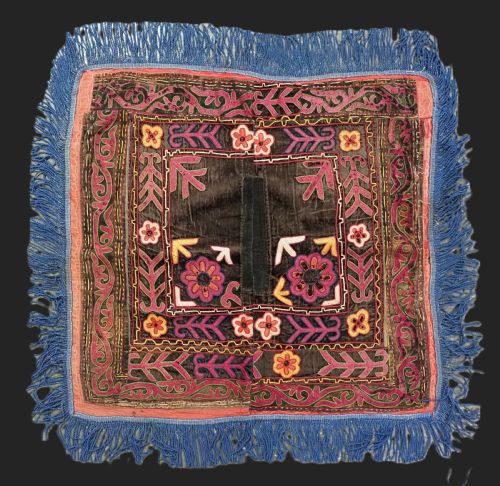
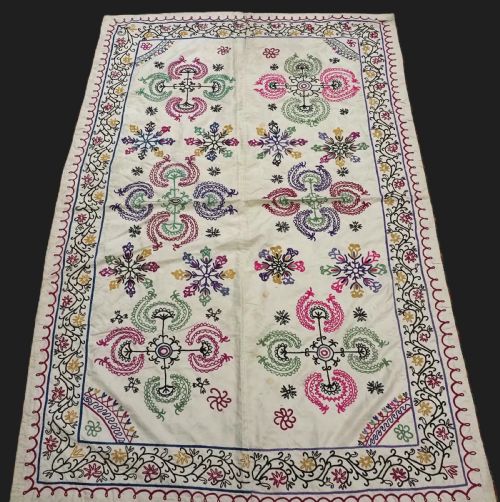
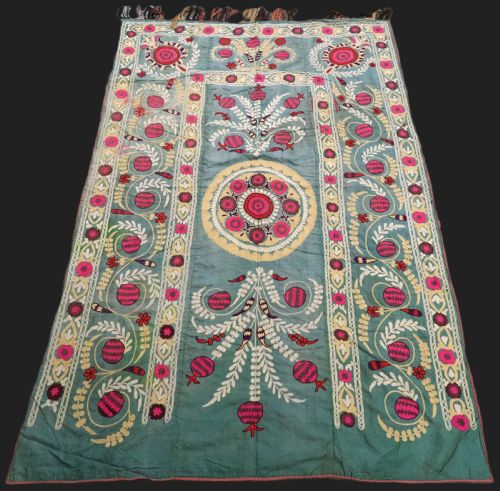
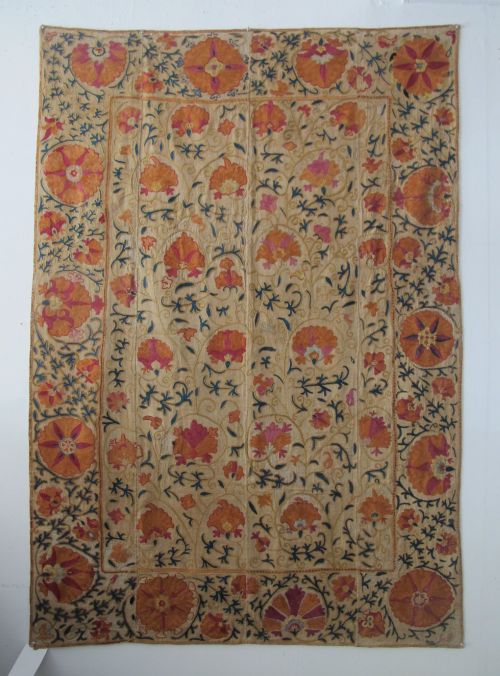
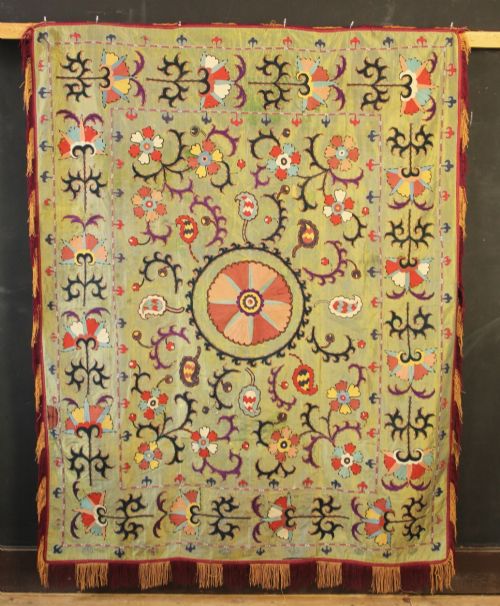
When you search for uzbek suzani embroidery, you are looking at large decorative textiles created across Central Asian regions. These pieces include wall hangings, bed covers, and nim suzanis, which are smaller formats.
The pieces on this page span several decades, featuring items from the mid-nineteenth century up to the early twentieth century. Common stylistic descriptions connect them to traditional Central Asian, tribal, and folk art aesthetics.
Regional varieties appear across the selection, with specific examples originating from Bukhara, Tashkent, and Lakai traditions. These textiles served traditional domestic functions before entering the decorative market.
How They Were Made
Maker execution relies on silk embroidery applied directly to woven foundations. Needlework traditions utilise vibrant threads worked onto supportive backings.
Ground materials recorded in the evidence include plain cotton, silk fabrics, and mixed adras cloth woven from silk and cotton fibres. Embroidery threads consist purely of silk.
Needle techniques build dense pictorial surfaces and traditional geometric or floral motifs. The combination of silk stitching on varied foundation cloths creates distinctive textures.
Uzbek Suzani Embroidery Retail Price Guide 2026
Typical asking prices for uzbek suzani embroidery among the pieces listed under this phrase on Sellingantiques today, from the lower quarter to the upper quarter. They describe what is for sale here now, not the wider market.
Stitching heavy silk threads into simple cotton grounds kept nineteenth-century needles busy through long Central Asian winters.
What Varies in Quality
The density of the needlework separates dense full-work panels from lighter decorative layouts. Stitch coverage determines the visual weight of the textile.
Ground fabric choice introduces variation, moving from simple cotton foundations to rich adras silk-cotton mixes or pure silk grounds. Foundation integrity influences the drape and longevity of the panel.
Colour retention and the complexity of the traditional design execution dictate the visual impact of each piece. Surviving examples demonstrate diverse palettes ranging from green grounds to red and yellow bases.
The Uzbek Suzani Embroidery Glossary
- Nim Suzani
- A smaller scale version of the traditional suzani textile, often taking up less wall space while maintaining full embroidery detail. These smaller formats suit compact interiors.
- Adras
- A traditional woven fabric combining silk and cotton fibres to form a sturdy ground cloth. This material frequently serves as the base for heavy silk embroidery.
- Lakai
- A distinct tribal subgroup within Central Asia known for specific embroidery styles and design layouts. Lakai pieces often feature bold geometric interpretations.
Uzbek Suzani Embroidery: Frequently Asked Questions
How were uzbek suzani embroidery pieces used?
These textiles served practical and decorative functions within Central Asian homes as bed covers and wall furnishings.
Today, collectors primarily mount them as decorative wall hangings to display the dense silk embroidery.
What materials make up uzbek suzani embroidery?
The pieces consist of silk embroidery threads worked meticulously across woven foundation fabrics.
Ground materials recorded include cotton, pure silk, and adras cloth woven from mixed silk and cotton.
How do regional suzani types differ?
Origin locations like Bukhara and Tashkent identify specific stylistic traditions within Central Asian textile arts.
Design layouts and colour choices vary between these regional centres and tribal groups like the Lakai.
How are these antique textiles dated?
Dating relies on recorded archival data linking pieces to specific decades between eighteen-sixty and nineteen-thirty.
Stylistic markers and material analysis help place individual textiles within this broader historical timeline.
What is a nim suzani?
A nim suzani is simply a smaller format version of the standard full-size textile hanging.
These compact pieces offer the same silk embroidery work in dimensions that fit smaller wall spaces.