

Upholstered Vanity Bench
An upholstered vanity bench provides a low, padded seat for a dressing table, combining useful bedroom seating with period character.
Upholstered Vanity Bench
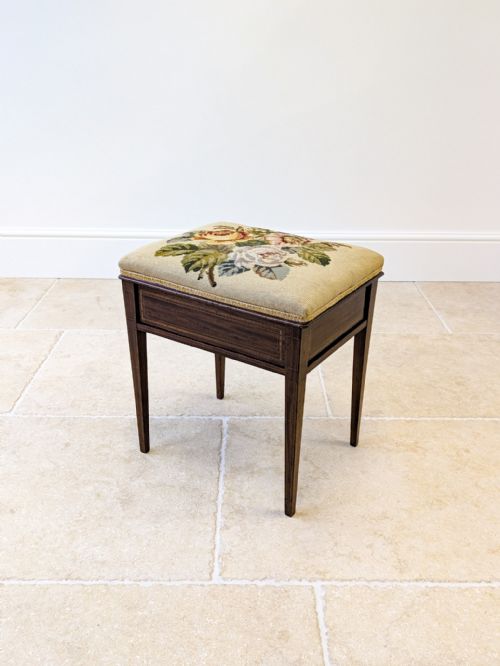
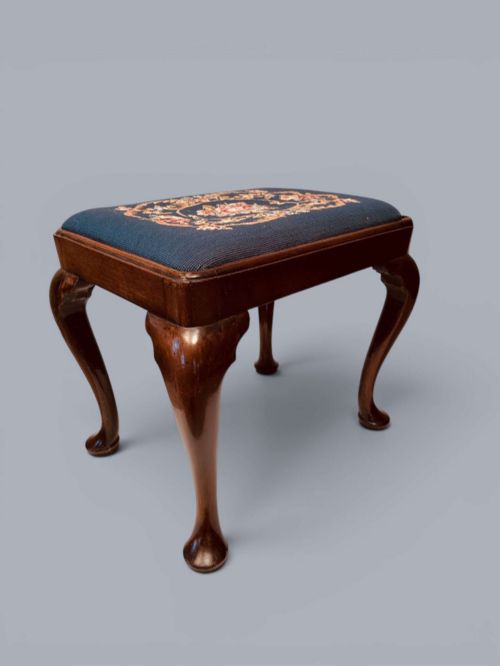
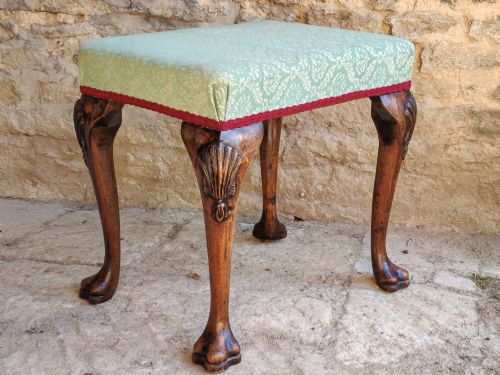
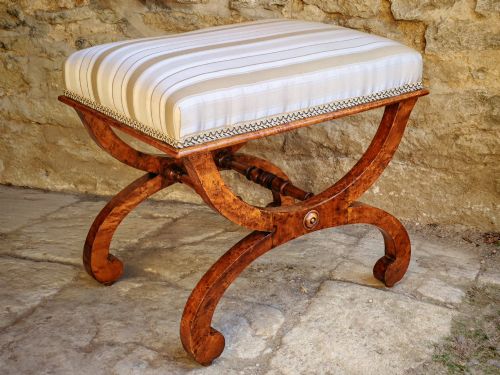
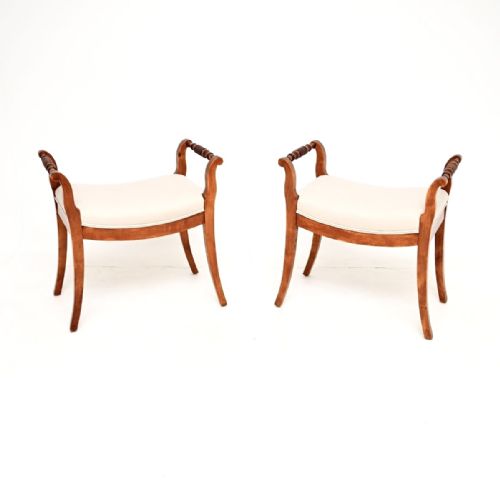
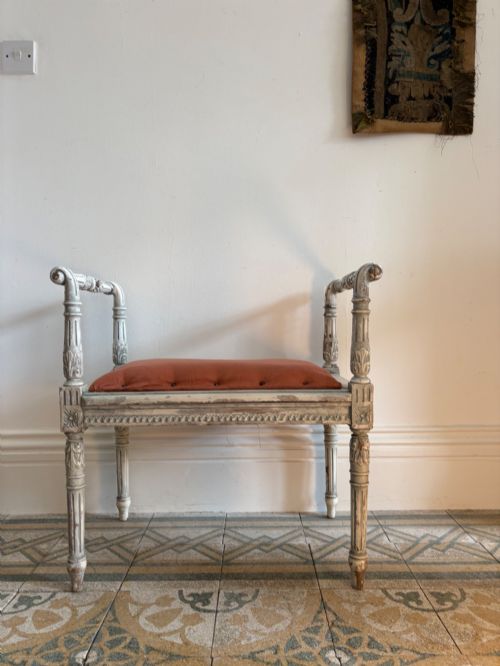
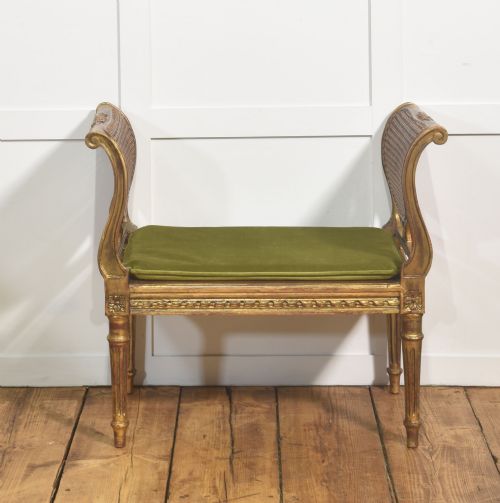
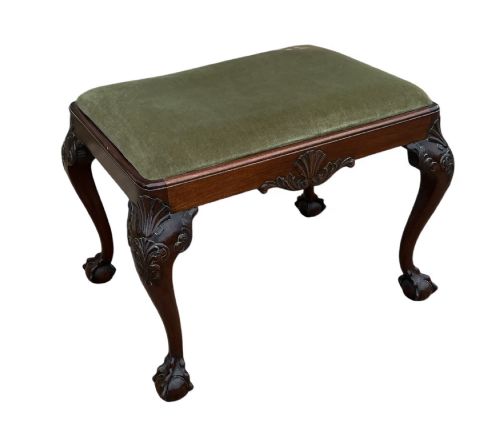
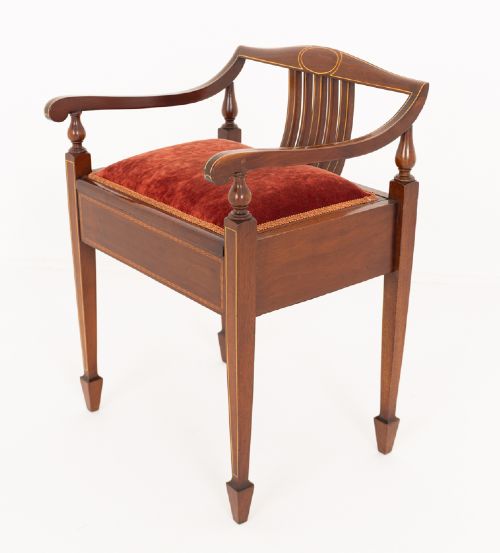
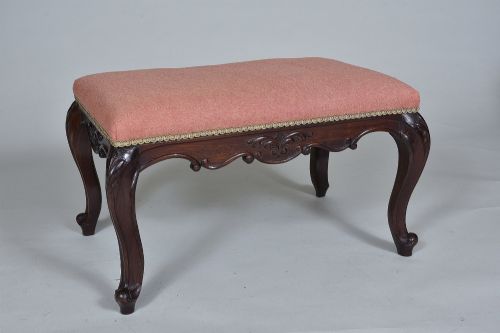
When you search for an upholstered vanity bench, you encounter a variety of compact seating pieces primarily designed for dressing tables and bedrooms. The selection on this page ranges from 18th-century mahogany examples to Edwardian and Art Deco designs from the 1930s.
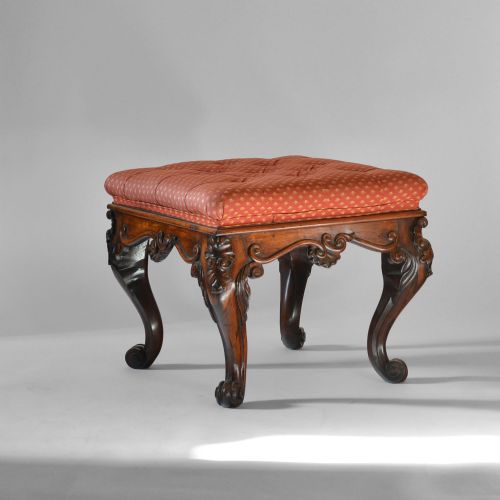
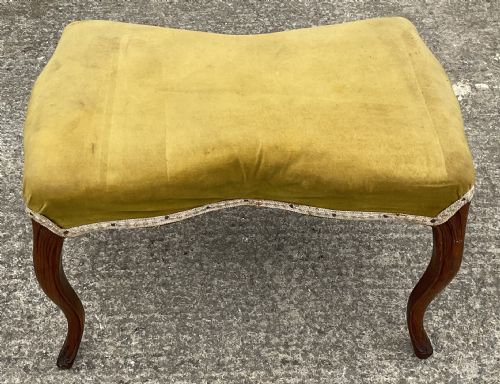
Most pieces take the form of dressing table stools or piano stools with fabric, velvet, leather, or silk seats. Frames are constructed from timber such as mahogany, walnut, rosewood, and painted wood, often shaped in Victorian, Edwardian, or Art Deco styles.
How they were made
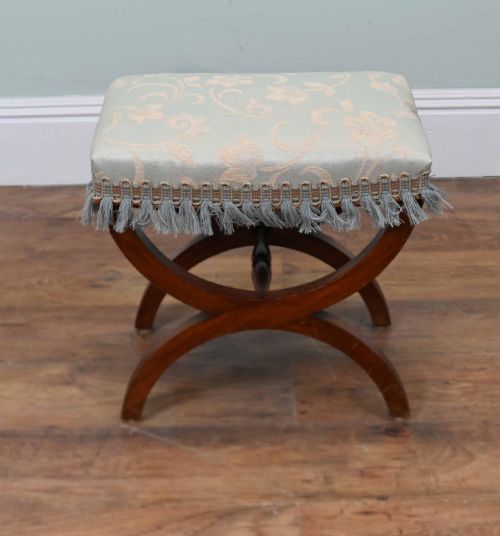
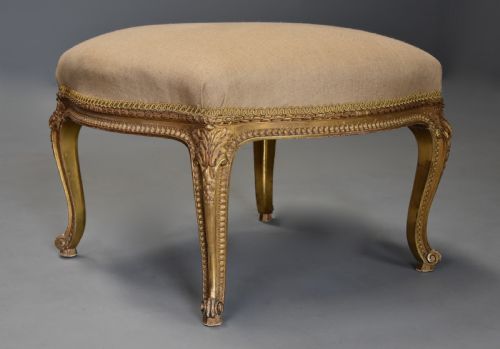
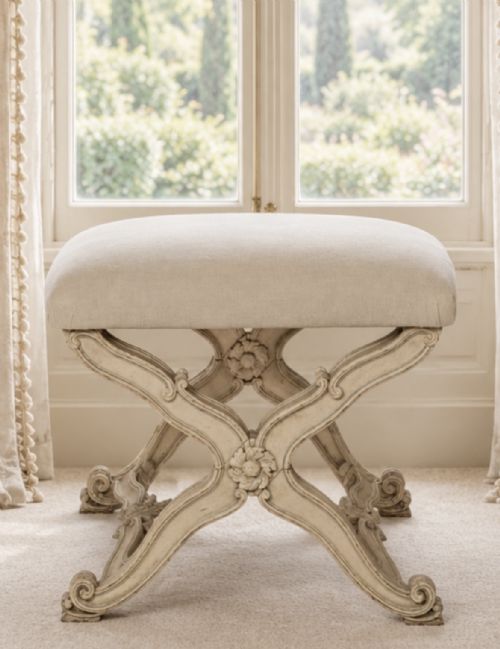
Cabinet makers utilised solid hardwoods including mahogany, walnut, and rosewood for the frames, frequently carving cabriole legs, cross stretchers, or turned supports. Joinery techniques ensured sturdy construction for frequent domestic use.
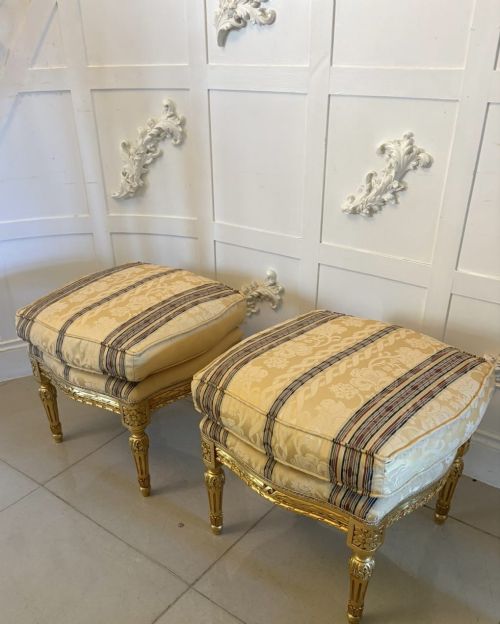
Upholstered seats were padded over traditional webbing or frames using textiles, silk, velvet, or leather. Decorative elements such as giltwood, painted finishes, brass details, and cane work were applied according to the prevailing style of the period.
Upholstered Vanity Bench Retail Price Guide 2026
Typical asking prices for upholstered vanity bench among the pieces listed under this phrase on Sellingantiques today, from the lower quarter to the upper quarter. They describe what is for sale here now, not the wider market.
Listings span the 18th, 19th, and 20th centuries, featuring Victorian, Edwardian, and Art Deco styles.
What varies in quality
The standard of carving and timber selection determines the distinction between ordinary production and finer cabinet work. Dense grain in walnut or mahogany and crisp execution of details like cabriole legs or giltwood enrichment indicate superior craftsmanship.
The integrity of the frame construction and the preservation of original or sympathetic upholstery materials dictate the overall character. Pieces retaining period textiles or high-grade leather demonstrate greater adherence to their original design.
Harry & Lou Epstein
The Upholstered Vanity Bench Glossary
- Cabriole leg
- A furniture leg that curves outward at the knee and tapers inward toward the foot, commonly found on Victorian and Georgian pieces.
- Cross stretcher
- Wooden bracing members connecting the legs beneath a stool to provide structural rigidity and visual balance.
- Giltwood
- Wood that has been treated with a thin layer of gold leaf or gold paint to create a decorative metallic finish.
- Ebonised
- Timber treated with a dark stain or finish to imitate the appearance of ebony.
- Needle point
- A type of counted thread embroidery often utilised for durable and decorative seat covers on antique stools.
Upholstered Vanity Bench: Frequently Asked Questions
What rooms suit an upholstered vanity bench?
These compact seats fit naturally beside dressing tables in bedrooms, serving a practical purpose while adding period detail. Their low profile also allows them to function as piano stools or occasional seats in living spaces.
Because they take up minimal floor space, they move easily between rooms as needed. Their varied styles, from Edwardian mahogany to Art Deco walnut, let them integrate with diverse interior schemes.
How do I identify the period of a stool?
Dating relies on examining the timber, leg shapes, and upholstery methods used in the frame. Victorian examples often feature heavy mahogany or walnut with cabriole legs, while Edwardian pieces lean toward turned legs and ebonised finishes.
Art Deco versions from the 1930s typically display geometric lines, figured walnut, or birds-eye maple. Comparing these structural characteristics against known stylistic eras clarifies the age of the piece.
Were these benches originally used for pianos?
Many surviving examples served dual purposes as piano stools and dressing table seats. Their adjustable heights or padded tops made them suitable for sitting comfortably at keyboard instruments.
Over time, owners repurposed these versatile items for bedrooms and dressing rooms. Their compact dimensions made them equally useful for sitting while grooming or playing music.
How should I care for antique upholstery?
Preserving fabric or leather seats involves gentle dusting and avoiding direct sunlight to prevent fading. Original textiles require careful handling, whereas newer replacement covers tolerate routine maintenance better.
Maintaining the surrounding wood frame with appropriate polish keeps the timber nourished. Ensuring the seat supports remain stable prevents undue stress on the antique joinery.