



1930s Dressing Seat
These 1930s dressing seat examples offer quintessential Art Deco design and practical bedroom seating for modern interiors.
1930s Dressing Seat
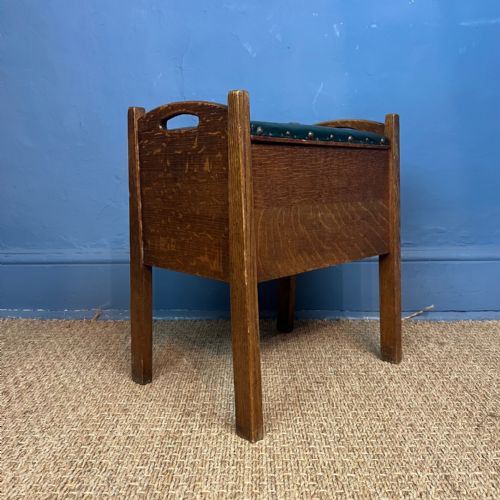
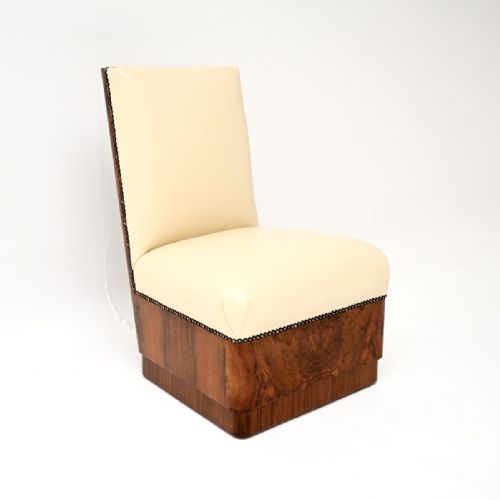
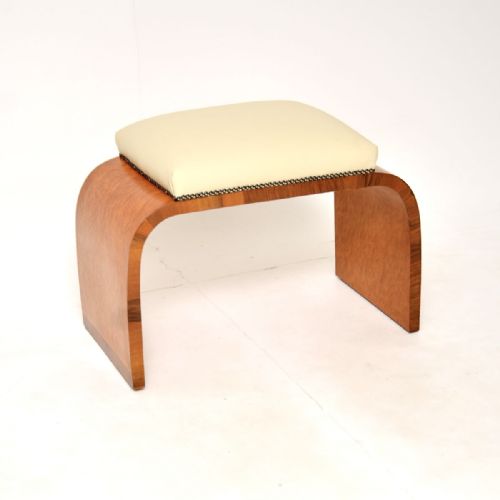
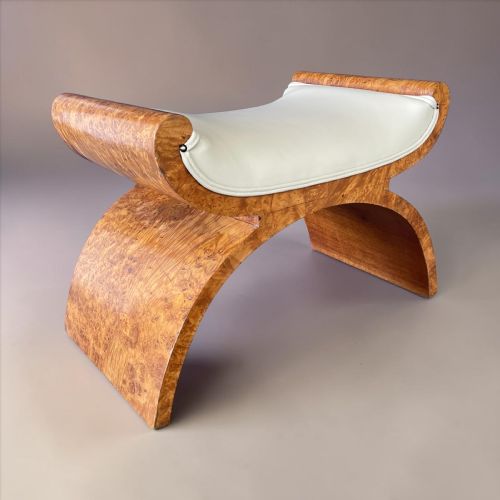
A 1930s dressing seat is a compact stool or small chair designed specifically for use at a dressing table, though many examples double as piano stools or side chairs. When you search for a 1930s dressing seat, you find low-profile seating built to slide neatly beneath furniture when not in use. These pieces belong firmly to the Art Deco period, carrying the characteristic geometric lines and curved profiles of the era.
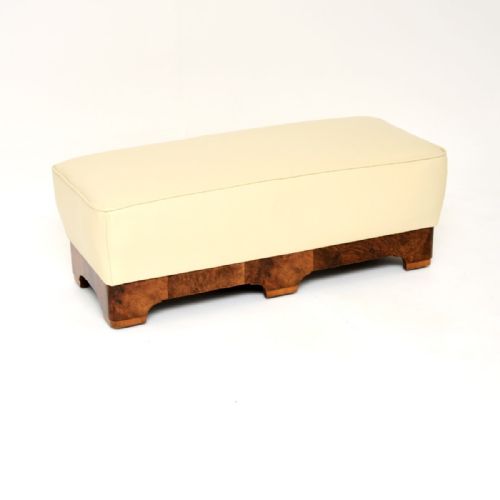
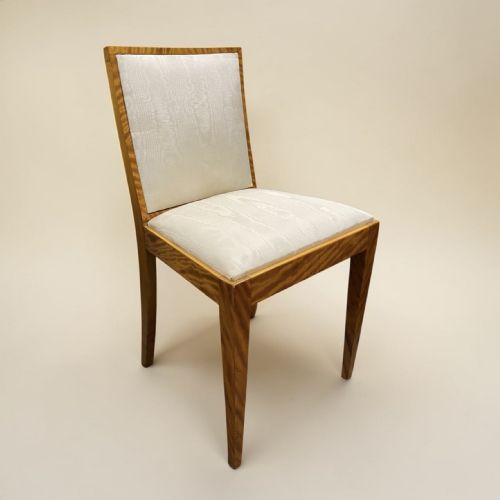
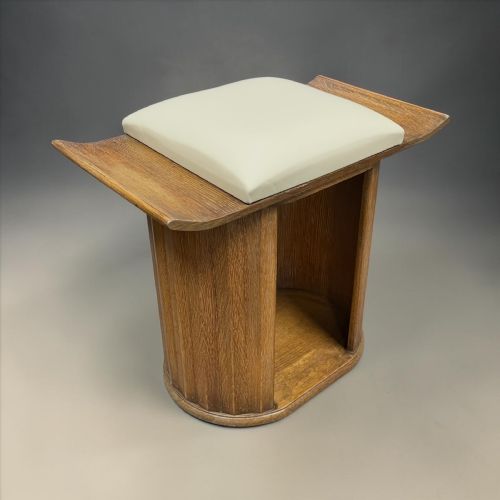
The selections available range from simple rectangular stools to drum-shaped oak pieces with built-in storage. You will encounter bedroom chairs and dressing table stools alongside occasional side chairs from the same decade. Most pieces reflect English workshops of the 1930s, constructed to complement matching dressing tables of the period.
Materials and construction
Makers of the 1930s relied heavily on rich hardwoods and striking veneers to achieve the signature Art Deco look. Burr walnut, figured walnut, birds-eye maple, sycamore, and oak form the wooden structures of these seats, often polished to a high sheen to display the grain. Metal elements appear occasionally for structural support or decorative accent.
Upholstery plays a central role, with original or renewed coverings in leather, velvet, and various patterned fabrics. Certain models incorporate clever internal storage compartments beneath the seat lids, combining cabinetry skills with upholstery. Frames are joined solidly, reflecting the robust cabinet-making standards of English workshops.
1930s Dressing Seat Retail Price Guide 2026
Typical asking prices for 1930s dressing seat among the pieces listed under this phrase on Sellingantiques today, from the lower quarter to the upper quarter. They describe what is for sale here now, not the wider market.
One recorded stool witnessed a royal coronation before finding its way to the dressing room.
Judging quality in 1930s seating
The distinction between standard production and top-tier work rests largely on the choice of timber veneer and the prestige of the maker. Master cabinet makers selected burr walnut and birds-eye maple with exceptional natural figuring, wrapping the grain seamlessly around curves and corners. Lesser examples utilise simpler woods like plain oak or standard walnut without the same decorative impact.
Execution of detail also separates the grades. Pieces produced by notable firms exhibit refined joinery, superior polishing, and substantial framing that withstands decades of daily use. The integration of storage mechanisms and the neatness of upholstery work further define the upper tier of these dressing seats.
Harry and Lou Epstein·Bath Cabinet Makers·Hille·B. North and Son
The 1930s Dressing Seat Glossary
- Art Deco
- A design style spanning the 1920s and 1930s characterised by streamlined shapes, geometric ornamentation, and modern industrial materials. In seating, this translates to clean silhouettes and curved wooden frames.
- Burr Walnut
- A highly prized wood veneer taken from the growth growths of walnut trees, yielding intricate, swirling patterns. Furniture makers used it on prominent surfaces for dramatic visual effect.
- Birds Eye Maple
- A figure in maple wood that resembles tiny, swirling eyes disrupting the grain. It provides a pale, distinctive contrast to darker woods in Art Deco interiors.
- Dressing Table Stool
- A low, backless seat built to fit underneath a dressing table. These stools often feature upholstered tops in leather or fabric.
1930s Dressing Seat: Frequently Asked Questions
Can I use a dressing seat as a piano stool?
Many examples from this era served dual purposes as dressing table and piano seating due to their matching height and proportions.
Some models even include internal storage compartments beneath the seat top for sheet music or bedroom accessories.
What woods are typical for these seats?
Makers favoured rich veneers such as burr walnut, figured walnut, and birds-eye maple to create striking surface patterns.
Solid oak and sycamore also appear frequently, particularly in simpler domestic designs from the decade.
Do these seats have storage space?
Certain drum-shaped and rectangular variants incorporate hidden compartments beneath the upholstered lids for small items.
This practical feature allowed makers to combine comfortable seating with discreet bedroom storage.
How do I identify an Art Deco stool?
Look for characteristic geometric forms, curved wooden frames, and the prominent use of exotic wood veneers.
Upholstery often uses leather, velvet, or floral fabric coverings that reflect 1930s interior tastes.