
Upholstered Two Seater
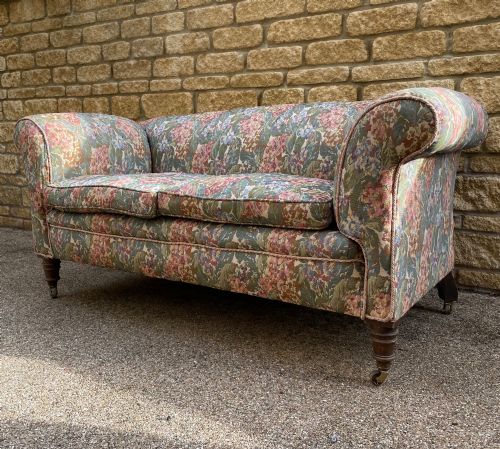
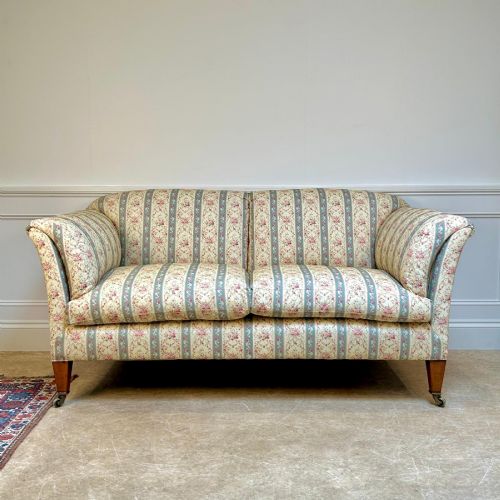
When you search for an upholstered two seater, you are looking for a compact seating piece designed for two people, combining timber frames with soft fabric coverings.
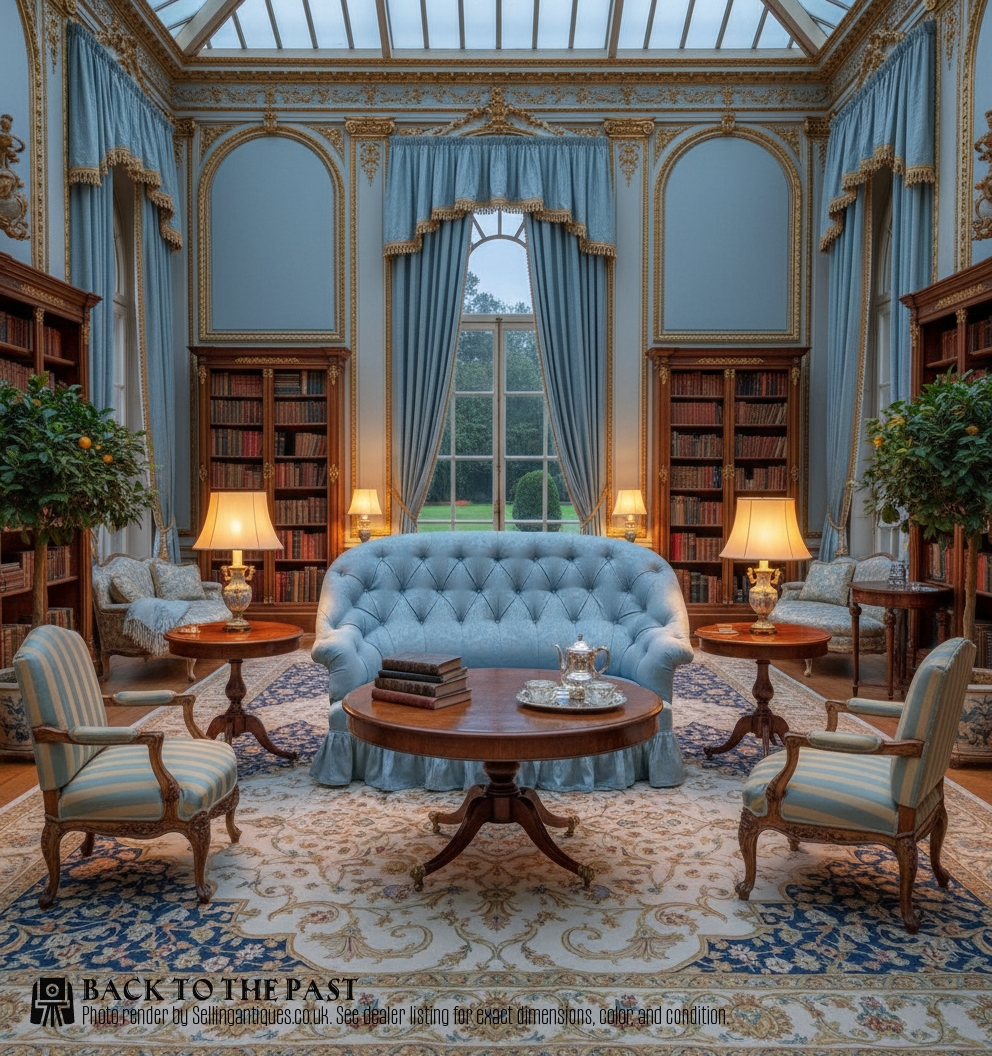
Upholstered Two Seater
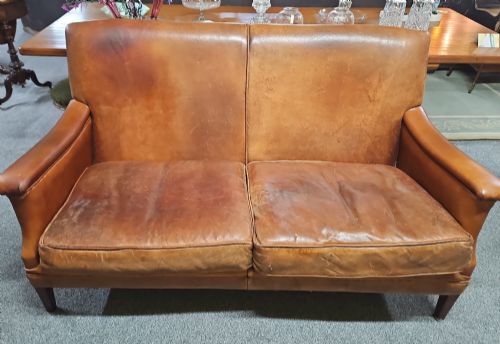
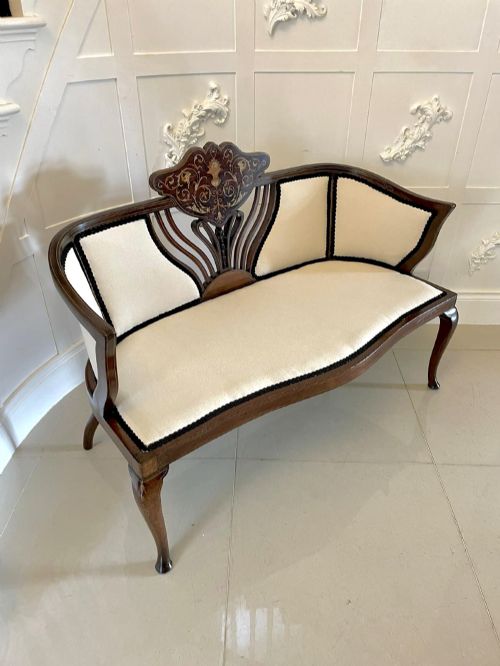
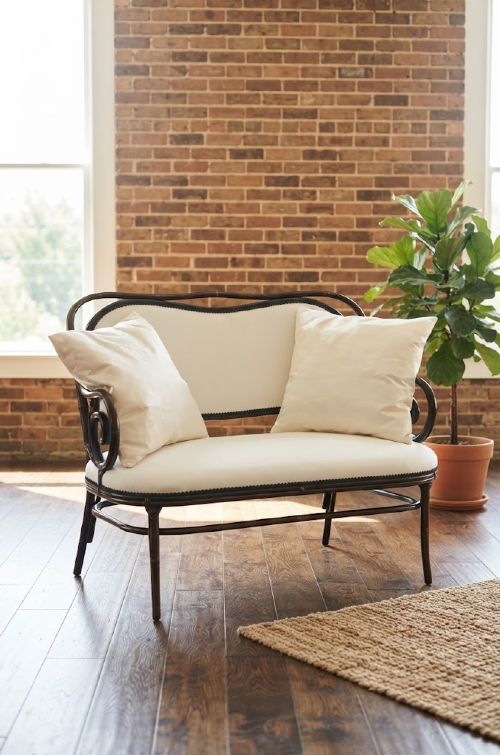
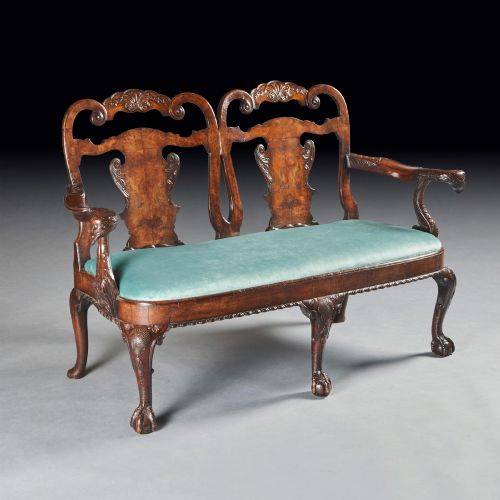
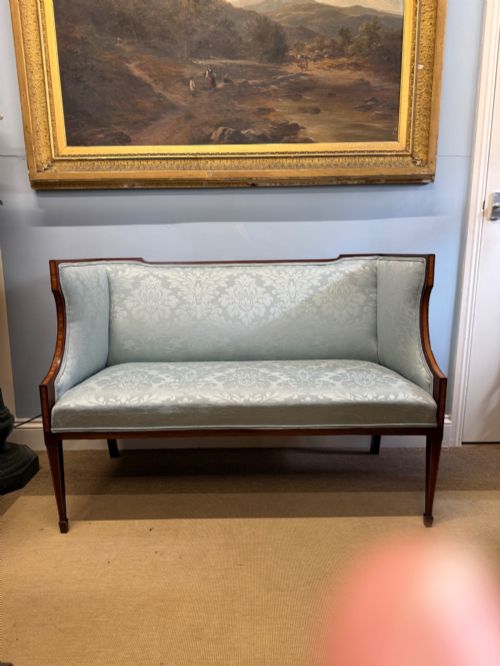
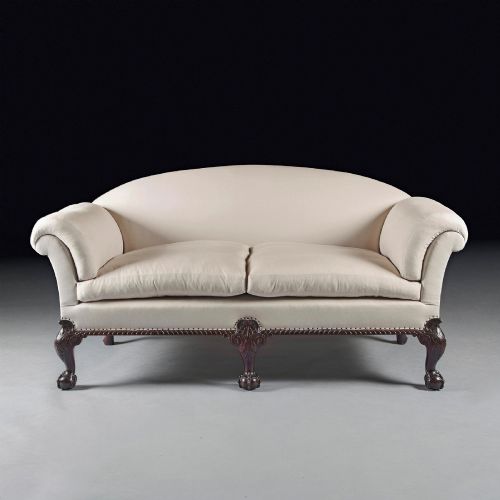
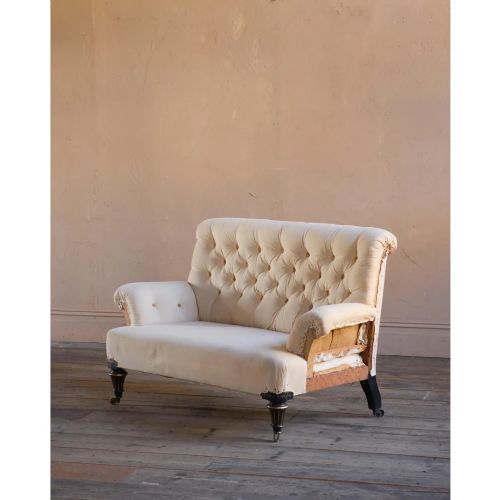
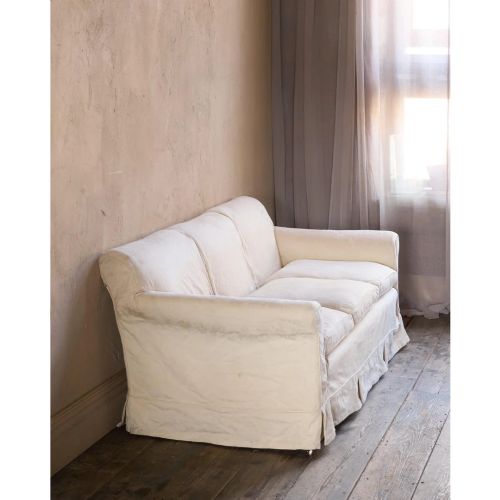
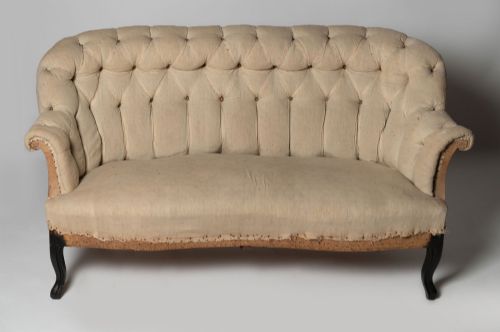
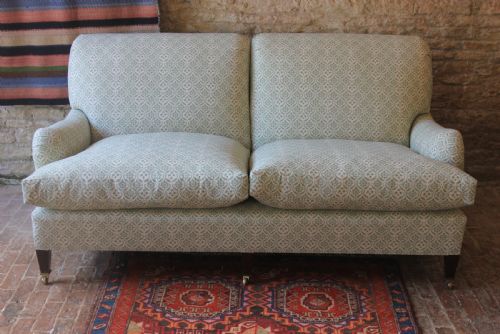
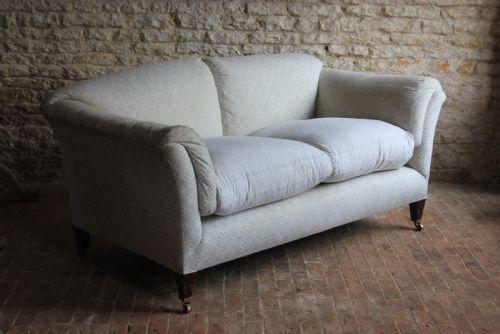
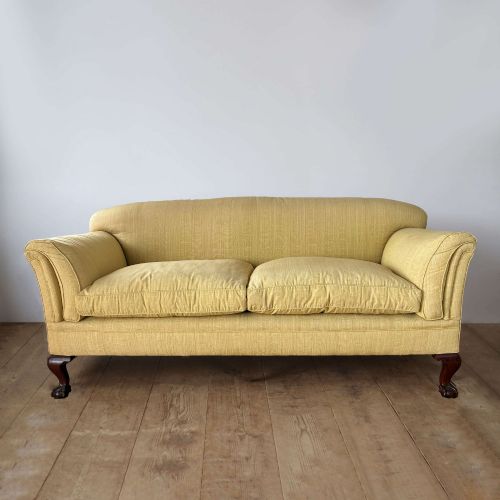
An upholstered two seater provides compact seating for two people within a timber frame covered in textile materials. These pieces appear across Victorian, Edwardian, and twentieth century periods, taking the form of settees, sofas, and love seats.
The versions most common on this page date from the nineteenth and early twentieth centuries, featuring mahogany or walnut frames alongside varied fabric upholstery. Makers and retailers such as Howard and Sons and Liberty contributed significantly to this tradition.
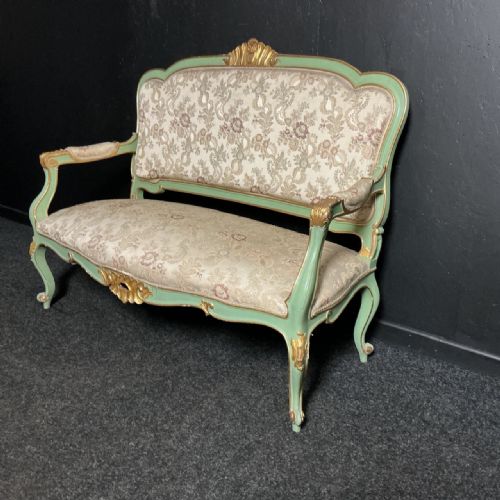
Makers adapted these frames through various design movements, including Louis XV revival, English Country House styles, and Arts and Crafts aesthetics. Such seating served both formal reception rooms and intimate sitting spaces.
How they were made
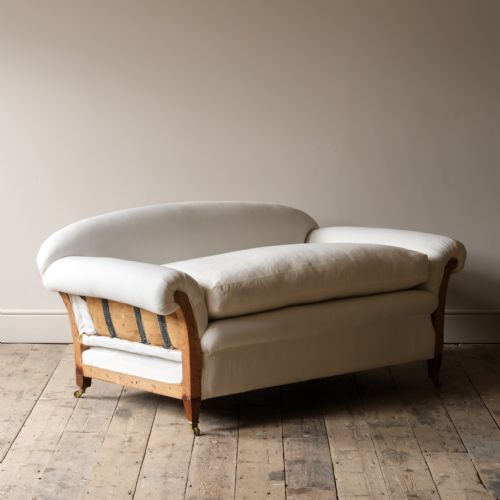
Frames rely on timbers such as mahogany, walnut, and general hardwood or timber, frequently shaped with turned legs, carved details, or inlay work. Artisans joined these structural wooden elements to support internal stuffing and exterior textiles.
Upholstery fabric, calico, and silk cover the padded interior surfaces, secured alongside brass fittings where decorative mounts apply. Cabinetmakers and upholsterers collaborated to build durable seating carcasses using traditional joining methods.
Certain Victorian conversation seats allowed two people to sit facing opposite directions while maintaining polite eye contact.
What varies in quality
Quality depends on the precision of the timber framing and the integrity of the internal construction, distinguishing standard workshop pieces from high-end productions. Finer examples exhibit superior joinery in woods like mahogany and walnut, alongside refined carving or inlay.
The pedigree of the maker or retailer introduces a distinct tier of craftsmanship, particularly among pieces associated with notable London firms. Material selection for both the show wood and the textile covering further defines the upper range of these items.
Thonet·Howard and Sons·Jackson and Graham·Hampton and Sons·Liberty and Co
The Upholstered Two Seater Glossary
- Settee
- A long upholstered seat for more than one person, often featuring a back and arms. These forms range from Victorian parlor seats to Edwardian drawing room furniture.
- Canapé
- A French decorative sofa or settee, typically featuring an exposed wooden frame in styles such as Louis XV. These pieces bring ornate carving and gilt finishes to salon settings.
- Drop arm
- A sofa or settee mechanism allowing one arm to lower flat, creating a daybed effect. This adjustable feature appears frequently on nineteenth and early twentieth century examples.
- Show wood
- The exposed polished timber frame of an upholstered seat that remains visible around the fabric. Mahogany and walnut serve as common timbers for this purpose.
- Wingback
- An upholstered chair or settee featuring protective side panels attached to the backrest. These wings historically blocked drafts in domestic interiors.
Upholstered Two Seater: Frequently Asked Questions
What is an upholstered two seater?
An upholstered two seater is a compact wooden framed sofa or settee designed to accommodate two individuals. These items use internal padding and textile coverings across periods from the Victorian era into the twentieth century.
Such seating includes styles ranging from English Country House designs to French Louis XV revival pieces. They function primarily as conversational seating in drawing rooms and sitting spaces.
How do I date a settee?
Dating relies on examining the timber frame, leg style, and construction methods characteristic of specific periods like the Victorian or Edwardian eras. Walnut and mahogany framing details often align with the revival styles popular at the time of manufacture.
Makers' marks or retailer labels help confirm the production date and origin of particular pieces. Stylistic cues such as fluted legs or inlay work provide further chronological markers.
Where were these sofas used?
These sofas were placed in formal drawing rooms, intimate boudoirs, and country house reception spaces. Their compact proportions made them suitable for smaller parlours and bedroom window seats.
In grander interiors, matched pairs provided symmetry in formal salon arrangements. They served as comfortable seating for conversation and reading.
How do I care for antique upholstery?
Maintenance involves gentle surface cleaning appropriate for the specific textile used, whether standard upholstery fabric, calico, or silk. Protecting the timber frame from direct sunlight preserves the finish of mahogany and walnut woods.
Regular inspection of the underlying structure ensures the wooden joints remain stable. Professional conservation helps maintain fragile nineteenth-century fabrics and padding.