
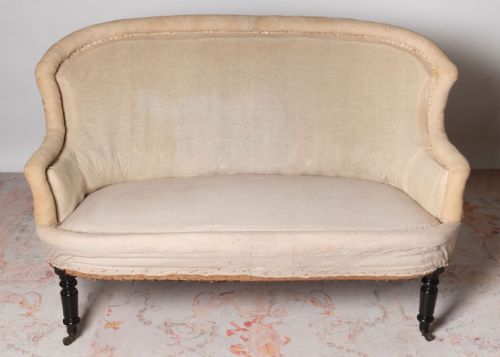
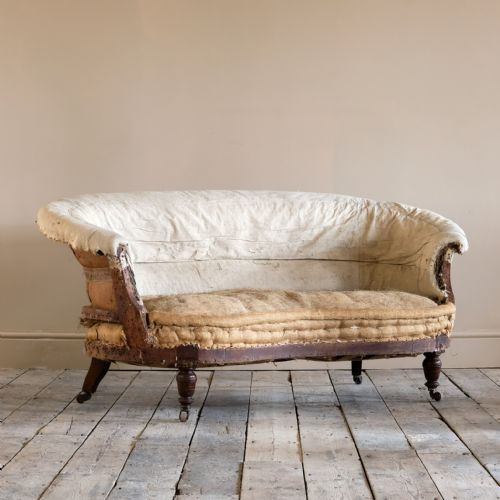


Curved Back Sofa
A curved back sofa offers deep comfort and fluid silhouette, uniting nineteenth-century elegance with practical repose.
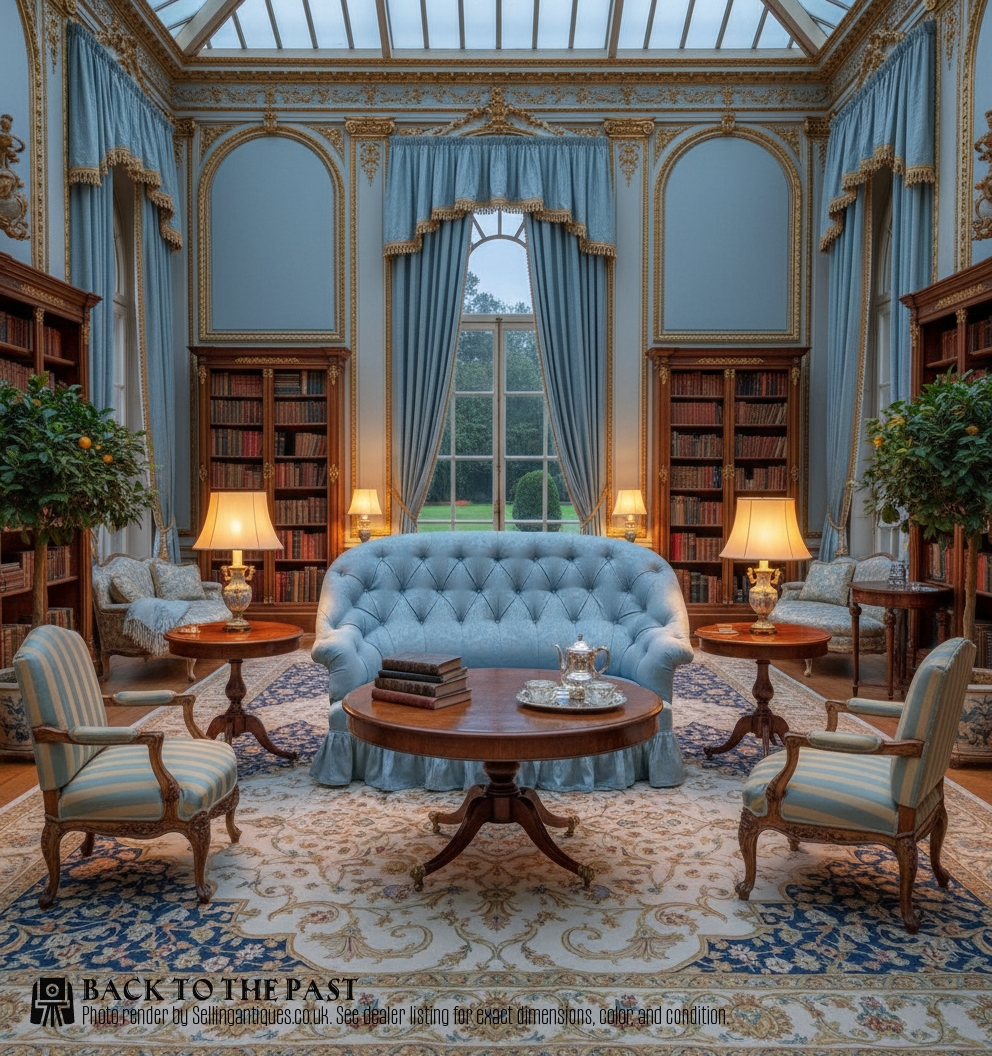
Curved Back Sofa
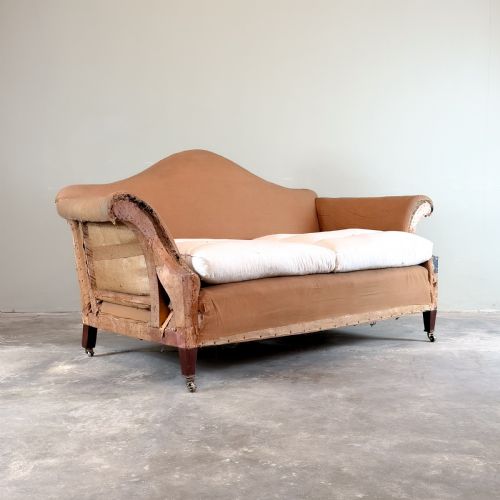
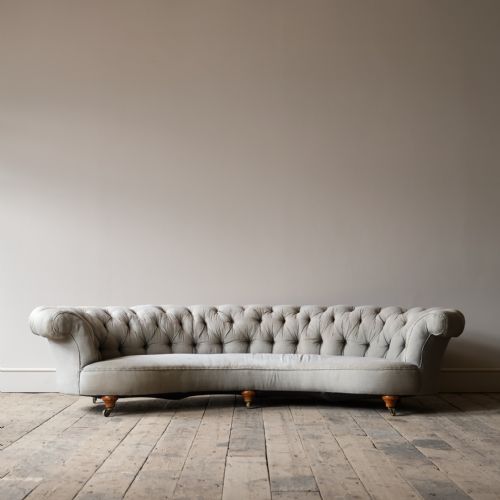
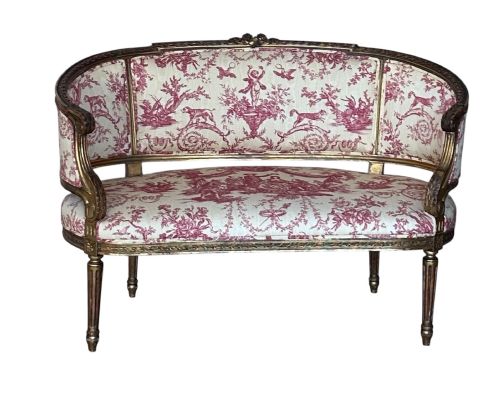
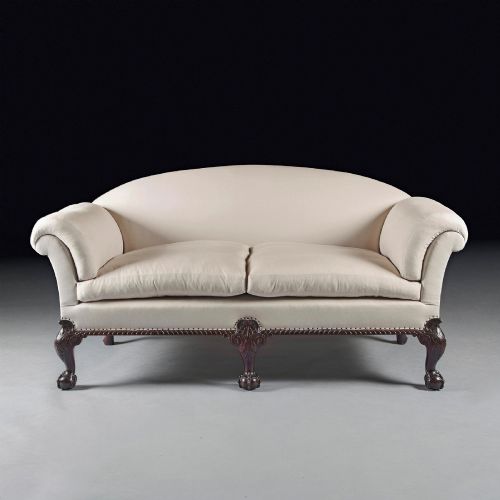
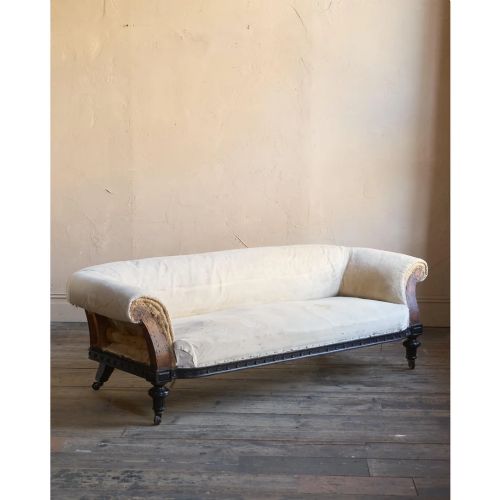
A curved back sofa bridges formal salon seating and domestic comfort, emerging frequently in nineteenth-century French and English designs. These pieces range from substantial button-backed Chesterfields to lighter Edwardian settees and French canapés.
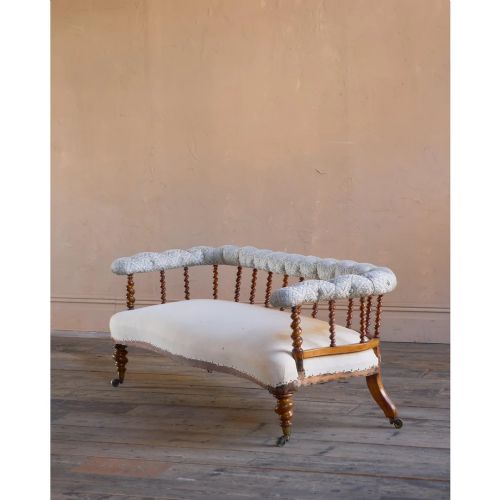
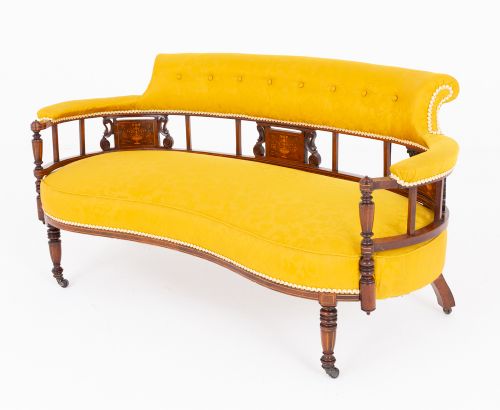
The curved back sofa category encompasses various forms like the kidney shape, the crescent, and the serpentine front. Buyers encounter pieces spanning the Victorian and Edwardian eras alongside French revival styles.
Makers shaped these frames from walnut, mahogany, and beech, often pairing the sweeping lines with velvet, leather, or fabric upholstery. The overarching design provides an enveloping seat that anchors a room.
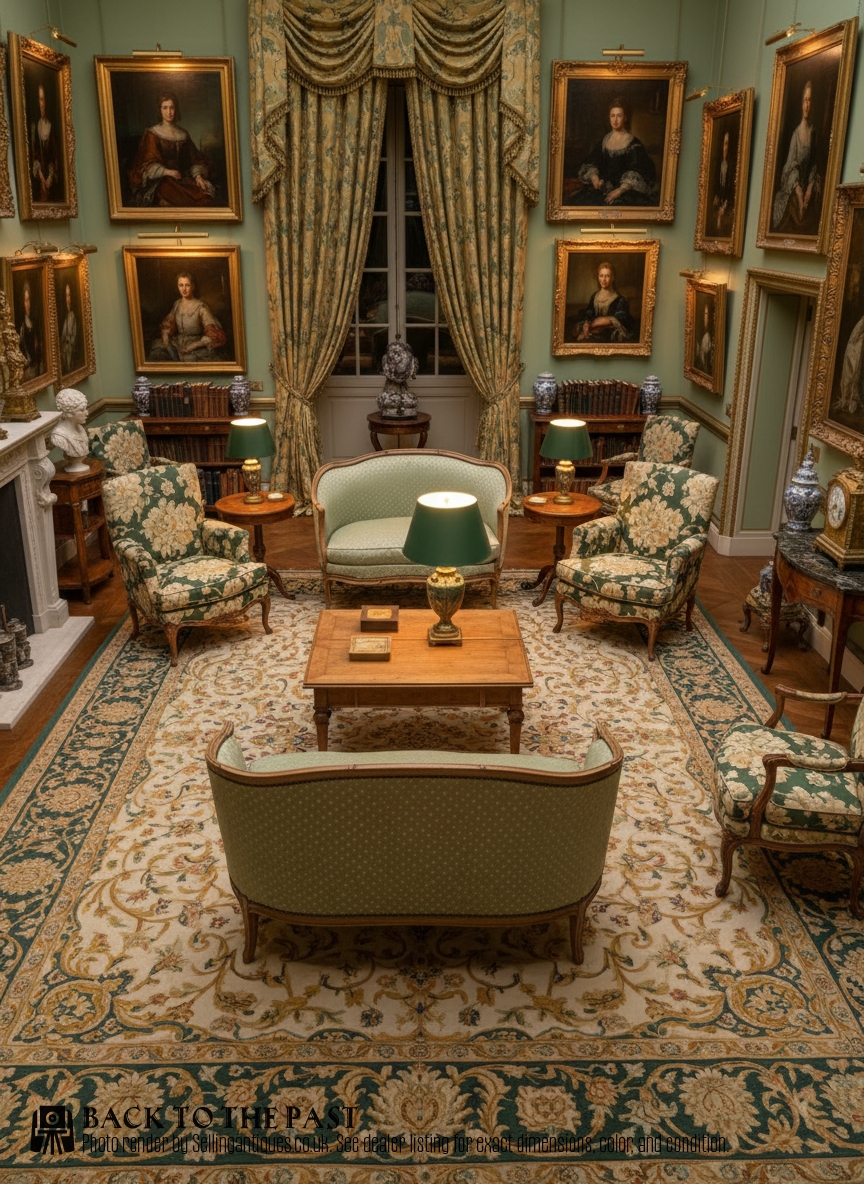
How they were made
Cabinetmakers shaped internal frames from solid hardwoods like mahogany, walnut, and beech, often incorporating brass details or giltwood frames. Artisans built curved profiles by steam-bending timber or carving dense wood directly.
Upholsterers layered supportive fillings beneath coverings of leather, velvet, silk, and woven fabric, securing the contours with deep buttoning. Painted and polished finishes completed the exposed wooden elements on French and English frames.
Upholstery materials recorded in the evidence range from leather and velvet to silk damask and plain cotton fabric.
What varies in quality
The integrity of the internal wooden frame and the precision of the carved or polished details define the upper tier of production. Smoother transitions along the curved back and refined joinery distinguish finer workshop output from standard pieces.
The harmony between the exposed timber structure and the upholstery finish determines the visual weight of the settee. Superior examples maintain firm, supportive springs and well-tensioned fabric that respects the original silhouette.
Howard and Sons·C. Hindley and Sons·Hampton and Sons·Thonet·Harry and Lou Epstein
The Curved Back Sofa Glossary
- Canapé
- A traditional French settee or sofa featuring an exposed wooden frame and upholstered seat and back. These often reflect Louis styles.
- Chesterfield
- A large upholstered sofa traditionally characterised by deep button tufting and rolled arms of equal height to the back. Many examples feature leather upholstery.
- Chaise Longue
- An elongated chair or day bed intended for reclining, sharing stylistic traits with curved back settees. They appear in nineteenth-century French and English variants.
- Serpentine
- A wave-like curving line shaping the front rail or back of a sofa. This contour adds movement to nineteenth-century seating.
- Aubusson
- Tapestry woven in the French town of the same name, frequently used for upholstery on period canapés and salons sofas. These textiles depict floral or pictorial scenes.
Curved Back Sofa: Frequently Asked Questions
How do I identify a French canapé?
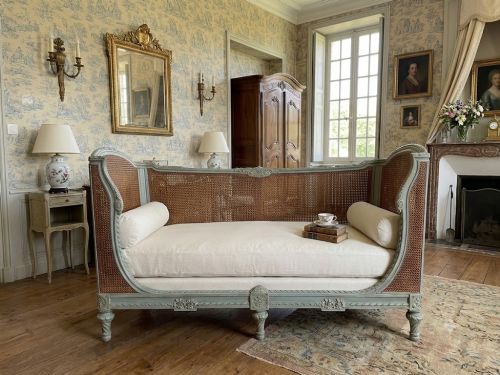
French canapés typically feature exposed painted, gilded, or polished wooden frames with carved details echoing Louis XV or Louis XVI designs. They often incorporate cane panels or formal upholstery.
Unlike English country house sofas, these frames prioritize light, decorative woodwork and graceful cabriole or fluted legs over heavy padding.
Are these sofas suitable for daily use?
Period curved back sofas provide sturdy seating built on solid hardwood frames of mahogany, walnut, or beech. Many survive with resilient springing and durable leather or velvet upholstery.
Proper maintenance of the internal webbing and fabric ensures these nineteenth and early twentieth-century pieces handle everyday lounging.
How do I date a curved back sofa?
Dating relies on examining the timber, upholstery technique, and stylistic revival markers like Aesthetic Movement lines or Victorian buttoning. Reference points include maker stamps, brass castors, and structural woods such as rosewood or mahogany.
Victorian and Edwardian examples often display heavier frames, while nineteenth-century French pieces favor lighter painted or gilt finishes.