
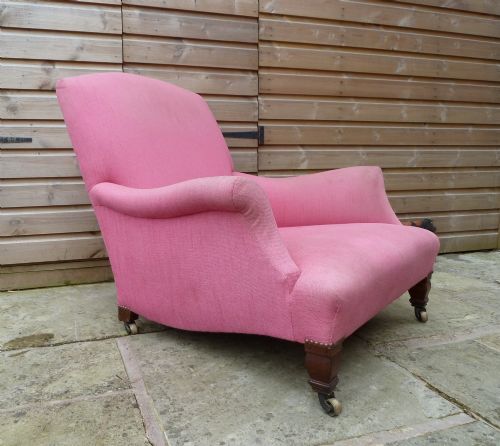
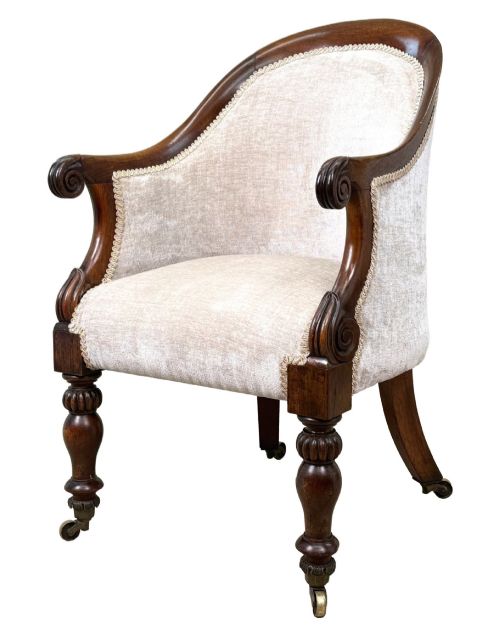
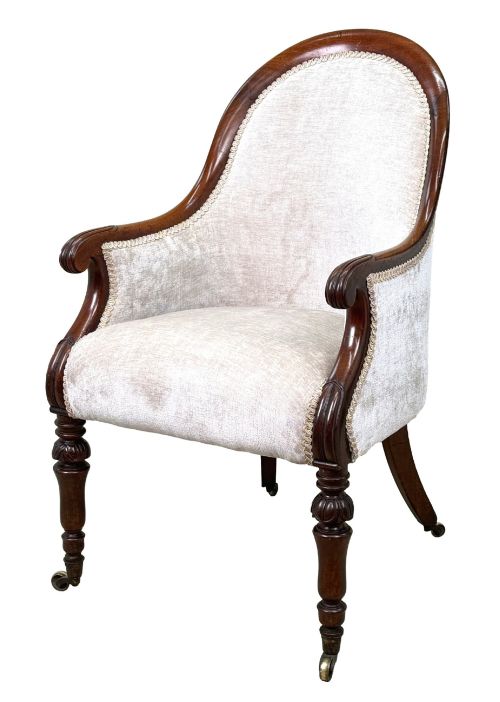
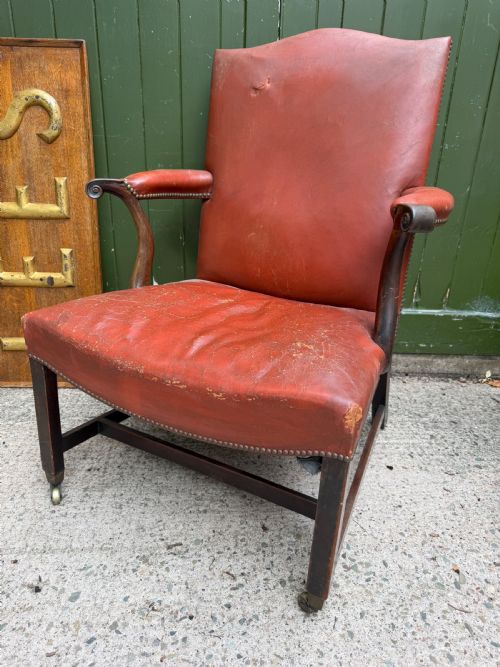

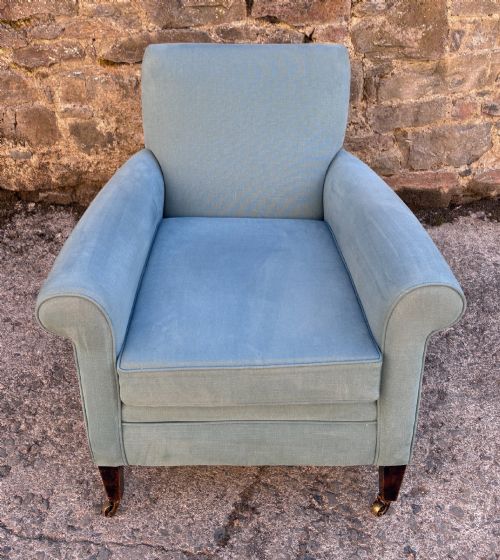
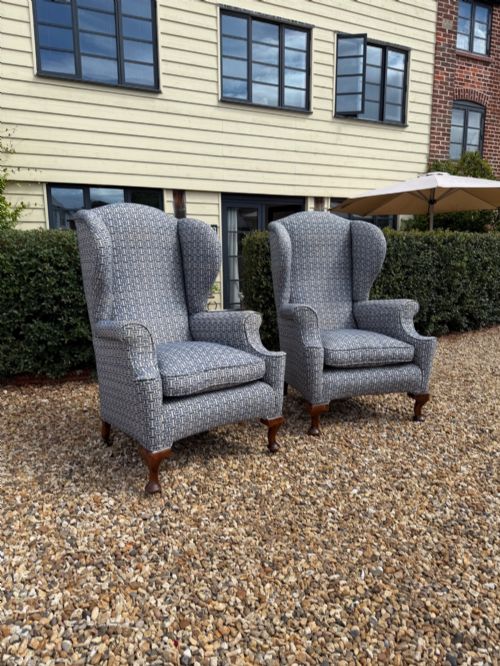
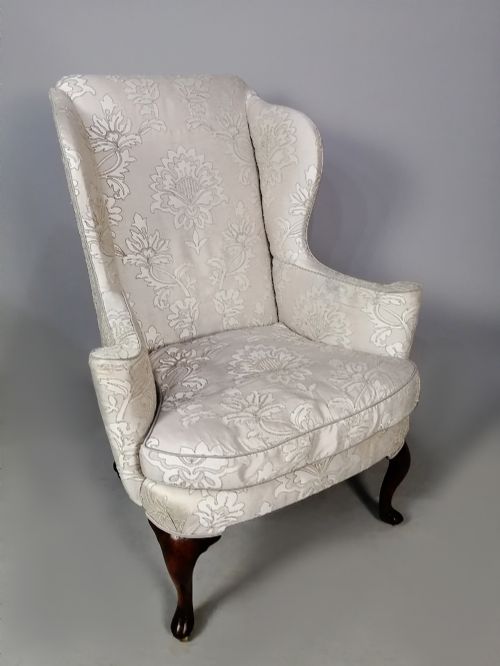
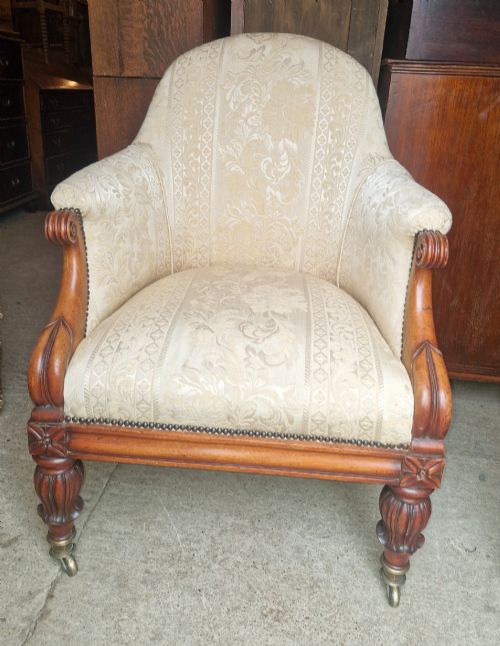
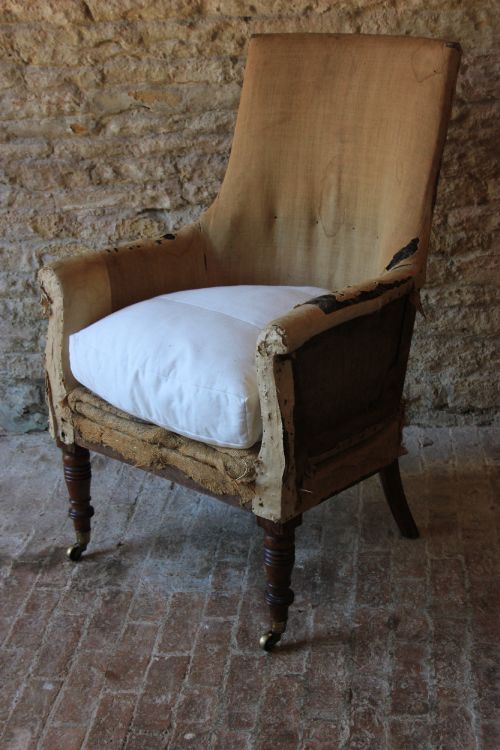
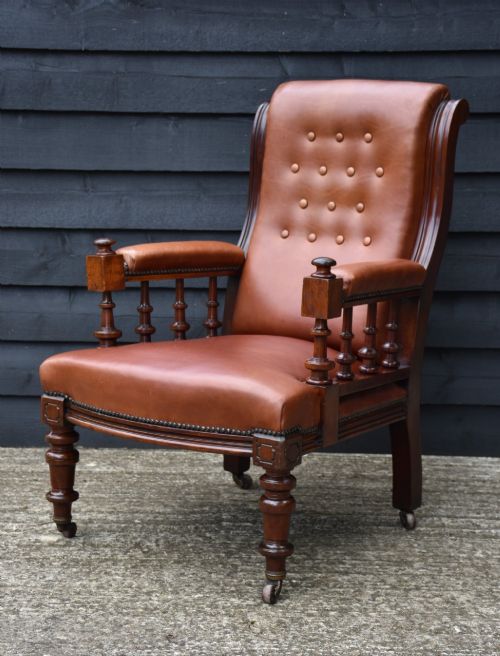
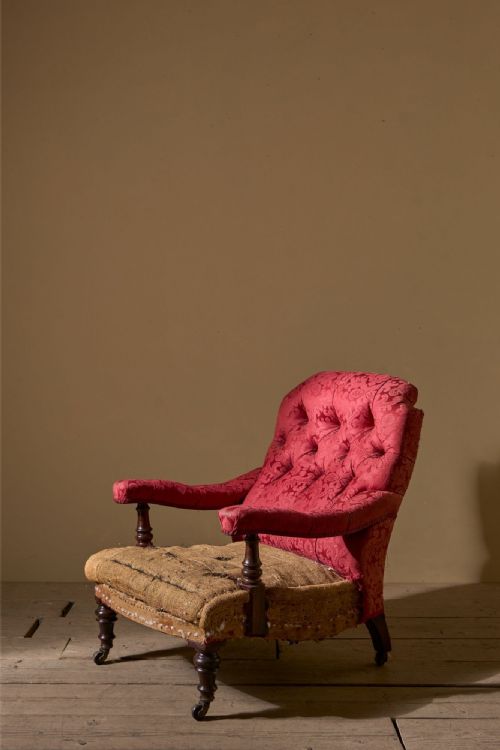
Upholstered Reading Chair
When you search for an upholstered reading chair, you are seeking a seat designed for hours of quiet study.
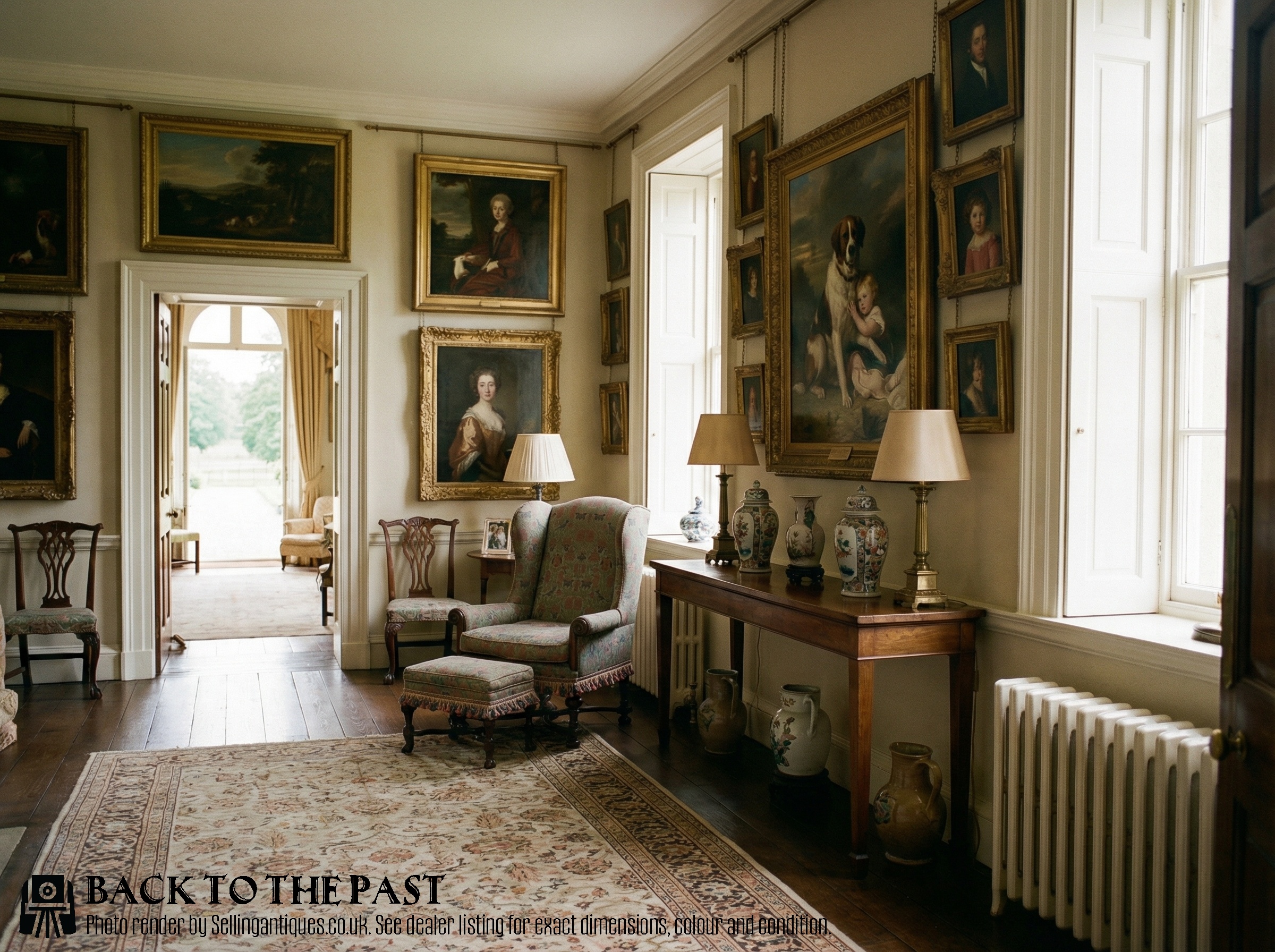
Upholstered Reading Chair
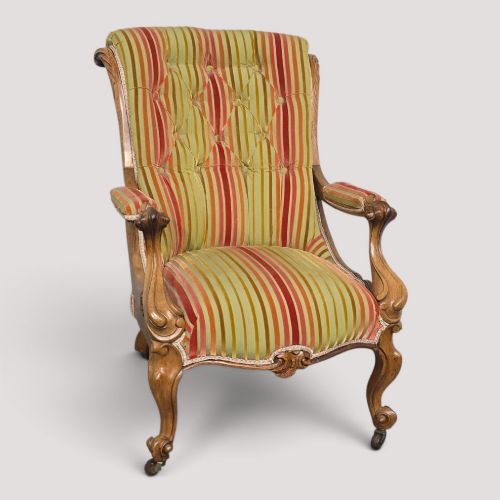
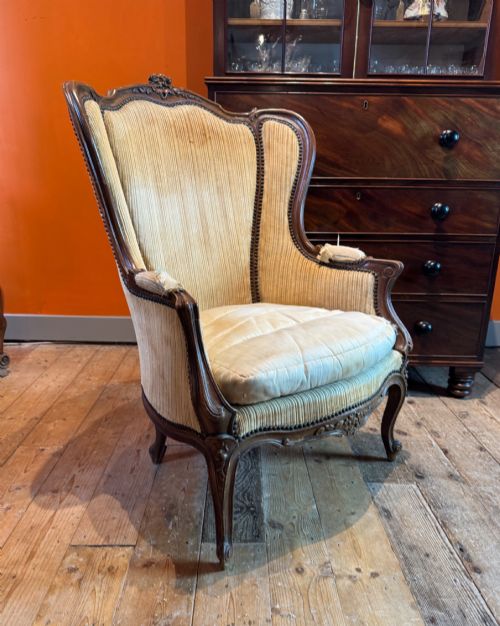
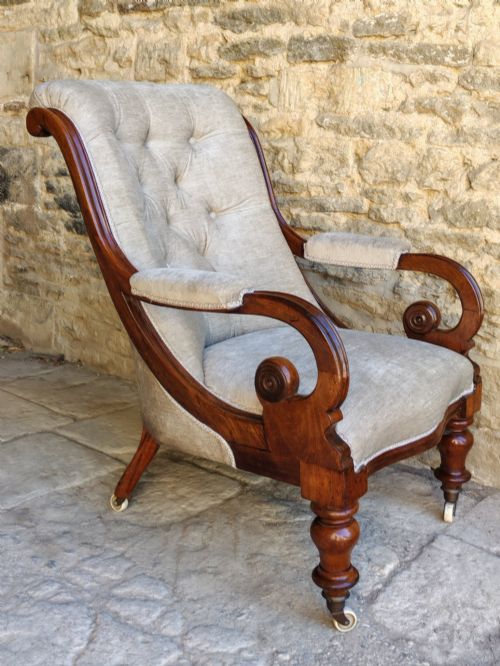
When you search for an upholstered reading chair, you encounter forms that span the 18th century, the Regency period, and the Victorian era. These pieces include library armchairs, Gainsborough chairs, wingbacks, and tub chairs designed for comfort and extended seating. You are most likely to meet mahogany or walnut framed examples upholstered in leather, velvet, or fabric.
The materials and origins recorded in the listings reflect the traditions of English country houses, Scottish homes, and French design influences. Workshops and makers of the 19th century and earlier periods produced these armchairs with deep seats and supportive backs. They serve as functional seating that bridges formal drawing room styles and practical library use.
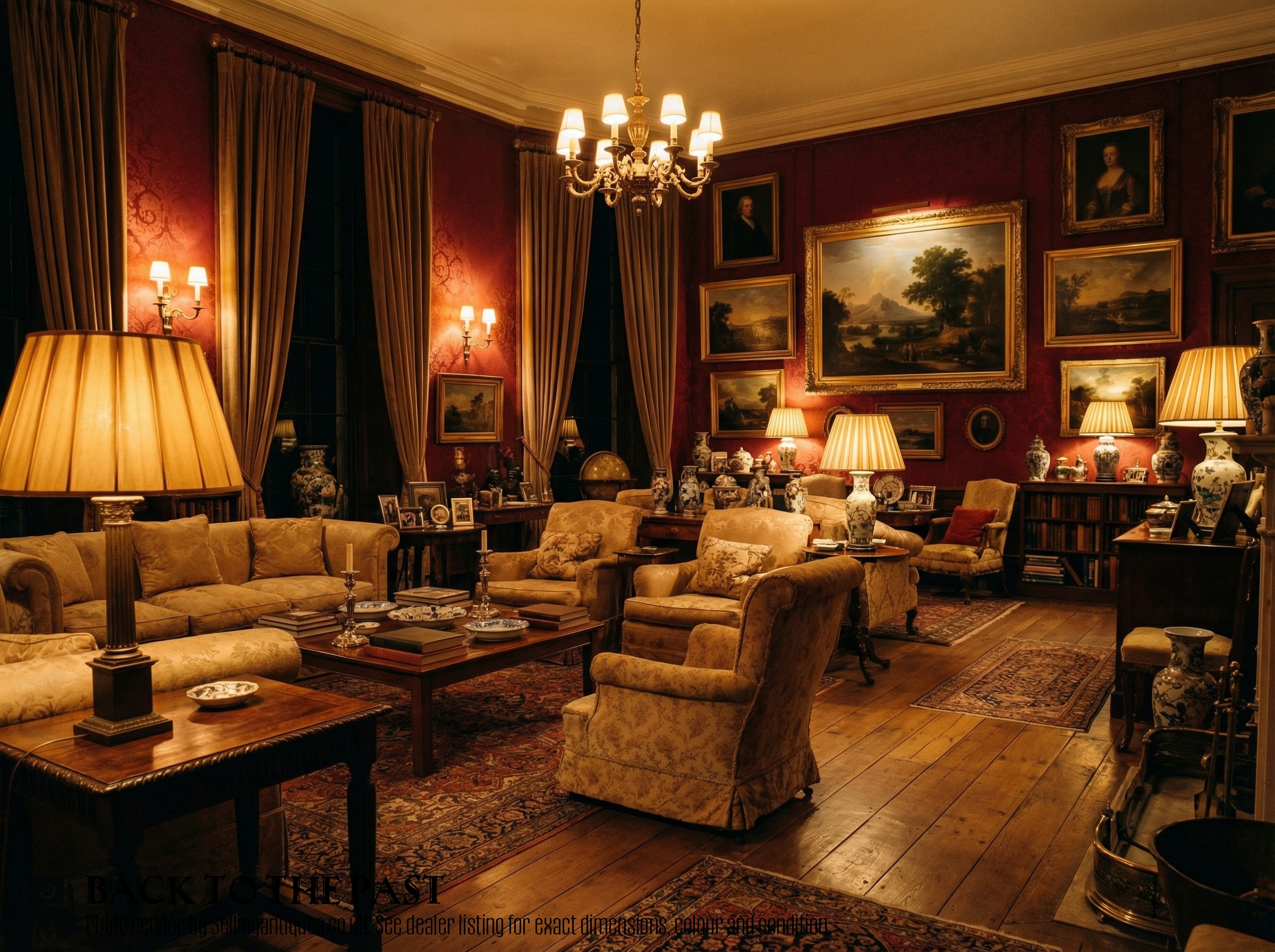
What varies in quality
The distinction between tiers of the range lies in the crispness of the timber carving and the architectural proportions of the frame. Superior examples demonstrate refined joinery in woods like mahogany or walnut, paired with balanced, harmonious lines that reflect period design standards.
Quality also rests in the integrity of the upholstery materials and the fidelity of the period style, whether executed in a Georgian Gainsborough form or a Victorian button-backed design. The harmony between the supportive frame and the textile finish dictates the standing of the piece.
Upholstered Reading Chair Retail Price Guide 2026
Typical asking prices for upholstered reading chair among the pieces listed under this phrase on Sellingantiques today, from the lower quarter to the upper quarter. They describe what is for sale here now, not the wider market.
Common framing timbers include mahogany, walnut, oak, rosewood, and beech, paired with leather, velvet, and calico upholstery.
Howard and Sons·Gillows·Morris and Co
The Upholstered Reading Chair Glossary
- Tub chair
- An armchair featuring a rounded, enclosed back that curves continuously into the arms. This form provides a snug and supportive sit suitable for reading.
- Wingback chair
- An armchair with high sides and wings attached to the back, designed to shield the sitter from drafts. Early examples often date from the Georgian period and utilise heavy fabric or leather.
- Fauteuil
- An open-armed French upholstered armchair with exposed wooden framing, often reflecting Louis XV or Louis XVI styles. These pieces bring lighter carved details to library and salon settings.
- Hessian
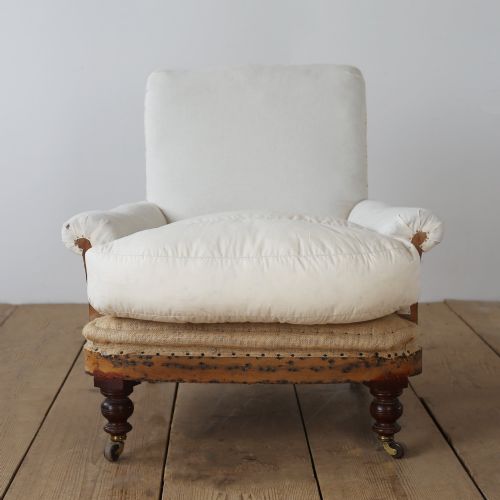
- A coarse woven fabric typically utilised as a foundational layer beneath the final outer upholstery. It provides essential support for the internal stuffing of antique seats.
Upholstered Reading Chair: Frequently Asked Questions
What defines a reading chair?
A reading chair is an upholstered armchair designed specifically for comfort during extended periods of sitting, often featuring supportive arms and a deep seat. These forms were traditionally placed in libraries or studies for reading and writing.
Examples range from open mahogany armchairs to enclosed wingbacks and tub chairs, providing various levels of support and physical enclosure.
How do I identify a Georgian reading chair?
Georgian reading chairs typically feature solid mahogany or walnut frames with restrained carving and classical proportions. You will often find Gainsborough or wingback silhouettes dating through the 18th century.
These pieces rely on quality timber work and traditional upholstery such as leather or heavy fabric to indicate their period origins.
Were these chairs used only in libraries?
While frequently termed library chairs, these seats also appeared in drawing rooms, studies, and country house halls. Their primary function was to provide comfortable seating wherever quiet occupation took place.
Different regional workshops adapted the forms for various domestic spaces, resulting in diverse styles from English country house models to French-influenced fauteuils.
What materials are used for upholstery?
Original and traditional upholstery materials include leather, velvet, calico, hessian, and woven fabrics. These textiles were chosen for durability and comfort during daily use.
Underneath the outer covering, stuffing materials and hessian foundations provide the structural support necessary for a deep seat.