


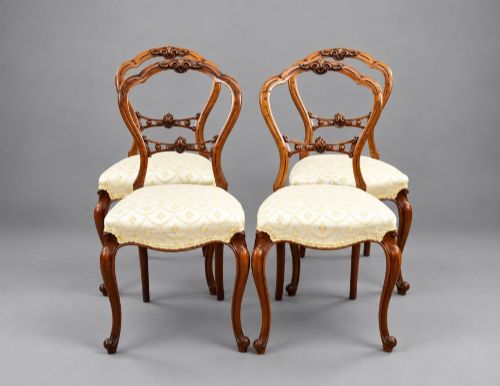
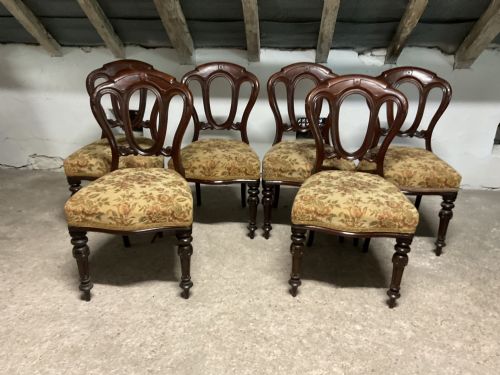
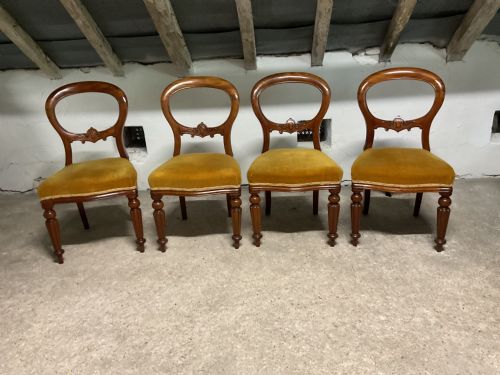
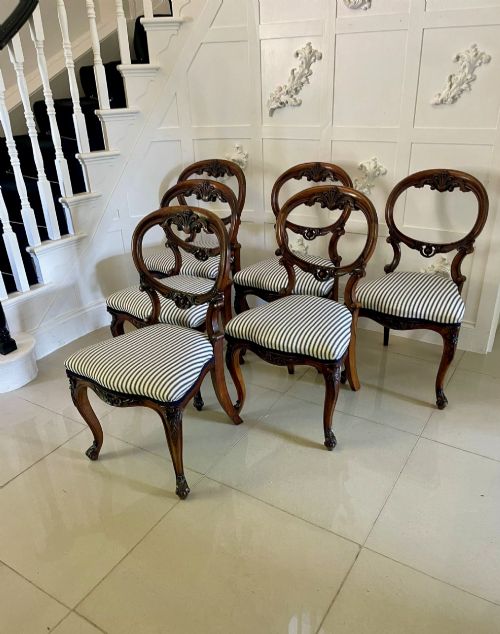
Upholstered Balloon Back Chairs
Upholstered balloon back chairs bring graceful curves and padded comfort to nineteenth-century dining rooms and drawing rooms alike.
Upholstered Balloon Back Chairs
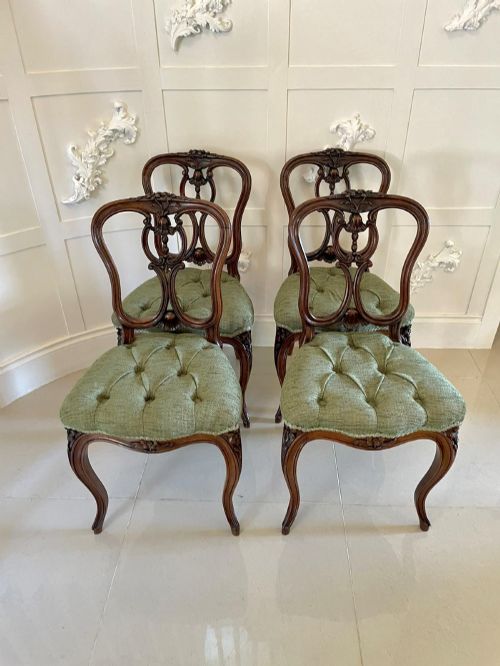
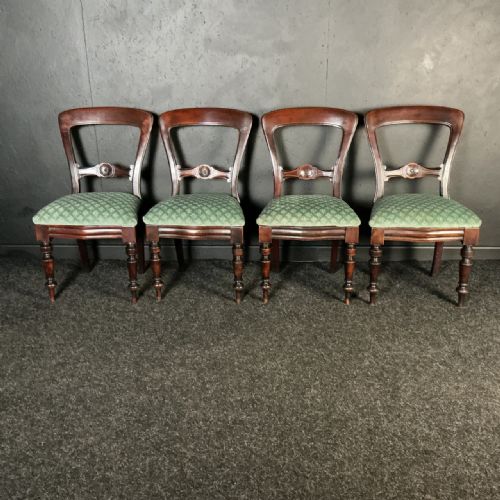
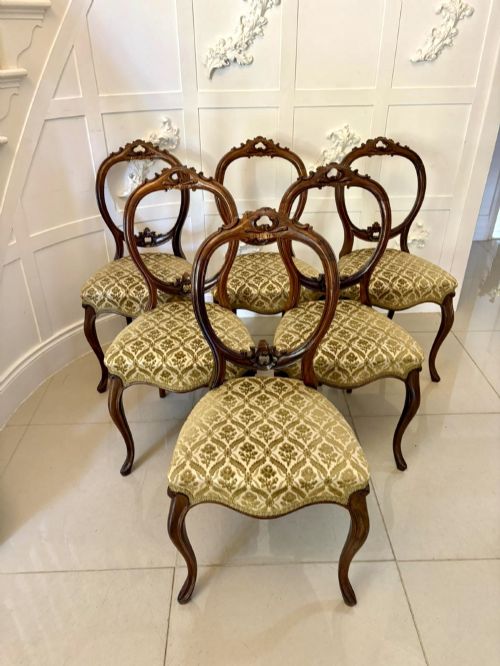
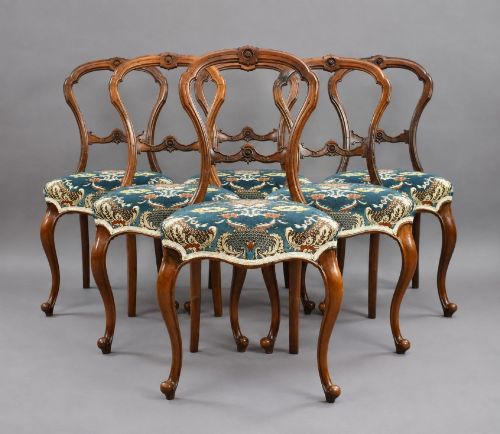
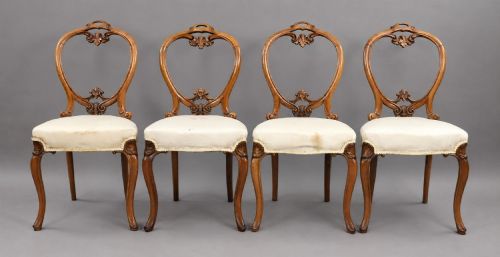
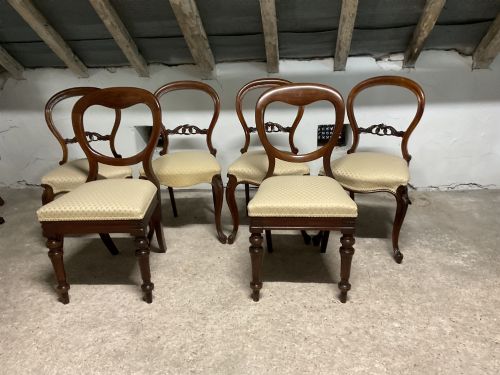
When you search for upholstered balloon back chairs, you encounter seating distinguished by a curved, oval-shaped backrest resembling a blown-up balloon. These pieces emerge predominantly from the Victorian era, spanning the mid to late nineteenth century, alongside earlier Regency and William IV precedents.
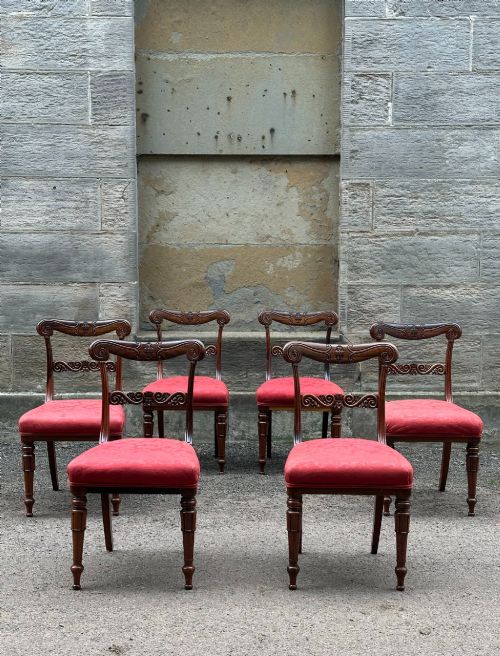
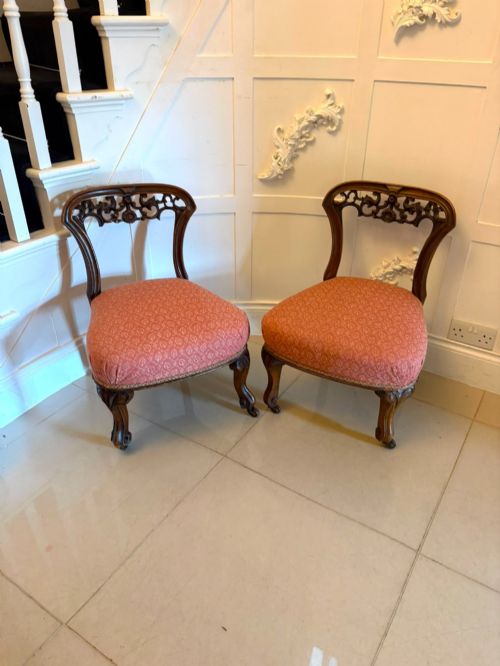
The form appears most frequently as sets of dining chairs in mahogany or walnut, though pairs of side chairs, armchairs, and occasional seating also feature in the listings. Makers constructed these items for formal parlours and dining spaces, combining robust timber frames with comfortable padded seats and backs.
How They Were Made
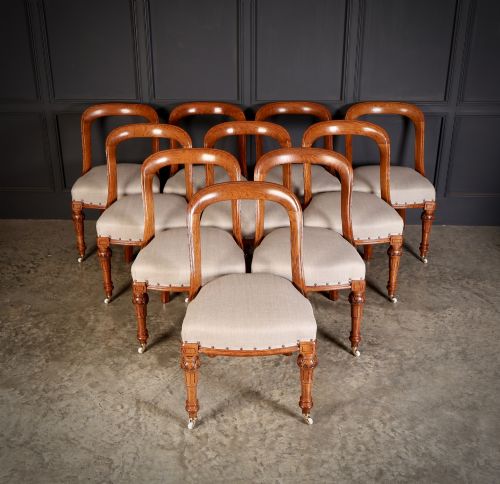
Cabinet makers utilised dense hardwoods such as mahogany, walnut, rosewood, and oak to shape the continuous curved frames of the backrests, often employing steam bending or carved multi-piece joinery. These wooden chassis support textile coverings including velvet, brocade, and general upholstery fabric fixed over sprung or stuffed bases.
Detailing on the timber frames ranges from plain polished surfaces to elaborate carved motifs, cabriole legs, and tapered reeded forelegs. Workshops sometimes incorporated brass castors on heavier armchairs and dining suites to ease movement across carpets.
Listings feature woods such as mahogany, walnut, rosewood, and oak across Victorian, Regency, and William IV periods.
What Varies in Quality
The calibre of these chairs rests upon the crispness of the timber carving and the density of the underlying frame construction. Pieces originating from prominent workshops display superior grain selection in walnut or rosewood and greater weight in the mahogany.
Proportion and the integrity of the curved backrest dictate visual success, as finer examples maintain smooth, unbroken lines through the rounded top rail. The standard of the upholstery work, from the hand-tied springs to the choice of deep pile fabrics, further separates everyday dining seats from exceptional salon pieces.
Gillows
The Upholstered Balloon Back Chairs Glossary
- Balloon back
- A chair back shaped in a continuous oval curve resembling a balloon. This silhouette defined mid-Victorian seating design.
- Cabriole leg
- A furniture leg that curves out and then narrows inward toward a pad or scroll foot. It mimics the natural shape of an animal limb.
- Reeded leg
- A straight furniture leg carved with parallel convex mouldings that run vertically. This decorative treatment appears frequently on Regency and Victorian pieces.
- Salon suite
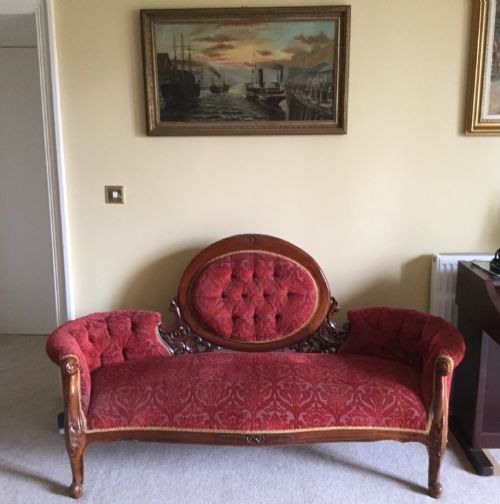
- A matched set of seating furniture comprising a sofa, armchairs, and side chairs intended for formal entertaining. These groupings share identical timber frames and textile upholstery.
Upholstered Balloon Back Chairs: Frequently Asked Questions
What period are balloon back chairs from?
These chairs date principally from the Victorian era, spanning the mid-nineteenth century between eighteen fifty and eighteen eighty. Earlier examples bridge the Regency and William IV periods.
Craftsmen continued producing variations into the late nineteenth century, aligning with Victorian Rococo Revival and Louis XV Revival styles.
How were these chairs used originally?
Dining chairs served around large mahogany or walnut tables for formal family meals and dinner parties. Pairs and single occasional chairs furnished drawing rooms and bedrooms.
Larger salons utilised complete suites featuring matching sofas, armchairs, and footstools for receiving guests.
Are these chairs comfortable for daily use?
The padded seat bases and curved backrests provide substantial support for sitting through long meals or evening gatherings. Sprung upholstery adds resilient bounce to the seat.
Generously sized armchairs and gentleman's chairs offer deeper proportions for relaxed seating in a study or drawing room.