
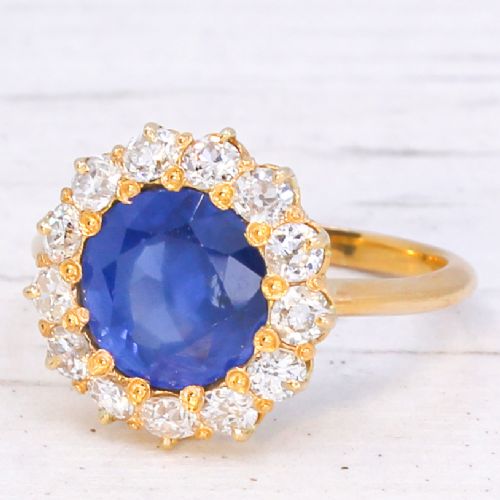
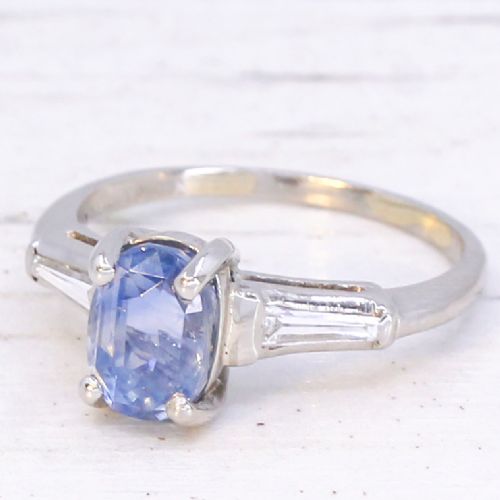
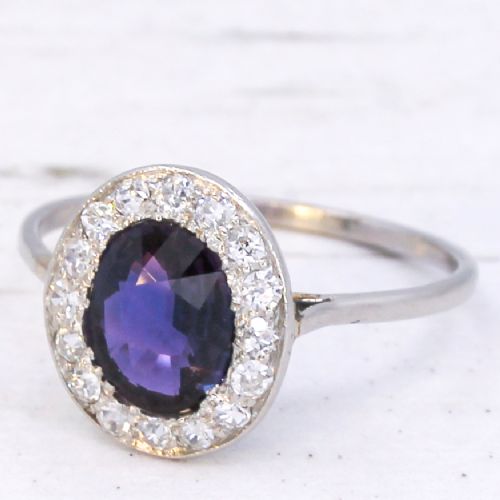


Unheated Blue Sapphire Ring
An unheated blue sapphire ring offers natural geological colour untouched by human enhancement, prized by collectors for genuine untreated depth.
Unheated Blue Sapphire Ring
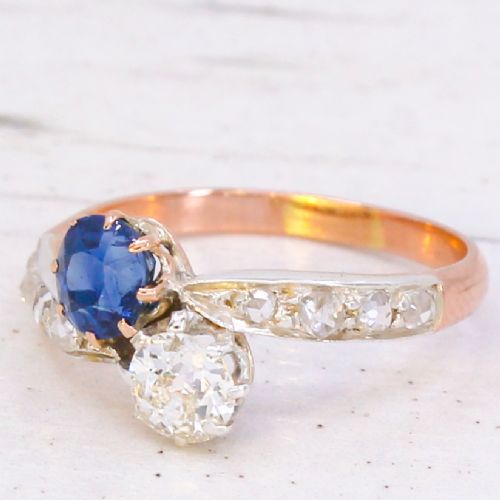
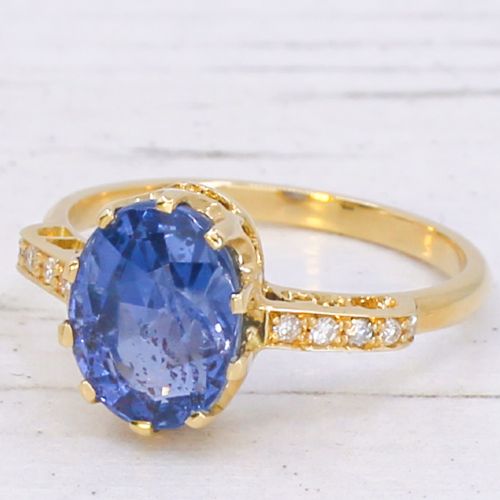
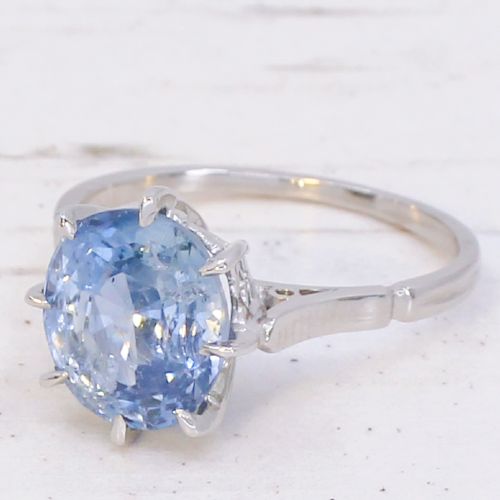
An unheated blue sapphire ring represents a piece of antique or vintage jewellery centred on a natural gemstone that has undergone no thermal enhancement. When searching for an unheated blue sapphire ring, buyers encounter pieces spanning the Edwardian, Art Deco, and Mid-Century periods.
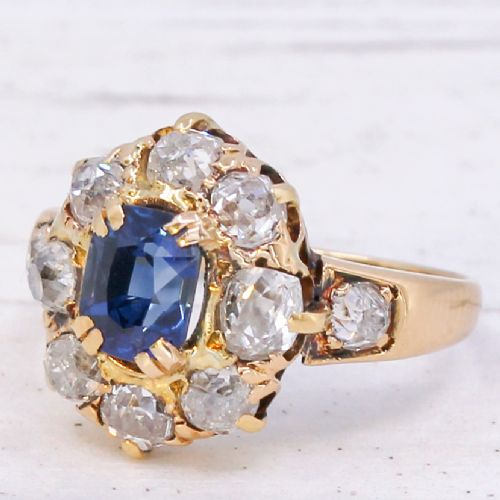
The selections include cluster settings, traditional solitaires, and three stone configurations alongside rarer star sapphire examples. These rings originate from eras ranging from the early twentieth century through to the nineteen sixties, showcasing diverse lapidary cuts.
Origin details often accompany these stones, citing specific historic sources such as Ceylon, Burma, or Kashmir. Each piece marries the central sapphire with supporting old cut diamonds or plain precious metal mountings.
Materials and construction
Goldsmiths constructed these mountings predominantly in platinum and yellow gold, utilising the durability of platinum to secure delicate claw settings for large stones. Diamond accents, specifically old cut stones, frequently accompany the central sapphire in cluster or side stone arrangements.
Gemstone cutters shaped the raw corundum into varied forms including cabochons and star sapphires alongside faceted ovals. The metalwork reflects the prevailing aesthetic of each decade, from intricate Edwardian wirework to clean Mid-Century lines.
Listings span periods from nineteen hundred to nineteen sixty, featuring platinum and yellow gold alongside Ceylon, Burmese, and Kashmir sapphires.
Variations in quality
Quality rests primarily upon the natural saturation and internal clarity of the sapphire itself, coupled with the geographic origin noted in certification. Stones possessing rich, unenhanced saturation combined with historical provenance command greater attention from collectors.
The standard of contemporary metalwork and the preservation of original diamond cuts also influence the character of the piece. Craftsmanship evident in the secure claw setting and proportional balance defines the finer examples.
The Unheated Blue Sapphire Ring Glossary
- Unheated
- A gemstone that has received no artificial thermal treatment to improve its colour or clarity. This natural state is confirmed through laboratory analysis.
- Ceylon Sapphire
- A corundum gemstone originating from Sri Lanka, historically recognised for bright and vivid blue tones. These stones appear across multiple mid-century and vintage designs.
- Old Cut Diamond
- A diamond cut by hand before modern machinery standardised facets, typically featuring a small table and high crown. These stones exhibit a distinct, softer light return compared to modern brilliants.
- Cabochon
- A gemstone shaped and polished with a smooth convex surface rather than faceted edges. This technique highlights phenomena such as asterism in star sapphires.
- Cluster Ring
- A ring design featuring a prominent central stone surrounded by a border of smaller gems, usually diamonds. This arrangement maximises overall visual presence on the finger.
Unheated Blue Sapphire Ring: Frequently Asked Questions
How do I care for an unheated blue sapphire ring?
Sapphire rates high on the Mohs hardness scale, making it durable for regular wear alongside platinum or gold mountings. Clean the ring gently using warm soapy water and a soft brush to maintain the brilliance of the stone.
Avoid exposing antique settings to harsh chemicals or ultrasonic cleaners, which can damage older mounting techniques. Periodic inspection by a jeweller ensures the claws remain secure around the central gem.
How can I tell a Ceylon sapphire from other origins?
Geographic origin is typically determined through certified laboratory reports that examine microscopic inclusion patterns and trace elements. Specific regions like Kashmir or Burma impart distinct textural qualities to the corundum.
Without documentation, visual identification alone remains difficult even for experienced handlers. Certification provides the definitive record for these specific stones.
Why does thermal enhancement matter for sapphires?
Most commercial sapphires undergo heat treatment to dissolve inclusions and intensify blue colour. Unheated stones have avoided this process entirely, retaining their natural geological properties.
This lack of intervention contributes to their desirability among collectors of fine antique jewellery. Certification confirms that the stone remains in its natural state.