
Mid Century Gold Jewellery
Mid century gold jewellery brings together warm metals and striking gemstones to offer timeless appeal.
What mid century gold jewellery is
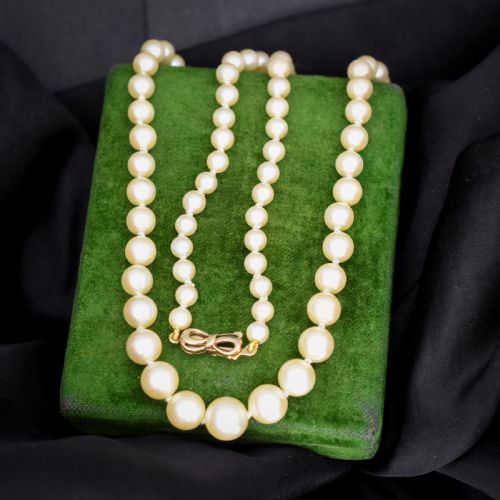
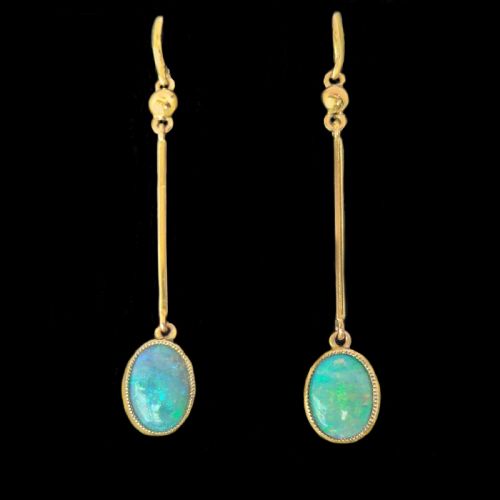
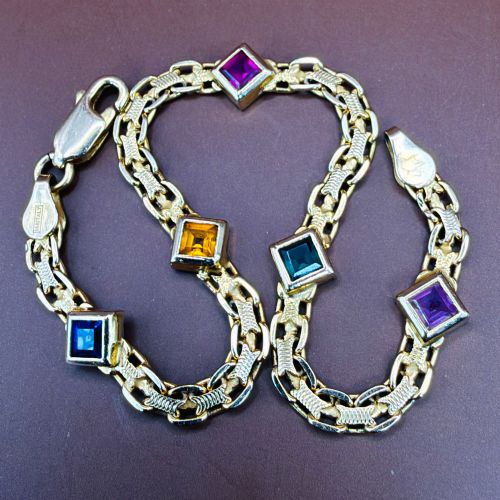
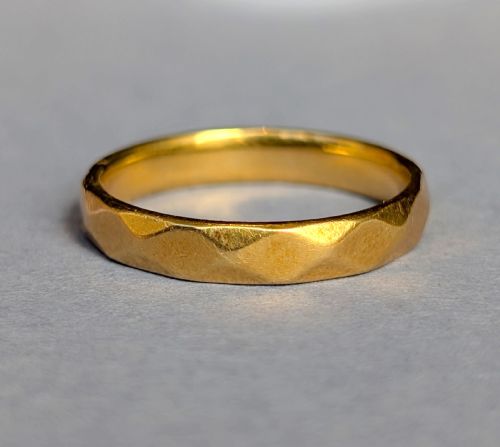
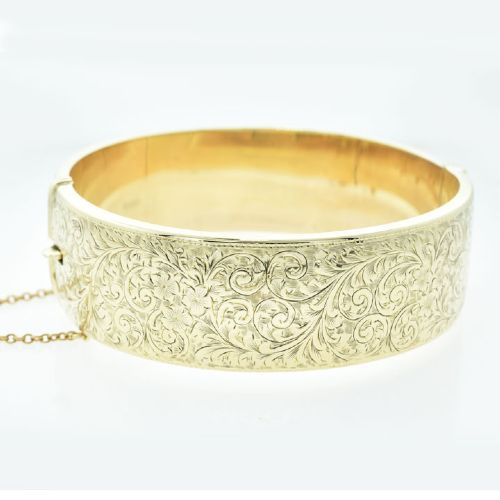
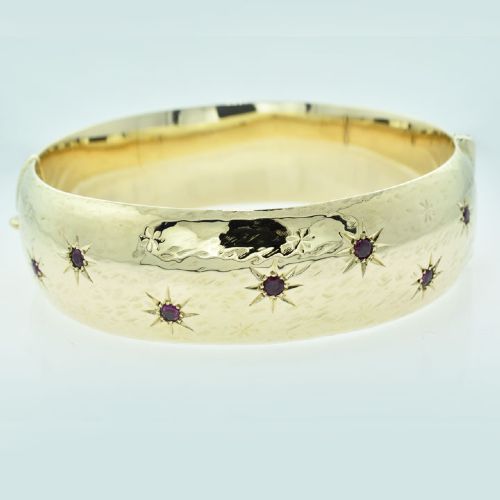
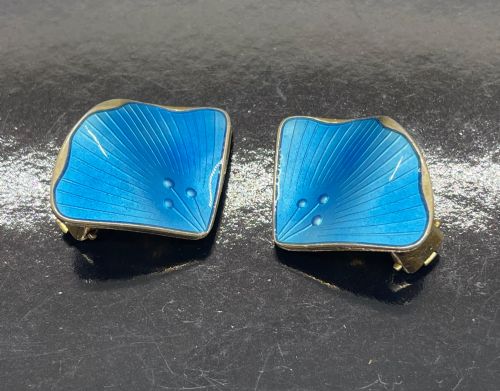
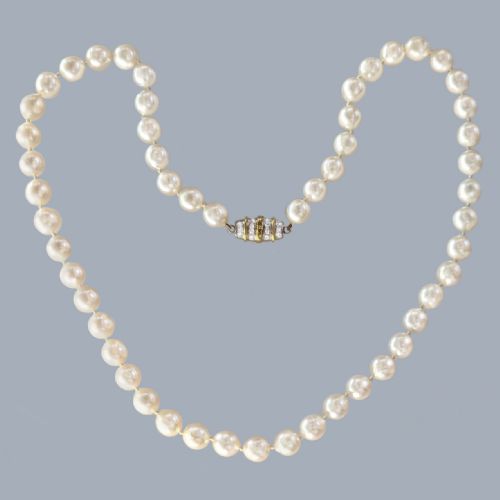
Mid century gold jewellery encompasses a distinct range of rings, necklaces, earrings and bracelets that capture the design spirit of the middle decades of the twentieth century. Pieces on this page span several periods from the nineteen-thirties to the nineteen-sixties, with Edwardian items also appearing.
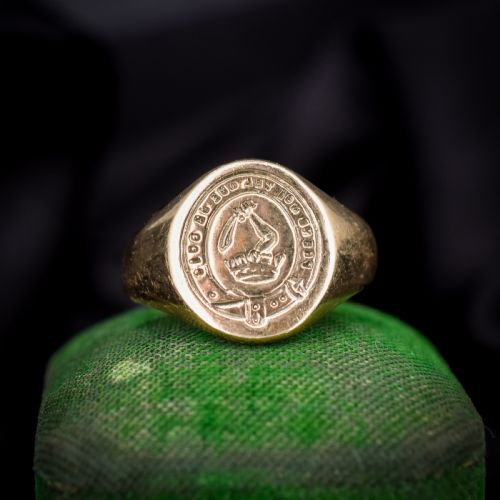
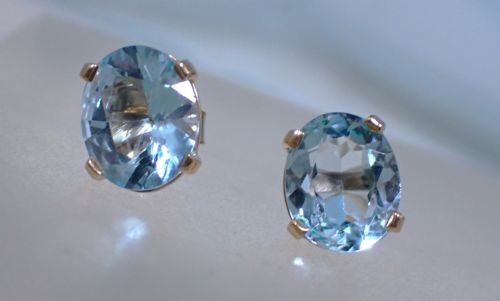
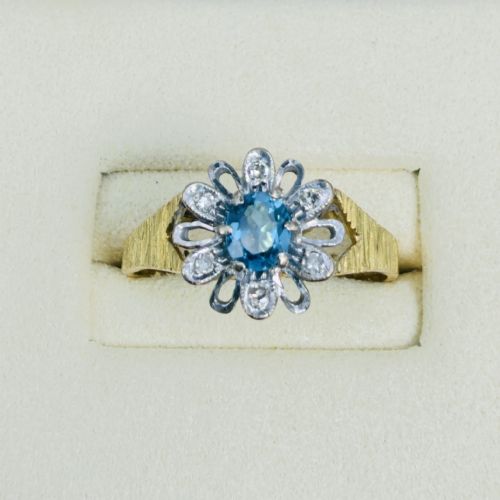
Buyers seeking mid century gold jewellery will find notable forms including solitaire rings, cluster earrings, mounted pendants and French bracelets. The selection showcases varied origins and expressions of mid-century modern and retro styles.
How they were made
Construction relies upon precious metals such as nine-carat gold and eighteen-carat yellow gold, providing the foundational structure for each item. Gemstones are meticulously set into the metalwork, utilising traditional mounting techniques.
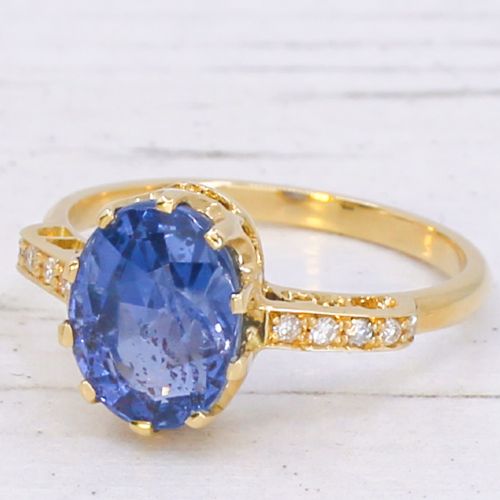
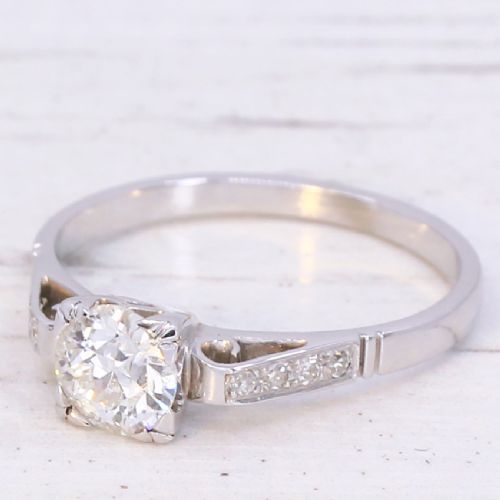
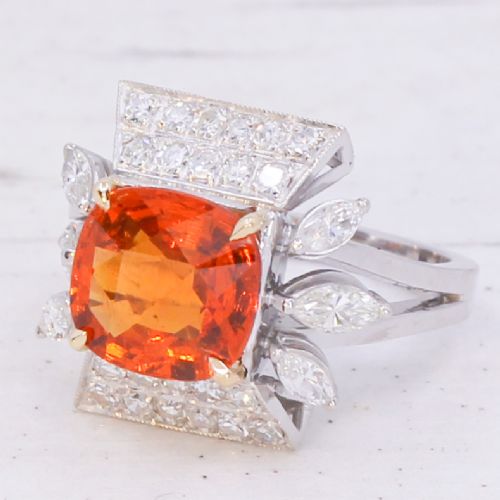
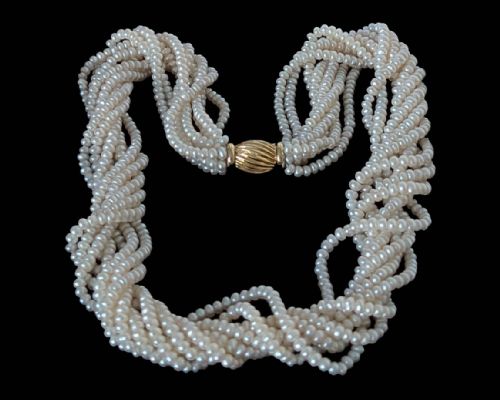
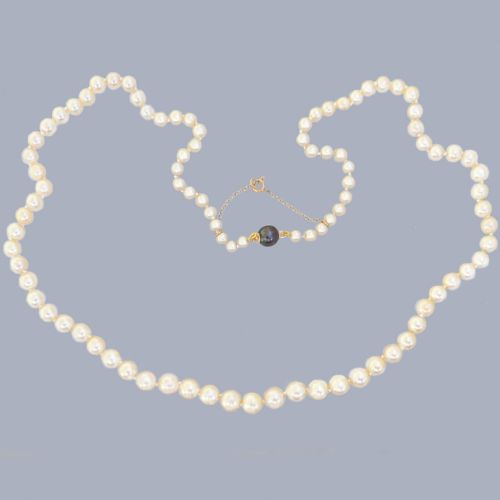
The materials incorporated into these pieces feature natural green jadeite jade, coral, pearls, unheated Ceylon sapphires, and old cut and tapered baguette cut diamonds. These components are combined to create intricate pendants, detailed sunburst screwback earrings, and substantial bracelets.
Retail Price Guide 2026
Typical UK retail prices for mid century gold jewellery, calculated from the Sellingantiques database of over a million retail prices indexed since 2003. This retail price guide relies exclusively on Sellingantiques data; no external sources or auction records are used, so the figures do not describe the wider market.
The inventory spans multiple decades, touching upon Edwardian design, nineteen-thirties pieces, retro nineteen-forties items, and nineteen-fifties to sixties styles.
What varies in quality
Quality in these pieces is dictated by the caliber and rarity of the incorporated gemstones, such as unheated Ceylon sapphires and fine jadeite jade. The presence of substantial diamond weights, including old cut and tapered baguette stones, elevates the standing of a piece.
The standard of execution in the gold mounting and chain links further differentiates the range. Refinement in the setting work and the integrity of the eighteen-carat or nine-carat gold distinguish the finer examples from standard items.
The Mid Century Gold Jewellery Glossary
- Yellow Gold
- A traditional precious metal alloy used extensively in the creation of mid-century pieces. Its warm hue forms the structural base for rings, necklaces and bracelets.
- Ceylon Sapphire
- A prized gemstone originating from Sri Lanka, known for its vibrant blue colour. Unheated examples are particularly sought after by collectors for their natural clarity.
- Jadeite Jade
- A dense, tough gemstone prized for its intense green coloration. It appears in polished forms within vintage ring designs.
- Old Cut
- A historic diamond cutting style characterised by a small table and high crown. This cut predates modern brilliant cutting and displays a distinctive pattern of light reflection.
- Screwback
- A mechanical fastening system used on vintage earrings before the widespread adoption of modern clips or posts. It allows the wearer to adjust the tension on the earlobe securely.
Frequently Asked Questions
What periods do these items date from?
The selection includes pieces originating from the nineteen-thirties, nineteen-forties, nineteen-fifties, and nineteen-sixties. Edwardian items also form part of the varied chronology.
Each era contributes distinct design characteristics, ranging from retro nineteen-forties styling to mid-century modern aesthetics.
What types of gemstones are used?
Listings feature natural green jadeite jade, coral, and pearls. Precious stones such as diamonds and unheated Ceylon sapphires are also prominent.
These gems are integrated into rings, pendants, earrings, and bracelets, often paired with yellow gold.
How do I care for gold jewellery?
Precious metal and gemstone items require gentle handling to preserve their condition. Regular cleaning with a soft cloth helps maintain the lustre of the yellow gold.
Avoid exposing softer organic materials like coral and pearls to harsh chemicals or ultrasonic cleaners.
Are these pieces signed by makers?
The available items showcase diverse origins and craftsmanship spanning several decades. Specific markings vary depending on the individual piece and its place of creation.
Examining the metalwork often reveals hallmarks that indicate the gold standard and origin.