


Vintage Yellow Gold Ring
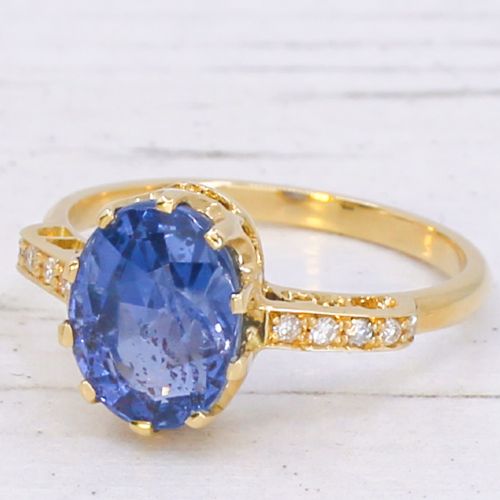
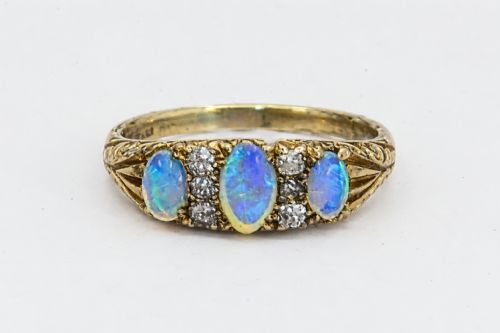
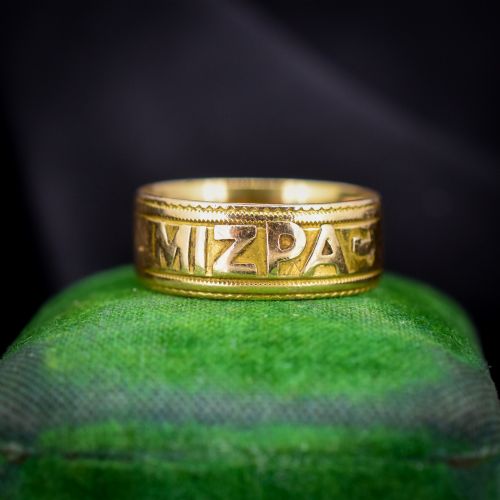
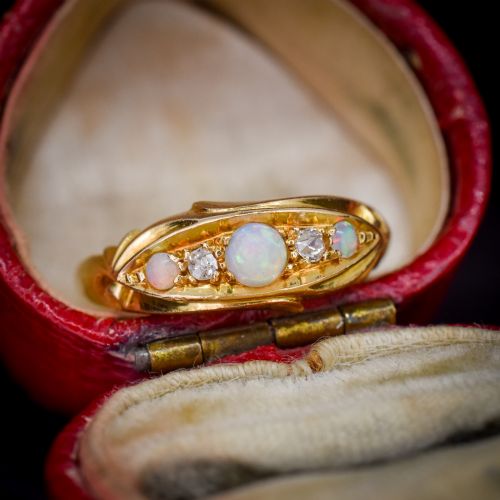
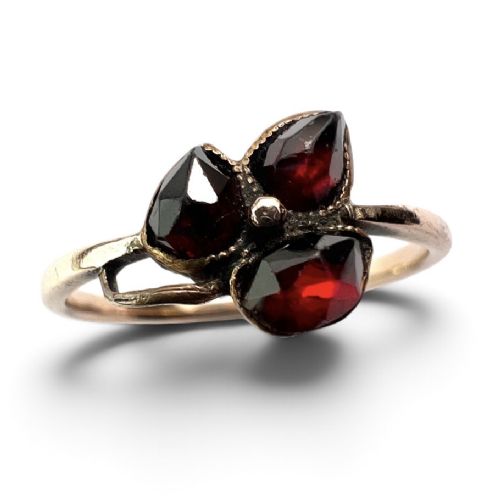
A vintage yellow gold ring brings together decades of individual craftsmanship, precious gemstones, and enduring metalwork from the Victorian, Edwardian, Art Deco, and Mid-Century periods.
Vintage Yellow Gold Ring
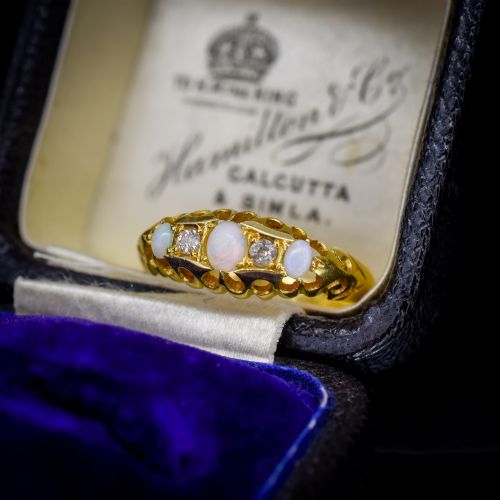
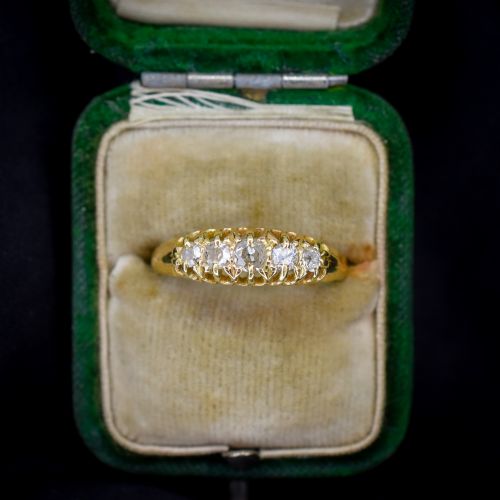
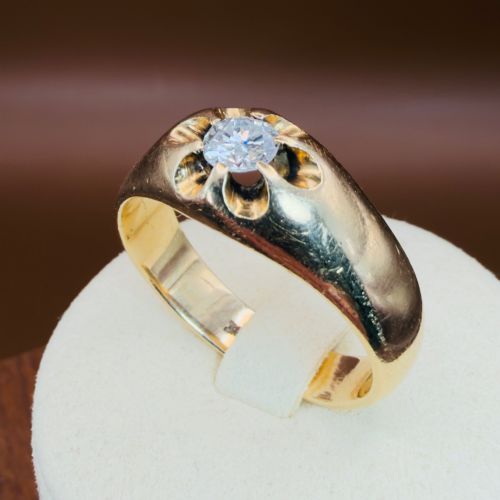
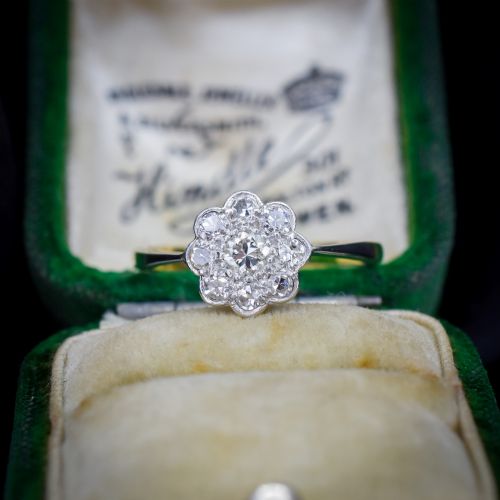
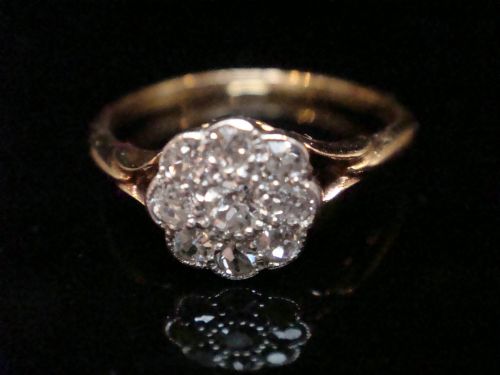
A vintage yellow gold ring spans multiple decades and aesthetic movements, encompassing delicate Edwardian boat settings, geometric Art Deco clusters, and robust Mid-Century signet and cocktail designs.
Buyers searching for a vintage yellow gold ring encounter an array of forms, including single-stone solitaires, multi-stone diamond bands, wedding bands, and colourful gemstone settings featuring sapphire, ruby, opal, and emerald.
The pieces available originate from various historical eras, stretching from late nineteenth-century Victorian creations through to mid-twentieth-century designs marked by distinct regional British and Continental craftsmanship.
Materials and Methods
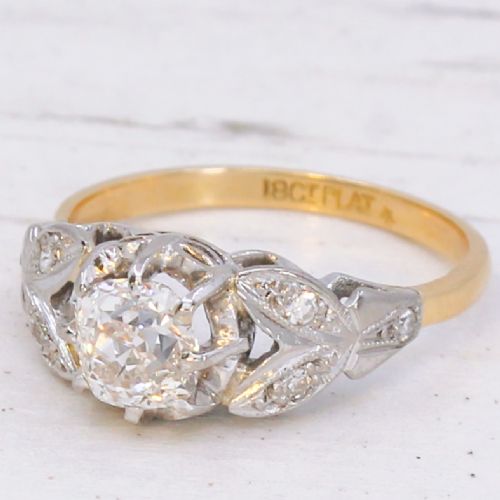
Craftsmen primarily utilised 18ct yellow gold alongside 22ct gold for traditional wedding bands and lower caratages such as 9ct for specific mid-century pieces, frequently combining yellow gold with platinum settings to securely mount white diamonds.
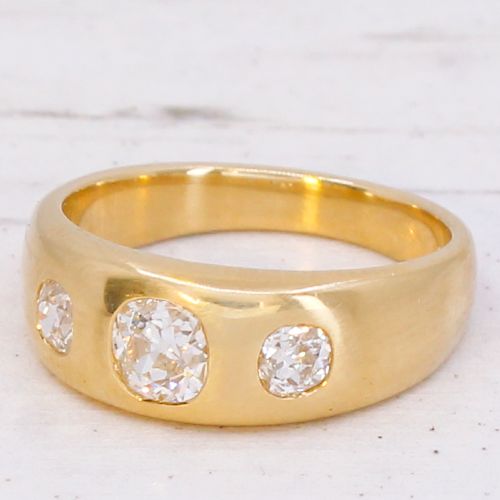
Gemstones such as old cut diamonds, rubies, sapphires, and opals were hand-set into handcrafted mounts, utilising techniques like bezel setting, claw setting, and flush gypsy mountings that characterise older jewellery production.
Vintage Yellow Gold Ring Retail Price Guide 2026
Typical asking prices for vintage yellow gold ring among the pieces listed under this phrase on Sellingantiques today, from the lower quarter to the upper quarter. They describe what is for sale here now, not the wider market.
Assessing Craftsmanship
The standard of a vintage yellow gold ring depends upon the precision of the stone setting, the weight and integrity of the gold band, and the overall preservation of original hand-carved or engraved details.
Superior examples display balanced gemstone proportions, secure claw or bezel work that shows minimal wear, and clear hallmarks indicating the assay office and year of manufacture.
Cartier Paris·FOPE·Kutchinsky
The Vintage Yellow Gold Ring Glossary
- Old cut diamond
- A diamond cut by hand before modern machinery, possessing a smaller table, higher crown, and distinctive facets that catch candlelight warmly.
- Boat ring
- A navette or boat-shaped setting popular in the Edwardian and late Victorian periods, designed to present a cluster of stones horizontally across the finger.
- Gypsy ring
- A style where gemstones are flush-set directly into a thick, tapering gold band, creating a smooth profile typical of late nineteenth and early twentieth-century designs.
- Hallmark
- An official stamp struck into precious metal indicating the purity standard, the assay office of origin, and the date of creation.
Vintage Yellow Gold Ring: Frequently Asked Questions
How do I care for a vintage gold ring?
Clean your ring gently using warm soapy water and a soft brush, avoiding harsh chemical dips that can damage softer gems like opals and pearls.
Store vintage pieces individually in fabric-lined boxes to prevent the gold and gemstones from scratching against other items.
Can these rings be resized safely?
Most yellow gold rings can be resized by a skilled jeweller who can match the carat purity and preserve any exterior hallmarks.
Pieces with continuous patterns, such as engraved wedding bands or certain channel-set stones, require extra care during alteration.
What does old cut mean?
Old cut refers to diamonds shaped largely by hand prior to the invention of modern automated sawing and faceting machines in the early twentieth century.
These stones typically feature smaller tables and deeper pavilions, producing a softer, candlelit sparkle rather than strict modern brilliance.
How do I identify the age?
Examine the inner band for official hallmarks, sponsor's marks, and date letters that correspond to British assay office records from cities like Birmingham or Chester.
The overall mounting style, gemstone cut, and setting technique also provide strong clues to whether a piece originates from the Victorian, Edwardian, or Art Deco era.