


18ct Yellow Gold Bracelet
An 18ct yellow gold bracelet brings together centuries of warm metalwork, durable links and set gems.
18ct Yellow Gold Bracelet
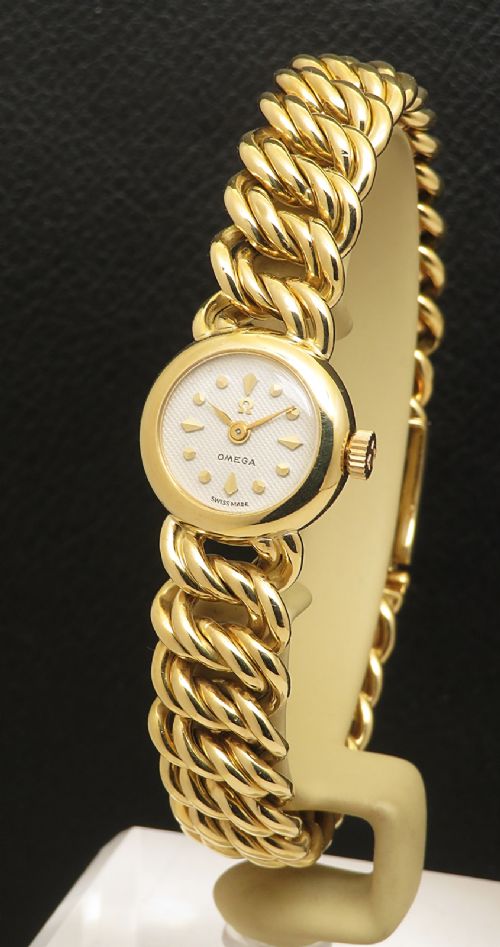
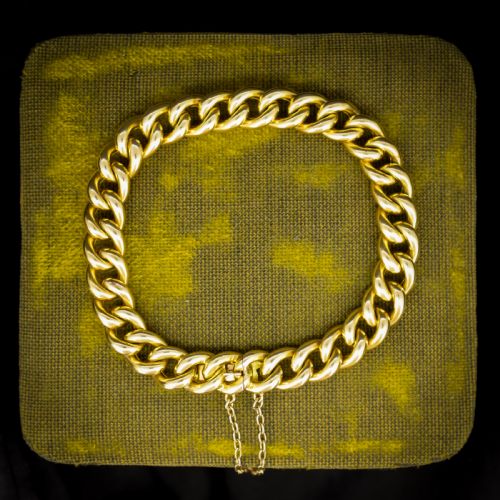
An 18ct yellow gold bracelet is a wrist ornament fashioned from high-purity gold, often incorporating gemstones or specific period designs. Buyers examining this category encounter everything from heavy Victorian curb links to delicate Edwardian pearl lines and geometric Art Deco creations. The pieces available span eras from the late nineteenth century through the mid-twentieth century, including items originating from French and Italian workshops.
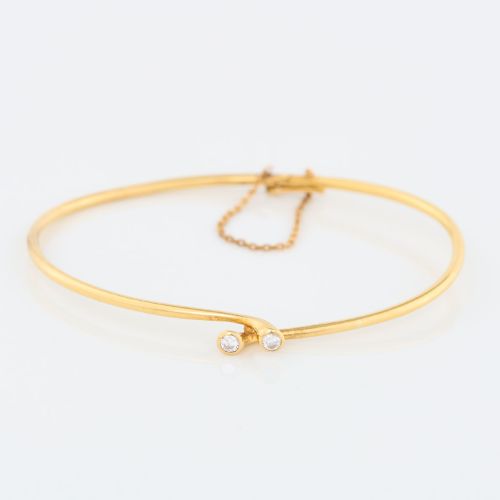
The forms extend beyond standard chain links to encompass hinged bangles, cuff bracelets, and charm-bearing designs. Many items combine the central gold structure with additional elements such as diamonds, sapphires, rubies, and seed pearls. These diverse formats reflect the shifting aesthetic priorities of eras ranging from the Victorian period to mid-century modern design.
How they were made
The foundation of an 18ct yellow gold bracelet relies on metal containing seventy-five percent pure gold, alloyed to provide sufficient strength for daily wear while retaining a rich colour. Goldsmiths shaped this material into solid curb links, articulated panels, and hollow or solid bangles using traditional casting, hand-hammering, and wire-drawing techniques. Metalwork from periods like the Edwardian era frequently integrates platinum alongside the gold to support delicate stone settings.
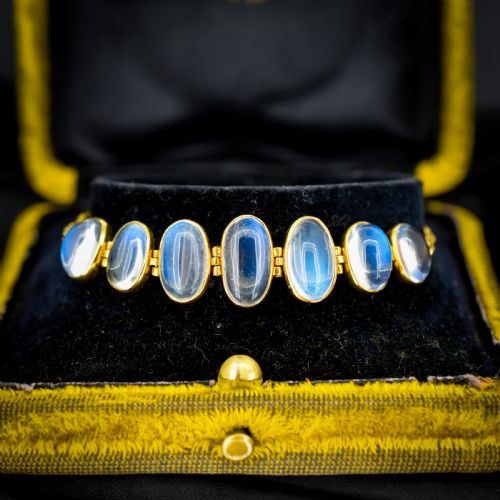
Gemstones including diamonds, sapphires, moonstones, and pearls were incorporated using flush settings, bezel settings, or detailed claw arrangements suited to the period style. Enamel work and delicate filigree occasionally complement the metal structure, particularly in French and Italian pieces from the early to mid-twentieth century.
Among the functional charms available in 18ct yellow gold are miniature dog houses and medical blood group medals.
What varies in quality
Quality in an 18ct yellow gold bracelet relates directly to the precision of the goldsmith's construction and the integrity of the materials used. Superior examples display robust link articulation, secure clasps that integrate seamlessly into the design, and well-matched gemstones with clean faceting. Evidence of hand-finished detailing in engraved patterns or pierced metalwork distinguishes finer items from standard production pieces.
The provenance and originality of components also influence distinction within this category. Pieces retaining their original boxes, intact hallmarks, and unaltered settings demonstrate greater structural integrity. Conversely, worn hinges, replacement links, or poorly secured stones indicate a lower tier of preservation.
Ilias Lalaounis
The 18ct Yellow Gold Bracelet Glossary
- Curb link
- A type of jewellery chain consisting of flat, interlocking links that lie relatively flat against the wrist. This sturdy form is frequently found in Victorian and Edwardian heavy gold bracelets.
- Bangle
- A rigid bracelet that slips over the hand or opens with a hinge and clasp mechanism. These solid circular ornaments often feature decorative stone settings or engraved surface patterns.
- Art Deco
- A design style spanning the 1920s and 1930s characterised by geometric symmetry, clean lines, and stark contrasts. Pieces from this era often pair 18ct yellow gold with structured arrangements of diamonds and sapphires.
- Hallmark
- An official stamp applied to precious metals indicating the purity of the gold and the origin of manufacture. These small marks help verify the material composition and historical period of a bracelet.
- Seed pearl
- A very small, naturally occurring or cultured pearl used in delicate cluster settings. Victorian and Edwardian jewellers commonly utilised these tiny pearls to accent gold floral and geometric motifs.
18ct Yellow Gold Bracelet: Frequently Asked Questions
How do I care for an antique gold bracelet?
Clean your 18ct yellow gold bracelet gently using warm water, mild soap, and a soft cloth to remove everyday oils. Avoid harsh chemical dips, particularly if the piece contains softer organic gems like pearls or porous stones.
Store the item separately in a lined box or pouch to prevent scratching from other jewellery items. Regular checks by a professional jeweller will ensure that settings and clasps remain secure.
Can I wear an 18ct gold bracelet daily?
An 18ct yellow gold bracelet possesses enough durability for regular wear due to the balance of pure gold and strengthening alloys. Solid link designs and sturdy bangles generally withstand daily routines better than delicate filigree or pearl-set items.
Consider the specific construction of the piece before engaging in strenuous physical activities. Removing the bracelet during manual work protects both the gold surface and any flush or claw-set gemstones.
How can I tell a Victorian bracelet from a later piece?
Victorian bracelets often feature heavier gold weights, intricate natural motifs, and deeper chasing or engraving. Pieces from this era frequently utilise rubies, amethysts, chrysoberyls, or seed pearls set in robust bezels.
Later styles, such as Art Deco or mid-century designs, shift toward geometric abstraction, platinum accents, and sleeker lines. Examining the construction methods and hallmarks provides further clarity on the specific era of manufacture.
What does 18ct yellow gold mean?
The term 18ct indicates that the metal contains eighteen parts pure gold out of twenty-four total parts by weight, equating to seventy-five percent purity. The remaining twenty-five percent consists of alloy metals like copper and silver that impart colour and structural strength.
This specific proportion provides the characteristic warm yellow hue associated with fine antique jewellery. It balances the rich appearance of high-purity gold with the durability required for detailed crafting.