
Blue Sapphire Halo Ring
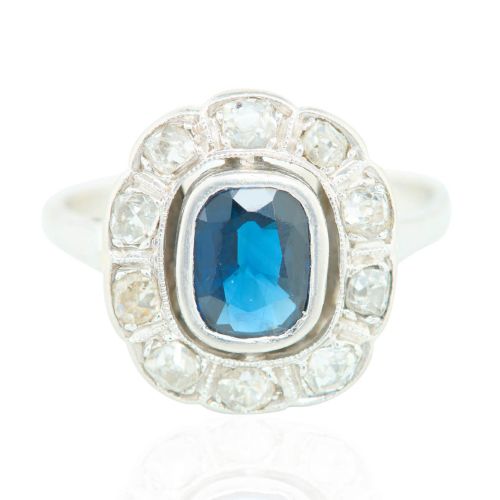
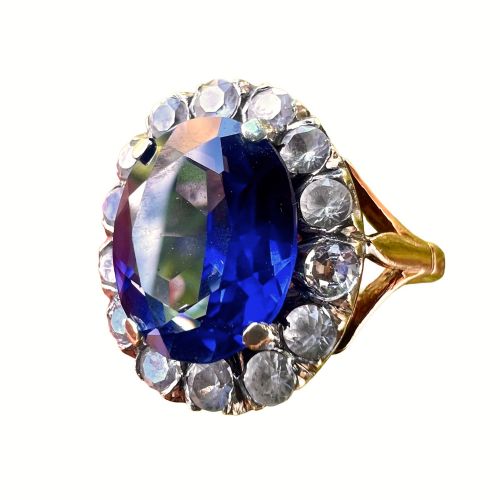
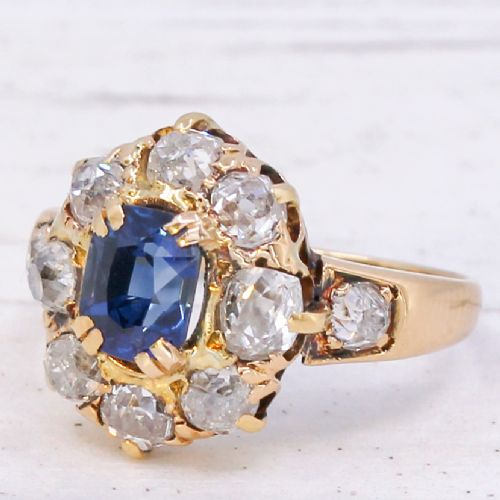
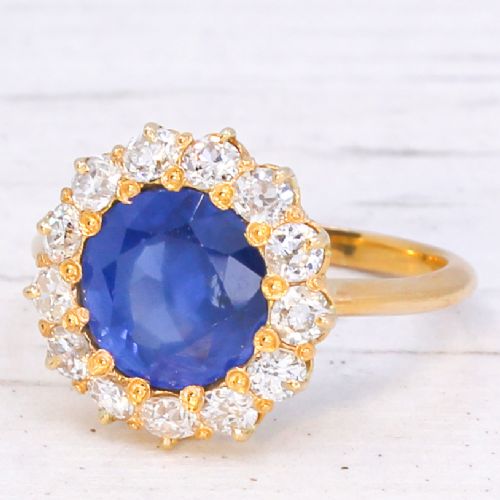
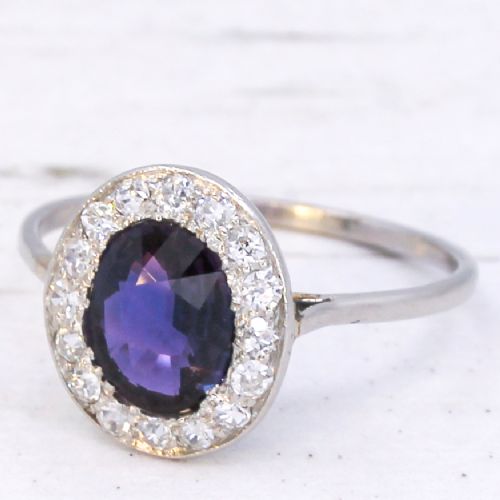
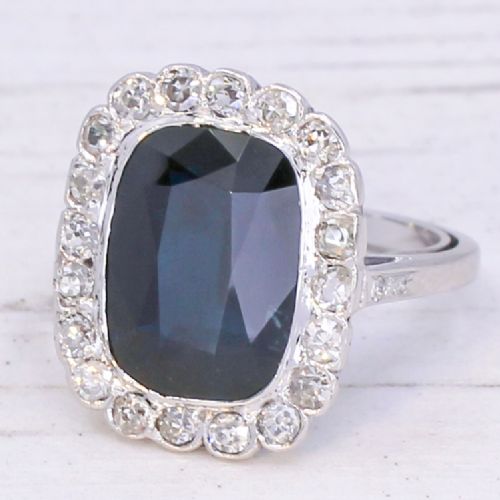
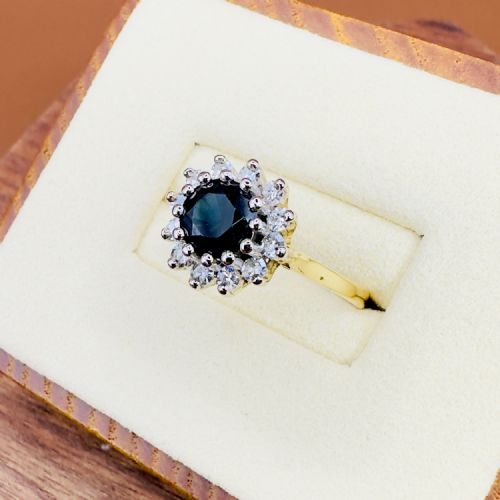
A blue sapphire halo ring brings together a bright central stone framed by diamonds, a format built to catch the eye across a crowded room.
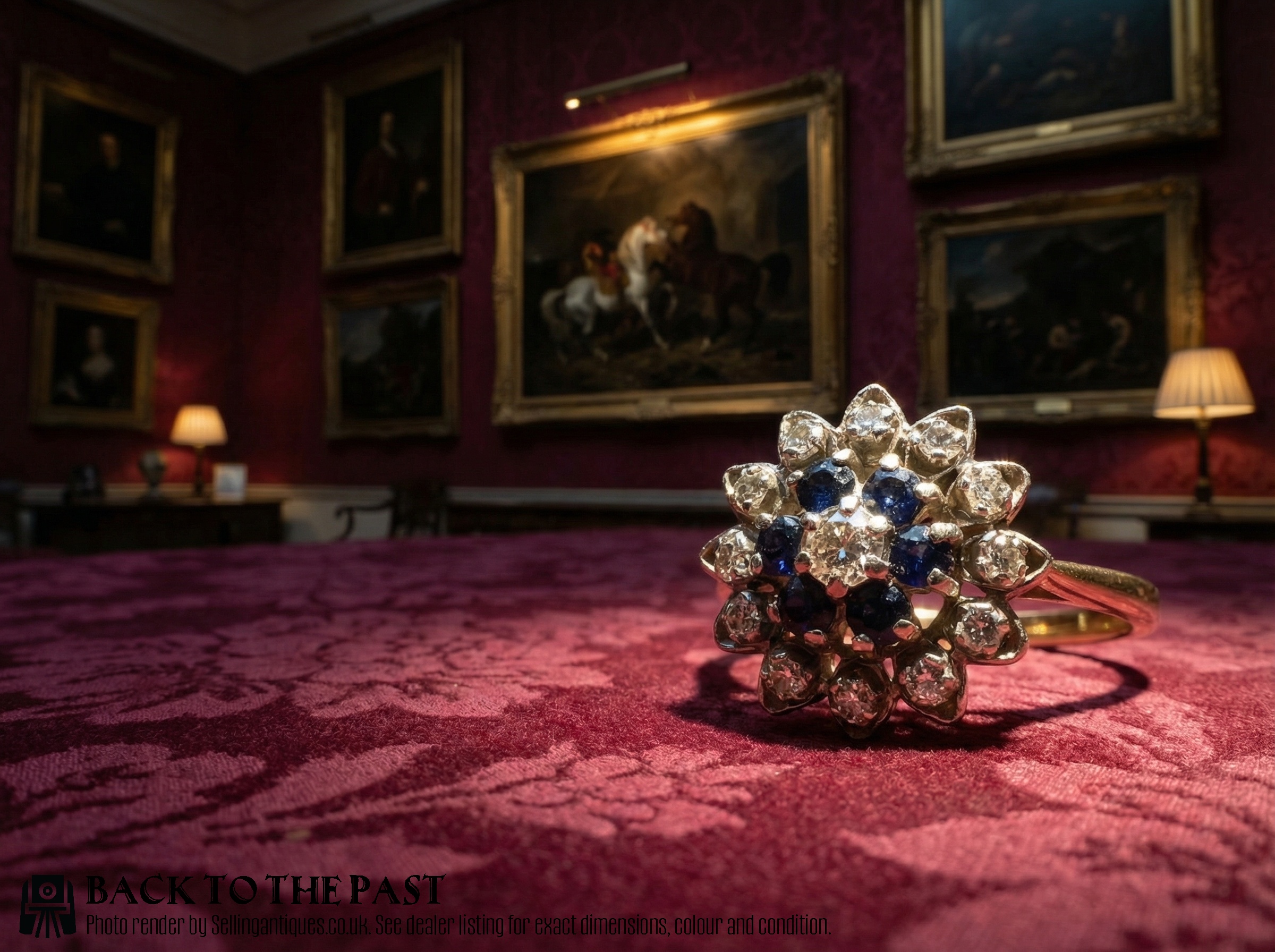
Blue Sapphire Halo Ring
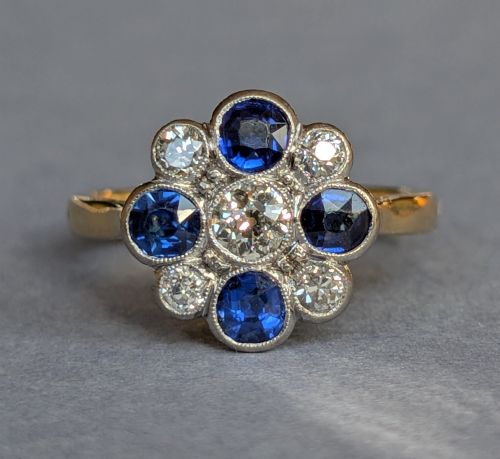
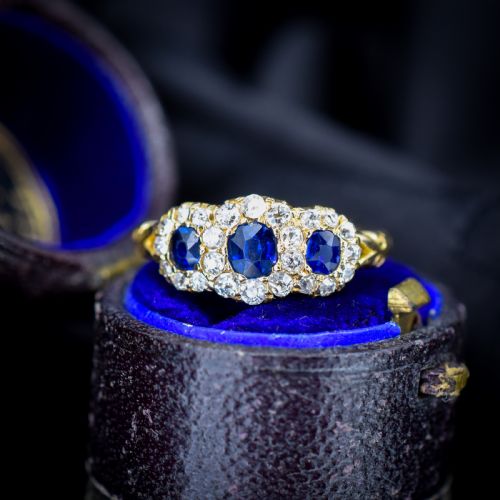
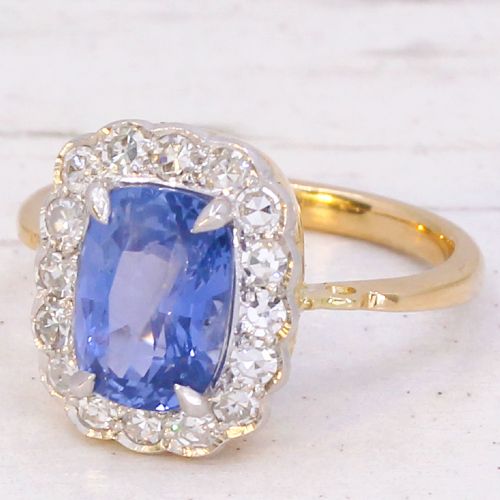
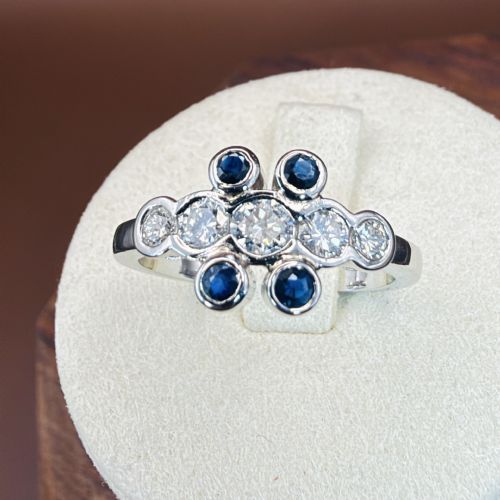
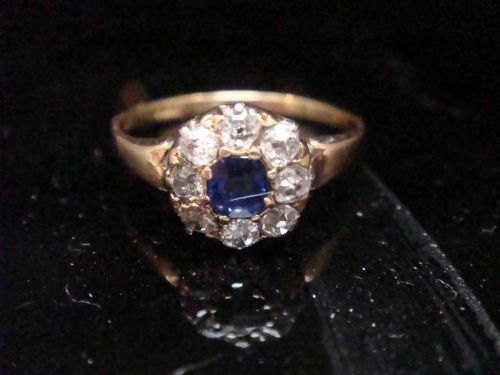
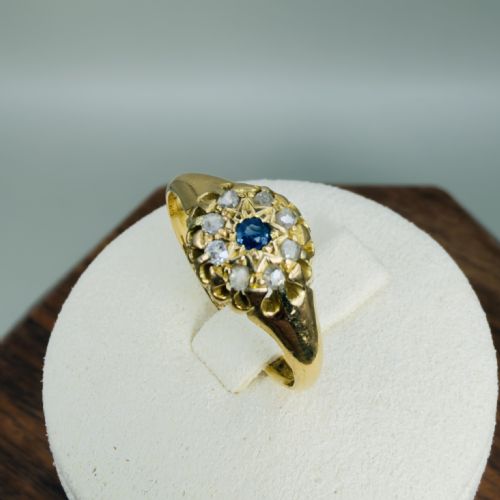
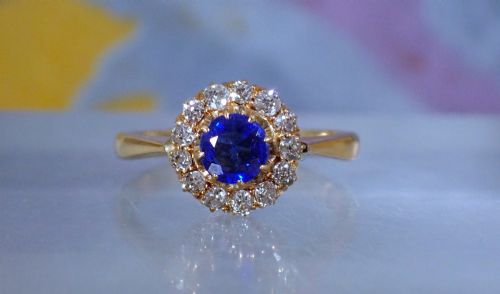
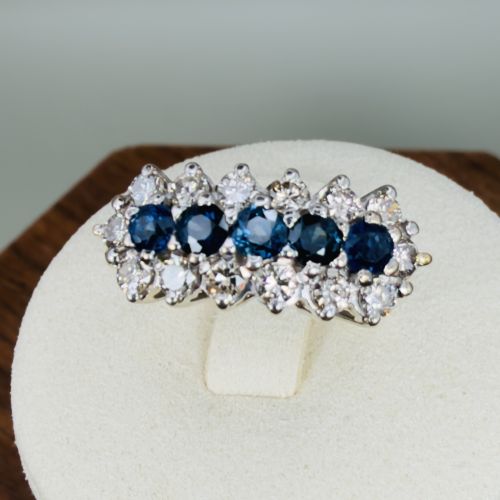
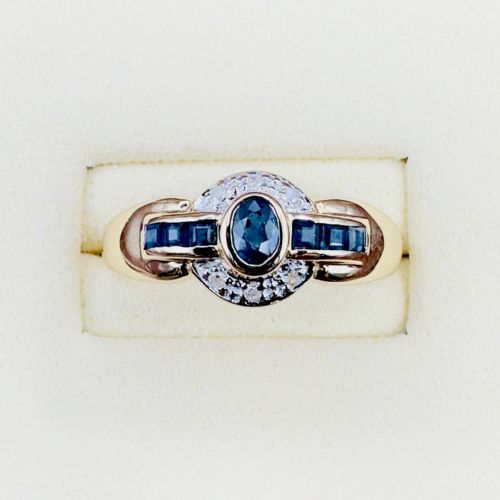
A blue sapphire halo ring places a vibrant blue corundum centre stage, encircled by a border of sparkling diamonds. This page brings together dress rings spanning the Victorian, Edwardian, Art Deco and Mid-Century periods, alongside vintage and antique examples.
Most entries follow the classic cluster format where a central sapphire is surrounded by old-cut, brilliant-cut or single-cut diamonds. Metal settings vary from platinum and 18ct white gold to traditional 18ct yellow gold, reflecting the shifting tastes of the decades from nineteen hundred through to nineteen sixty.
How they were made
Goldsmiths combined platinum and various purities of gold, notably 18ct yellow and white gold, to mount the gems securely while minimising visible metal. Platinum settings became particularly prominent during the Art Deco era, allowing for fine millegrain edges and intricate geometric arrangements around the stones.
Stones were hand-set using claw, bezel or calibre-cut techniques, depending on the period style. Master lapidaries shaped sapphires into oval, round, cushion or targeted cuts, often accompanied by origin details noting sources such as Ceylon, Burma or basaltic fields.
Blue Sapphire Halo Ring Retail Price Guide 2026
Typical asking prices for blue sapphire halo ring among the pieces listed under this phrase on Sellingantiques today, from the lower quarter to the upper quarter. They describe what is for sale here now, not the wider market.
Listings span periods from Victorian and Edwardian through Art Deco to Mid-Century, utilising platinum and 18ct gold.
What varies in quality
Quality rests primarily on the natural characteristics of the central sapphire, including saturation, clarity and whether the stone has undergone thermal enhancement. Unheated stones from specific origins command distinct interest from collectors compared to treated or synthetic alternatives.
The precision of the surrounding diamond work and the integrity of the metal setting further separate individual examples. Hand-carved shoulders, crisp hallmarks and symmetrical cluster arrangements distinguish exceptional jeweller output from standard production.
Le Vian
The Blue Sapphire Halo Ring Glossary
- Halo
- A concentric ring of smaller gemstones, usually diamonds, encircling a larger central stone to enhance its visual presence. This setting style has remained popular across Victorian, Edwardian and Art Deco jewellery design.
- Old Cut
- A precursor to the modern brilliant cut, featuring a smaller table, higher crown and open culet hand-polished by historical lapidaries. These stones scatter candlelight and soft illumination distinctively.
- Cluster
- An arrangement of multiple gemstones grouped tightly together, frequently featuring a prominent central sapphire surrounded by diamonds. This format maximises surface sparkle and colour contrast.
- Calibre Cut
- Gemstones specifically shaped and cut to fit tightly against one another in geometric channels with minimal visible metal between them. This technique defines many crisp Art Deco designs.
- Millegrain
- A decorative technique featuring a row of tiny, raised metal beads along the edges of a setting. It adds a refined texture typical of Edwardian and platinum-mounted pieces.
Blue Sapphire Halo Ring: Frequently Asked Questions
How do I wear a halo ring daily?
Protect the setting by removing the ring during heavy manual work or gardening, as sustained impacts can loosen claw settings over decades. Regular checks by a professional jeweller ensure the central sapphire and surrounding diamonds remain secure in their mountings.
Store the piece individually in a fabric-lined box to prevent harder diamonds from scratching neighbouring gold or platinum surfaces. Gentle cleaning with warm soapy water and a soft brush maintains the brilliance of both the sapphire and the diamond halo.
Are unheated sapphires more desirable?
Stones that have not undergone thermal enhancement carry distinct geological rarity, which collectors prize above treated equivalents. Gemological reports often accompany these pieces to verify the natural origin and absence of heat treatment.
Heated stones remain entirely traditional and offer vivid saturation at a different level of availability. Both treated and unheated examples appear across the historical periods represented on this page.
What defines an Art Deco halo ring?
Art Deco pieces from the nineteen twenties and thirties favour geometric symmetry, platinum settings and contrasting calibre-cut stones. The overall silhouette often moves away from softer floral curves toward sharp lines and stepped shoulders.
White metals dominate this period, providing a monochromatic backdrop that intensifies the deep blue of the central sapphire. Millegrain detailing and precise mil-grain edges complete the distinct architectural aesthetic.
How do I identify an Edwardian ring?
Edwardian examples typically showcase light, airy platinum-topped yellow gold settings with delicate floral or daisy motifs. The emphasis rests on grace and fine craftsmanship, often incorporating old-cut diamonds around an oval or round sapphire.
These pieces date from the early twentieth century and reflect a romantic, intricate approach to cluster design. Lower profile mounts and open-work galleries are common characteristics of the era.