
Antique Gold Sapphire Ring
An antique gold sapphire ring combines deep blue stones with warm gold settings, offering a tangible link to Victorian and Edwardian craftsmanship.

Defining the antique gold sapphire ring
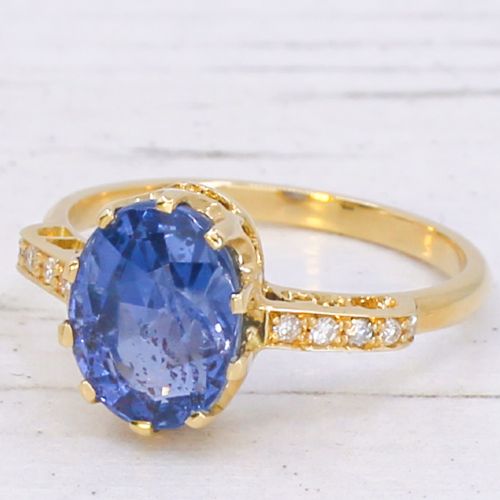
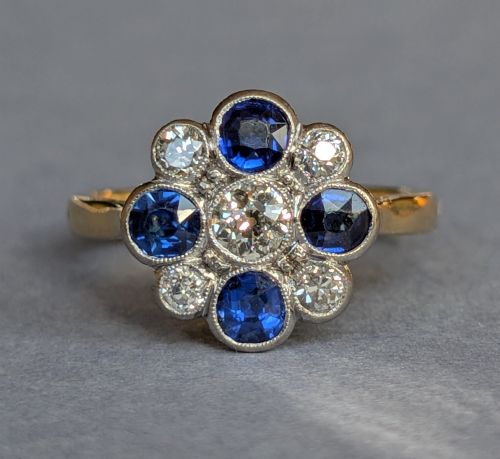
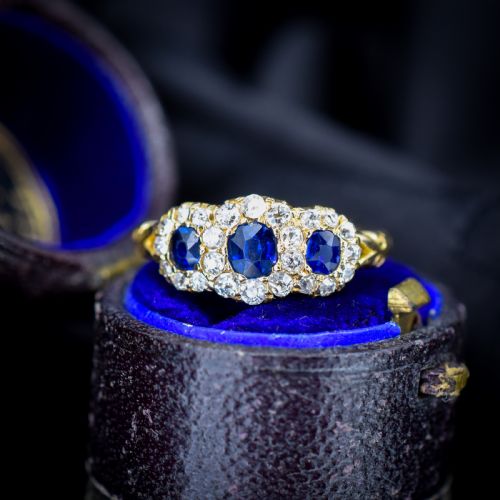
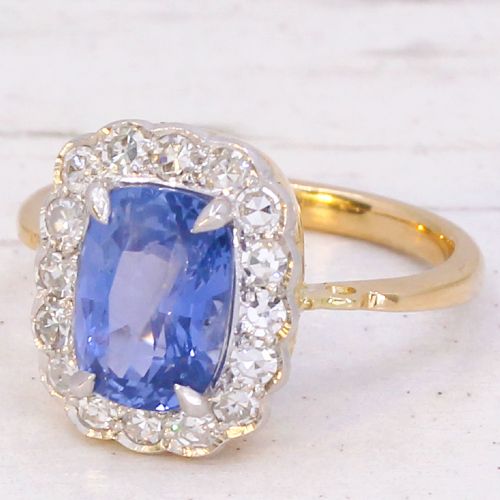
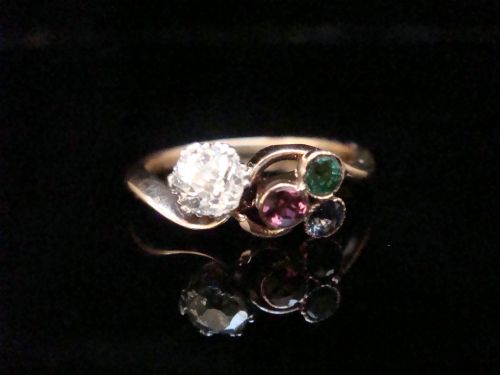
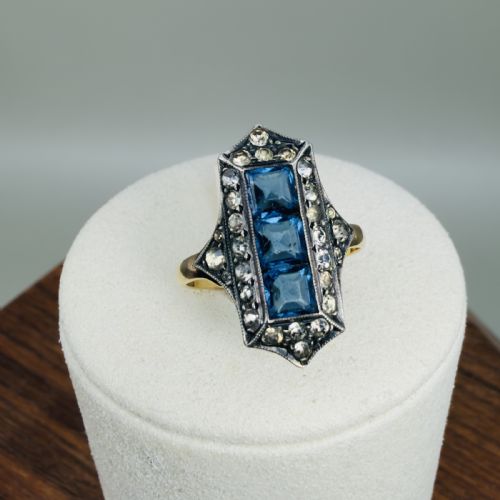
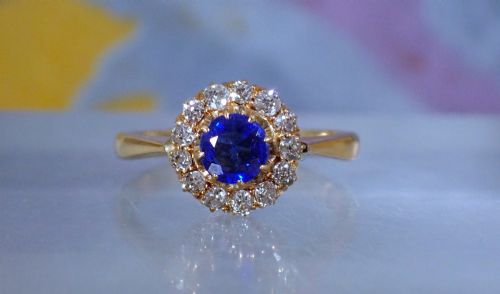
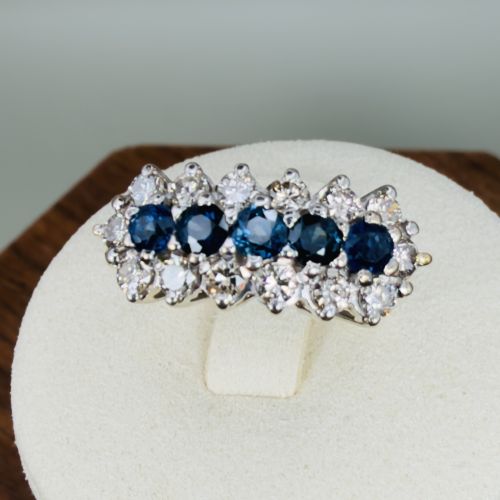
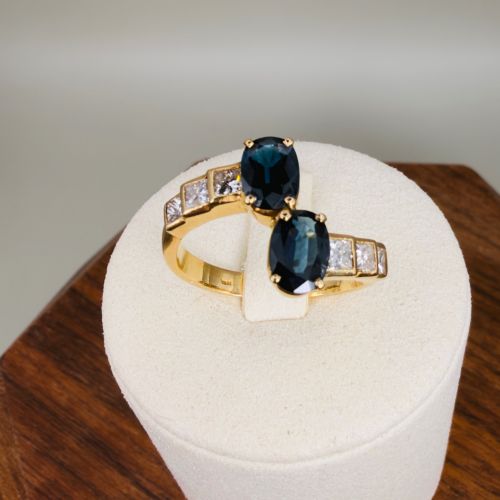
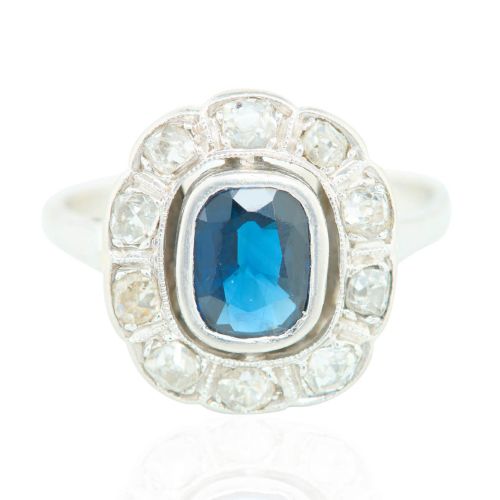
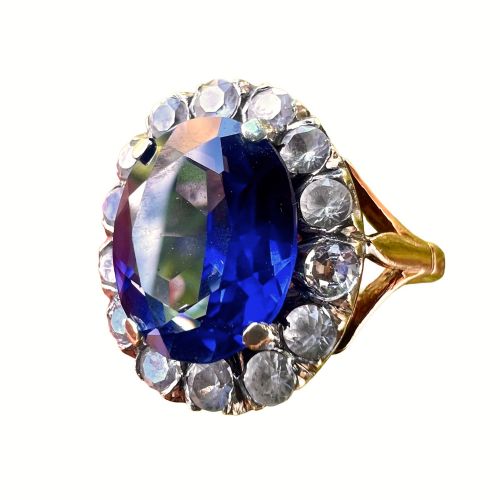
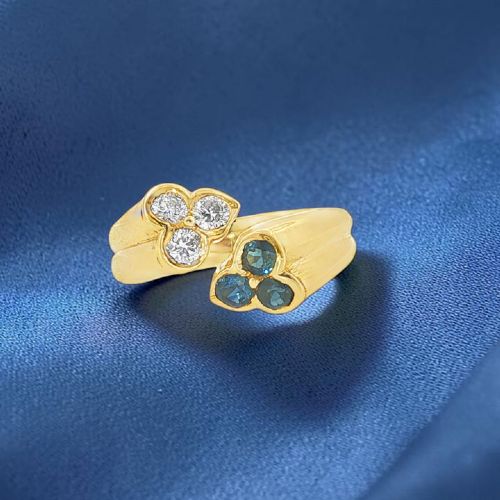
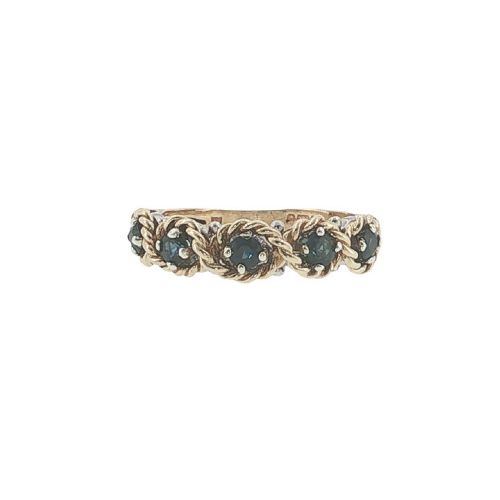
An antique gold sapphire ring spans periods from the nineteenth century through the 1950s, encompassing Victorian, Edwardian, and Art Deco styles. These pieces frequently pair deep blue sapphires with diamonds in cluster, daisy, trilogy, and boat configurations.
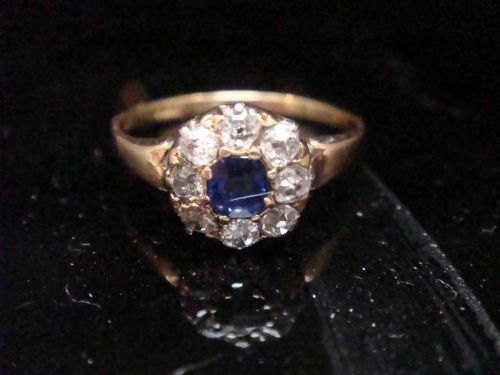
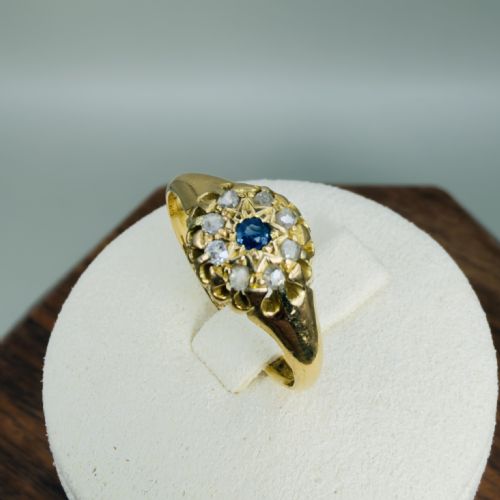
The most common version met on this page is the 18ct yellow gold cluster or daisy ring, often featuring a central sapphire framed by old cut diamonds. Alongside these, nineteenth-century boat rings and early twentieth-century gypsy settings appear regularly in the listings.
Makers utilised various gold purities, predominantly 18ct yellow or white gold, alongside 9ct gold and platinum. Stones range from natural Burmese and Ceylon sapphires to white sapphires and paste, reflecting the diverse origins of the pieces.
Materials and construction
Goldsmiths constructed these rings using 18ct yellow gold, 18ct white gold, 9ct gold, and platinum. Settings often combined gold with silver or platinum to enhance the brilliance of old cut diamonds set alongside the sapphires.
Master craftsmen shaped stones into oval, baguette, and old cuts, securing them within cluster, boat, gypsy, and trilogy frameworks. Hallmarks stamped into the metal frequently record assay offices in towns such as Chester, Birmingham, and London.
Retail Price Guide 2026
Typical UK retail prices for gold sapphire ring, calculated from the Sellingantiques database of over a million retail prices indexed since 2003. This retail price guide relies exclusively on Sellingantiques data; no external sources or auction records are used, so the figures do not describe the wider market.
Materials recorded across the inventory include 18ct yellow gold, 18ct white gold, 9ct gold, platinum, and silver.
Distinctions in quality
The hierarchy of these rings rests on the origin and saturation of the sapphire, alongside the cut and clarity of any accompanying diamonds. Natural Burmese or Ceylon stones command greater attention than synthetic or paste alternatives.
Structural heft and refinement of the metalwork separate simpler examples from exceptional pieces. Heavy 18ct gold gypsy and boat rings demonstrate substantial weight and careful hand-finishing by period artisans.
The Antique Gold Sapphire Ring Glossary
- Daisy ring
- A cluster configuration where central sapphires are encircled by smaller diamond petals. This floral arrangement dominated Edwardian and Art Deco jewellers' output.
- Bateau ring
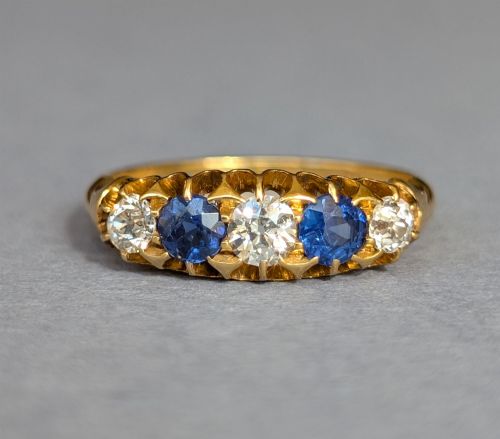
- A boat-shaped mounting that curves gently across the finger. Victorian examples often arrange stones linearly within this horizontal silhouette.
- Old cut diamond
- A precursor to the modern brilliant cut featuring a smaller table and higher crown. These stones display hand-faceted proportions typical of nineteenth and early twentieth-century work.
- Gypsy ring
- A heavy band where stones are flush-set directly into the thick metal. This style provided durability for daily wear during the Victorian era.
- Trilogy ring
- A three-stone setting usually featuring a central sapphire flanked by two diamonds. The formation represents past, present, and future.
Frequently Asked Questions
Can I wear an antique gold sapphire ring daily?
Sapphires possess high natural hardness, making them suitable for regular wear when set securely in durable metals like 18ct gold. Owners simply need to exercise care with older settings and delicate claw work.
Regular inspections by a professional jeweller help ensure the stones remain firm within their original mountings over decades of use.
What is an Art Deco sapphire ring like?
Art Deco pieces from the 1920s favour geometric lines, frequently utilising white gold or platinum to contrast against deep blue sapphires and sharp diamond accents. Cluster and plaque forms dominate this era.
The metalwork reflects a shift towards streamlined industrial aesthetics while retaining traditional hand-setting techniques.
Are these sapphires natural?
The listings encompass both natural stones, including documented Burmese and Ceylon origins, and alternative materials like paste or synthetic colour change stones. Period jewellers selected stones based on the desired visual impact and cost.
Documentation and professional gemological reports offer precise clarification on stone origin for significant pieces.