

Underglaze Blue Wall Plate
These underglaze blue wall plate examples bring deep cobalt decoration into domestic interiors across various traditions.
Underglaze Blue Wall Plate
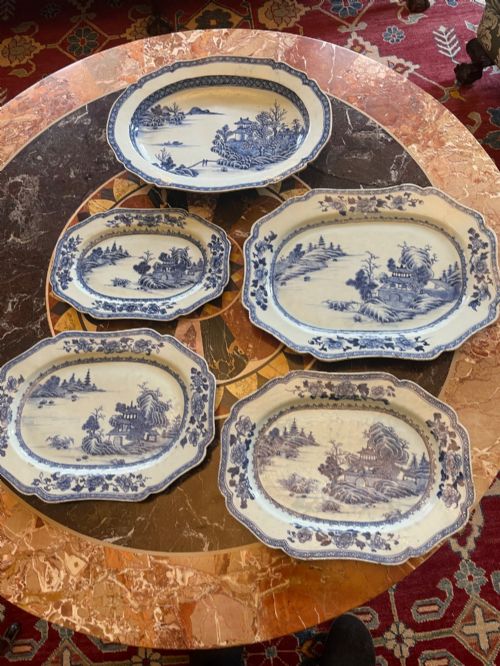
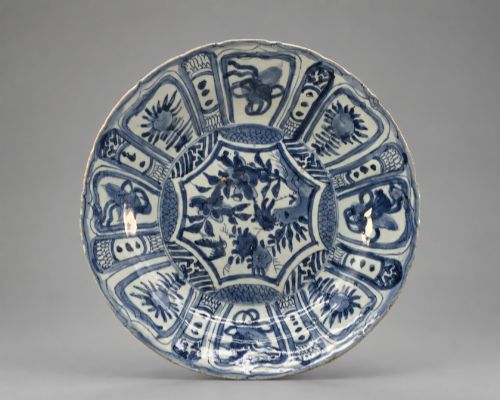
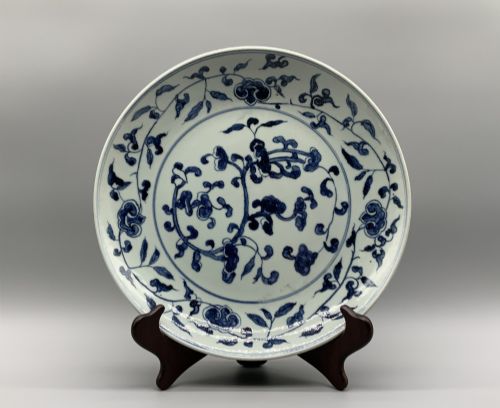
An underglaze blue wall plate serves primarily as a decorative dish or charger intended for display rather than daily service at the table. These objects range from standard dinner plate dimensions to large chargers spanning significant diameters.
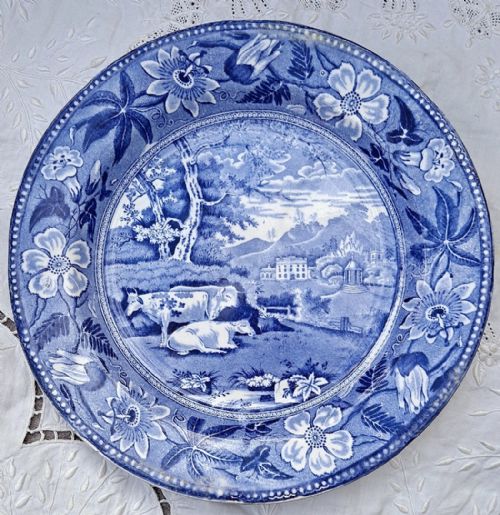
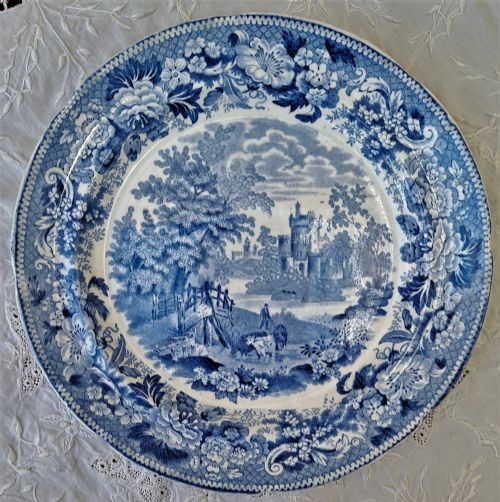
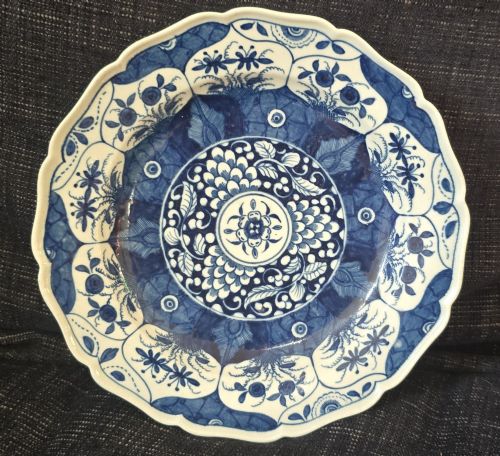
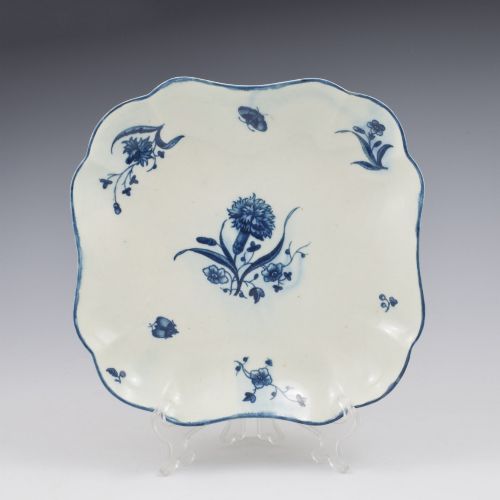
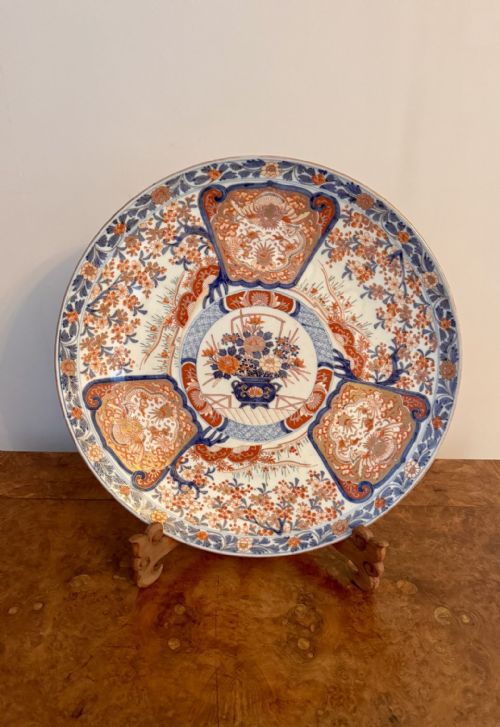
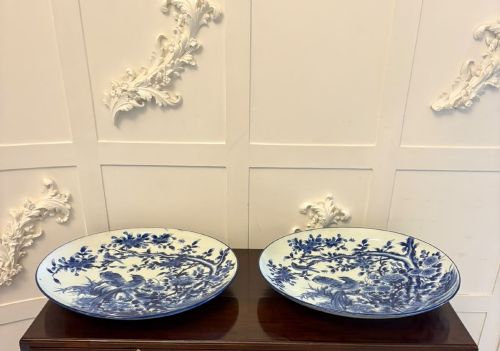
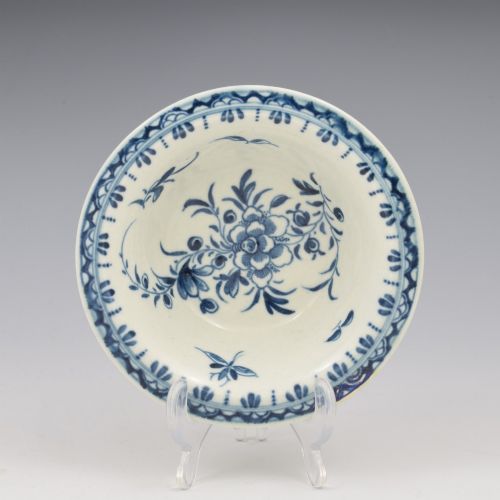
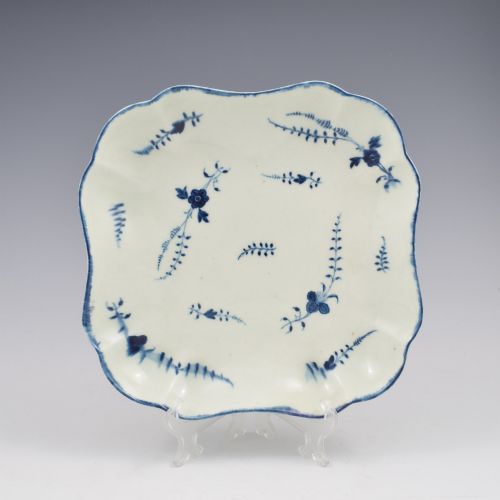
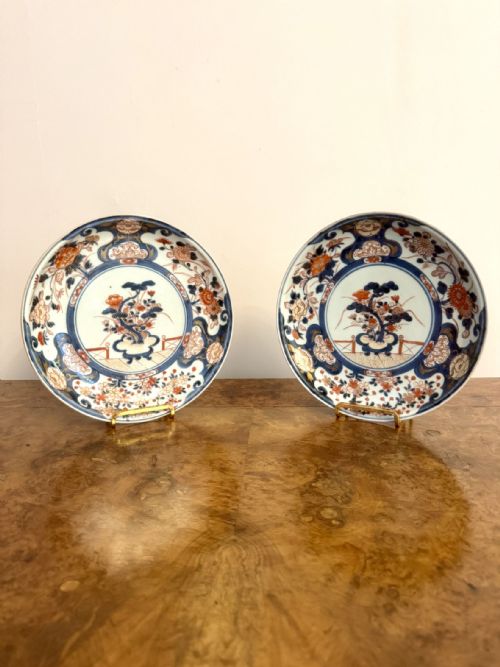
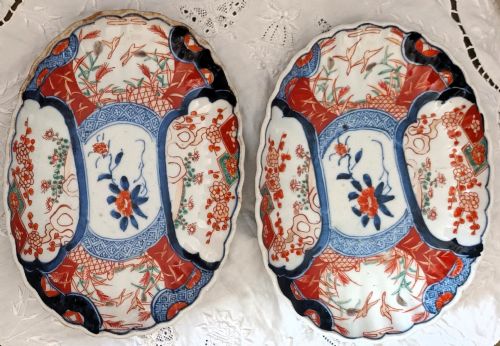
The selection on this page draws heavily from eighteenth-century English factories, Chinese export kilns, and Japanese Arita imari production. Japanese imari plates and larger chargers from around nineteen hundred represent a substantial portion of the available forms.
Buyers encounter distinct regional aesthetics spanning Georgian transferware, Kangxi period porcelain, and Meiji period Japanese wares. Each piece reflects the specific manufacturing focus of its origin, whether European soft-paste porcelain or Asian hard-paste ceramic.
Materials and Techniques
Makers applied cobalt oxide pigments directly to the ceramic body before glazing and firing at high temperatures. This underglaze technique ensured the blue decoration fused permanently beneath a clear protective glass layer.
The material base shifts between standard ceramic, earthenware, soft-paste porcelain, and pearlware depending on the origin and period. Selected pieces incorporate additional embellishments such as enamel highlights or gold leaf applied over the glaze.
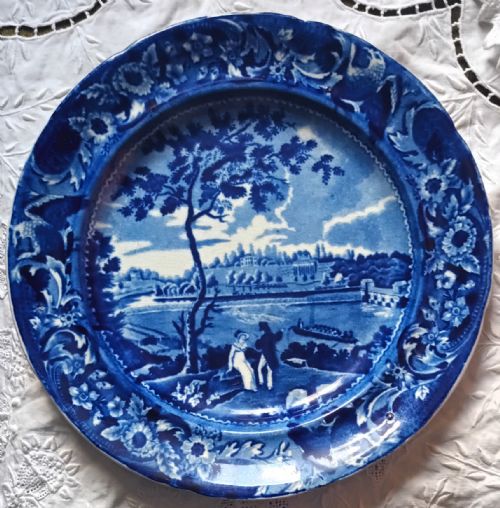
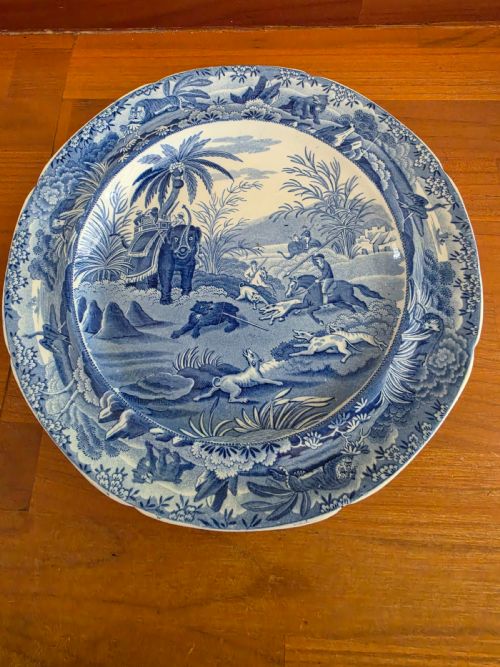
Transfer printing technology allowed English potteries to apply intricate topographical and narrative scenes onto earthenware plates with consistent precision. Traditional hand-painting remained the primary method for defining the brushwork on oriental blue and white porcelain chargers.
Underglaze Blue Wall Plate Retail Price Guide 2026
Typical asking prices for underglaze blue wall plate among the pieces listed under this phrase on Sellingantiques today, from the lower quarter to the upper quarter. They describe what is for sale here now, not the wider market.
Listings feature porcelain, earthenware, and pearlware bodies decorated with cobalt glaze, enamel, and gold leaf.
Distinctions in Quality
The clarity and depth of the cobalt pigment dictate much of the visual success of the design. Superior examples display crisp lines and rich tonal variations where the underglaze blue sits smoothly beneath the clear glass surface.
Complexity and refinement in the hand-painted or transfer-printed composition separate standard production items from finer specimens. Well-executed pieces maintain balance across the well and rim, aligning the decorative motifs harmoniously with the shape of the plate.
The physical condition of the ceramic body, glaze integrity, and the retention of supplementary enamel or gold leaf details influence the overall standing of each plate or charger.
Stubbs·Spode·Caughley
The Underglaze Blue Wall Plate Glossary
- Underglaze
- A method of decorating pottery where pigment is applied to the raw ceramic body before the glaze is added and fired. This protects the design beneath a glassy layer.
- Charger
- A large decorative plate or platter traditionally used for display or service. These items usually exceed standard dinner plate diameters.
- Soft-paste porcelain
- A ceramic composition made from white clay mixed with ground glass and other materials, fired at lower temperatures than hard-paste porcelain.
- Imari
- A style of Japanese export porcelain characterised by a palette of underglaze blue, iron red, and gold. Production centred around the town of Arita.
- Pearlware
- A refined earthenware developed in eighteenth-century England featuring a slight bluish tint in the glaze to mimic Chinese porcelain.
Underglaze Blue Wall Plate: Frequently Asked Questions
How were these plates displayed originally?
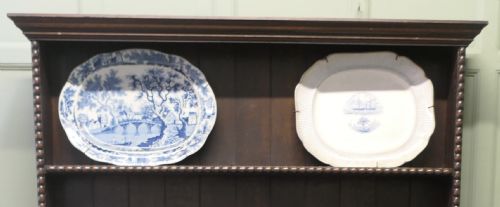
Large chargers and decorative plates were frequently mounted on walls or set upon sideboards to showcase wealth and taste.
Domestic interiors in both European and Asian traditions utilised these ceramic objects as primary decorative focal points within reception rooms.
Are these plates suitable for food use?
Most antique wall plates and chargers are intended strictly for display and collection purposes rather than modern dining.
Potential lead content in historic glazes and fragile ceramic bodies mean these pieces are best preserved away from daily culinary service.
How do I identify Japanese Imari?
Japanese Imari porcelain typically combines underglaze cobalt blue with iron red enamel and gold highlights across the surface.
These pieces often feature complex floral or aquatic motifs, including koi carp and botanical arrangements, originating from Arita kilns.
What is transfer printing?
Transfer printing is a technique where an engraved copper plate transfers a design onto tissue paper, which is then pressed onto the ceramic body.
This method allowed English factories to produce intricate pictorial scenes, such as historical views and willow patterns, with consistent accuracy.