

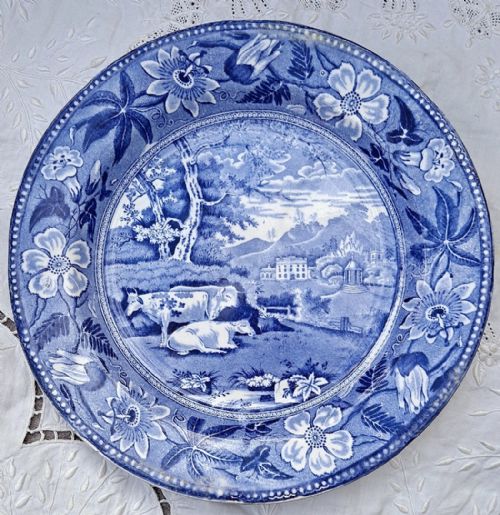
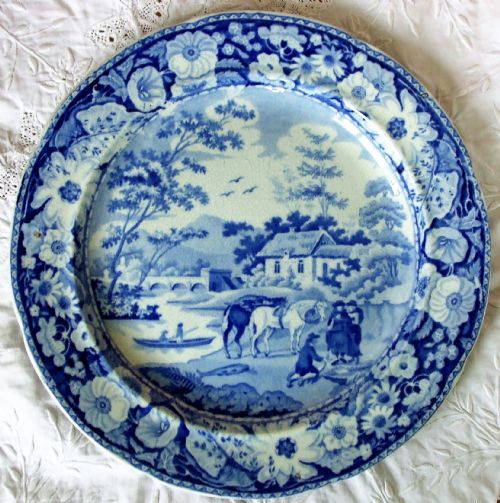
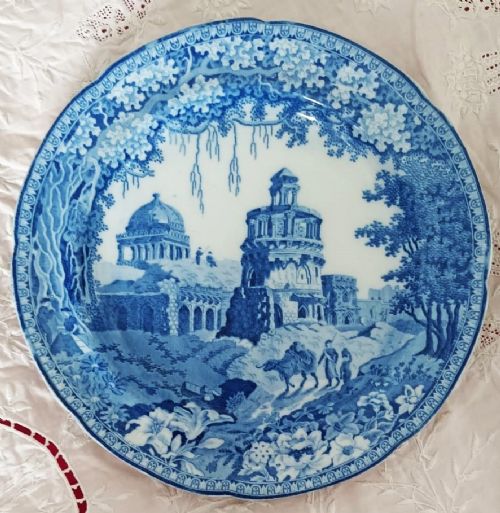
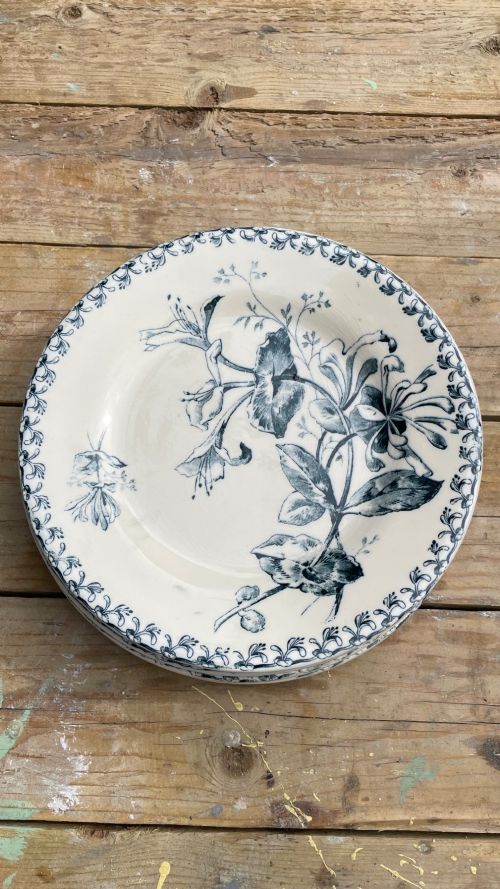
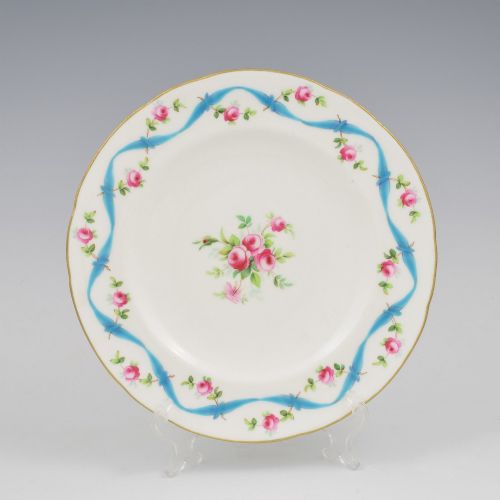
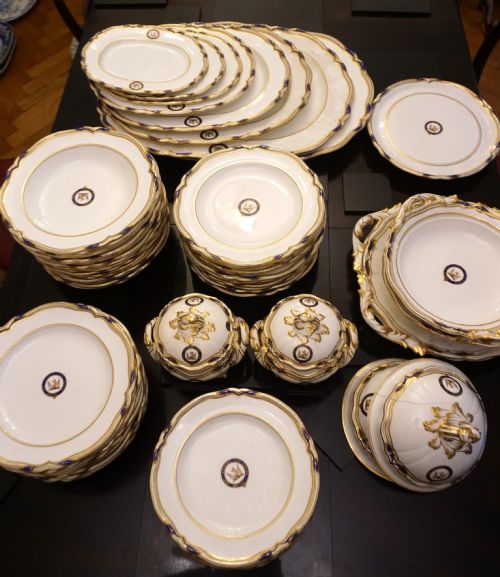
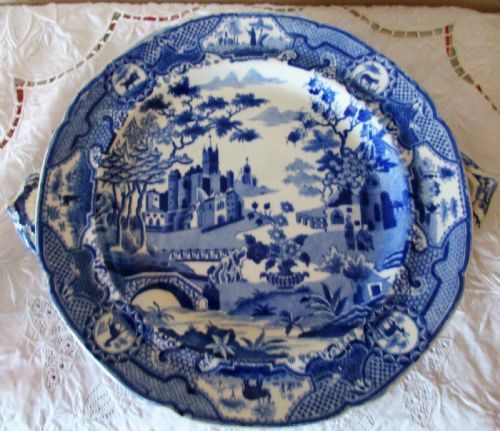
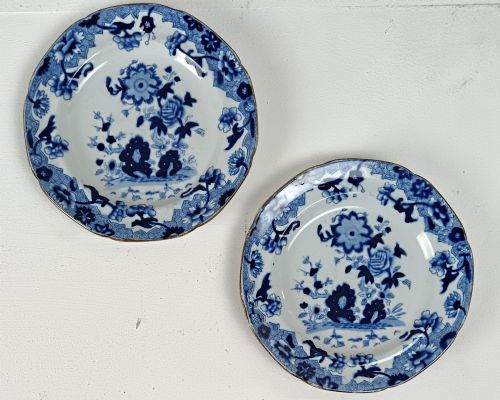


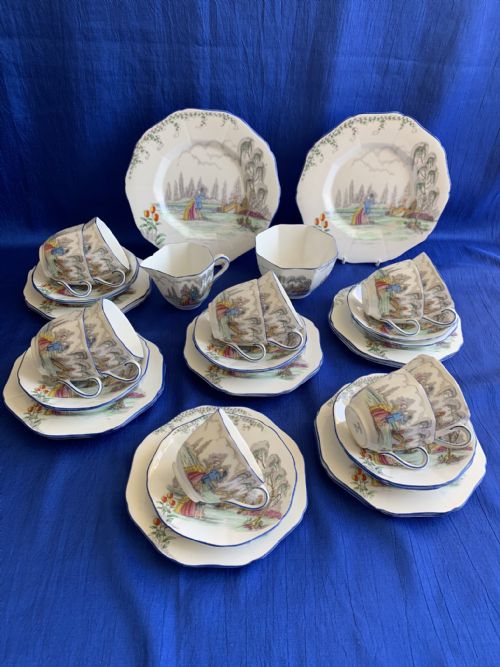
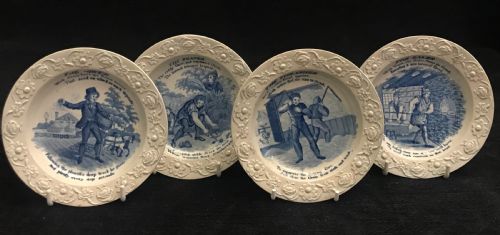


Blue White Tableware Plate
These blue white tableware plate examples bring enduring cobalt design to the table, offering practical service alongside decorative charm.
Blue White Tableware Plate
A blue white tableware plate brings together centuries of ceramic history, ranging from Georgian transferware to Victorian porcelain service pieces. These domestic items cover diverse dining needs, from large dinner services to individual dessert plates and soup dishes.
Most examples encountered here originate from the nineteenth century, spanning Georgian, Victorian, and later periods. Makers across England and France utilised familiar patterns such as Italian scenes and floral motifs to decorate earthenware and porcelain.
Forms vary significantly according to their original purpose, including hot-water plates designed to keep food warm and deep soup dishes. Collectors find both individual decorative items and extensive sets intended for formal dining.
Materials and Techniques
Potters relied primarily on earthenware, pearlware, and porcelain bodies, applying cobalt blue pigments under or over the glaze before firing. Transfer printing allowed workshops to apply intricate pictorial scenes onto ceramic surfaces with remarkable consistency.
Glazes provided a protective glassy coating over the porous ceramic bodies, sometimes incorporating specialist finishes like pearlware glaze or gilt accents. Kiln firing temperatures determined the durability of the piece and the depth of the blue colouration.
Blue White Tableware Plate Retail Price Guide 2026
Typical asking prices for blue white tableware plate among the pieces listed under this phrase on Sellingantiques today, from the lower quarter to the upper quarter. They describe what is for sale here now, not the wider market.
Factors of Quality
Quality rests upon the clarity of the transfer print and the smoothness of the ceramic glaze free from excessive kiln blemishes. Finer bodies, particularly porcelain and early pearlware, exhibit thinner walls and greater refinement than standard earthenware.
The reputation of the maker and the complexity of the pattern heavily influence distinction within this category. Well-documented factories like Spode or Wedgwood achieved superior definition in their cobalt decoration compared to lesser-known potteries.
William Adams·John Rogers And Son·Minton·Spode·Grainger And Co Royal Worcester·Wedgwood·Copeland Spode
The Blue White Tableware Plate Glossary
- Transferware
- Earthenware or porcelain decorated by printing a design from an engraved copper plate onto tissue paper, then transferring it to the ceramic biscuit before glazing. This technique revolutionised mass production of patterned ceramics in the eighteenth and nineteenth centuries.
- Pearlware
- A refined earthenware developed by Josiah Wedgwood in the late eighteenth century featuring a subtle bluish glaze that made the ceramic body appear wheter. It served as a popular substrate for blue and white transfer printed scenes.
- Earthenware
- A porous ceramic body fired at lower temperatures, requiring a vitreous glaze to become watertight. It forms the foundation for the majority of nineteenth-century domestic plates and dishes.
- Gilt
- A thin layer of gold applied to the edges or surface of ceramic tableware for decorative effect. It is typically found on finer dessert and tea plates from the Victorian period onwards.
- Soup Plate
- A tableware piece with a wide rim and a deep central well, designed specifically for serving liquid-based courses. These items often feature heavier ceramic bodies to retain heat.
Blue White Tableware Plate: Frequently Asked Questions
How do I date an old plate?
Dating relies on identifying backstamps, ceramic bodies like pearlware, and stylistic cues specific to the Georgian or Victorian eras.
Potters often changed their marks or registered patterns during specific years, which helps narrow down the period of manufacture.
Are these plates safe for daily use?
Many nineteenth-century plates remain structurally sound for gentle use, though historic glazes require careful hand washing.
Collectors often prefer to display them or reserve them for special occasions to protect the glaze and any gilt highlights.
How should I display my plates?
Plates can be shown using secure wall hangers or stable plate stands placed on sideboards and cabinets.
Proper support prevents accidental slips while allowing the blue and white patterns to remain fully visible in a room.