





Underglaze Blue Imari Porcelain
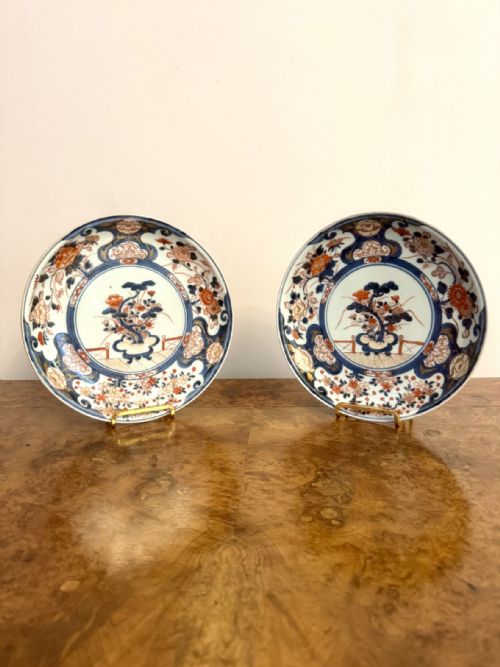
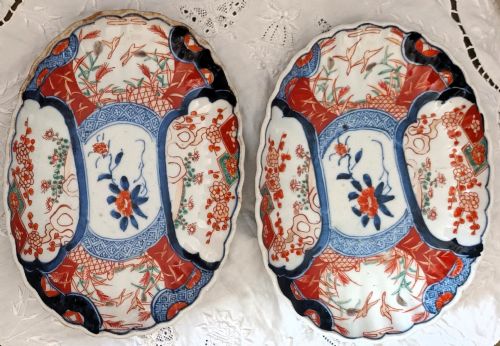
Underglaze blue imari porcelain brings together rich cobalt painting and iron-red enamel highlights on hard-paste ceramic, offering bold pattern and colour for display.
Underglaze Blue Imari Porcelain
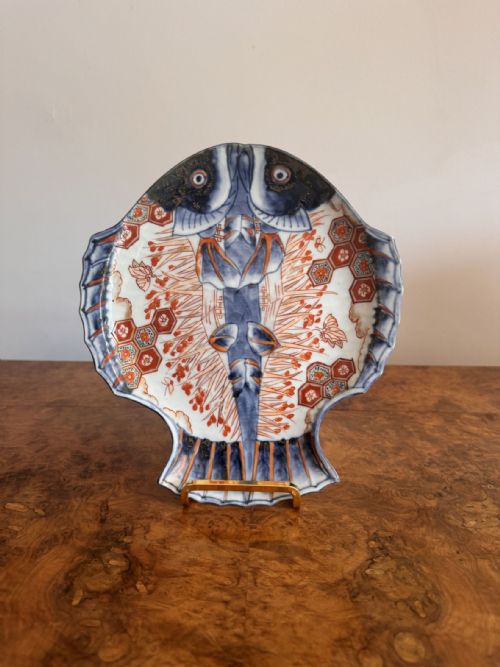
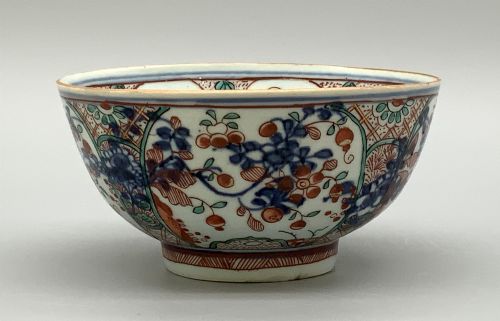
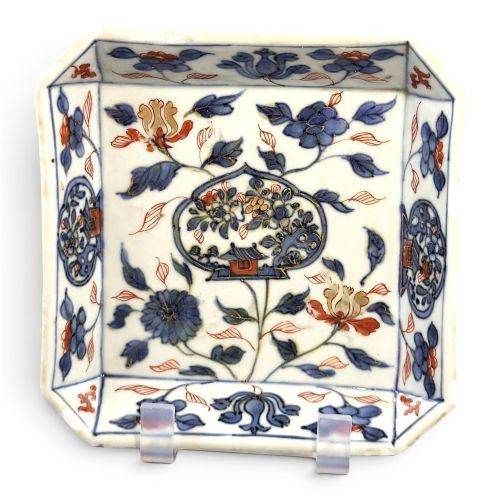
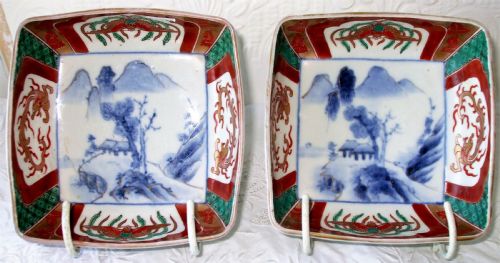
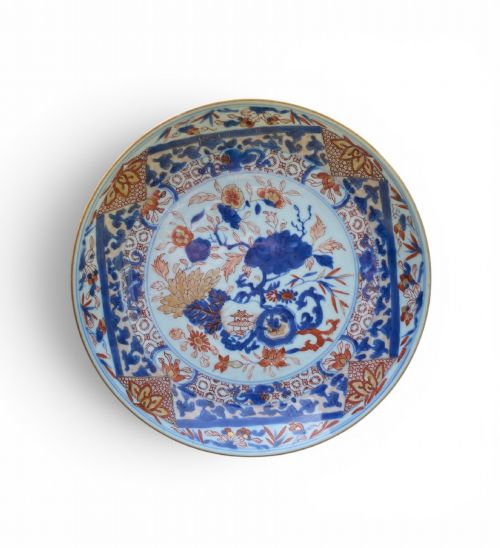
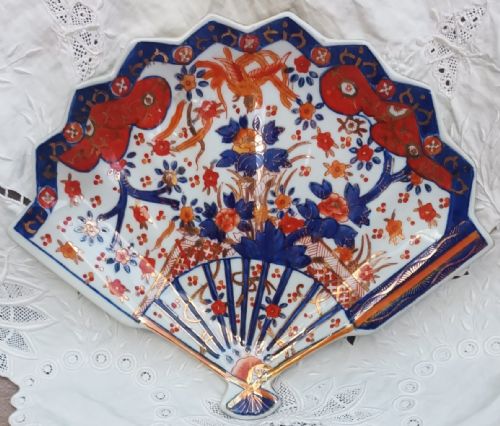
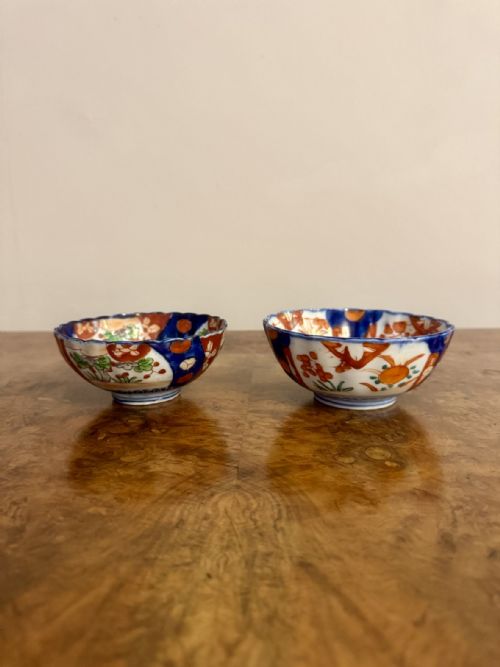
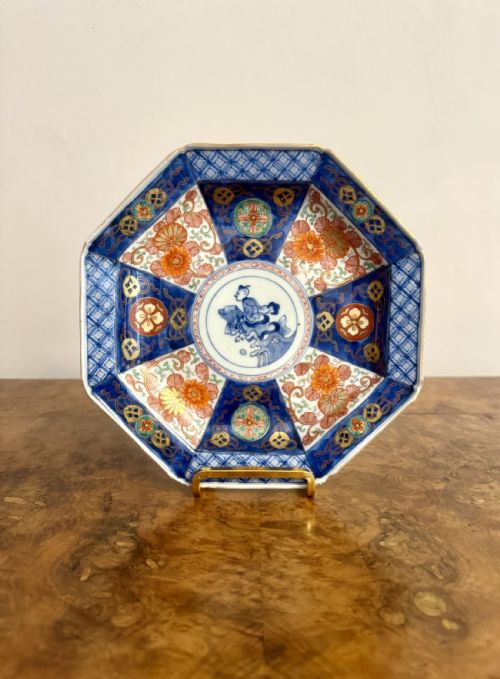
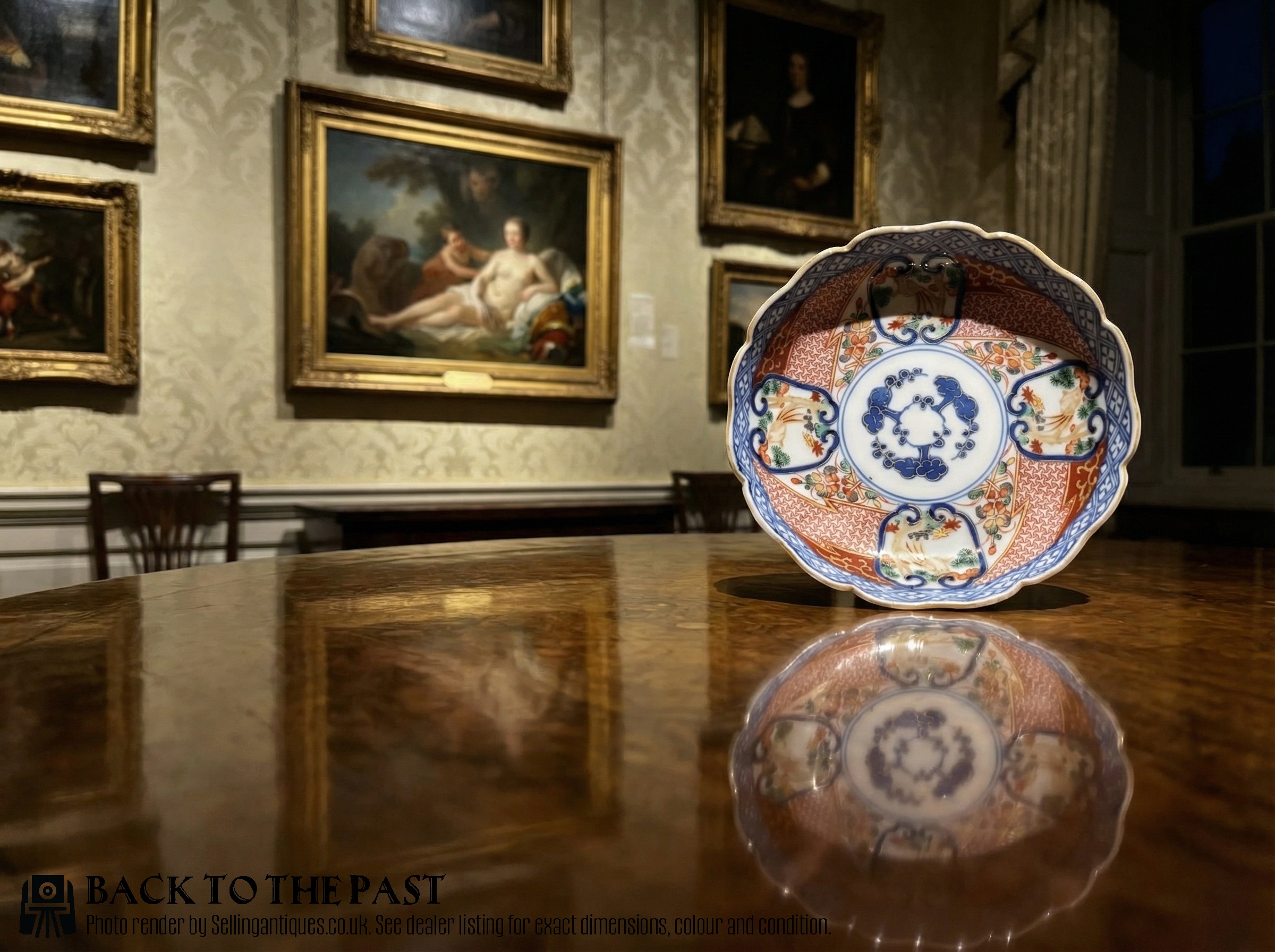
The dominant forms on this page are decorative plates and chargers, often shaped with scalloped edges, hexagonal outlines, or fish forms. These items derive from Japanese Arita kilns and Chinese export kilns, reflecting traditions of trade and local taste. Pieces range from single dishes to matching sets of fourteen plates and pairs of double gourd vases.
Materials and production methods
Makers shaped porcelain clay into vessels and applied cobalt blue pigment beneath a clear glaze before the initial firing. This cobalt blue creates the deep underglaze foundation seen across the wares.
Following the high-temperature firing, artisans added iron-red enamel and gold leaf or gilding over the glaze before a second, lower-temperature fixation. This combination of underglaze cobalt and overglaze enamel defines the visual vocabulary of the ware.
Underglaze Blue Imari Porcelain Retail Price Guide 2026
Typical asking prices for underglaze blue imari porcelain among the pieces listed under this phrase on Sellingantiques today, from the lower quarter to the upper quarter. They describe what is for sale here now, not the wider market.
One exceptional plate takes the literal form of a fish, proving that potters enjoyed swimming against the current of standard round shapes.
Distinctions in quality
The standard of underglaze blue imari porcelain rests on the crispness of the cobalt painting and the precision of the overglaze enamel placement. Superior examples display balanced composition and well-defined contours on forms such as scalloped plates and large chargers.
Ambitious shaping, including hexagonal plates, fish-form dishes, and double gourd vases, demands greater skill from the potter and painter. Greater control over the glazing and firing processes elevates certain pieces above standard commercial output.
The Underglaze Blue Imari Porcelain Glossary
- Underglaze blue
- Cobalt pigment applied to the unfired ceramic body before glazing and firing. This produces a stable blue design sealed beneath a glossy surface.
- Imari
- A style of ceramic decoration originating in Japan and exported through the port of Imari. It typically combines underglaze blue with iron-red enamel and gilding.
- Arita
- The Japanese town and surrounding region where the clay and kilns for Imari ware were centred. Arita pieces formed the backbone of Japanese porcelain export.
- Kangxi Period
- The era of Chinese history from 1662 to 1722 known for high-quality porcelain production. Export wares from this time influenced global ceramic tastes.
- Charger
- A large decorative plate intended for display on a wall or sideboard rather than for dining. These items frequently showcase complex multi-panel designs.
Underglaze Blue Imari Porcelain: Frequently Asked Questions
What is underglaze blue imari porcelain?
Underglaze blue imari porcelain refers to ceramic vessels decorated with cobalt blue beneath the glaze, combined with overglaze red enamel and gilding. The category includes plates, bowls, chargers, and vases from Japanese and Chinese kilns.
These pieces were produced for export and domestic use over several centuries, spanning the Edo, Meiji, and Qing periods. Their distinct palette makes them immediately recognisable on a display shelf.
How were these porcelain pieces used?
Most items served as decorative accessories in homes rather than functional tableware. Large chargers and plates were displayed on walls or tables, while vases and jardinières held floral arrangements.
Matching sets and pairs indicate they were also bought for formal interior decoration and presentation. Their bright enamel and gilt details suited prominent placement in reception rooms.
How do I care for imari porcelain?
Clean these pieces gently using warm water and a mild detergent when necessary, avoiding abrasive sponges or harsh chemicals. Overglaze enamels and gold leaf can wear down if scrubbed vigorously.
Display them securely on stable surfaces or dedicated plate stands to prevent accidental drops. Keep them away from areas of extreme temperature fluctuation.