


Underglaze Blue Ceramic Charger
An underglaze blue ceramic charger brings bold hand-painted cobalt and rich porcelain body to any interior.
Underglaze Blue Ceramic Charger
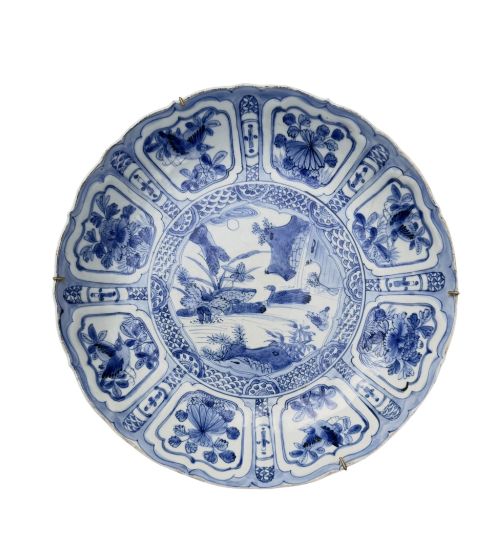
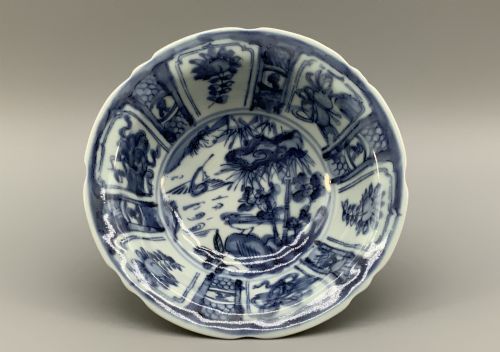
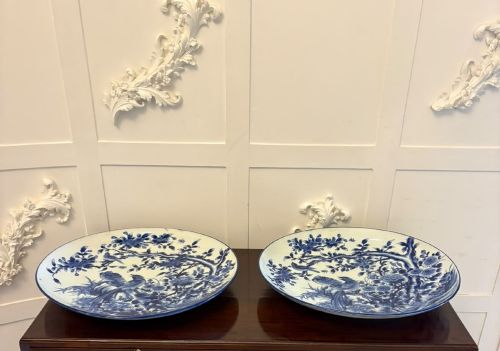
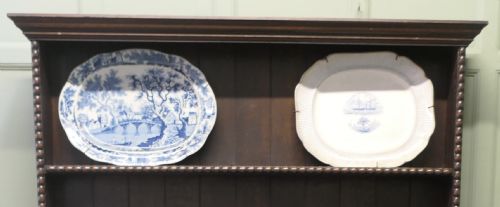
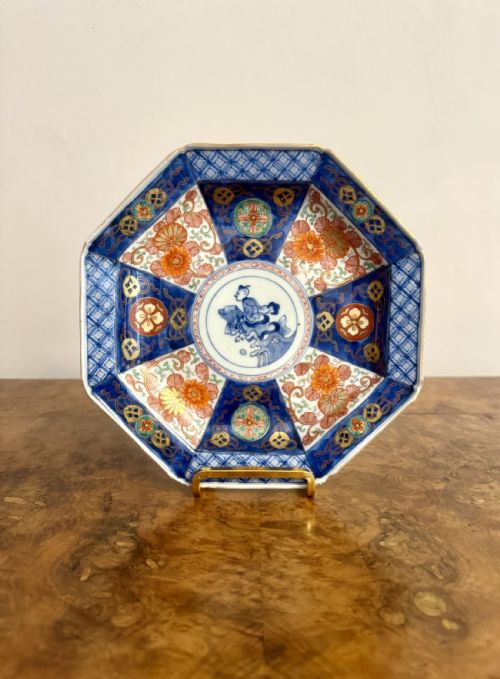
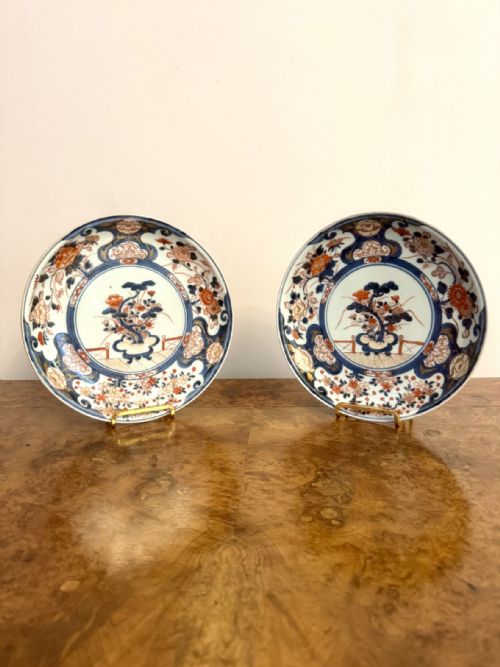
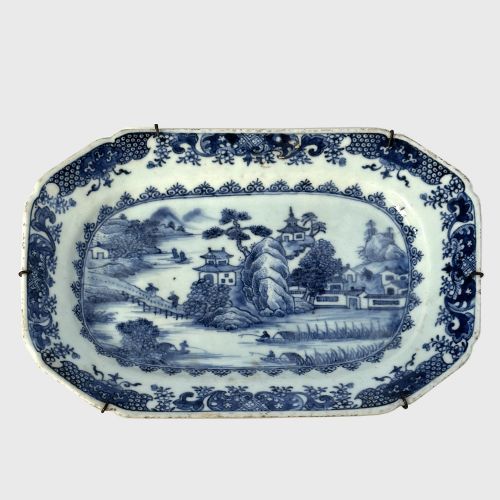
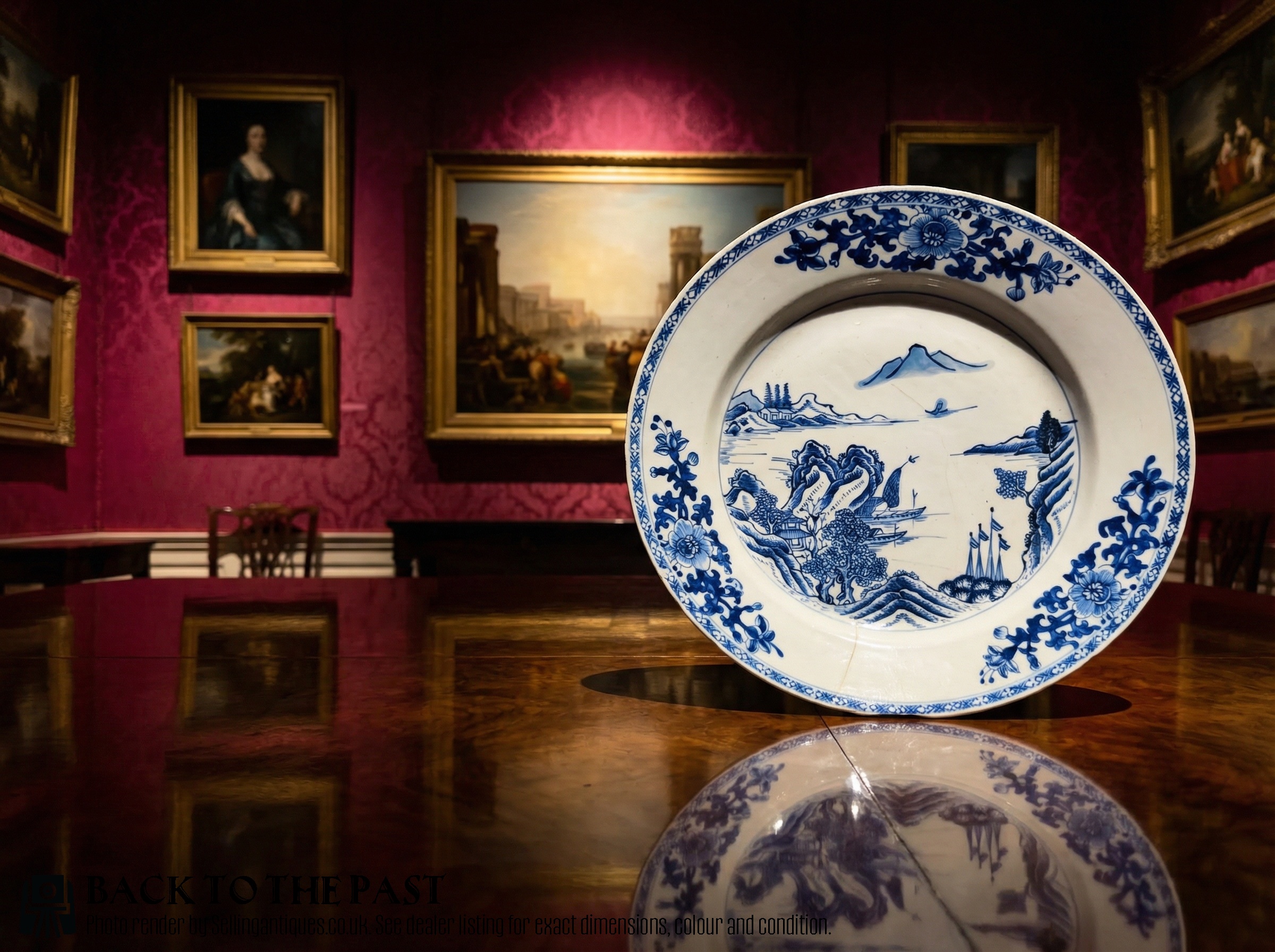
An underglaze blue ceramic charger is a large decorative plate or dish designed for display or serving across centuries of production. When searching for an underglaze blue ceramic charger, buyers encounter pieces ranging from Chinese export wares and Kangxi period bowls to Japanese Arita Imari and English pearlware.
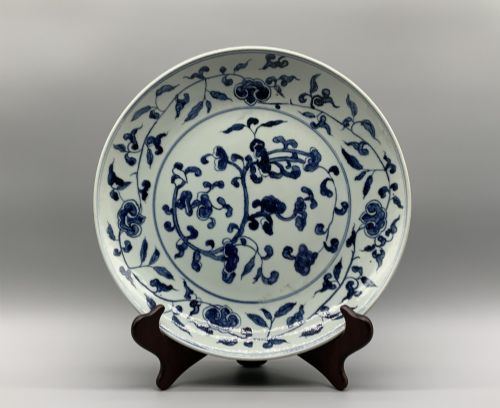
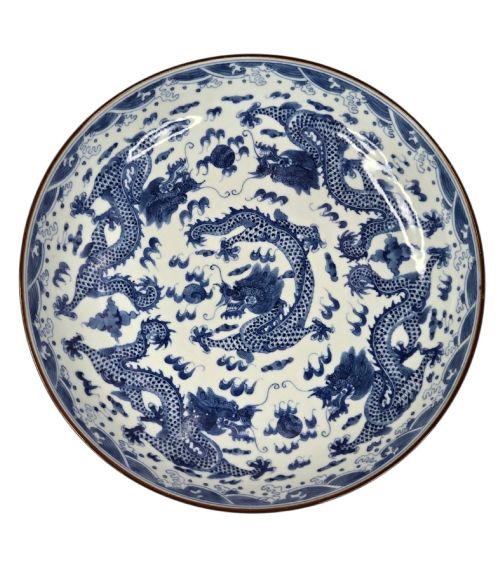
The selection on this page centres on substantial circular and lobed forms created in Asia and Britain. These plates vary from deep bowls and scalloped dishes to wide chargers adorned with floral, dragon, and landscape motifs.
How they were made
Potters painted cobalt oxide pigment directly onto the unfumed porcelain or earthenware body before applying a transparent glaze and firing the piece at high temperatures. This technique locked the blue pigment beneath the glassy surface, ensuring the decoration remained permanent and protected from wear.
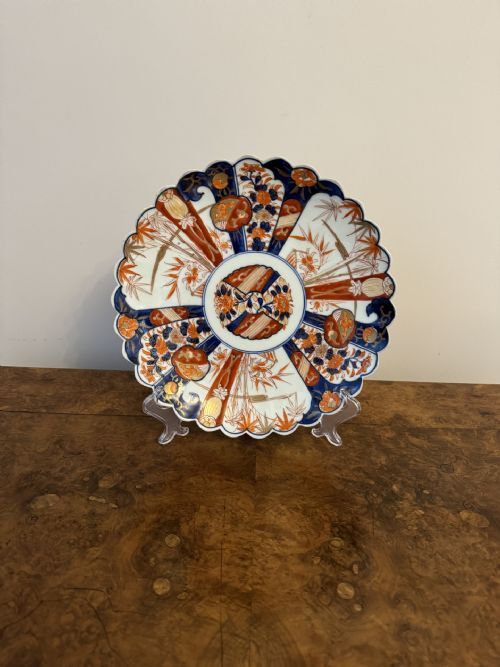
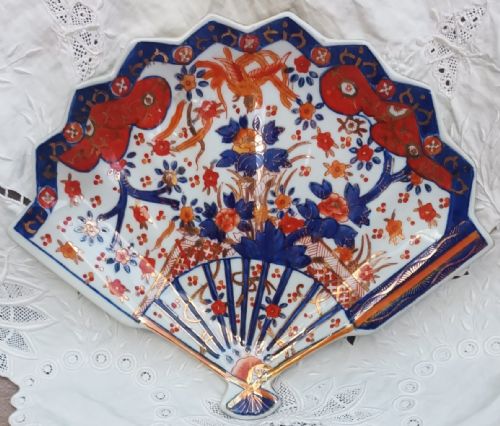
Many Japanese Imari examples incorporate supplemental enamel colours and gold leaf over the glaze alongside the foundational cobalt blue. English wares like pearlware and earthenware utilised similar moulding and transfer or hand-painting techniques to achieve deep blue designs.
Decorations range from five-clawed dragons and floral sprays to cranes and koi carp painted in rich cobalt glaze.
What varies in quality
Quality rests in the crispness of the cobalt brushwork and the purity of the porcelain body. Superior pieces display fluid, confident painting without blurred edges, alongside well-balanced potting and clean glazing.
The depth of the historical period and the complexity of the moulded form also elevate a piece. Scalloped edges, barbed rims, and intricate pictorial details such as dragons or koi carp separate standard production from exceptional examples.
The Underglaze Blue Ceramic Charger Glossary
- Underglaze
- Pigment applied to ceramic before glazing and firing. Cobalt oxide is the standard medium used to achieve deep blue tones.
- Charger
- A large decorative plate or platter. These items were traditionally used for serving at table or displayed upright on sideboards.
- Imari
- Japanese porcelain decorated in underglaze blue, iron red, and gold. This style originated in Arita and gained immense popularity in Europe.
- Kangxi
- A Chinese imperial period spanning the late seventeenth and early eighteenth centuries. Wares from this era are noted for brilliant cobalt blue painting.
Underglaze Blue Ceramic Charger: Frequently Asked Questions
How were ceramic chargers used?
These large pieces served primarily for ceremonial dining or grand presentation on sideboards and walls. Their substantial diameter allowed them to hold large joints of meat or act as central display items.
Over time, many shifted into purely decorative objects, prized for their pictorial designs and rich colours rather than daily service.
How do I identify Chinese export pieces?
Chinese export ceramics often combine traditional Eastern motifs with forms tailored for European tastes. Look for characteristic cobalt blue tones and fine porcelain bodies made during the Qing dynasty.
Markings on the reverse, such as Kangxi period characters, help confirm the date of manufacture and imperial connection.
How should I display a charger?
Chargers look best displayed on sturdy plate stands or hung securely on walls using appropriate fixings. Their large size makes them natural focal points in a room.
Keep them away from direct sunlight and heavy foot traffic to protect the glaze and any overglaze enamel or gold leaf details.