


Antique Export Porcelain
Antique export porcelain brings centuries of skilled international trade into domestic spaces through refined plates, bowls and vases made for distant markets.
Antique Export Porcelain
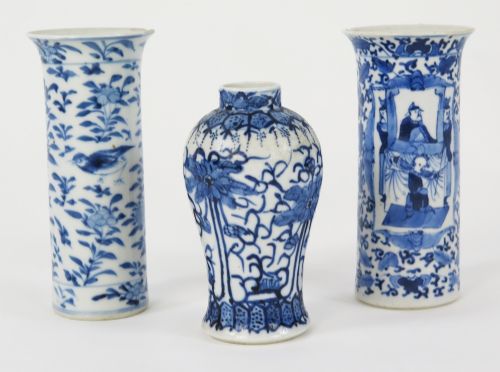
When buyers search for antique export porcelain, they encounter ceramic goods produced in Asian kilns specifically for European and Western buyers across multiple centuries. The selection on this page centres predominantly upon Chinese and Japanese wares originating from the 17th, 18th and 19th centuries, alongside later Victorian and Edwardian interpretations.
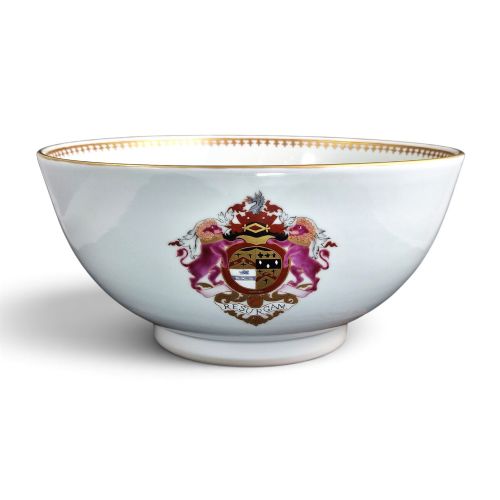
Forms span practical vessels and decorative statements, including punch bowls, chargers, armorial plates, tea caddies and lidded jars. Chinese Qing Dynasty pieces and Japanese Meiji period examples dominate the inventory, accompanied by European derivative works such as French armorial porcelain.
Buyers will find both utilitarian dining services commissioned with specific family monograms and larger decorative items like ormolu-mounted vases and chargers. These pieces reflect the tastes of past global markets while remaining functional components of contemporary interiors.
Materials and Techniques
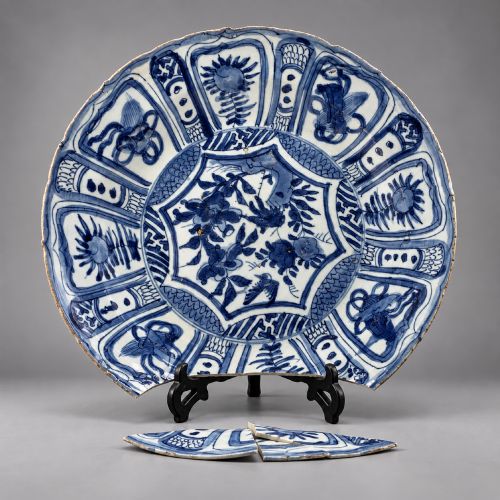
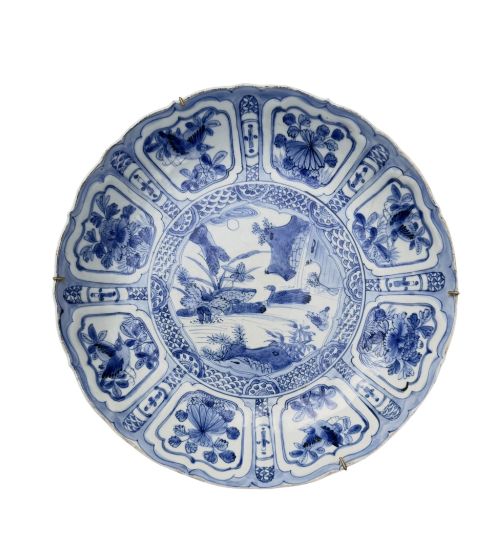
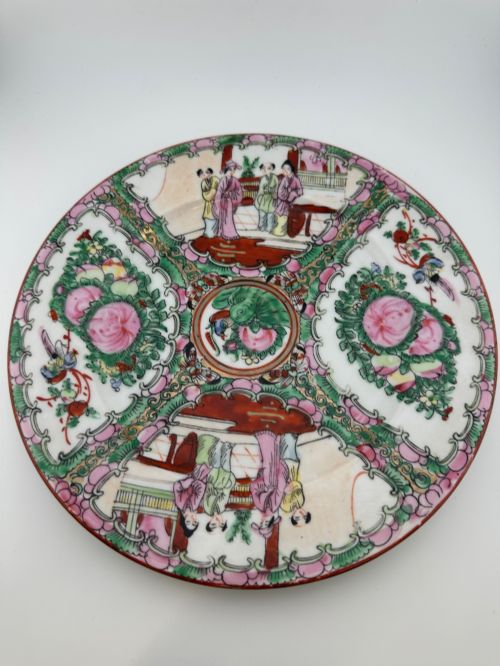
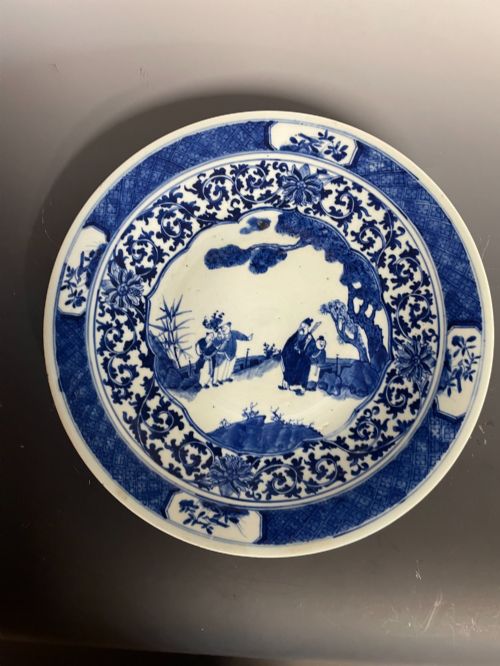
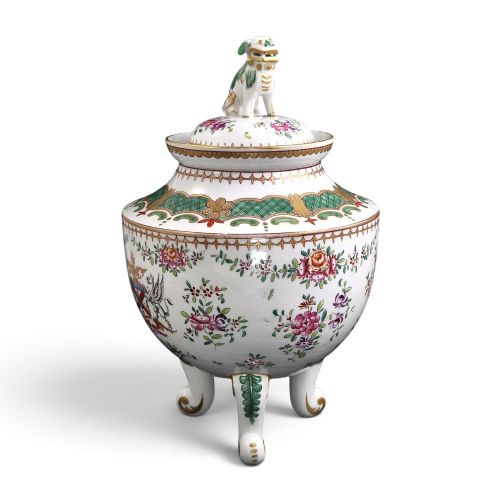
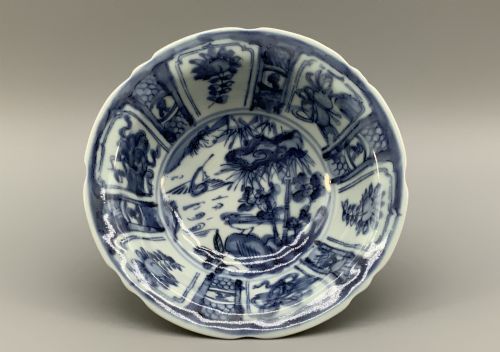
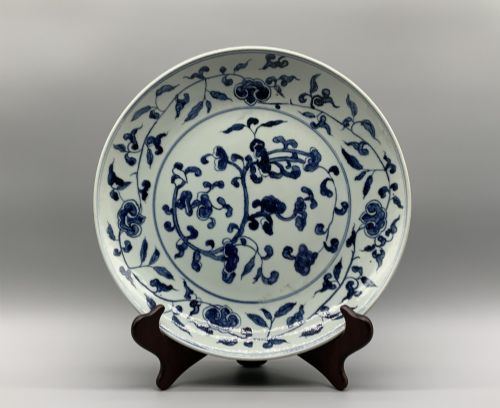
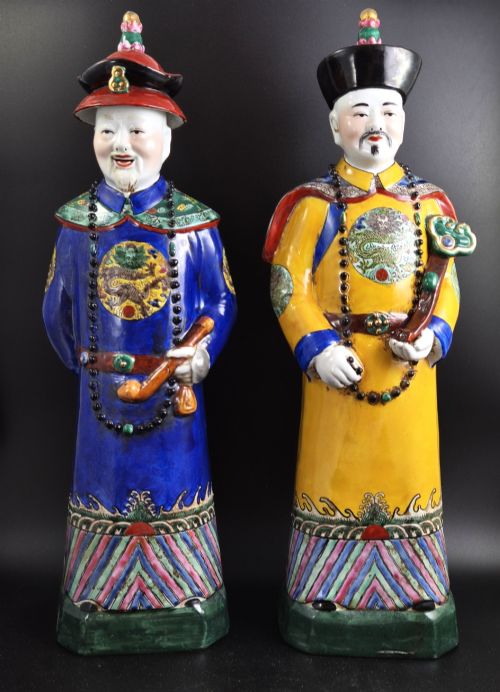
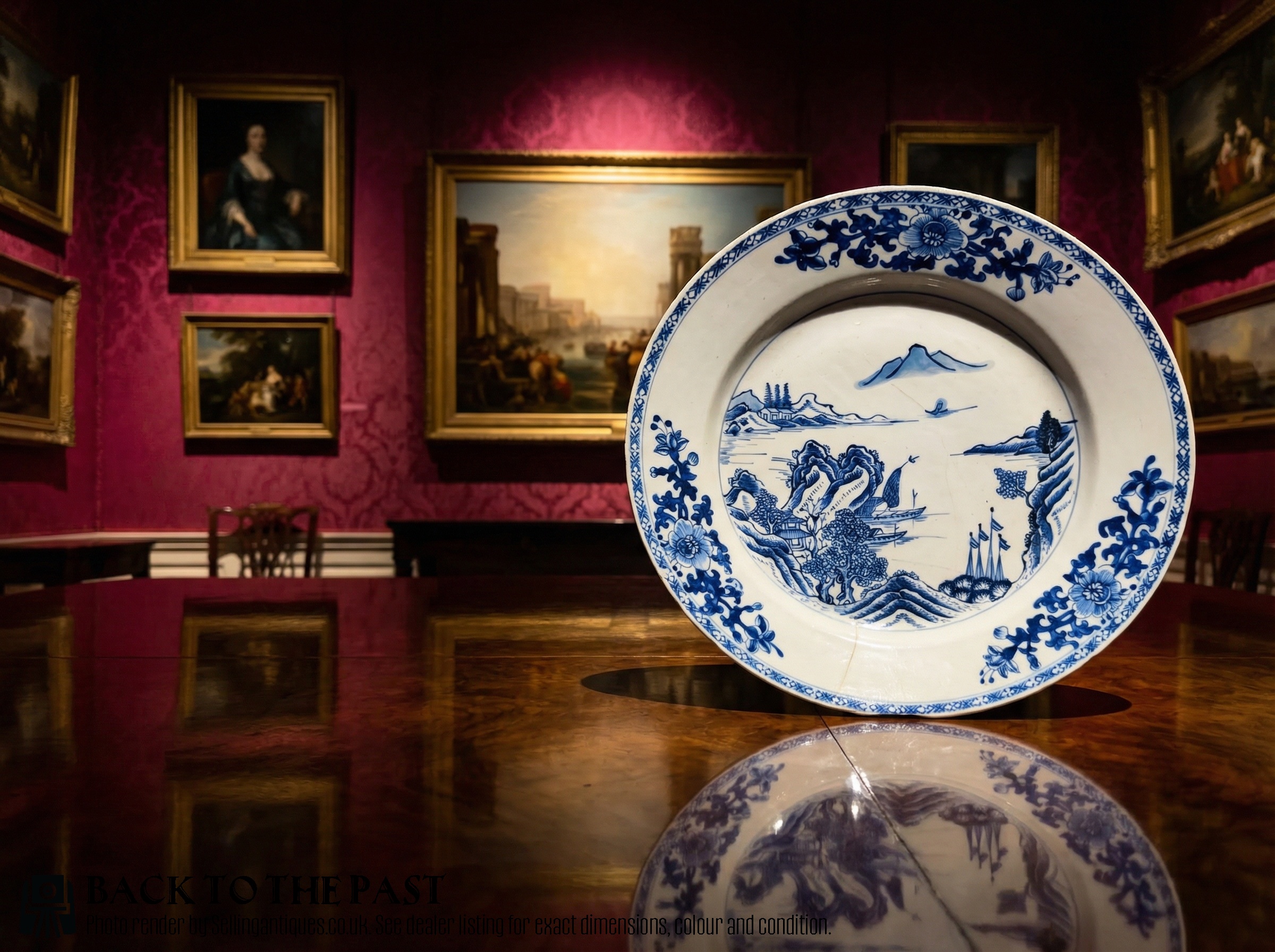
Potters utilised fine ceramic body materials combined with cobalt underglaze, enamel pigments, and applied gold leaf or gilding to achieve high-detail finishes. Cobalt blue painting under the glaze defines the earlier pieces, while vibrant overglaze enamels dominate later famille rose and Imari palettes.
Skilled artisans shaped vessels on the wheel or pressed clay into moulds before hand-painting intricate floral, landscape and armorial motifs. Many items received multiple kiln firings to set the underglaze blues before enamel colours and gilt accents were added to the surface.
Makers occasionally integrated structural metal elements, mounting porcelain bowls and vases in gilt bronze or ormolu to suit Western decorative preferences. This synthesis of Eastern ceramic craft and Western metalwork created sturdy, composite luxury objects.
Current listings feature export porcelain spanning the 17th, 18th and 19th centuries, alongside Edwardian and Victorian examples.
Distinguishing Quality
The sophistication of the hand-painted brushwork sets exceptional examples apart from standard commercial production. Crisp delineation in multi-coloured enamel or cobalt glaze indicates superior artisan control and careful kiln management.
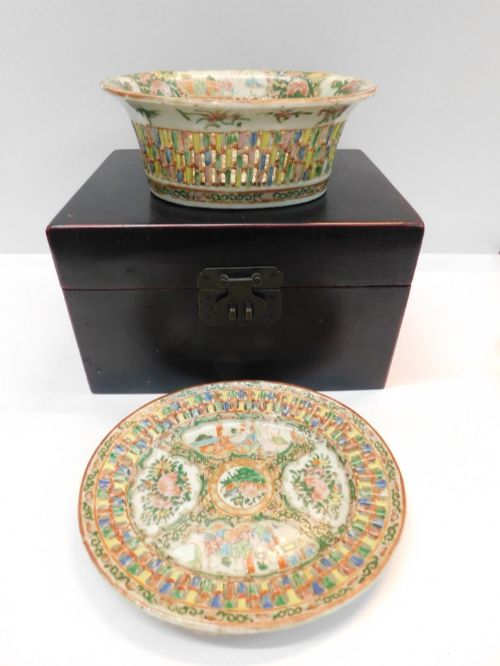
Proportion and execution of decorative elements, such as intricate reticulated basketry or precise armorial crests, reveal the original workshop's standard. Early imperial-style commissions and custom armorial services consistently display a higher degree of artistic refinement.
The integration of secondary materials, including fire-gilt bronze mounts or custom ormolu fittings, adds an architectural dimension that elevates specific decorative pieces above simple domestic ware.
Edmé Samson & Cie·Samson Paris
The Antique Export Porcelain Glossary
- Famille rose
- A major palette of Chinese ceramic overglaze enamels introduced in the Qing dynasty, characterised by pink or opaque rose colours. It allowed for subtle tonal gradations in floral and figurative designs.
- Imari
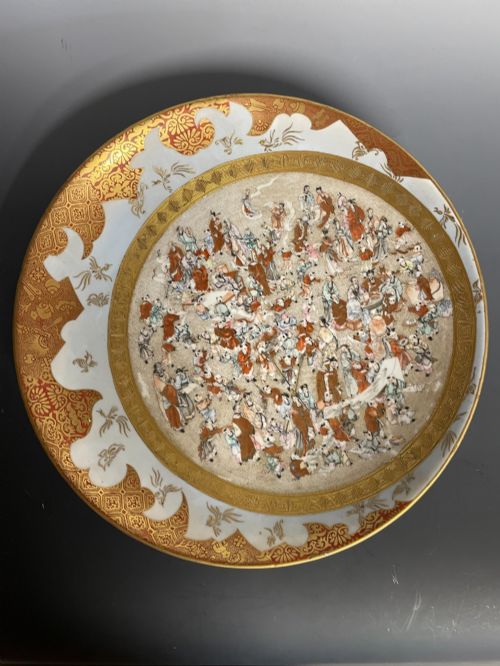
- A style of Japanese porcelain featuring a distinctive colour scheme of underglaze cobalt blue, iron red, and supplementary gold. These wares were heavily exported to Europe through ports like Nagasaki.
- Armorial
- Ceramic services or individual pieces painted with a European family crest, coat of arms, or monogram. Such items were typically ordered through trade agents from specific designs sent out from Europe.
- Underglaze
- A decoration method where pigment is applied directly to the unfired ceramic body before a transparent glaze is applied over the top. This technique protects the painted design beneath a durable, glassy surface.
- Reticulation
- An openwork decorative technique involving the cutting or piercing of geometric or lattice patterns through the clay wall before firing. It requires advanced skill to prevent the vessel from warping in the kiln.
Antique Export Porcelain: Frequently Asked Questions
How do I care for antique export porcelain?
Wash pieces by hand using warm water and a mild, non-abrasive detergent to protect old enamels and surface gilding. Avoid submersing items with metal mounts or porous repairs in water.
Store or display them on stable surfaces away from direct sunlight and high traffic areas to prevent accidental chips or fading.
Were these pieces used for dining?
Many items, such as armorial plates, punch bowls and tea caddies, were commissioned specifically for active dining and entertaining in European households. Service sets accommodated wealthy guests during formal meals and gatherings.
Other larger vessels, like chargers and garniture vases, served purely decorative functions in drawing rooms and dining halls.
How can I tell Chinese export from Japanese export?
Chinese pieces often feature specific stylistic traits of the Qing Dynasty, such as famille rose enamels or Kangxi blue and white landscapes. The clay bodies and potting techniques also reflect traditional Chinese imperial centres.
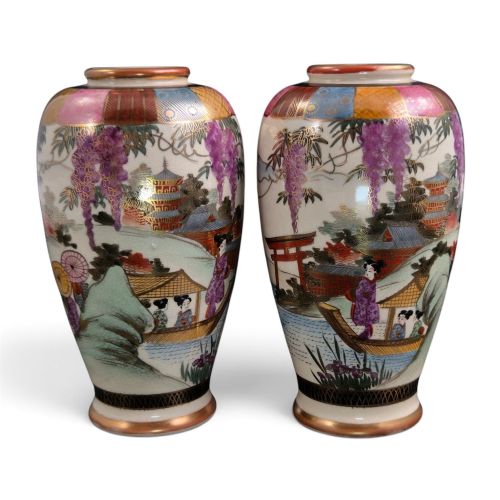
Japanese export porcelain frequently includes distinct Meiji period motifs, Satsuma crackle glazes, or Kutani palettes that differ markedly from mainland Chinese work.
What is an armorial service?
An armorial service is a collection of porcelain tableware custom-painted with a specific European family's coat of arms or crest. Wealthy patrons commissioned these large sets through East India companies.
Pieces from these services are identified by the heraldic symbols integrated into the painted border or centre.