
Two Door Pine Cabinet
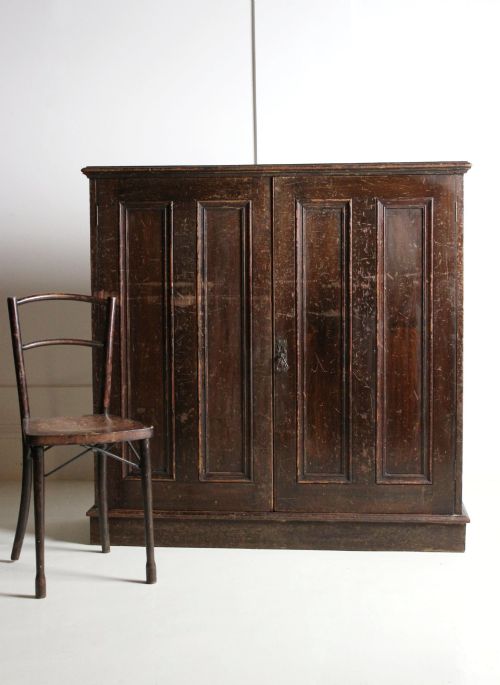
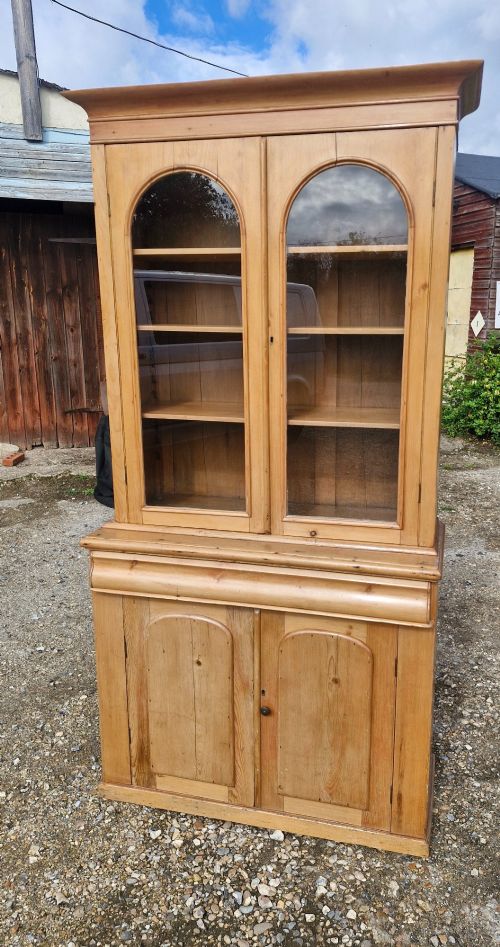
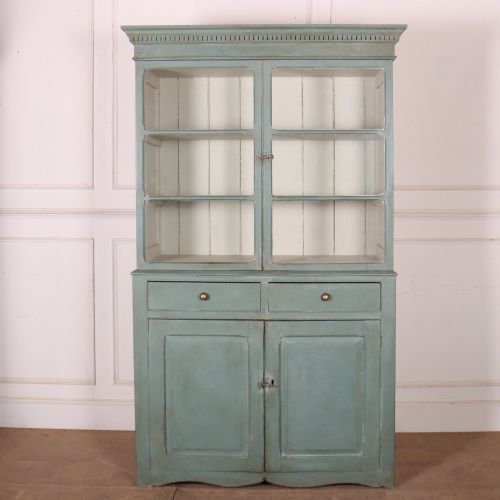
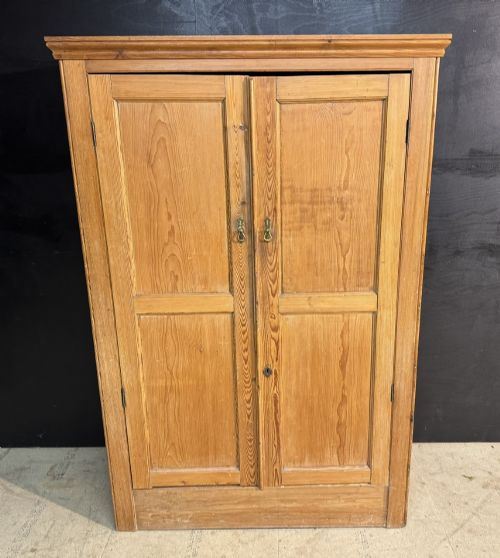
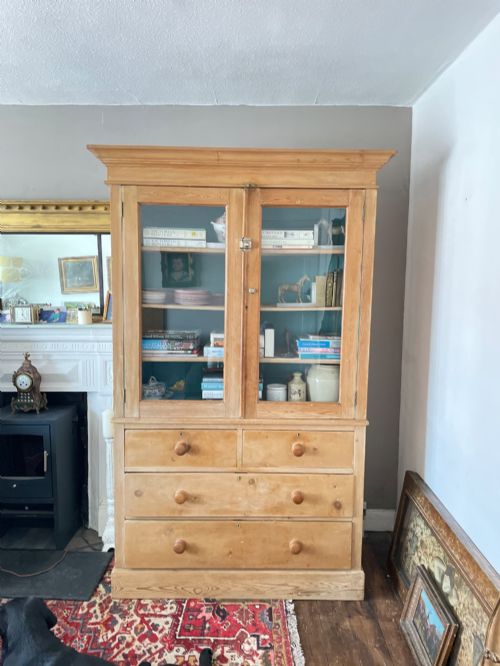
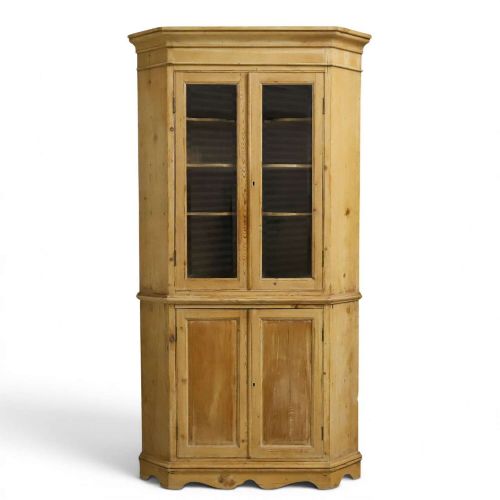
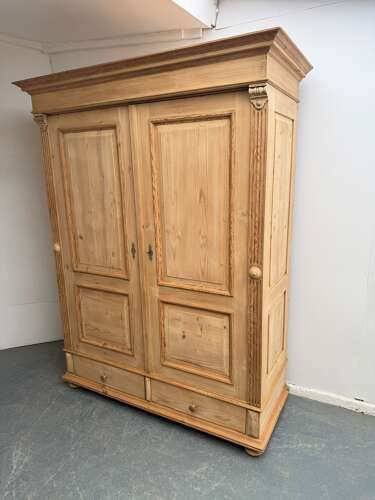
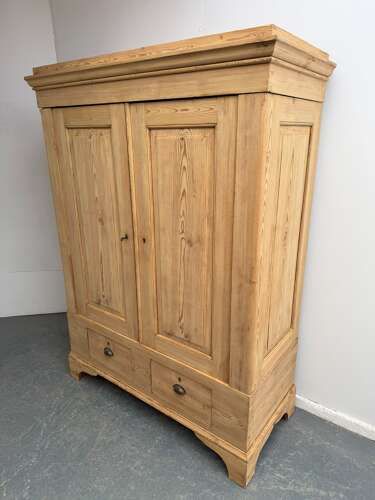
A two door pine cabinet brings practical storage and honest utility to a room, ranging from simple kitchen cupboards to glazed bookcases.
Two Door Pine Cabinet
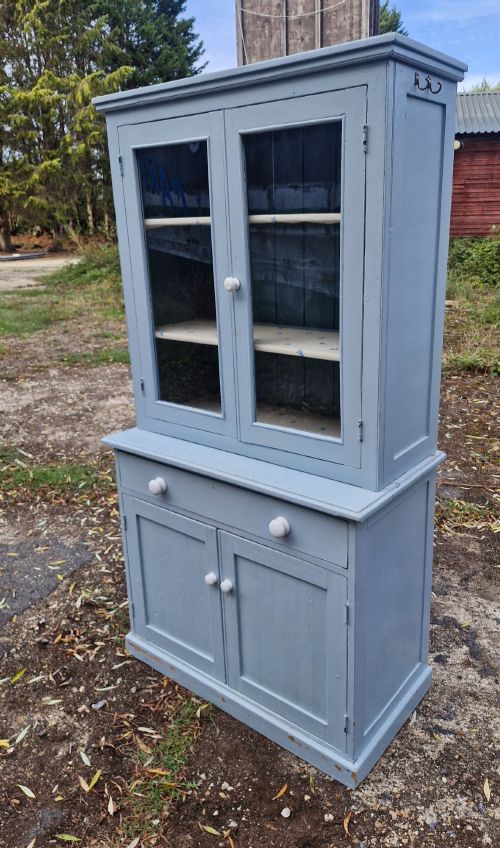
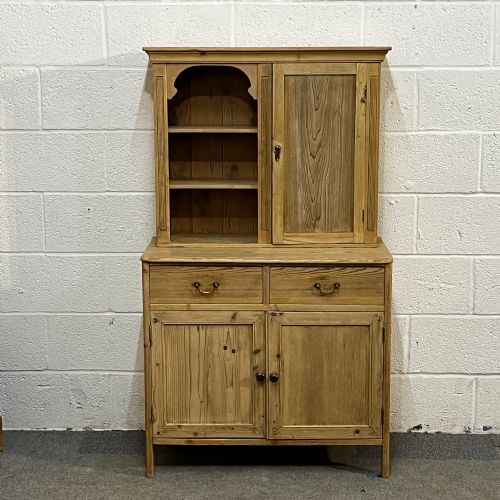
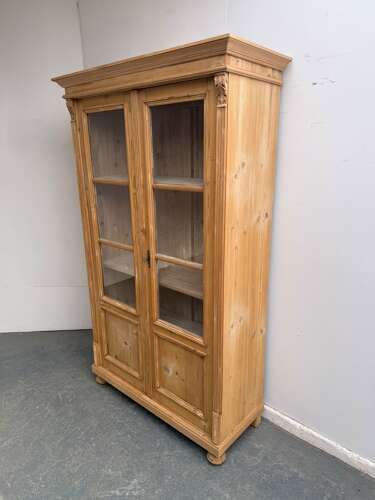
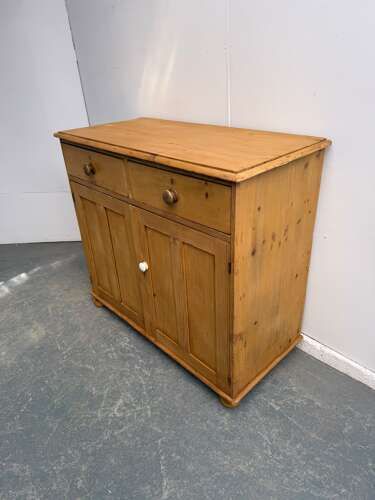
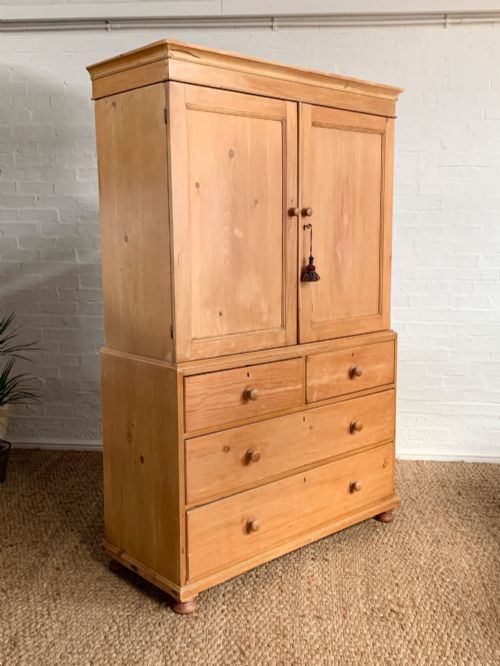
When searching for a two door pine cabinet, buyers encounter pieces spanning the Georgian, Victorian, and early twentieth-century periods. These storage items include kitchen cupboards, glazed bookcases, dresser bases, and housekeepers' cupboards shaped by regional traditions.
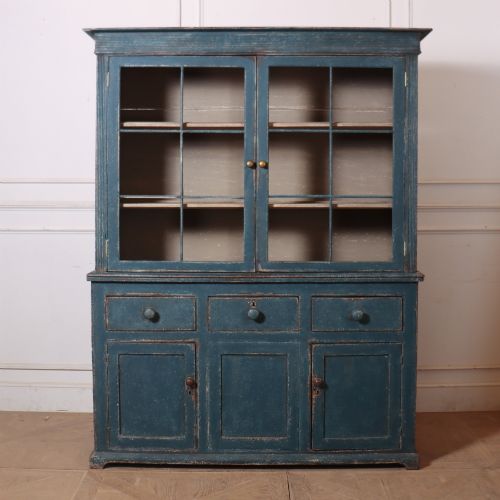
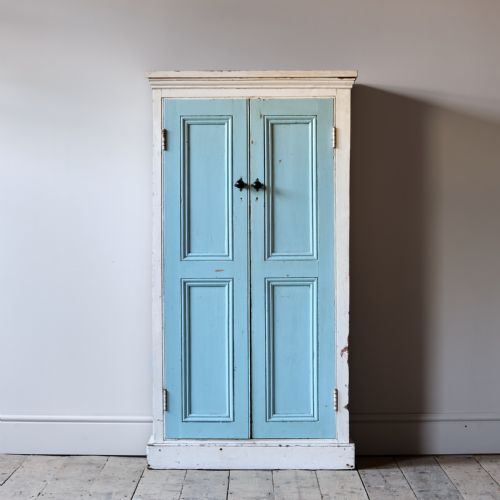
The most common examples on this page date from the Victorian era, often finished with wax or paint. They serve everyday storage needs in hallways, kitchens, and living spaces while displaying the natural grain or historic layers of paint.
Origins vary widely, encompassing English, Scottish, Welsh, and continental workshops such as Scandinavian and Hungarian examples. Each region imparted subtle differences in proportion, cornices, and door construction.
How they were made
Construction relies primarily on solid pine, supplemented by iron hinges, brass handles, and glass panes for glazed doors. Carpenters utilised panelled doors, pegged joints, and dovetailed drawers to build sturdy furniture designed for long-term domestic service.
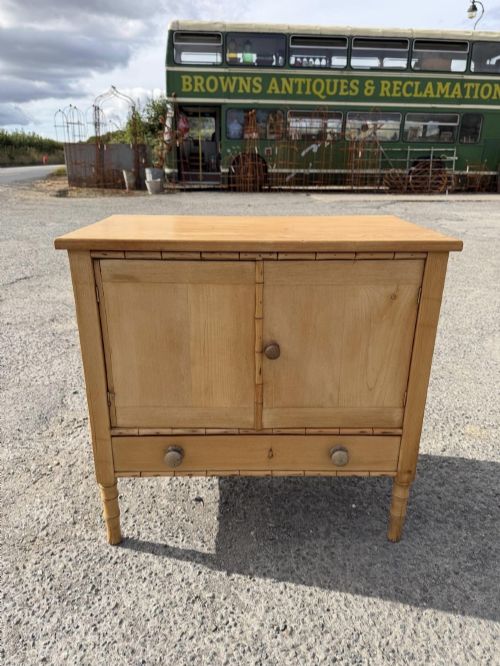
Surface treatments range from clear wax finishes that highlight the timber to historic layers of paint, including cream, teal, and faux bamboo effects. Many large pieces utilised a knockdown format with bolts or wedges to ease transport between rooms and houses.
Several items include authentic faux bamboo decoration, proving that nineteenth-century carpenters enjoyed a playful tropical excursion.
What varies in quality
Quality in a two door pine cabinet rests on the integrity of the timber selection and the restraint of subsequent restoration. Better examples retain their original backboards, brassware, and working locks without excessive timber replacement.
Proportion and architectural detail separate standard utility pieces from finer items. Well-executed mouldings, balanced door panels, and intact multi-pane glazing distinguish regional craftsmanship from basic workshop output.
The Two Door Pine Cabinet Glossary
- Knockdown
- Furniture built with a modular or demountable construction system using internal bolts or pegs. This allowed large wardrobes and cupboards to be dismantled for delivery into upper rooms.
- Glazed
- Fitted with glass panels in the doors. This treatment protects books and china while displaying the contents.
- Dresser base
- A low cabinet featuring cupboards beneath a flat top, sometimes accompanied by drawers. These formed the lower half of kitchen dressers or stood alone as sideboards.
- Faux bamboo
- A decorative technique where pine is carved or painted to imitate the segmented stems of bamboo. This finish reflects nineteenth-century fascination with exotic design styles.
- Housekeepers cupboard
- A large storage piece traditionally used in substantial homes for linens, dry goods, and household accounts. They typically feature deep internal shelving enclosed by panelled doors.
Two Door Pine Cabinet: Frequently Asked Questions
How do I date a pine cabinet?
Dating relies on construction methods, timber characteristics, and style markers present in the piece. Georgian items often display slender proportions and hand-cut dovetails, whereas Victorian examples tend to be heavier with machine-sawn components.
Hardware, hinges, and paint layers also provide chronological clues. Original backboards and locks help narrow the decade of manufacture when combined with regional stylistic traits.
Are these cabinets easy to move?
Many larger wardrobes and cupboards were built as knockdown pieces specifically to aid transport. These items can be disassembled into panels, bases, and cornices before moving.
Solid one-piece cabinets require careful measurement of stairwells and doorways before purchase. Their substantial weight makes two-person lifting essential for safe relocation.
Should I choose waxed or painted pine?
Waxed pine highlights the natural grain, knots, and warm patina accumulated over generations of use. It suits traditional and rustic interiors where natural timber textures are preferred.
Painted pine offers a softer visual presence and often preserves historic pigments applied decades ago. Painted finishes protect the wood while introducing colour to modern living spaces.
How do I care for antique pine?
Antique pine responds best to stable indoor humidity and protection from direct heat sources. Excessive dryness can cause timber to split, while damp environments damage historic adhesives and painted surfaces.
Regular dusting with a dry cloth maintains the surface. Occasional application of beeswax feeds waxed timber without building up heavy chemical residues.