

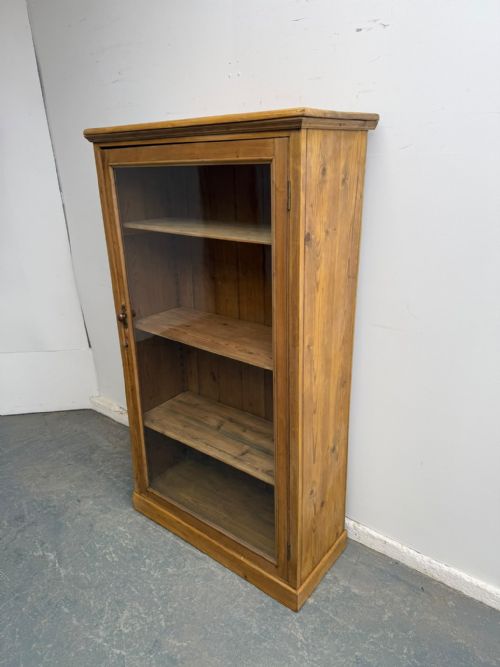

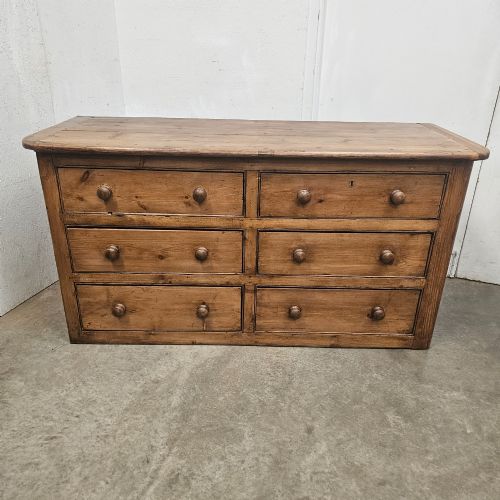

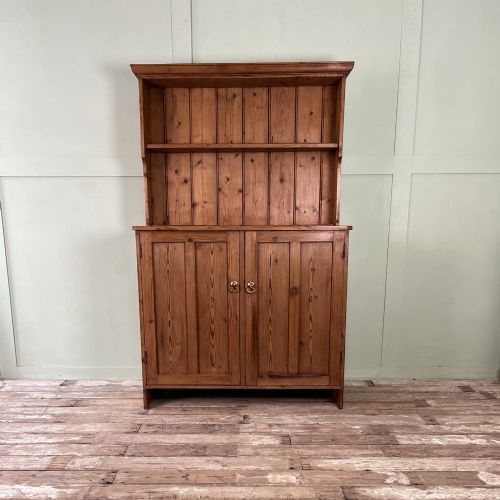
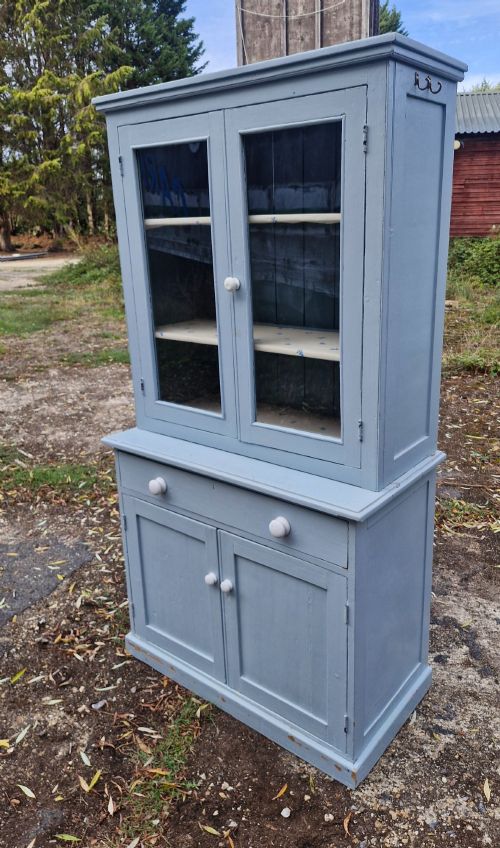



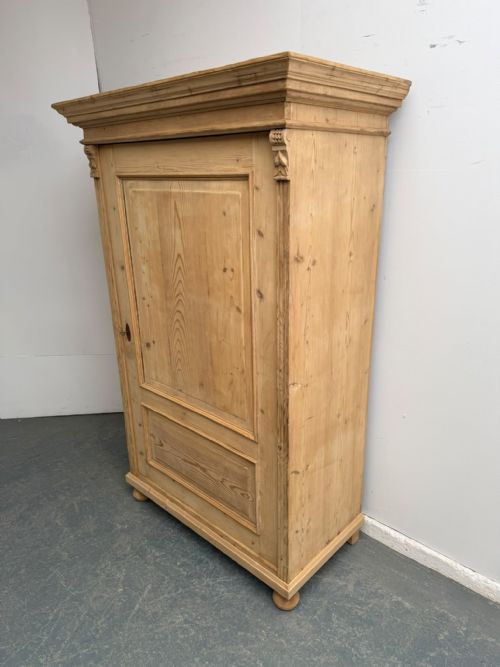
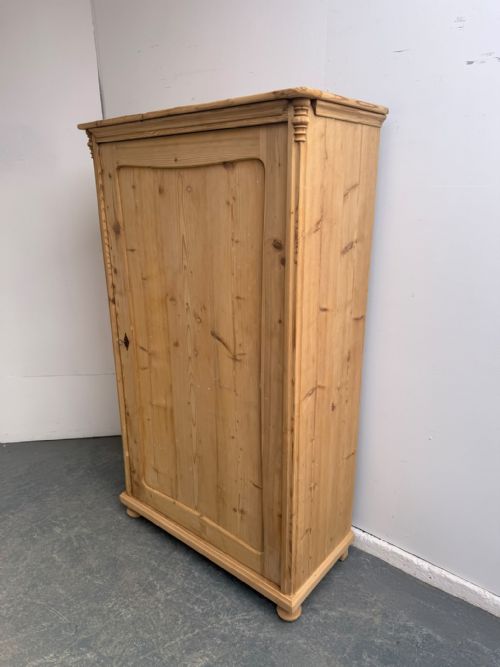
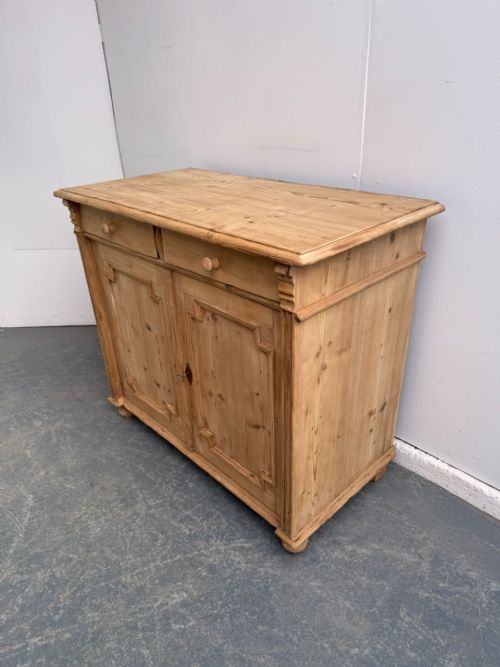
Rustic Pine Storage Unit
A rustic pine storage unit brings honest utility to a room, offering practical containment built from sturdy timber.
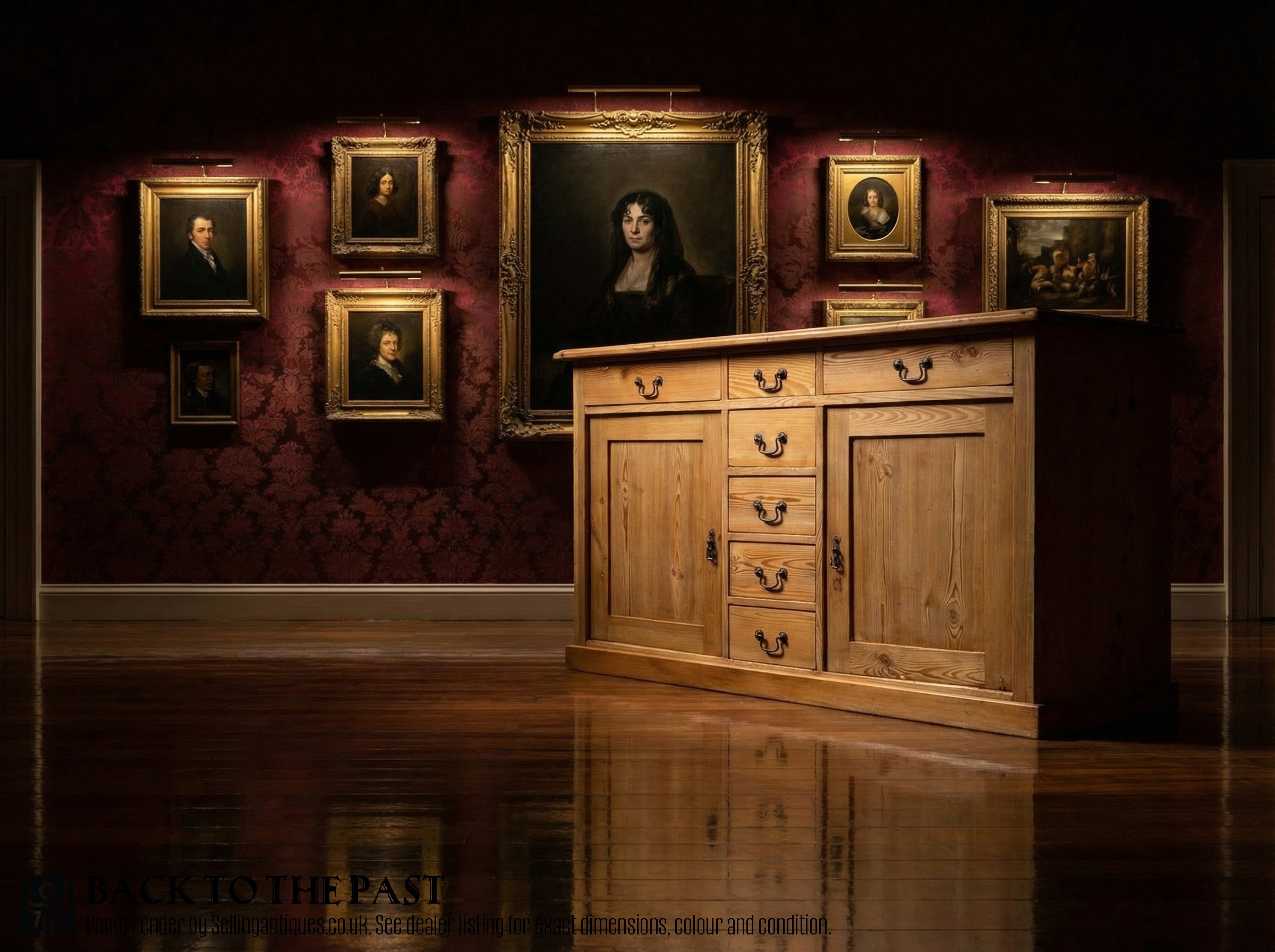
Rustic Pine Storage Unit
When you search for a rustic pine storage unit, you encounter pieces designed for utilitarian service in domestic and rural spaces. The items on this page span the Victorian era, the nineteenth century, and around nineteen hundred, reflecting straightforward functional needs.
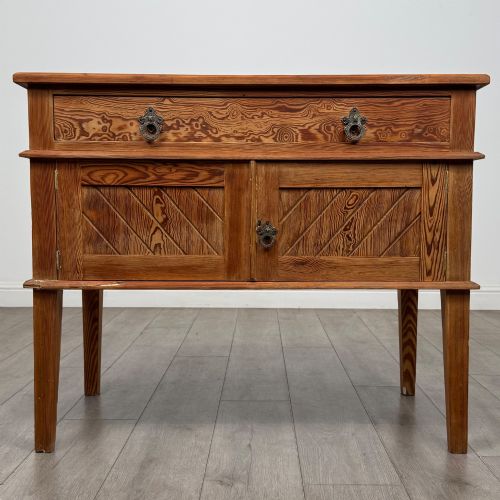
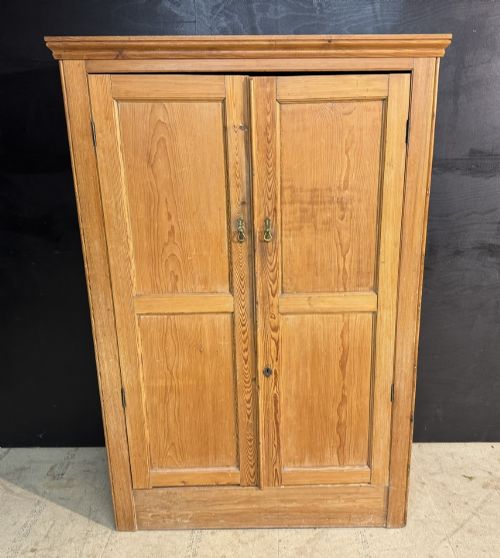
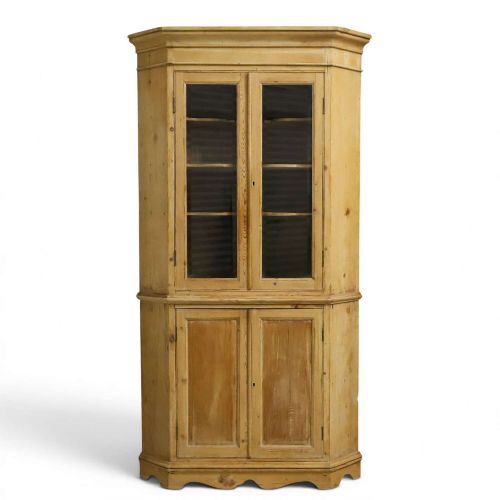
The forms vary across storage cupboards, chests of drawers, sideboards, cabinets, dresser bases, and bedside tables. These items originate from British and Scandinavian traditions, maintaining a practical footprint suited to everyday storage.
Victorian country pieces sit alongside Scandinavian examples, showing how regional workshops answered common demands for household organisation. Each item retains the straightforward character of vernacular furniture intended for hard daily use.
How they were made
Construction relies primarily on solid pine, selected for accessibility and workability in regional joinery shops. Iron hardware such as hinges, latches, and pulls reinforces doors and drawers for heavy service.
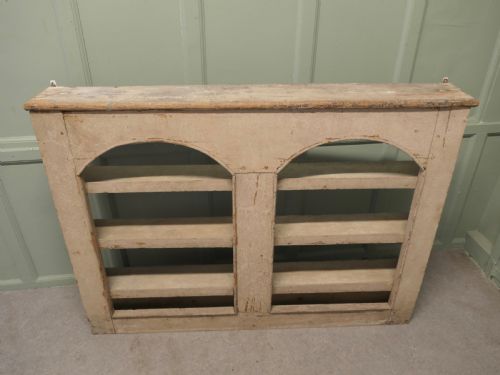
Surface treatments range from traditional wax finishes that nourish the timber to historic paint layers, particularly seen on Scandinavian items. Joinery techniques prioritize functional endurance over delicate ornament.
Rustic Pine Storage Unit Retail Price Guide 2026
Typical asking prices for rustic pine storage unit among the pieces listed under this phrase on Sellingantiques today, from the lower quarter to the upper quarter. They describe what is for sale here now, not the wider market.
Current listings feature items from the Victorian period, nineteen hundred, and the nineteenth century, utilising pine, iron, and paint.
What varies in quality
Quality rests in the integrity of the original construction and the proportion of the piece. Well-fitted doors, stable drawer action, and untouched timber surfaces mark the higher end of the range.
Later alterations, replaced hardware, and stripped surfaces that remove historic patina distance a piece from its original vernacular state. The most desirable examples retain their early finish, whether waxed or painted.
The Rustic Pine Storage Unit Glossary
- Pine
- A softwood commonly used in vernacular furniture making throughout the nineteenth century. It provides a stable, accessible material that takes paint and wax readily.
- Dresser base
- A lower sideboard or cabinet form featuring cupboards and drawers, historically used for storing kitchen or dining equipment. These pieces offer substantial surface area and deep interior capacity.
- Patina
- The surface texture and coloration developed by timber and paint over decades of use and cleaning. Original patina indicates minimal intervention by later restorers.
- Vernacular
- Everyday furniture made by local cabinetmakers or carpenters for regional use rather than high-style urban consumption. These objects prioritize utility and local material availability.
Rustic Pine Storage Unit: Frequently Asked Questions
Where were these pine units used?
These pieces served in domestic kitchens, sculleries, and bedrooms for holding provisions, linens, and household goods. Their robust build suited functional spaces rather than formal reception rooms.
Over time, owners moved them into living areas and hallways as general storage solutions.
How do I care for waxed pine?
Apply a traditional beeswax polish sparingly and buff with a soft cloth to maintain the protective sheen. Avoid placing timber furniture near direct heat sources that dry out the wood.
Keep surfaces away from standing water to prevent marking the traditional wax finish.
Are painted finishes original?
Some pieces retain historic painted surfaces, particularly those originating from Scandinavian workshops. Paint layers often protect the underlying pine and contribute character to the object.
Careful inspection reveals whether paint is period or a later application.
How do I date a pine cupboard?
Examine construction methods, such as drawer dovetails, backboards, and hinge types, to gauge the period of manufacture. Nineteenth-century examples often display hand-planed surfaces and forged iron hardware.
Comparing proportions and regional styles helps place an item within the Victorian era or around nineteen hundred.