
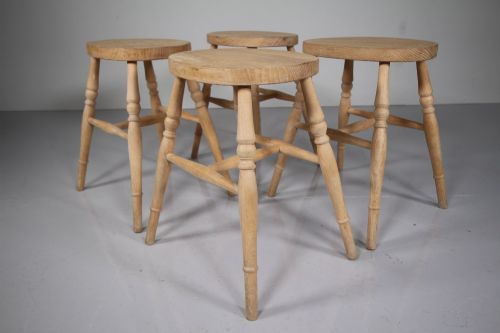
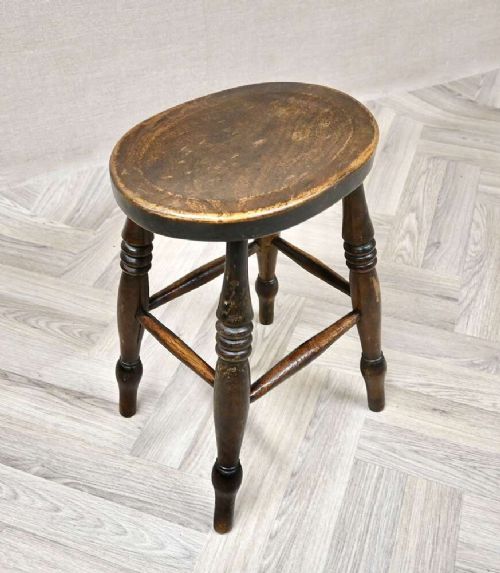
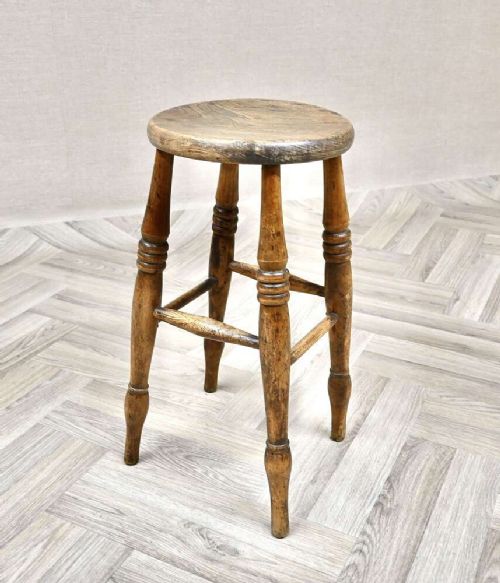
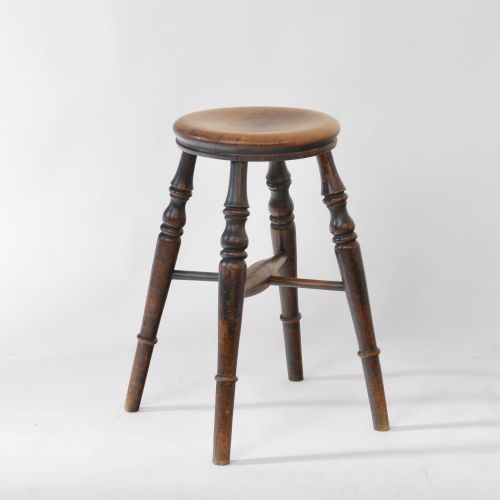
Turned Wooden Stool
A turned wooden stool brings sturdy honesty to a room, offering simple seating built with genuine character.
Turned Wooden Stool
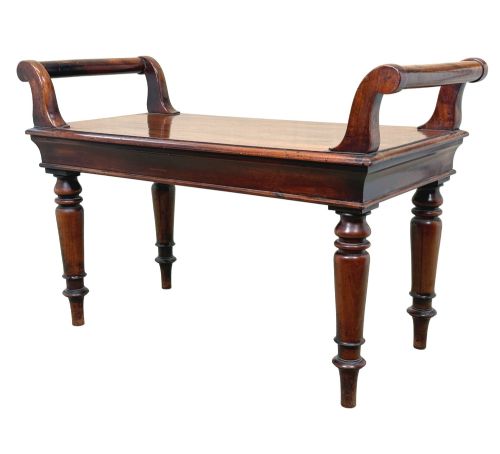
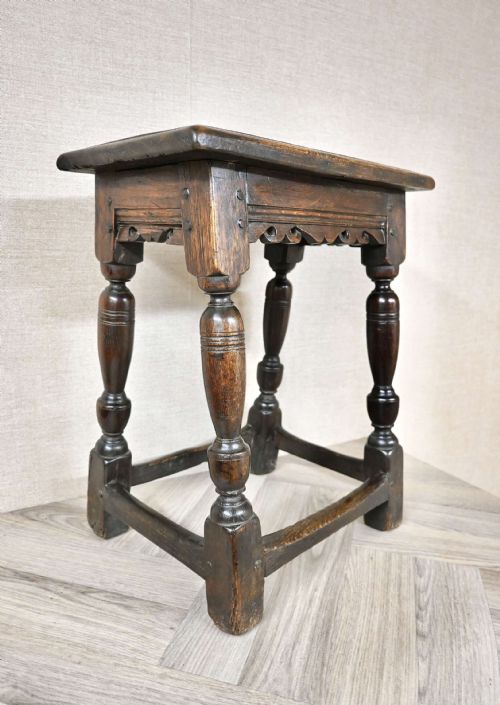
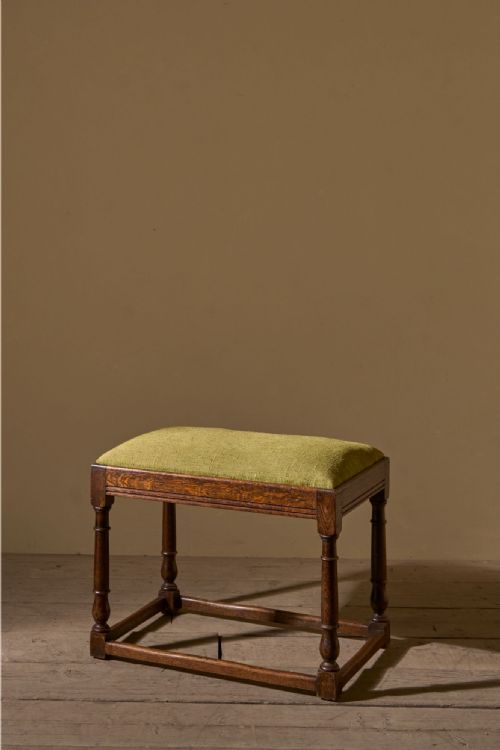
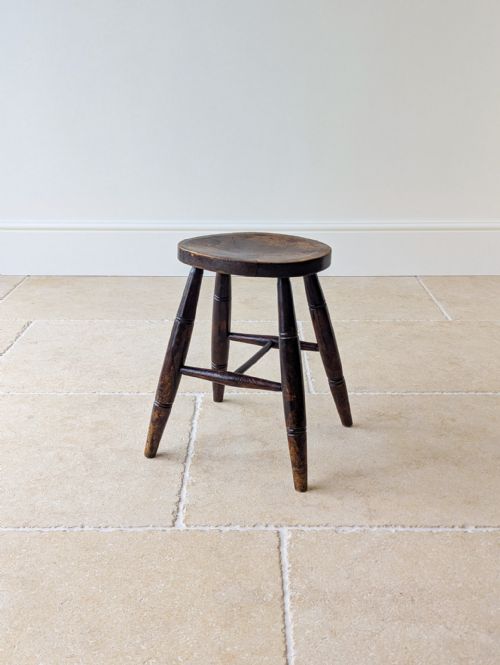
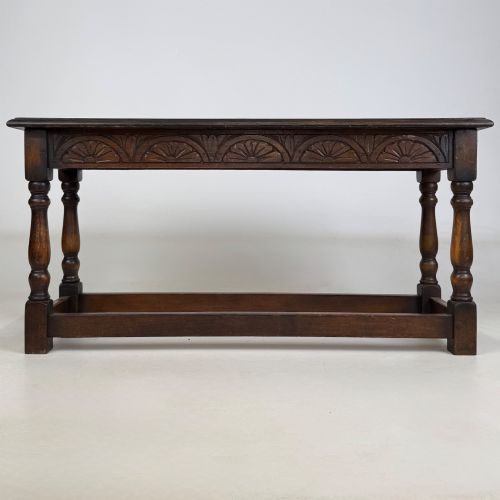
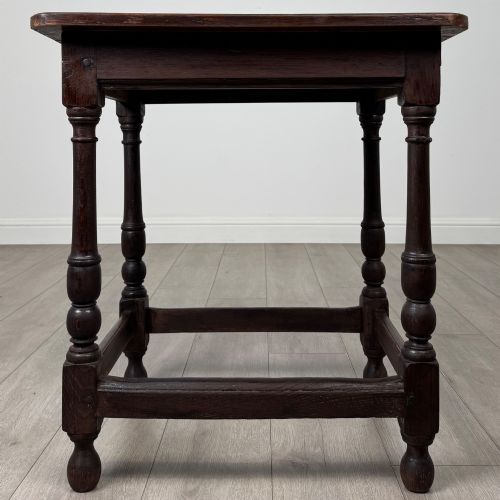
A turned wooden stool is a foundational seating form found across centuries of domestic and public life. When looking for a turned wooden stool, you will encounter diverse domestic and commercial examples ranging from early jointed forms to pub seating.
The selections span significant historical periods from the seventeenth century through to the Edwardian era and the 1930s. The most common survivals on this page are nineteenth-century country pieces and oak joint stools.
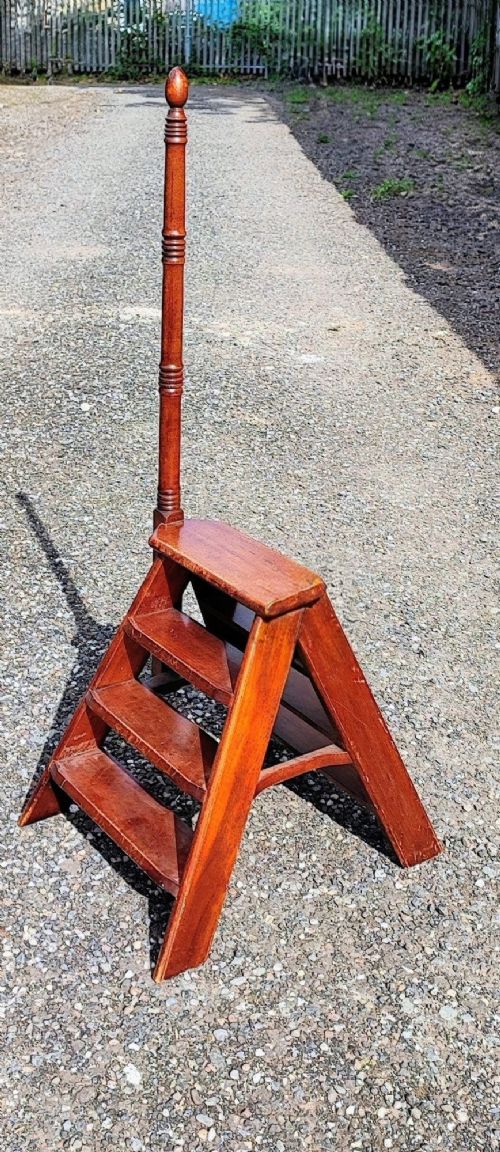
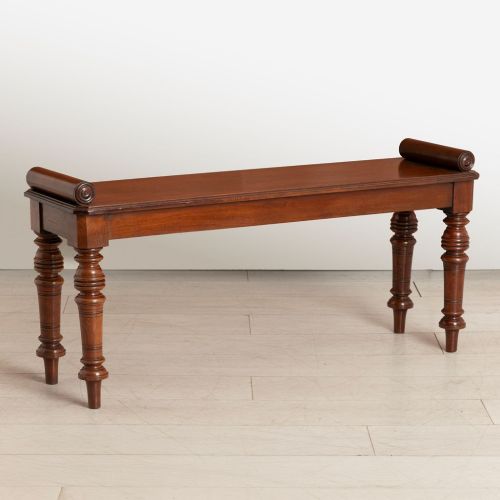
Makers produced these items in various structural formats including tavern stools, piano stools, footstools, and window seats. Elm, oak, beech, and mahogany frequently form the primary structure of these surviving examples.
How they were made
Craftsmen shaped these items using solid native timbers such as oak, elm, beech, and mahogany. Carpenters and turners utilised lathes to shape structural legs and stretchers with crisp or softened turnings.
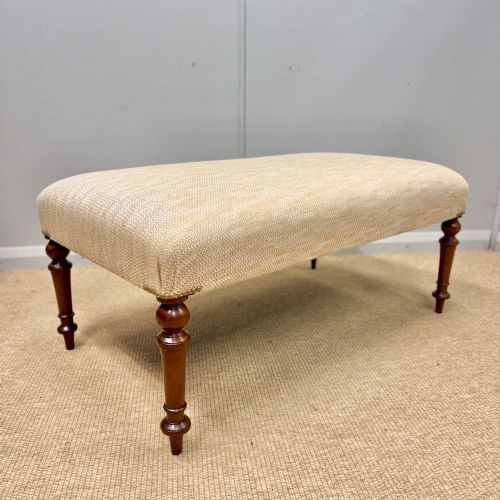
Joinery methods varied by period, employing traditional pegging and jointing techniques for seventeenth-century joint stools alongside later nineteenth-century turning methods. Some examples incorporate woven rush or added upholstery in heavy linen and fabric.
Listings feature turned wooden stool examples spanning from the seventeenth century through to the 1930s in oak, elm, beech, and mahogany.
What varies in quality
Quality rests primarily in the integrity of the timber and the honesty of the construction. Pieces retaining their original turned stretchers and uncompromised joints sit at the higher end of the range.
Surface depth and rich patination acquired through centuries of use separate superior examples from later revivals. The crispness of the original turning profile also dictates the visual success of the piece.
The Turned Wooden Stool Glossary
- Joint stool
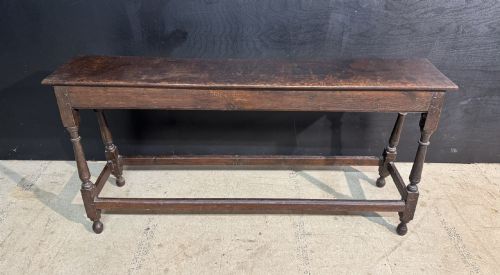
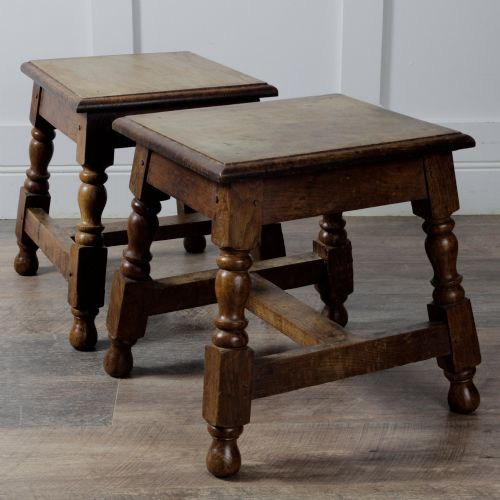
- An early form of wooden seating constructed with mortise and tenon joints held together by wooden pegs rather than glue. These sturdy items served multiple domestic purposes in early households.
- Windsor stool
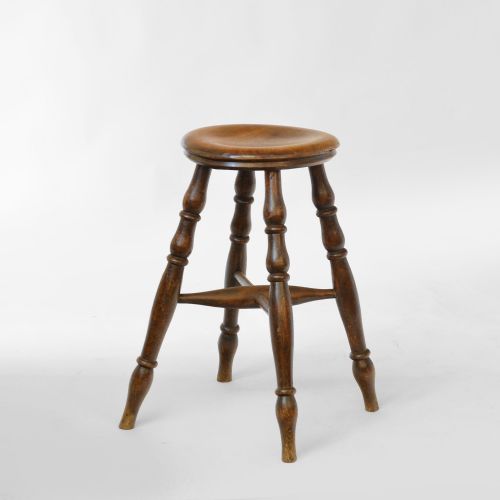
- A traditional seat featuring turned legs and spindles socketed directly into a solid, often dished wooden seat. Elm and beech frequently formed the basis of these country pieces.
- Close stool
- An enclosed box stool designed to house a chamber pot beneath a lidded seat. These functional items often double as clever cabinetwork disguised as ordinary seating.
- Rush seat
- A seating surface woven from dried marsh rushes wound around a wooden frame. This traditional technique provides a resilient and textured platform.
- Tavern stool
- A sturdy commercial seat built for heavy use in public houses, typically featuring a dished wooden top and robust turned legs. Beech and elm frequently comprise these utilitarian objects.
Turned Wooden Stool: Frequently Asked Questions
How do I date a turned wooden stool?
Dating relies heavily on construction methods, timber choice, and turning profiles visible on the legs and stretchers. Early seventeenth-century examples display tight jointing and native oak, whereas nineteenth-century pieces often utilise softer beech or elm.
Secondary clues include tool marks left by saws or lathes and the natural wear accumulated around the footrest stretchers. Comparing the form to documented regional furniture helps narrow the era of production.
What rooms suit a wooden stool?
These versatile items fit naturally into hallways as small seats, beside armchairs as occasional surfaces, or grouped around dining tables. Their modest footprint allows them to tuck beneath tables or sit unobtrusively in corners.
Pub and tavern stools function well as minimalist bedside stands, while upholstered variants serve traditional living spaces as functional footstools.
Are joint stools and regular stools different?
A joint stool specifically refers to a piece built by a joiner using pegged mortise and tenon construction, rather than being simply nailed or glued. They are notably sturdy and historically served as platforms for serving food or standing upon as well as sitting.
Regular turned stools may utilise simpler lathe-turned legs socketed straight into the underside of the seat plank rather than a rigid frame of rails and posts.
How do I care for antique wood?
Maintain antique timber by keeping it away from direct heat sources and sudden humidity changes that can cause wood to split. Regular dusting with a soft, dry cloth preserves the finish without building up heavy chemical residues.
Applying a light coat of appropriate natural wax periodically helps nourish dry timber and protects the historic surface patination.