


Turned Wood Stick Stand
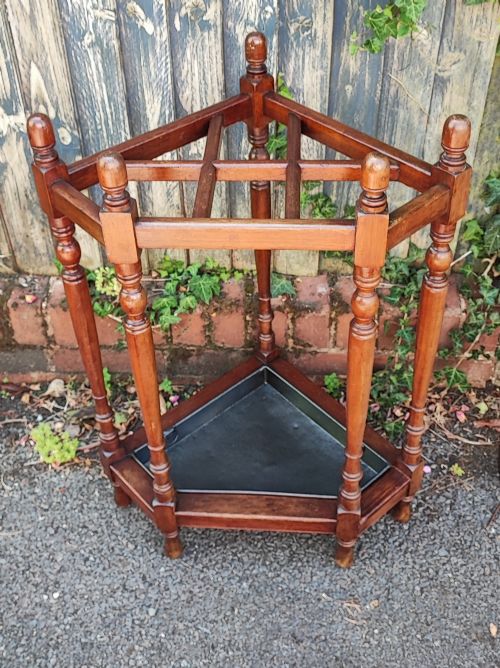
A turned wood stick stand brings warmth and functional utility to a hallway through solid craftsmanship and traditional timber work.
Turned Wood Stick Stand
When buyers search for a turned wood stick stand, they encounter a practical selection of hallway furnishings, umbrella holders, and related turned timber forms spanning several historic periods. The listings here primarily showcase Victorian and Edwardian examples alongside earlier Georgian and George III style pieces, reflecting how makers applied lathe-turning techniques to functional household items over generations.
Materials and Construction
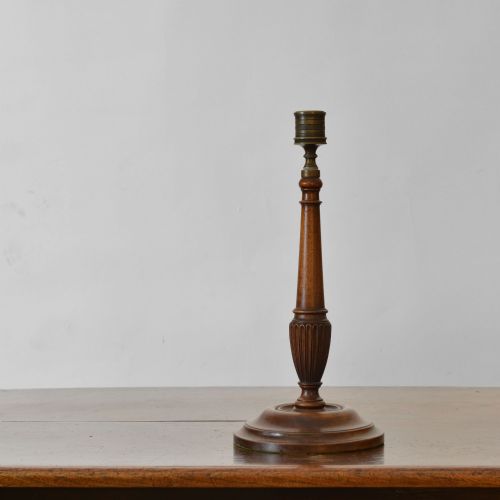
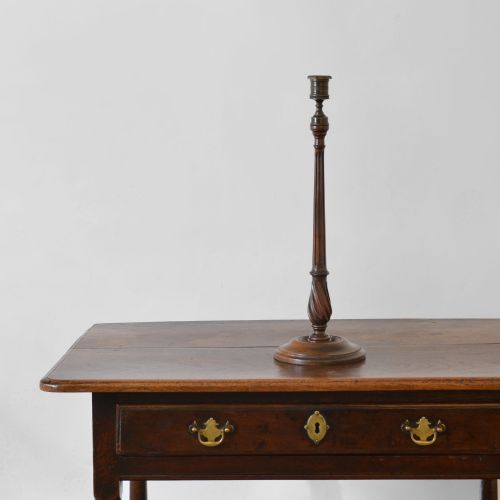
The pieces recorded in these listings rely heavily on solid mahogany and various dense hardwoods, frequently enhanced with brass fittings such as sconces or drip pans. Artisans turned these substantial timbers on a lathe to achieve smooth cylindrical shafts and balanced profiles.
In addition to standard hardwoods, makers utilised specialised dense materials like treen and lignum vitae, particularly for smaller treen items and candlesticks. This reliance on robust timbers ensured that utilitarian objects like umbrella stands and stick holders could withstand daily hallway use.
Recorded forms extend beyond traditional stick holders to include tack room whip stands and domestic candlesticks from the Georgian and Victorian eras.
Judging Quality
Quality in these turned timber pieces rests on the precision of the lathe work and the selection of the raw material, such as heavily grained mahogany or dense lignum vitae. Finer examples display crisp, well-proportioned turning lines and harmonious proportions rather than clumsy or overly thick profiles.
The integration of secondary materials like brass hardware also separates standard domestic items from superior examples. Better pieces feature well-fitted brass accents that complement the rich colour of the underlying hardwood without appearing crude or mismatched.
The Turned Wood Stick Stand Glossary
- Turned wood
- Timber shaped on a lathe by rotating the material against cutting tools to create symmetrical cylindrical or spindle forms. This foundational technique defines the structural profile of sticks stands and candlesticks alike.
- Mahogany
- A durable, reddish-brown tropical hardwood favoured by cabinetmakers for its strength and rich grain. It appears frequently in the Georgian and Victorian umbrella stands catalogued here.
- Lignum vitae
- An extremely dense and heavy natural timber known for its oily resin and dark colour. It was often selected for turned treen objects that required exceptional durability.
- Treen
- Small, functional wooden household items made by turning or carving timber. Collectors prize these historic domestic objects for their tactile qualities and simple utility.
- Sconce
- A metal socket or holder fitted to the top of a candlestick to catch drips and secure the candle. In these listings, brass sconces frequently accompany turned mahogany bodies.
Turned Wood Stick Stand: Frequently Asked Questions
What materials are used in these stands?
The pieces recorded in these listings are constructed primarily from solid mahogany and various dense hardwoods. Many items also incorporate brass elements, such as sconces or structural fittings, to complement the turned timber.
Heavier specimens occasionally utilise specialised dense materials like lignum vitae and traditional treen. These robust substances were chosen specifically for their durability in everyday household items.
How do I date a turned wooden piece?
Dating these items relies on examining the timber species, the style of the turning work, and any associated hardware. Georgian and George III style pieces often display more restrained profiles, while Victorian and Edwardian examples can feature heavier proportions.
Comparing the object's form against documented periods like the nineteenth century or early twentieth century helps narrow down its age. Construction marks and the type of brass fittings used further assist in establishing a reliable timeline.
Were these stands used exclusively for umbrellas?
While the inventory includes dedicated umbrella and stick stands, the broader category of turned wood items encompasses whip stands and candlesticks. A tack room whip stand, for example, served a distinct equestrian purpose compared to a hallway umbrella holder.
Buyers exploring this phrase will therefore find a mix of floor-standing holders and smaller turned accessories. Each object was tailored to a specific domestic or utilitarian role within the historic home.
How do I care for historic turned timber?
Historic turned wood requires stable indoor humidity to prevent the timber from drying out or splitting. Keeping pieces away from direct heat sources and sudden temperature changes protects the structural integrity of the lathe-turned joints.
Applying a traditional wax polish occasionally helps nourish the surface of hardwoods like mahogany. Gentle dusting with a soft cloth is generally sufficient for routine maintenance.