

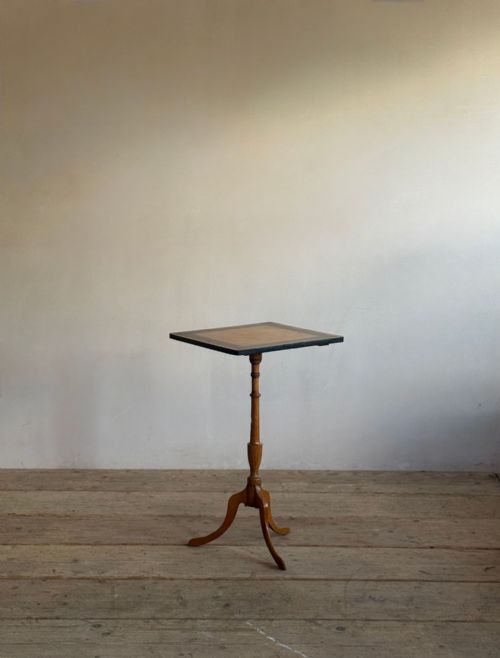
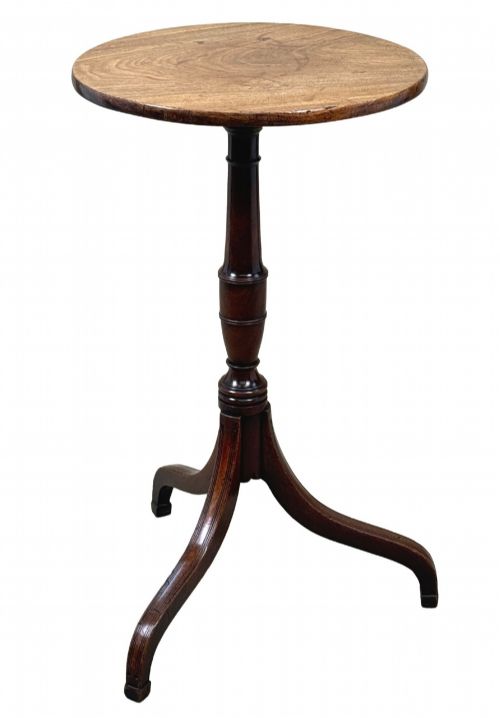
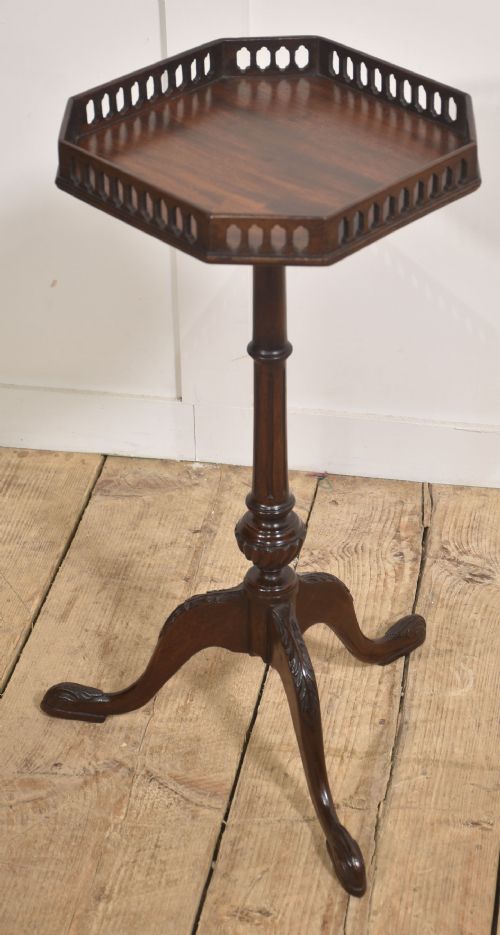
Turned Stem Tripod Table
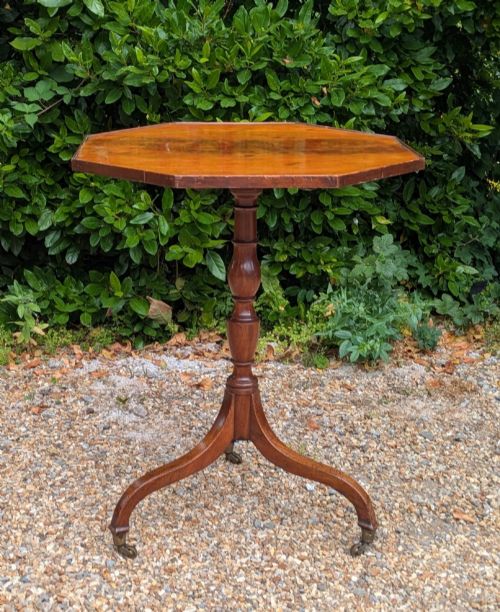
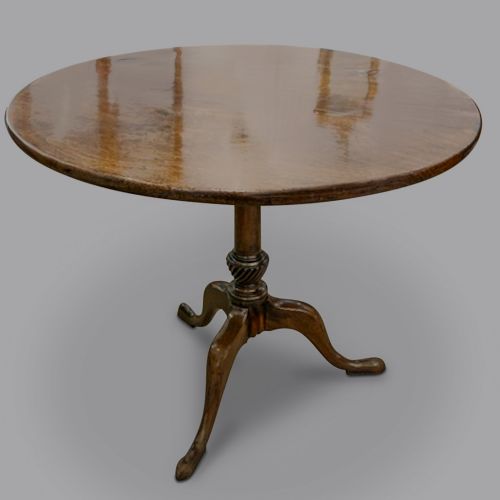
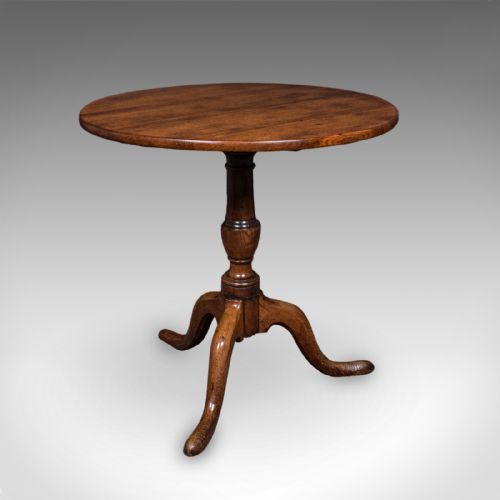
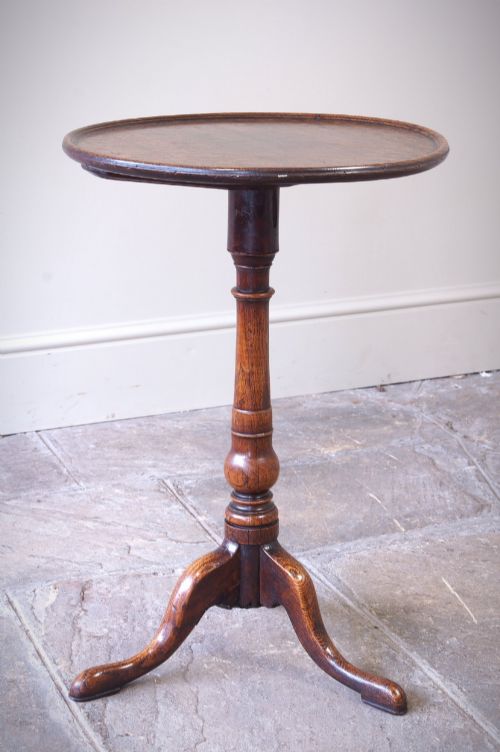
These turned stem tripod table pieces are classic occasional supports designed to hold small items, offering flexible placement and timeless proportion.
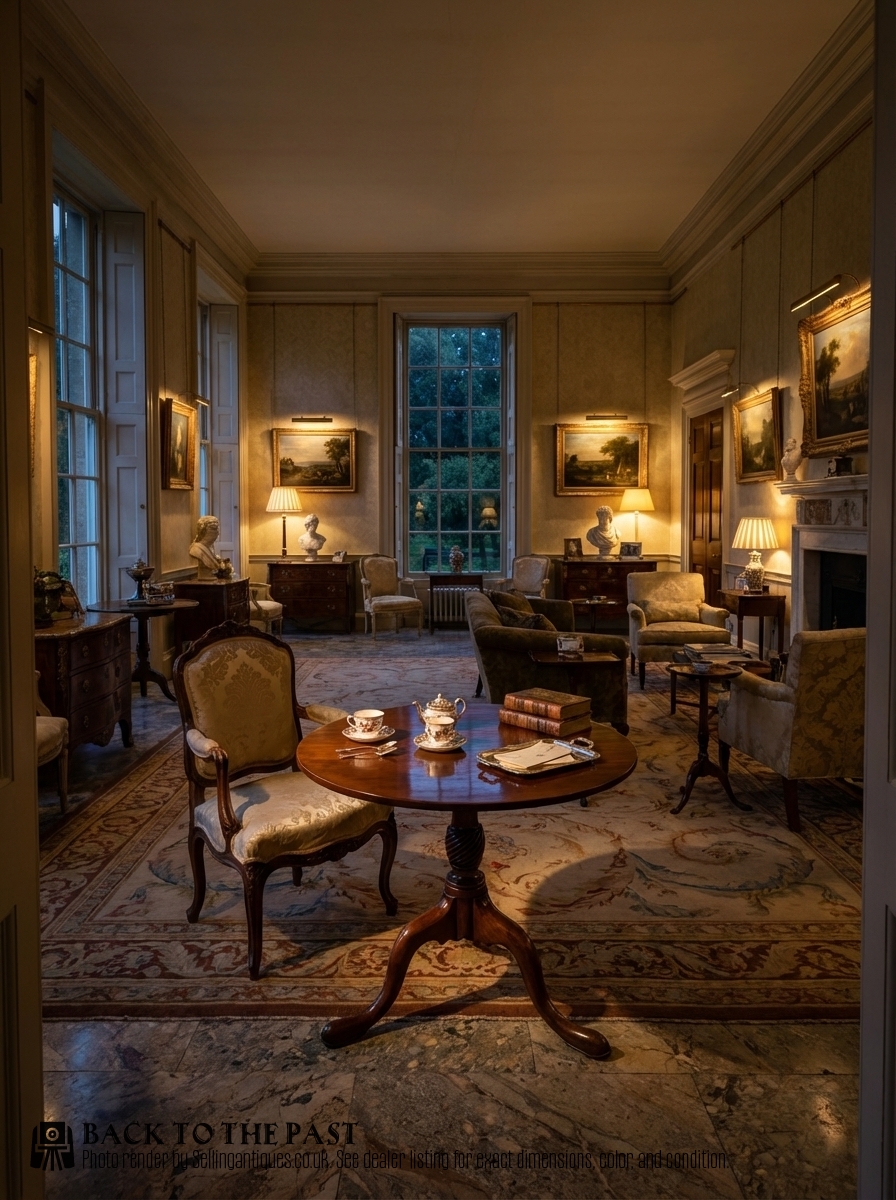
Turned Stem Tripod Table
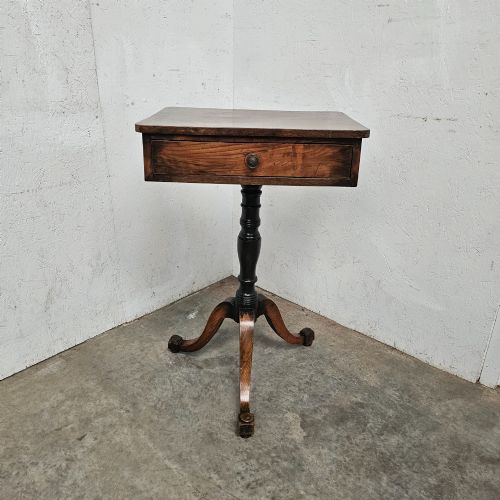
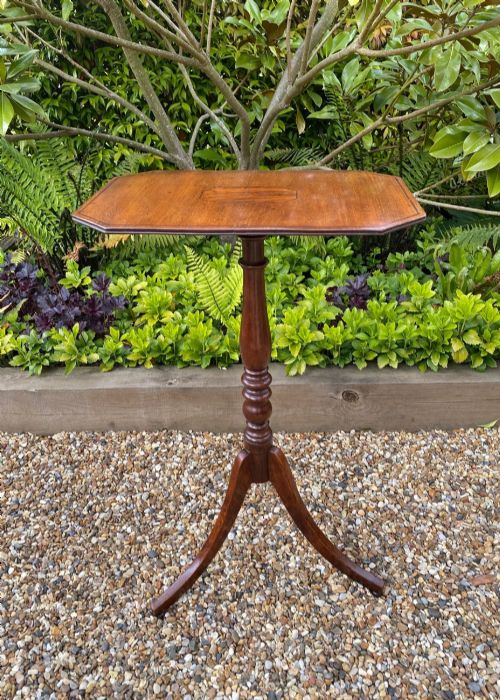
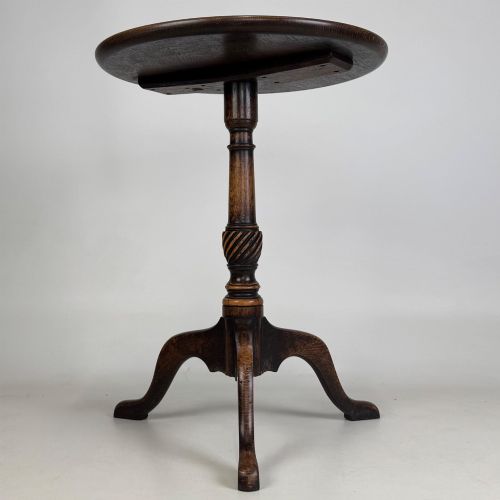
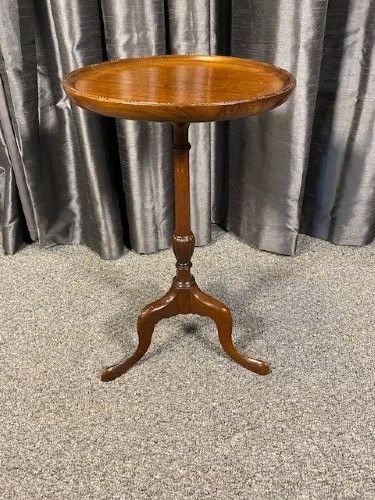
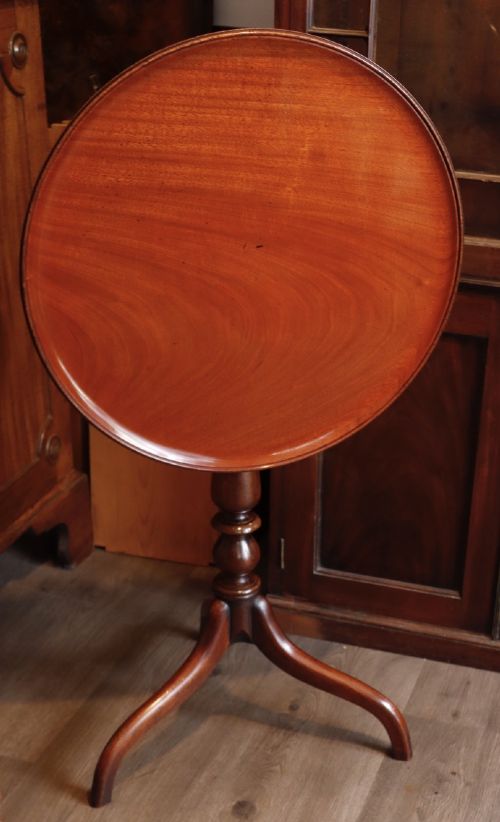
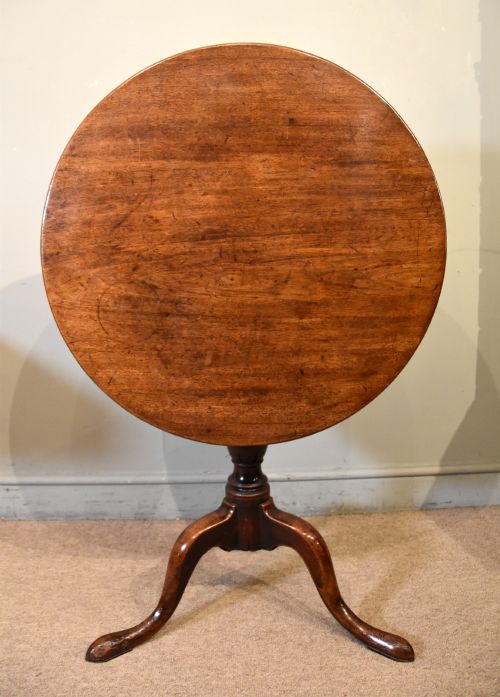
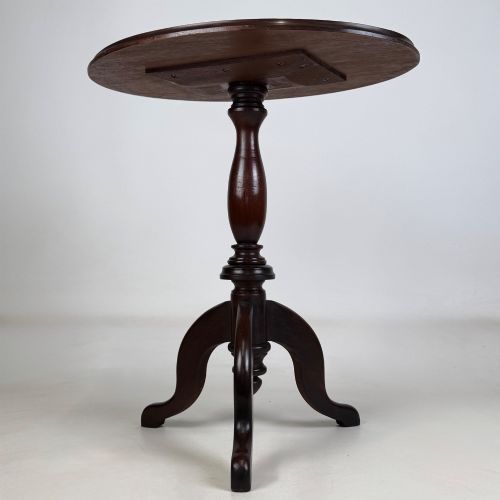
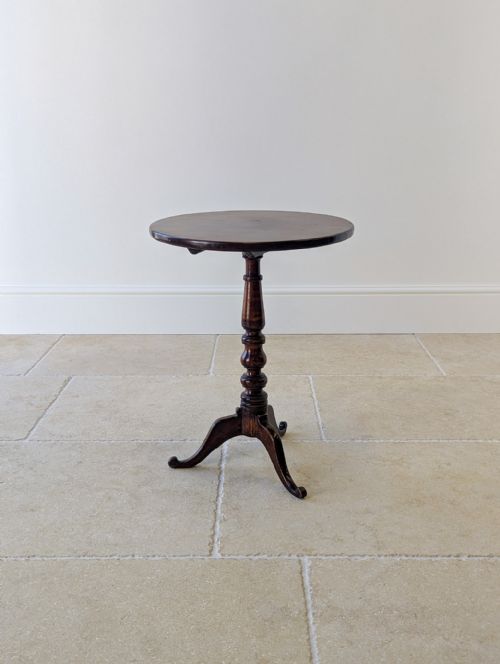
When you search for a turned stem tripod table, you look for a compact circular or oval surface raised on a central pillar supported by three splayed legs. These agile pieces served historically as wine tables, candle stands, kettle stands or small lamp tables.
The version you most frequently encounter on this page is the Georgian mahogany wine table, often featuring a circular top and a tilt mechanism. Oak, elm and fruitwood examples from the eighteenth and nineteenth centuries also appear regularly to satisfy country house tastes.
Makers produced these utilitarian surfaces in various heights and top diameters, ranging from miniature examples to wider library tables. The three-legged format ensured stability on uneven floorboards in period homes.
How they were made
Cabinet makers utilised dense native and imported timbers such as mahogany, oak, elm, yew wood and cherry wood for the tops and turned stems. Turning the central pillar on a lathe created the characteristic baluster or column profiles before craftsmen joined them to the legs via dovetail or bridle joints.
Many examples incorporate a birdcage mechanism or a tilt-top action using brass catches, allowing the top to swivel or fold flat against the stem when not in use. Splayed legs terminate in plain pad feet, spade feet or occasionally brass castors depending on the period.
Turned Stem Tripod Table Retail Price Guide 2026
Typical asking prices for turned stem tripod table among the pieces listed under this phrase on Sellingantiques today, from the lower quarter to the upper quarter. They describe what is for sale here now, not the wider market.
Current listings feature timber varieties including mahogany, oak, elm, yew wood, cherry wood, sycamore, ash and palm wood across Georgian, Regency and Victorian periods.
What varies in quality
The visual harmony between the diameter of the top and the thickness of the turned stem determines the overall elegance of the piece. Superior examples possess timber with rich grain patterns, such as plum pudding mahogany or figured yew wood, rather than plain secondary woods.
The integrity of the tilting mechanism and the snugness of the joints beneath the block dictate the structural merit of each table. Finely executed turning on the central pillar and well-proportioned, unwarped tripod legs separate standard utilitarian pieces from exceptional ones.
The Turned Stem Tripod Table Glossary
- Tilt-top
- A hinged table top that folds vertically when not in use. This clever mechanism allowed servants to store multiple tables against a drawing room wall.
- Birdcage
- A revolving wooden frame beneath the table top. It permits the surface to both rotate and tilt independently.
- Wine table
- A small occasional table designed to hold a decanter and glasses. These portable surfaces moved easily beside armchairs during evening gatherings.
- Dish top
- A table top with a raised moulded rim carved directly from the solid timber. This feature prevented glassware or bottles from sliding off.
- Tripod base
- A supporting structure comprising three radiating legs joined to a central pedestal. This configuration prevents wobbling on uneven historic floors.
Turned Stem Tripod Table: Frequently Asked Questions
Where were turned stem tripod tables placed?
These versatile tables stood beside seating areas in drawing rooms, libraries and parlours to hold lamps, candles or refreshments.
Because of their light weight, occupants carried them easily to different corners of the room as needed during the evening.
Why do some tops tilt?
The tilting mechanism allowed the tables to be stored flat against perimeter walls when the room needed to be cleared for dancing or other activities.
This space-saving feature was essential in fashionable Georgian and Regency interiors where rooms served multiple daily functions.
How do I identify a Georgian period piece?
Georgian tables typically display dense mahogany, oak or elm construction with hand-turned stems and pegged joinery beneath the top.
Examine the underside for traditional tool marks, timber shrinkage and patination that confirm genuine age over later reproduction.
Can I use a wine table daily?
These sturdy tables function well as modern lamp stands or side tables for drinks beside a sofa or armchair.
Avoid placing them in direct sunlight or near central heating vents to protect the historical timber and polishes from drying out.