

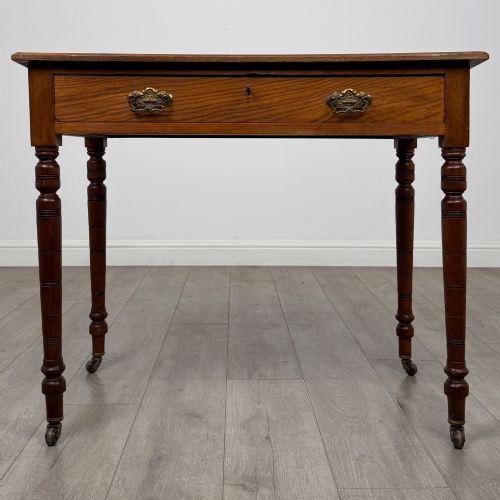
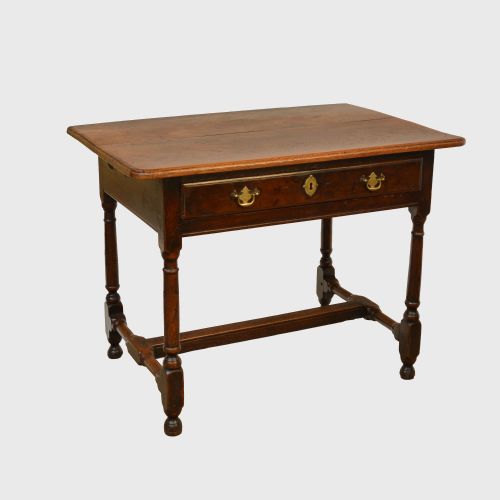
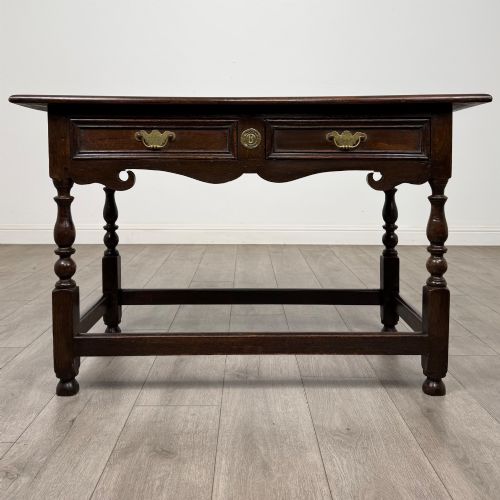
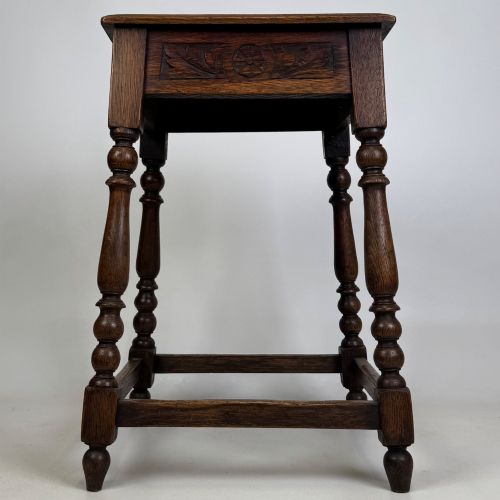
Turned Leg Hall Table
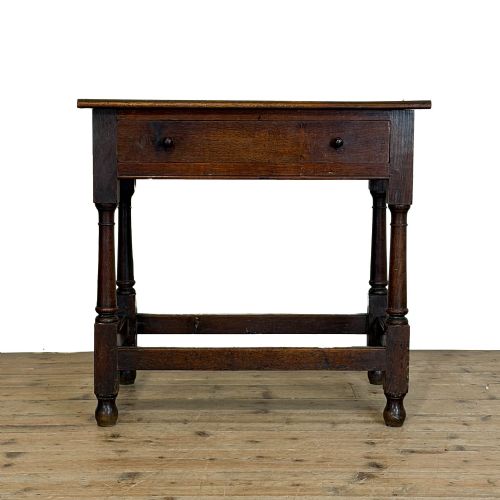
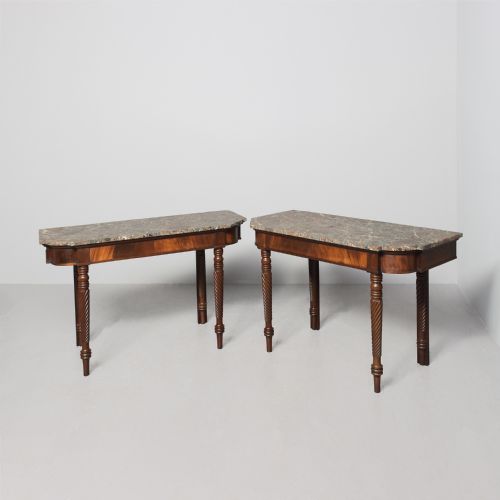
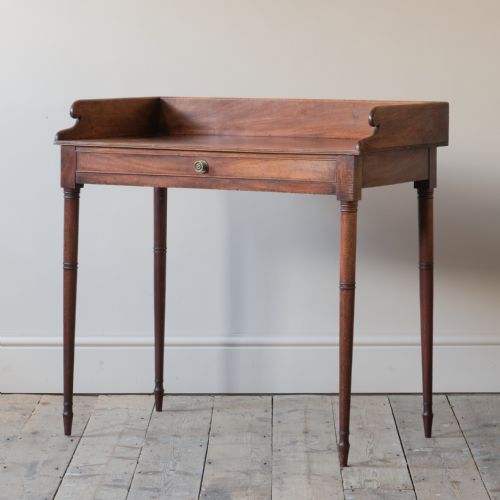
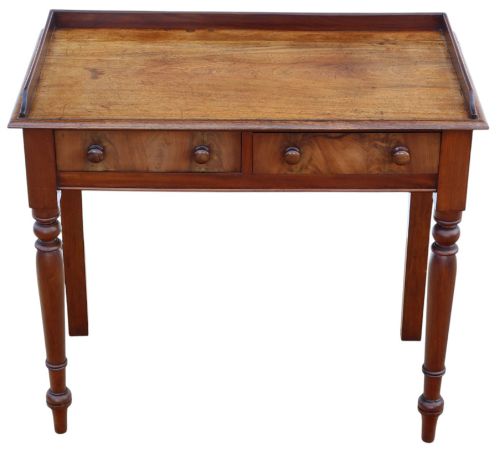
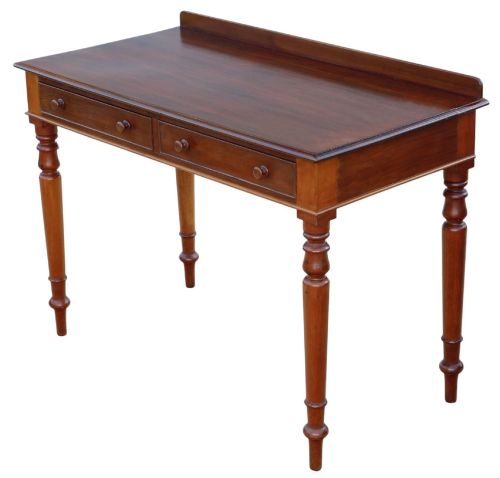
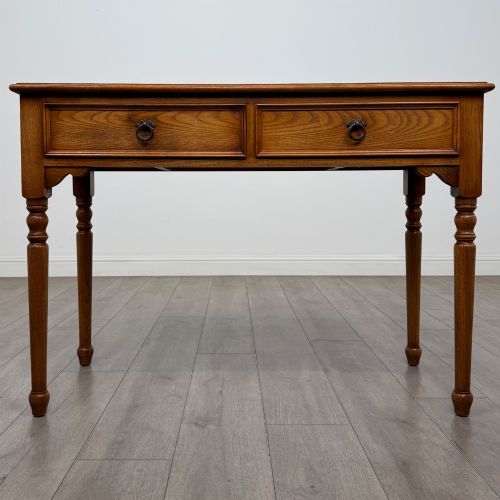
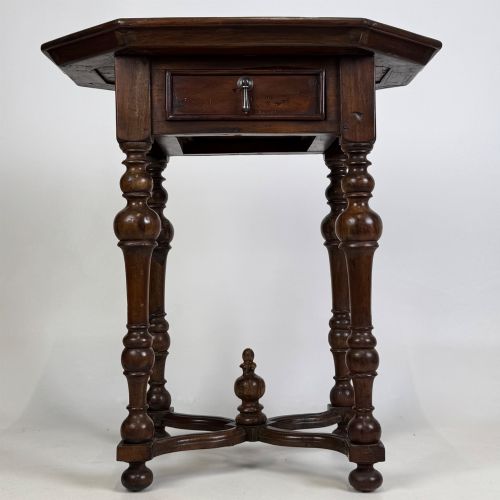
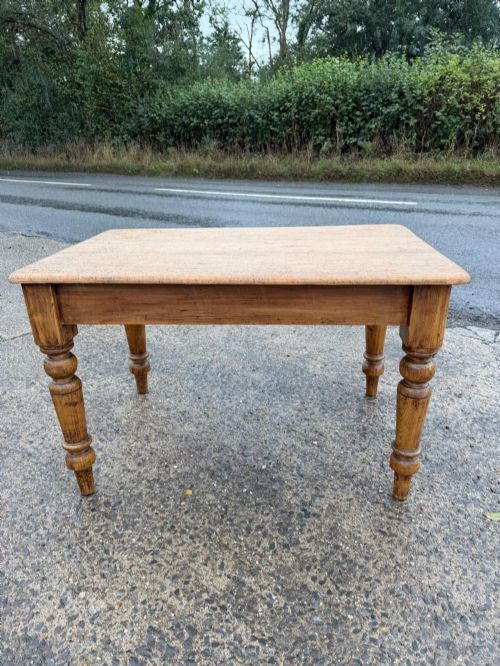
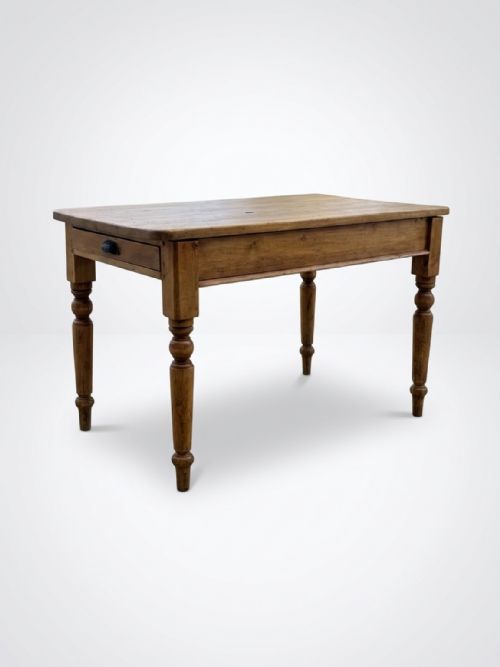
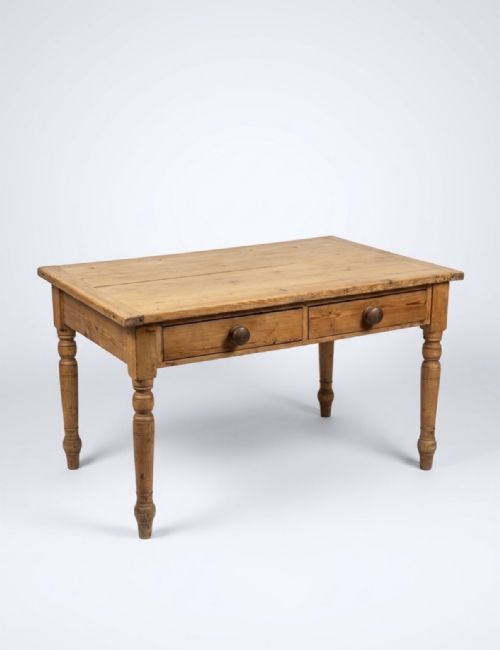
A turned leg hall table stands ready for a narrow hallway, offering a surface for correspondence and keys alongside sculptural timber supports.
Turned Leg Hall Table
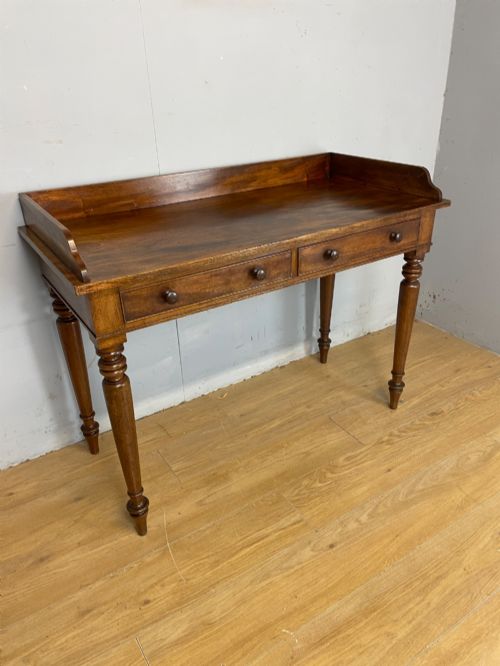
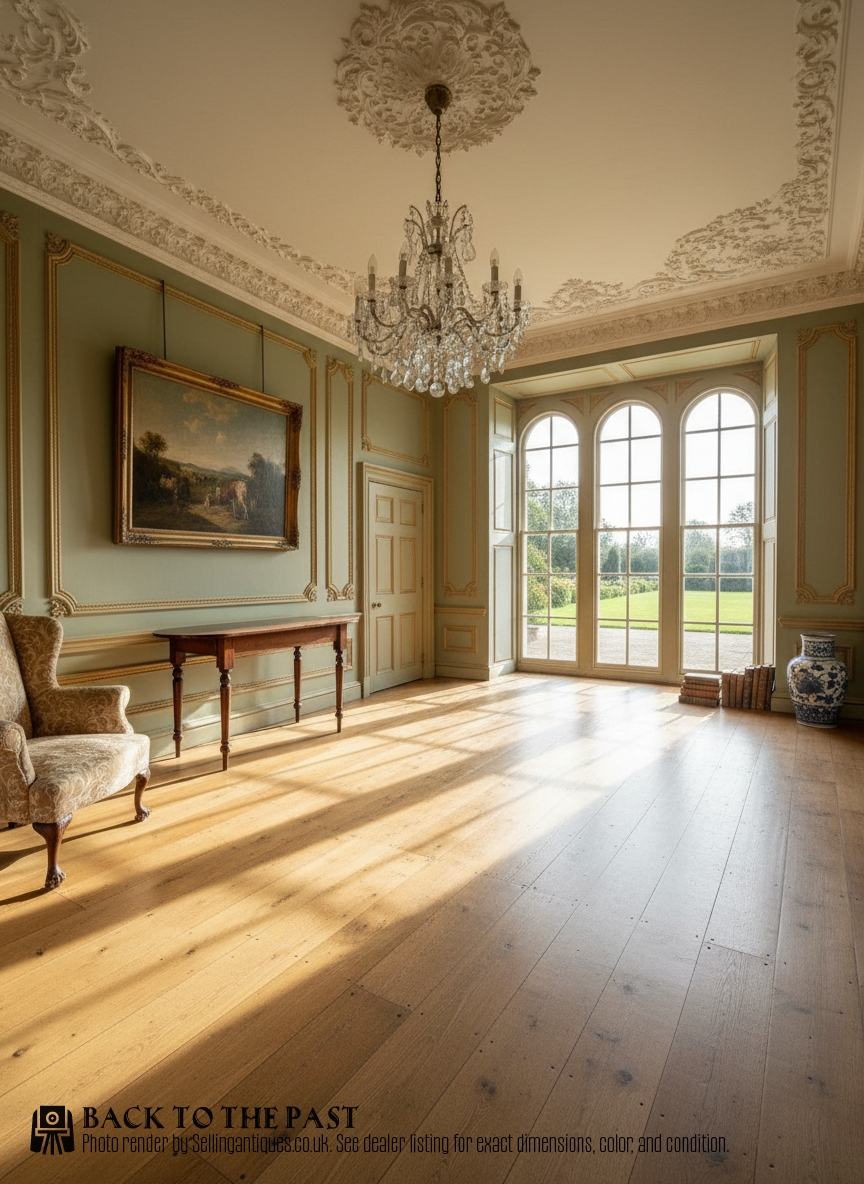
A turned leg hall table serves as a functional piece for narrow spaces, drawing upon forms historically classed as side tables, console tables, and writing tables. These pieces appear across multiple periods, most notably the Victorian era, the Georgian period, and the Edwardian years.
The materials span native and imported timbers, with oak, mahogany, and pine appearing frequently alongside walnut, elm, yew, and pitch pine. Such tables function as surfaces in hallways, living rooms, and bedrooms, often featuring single or double drawers set into the front frieze.
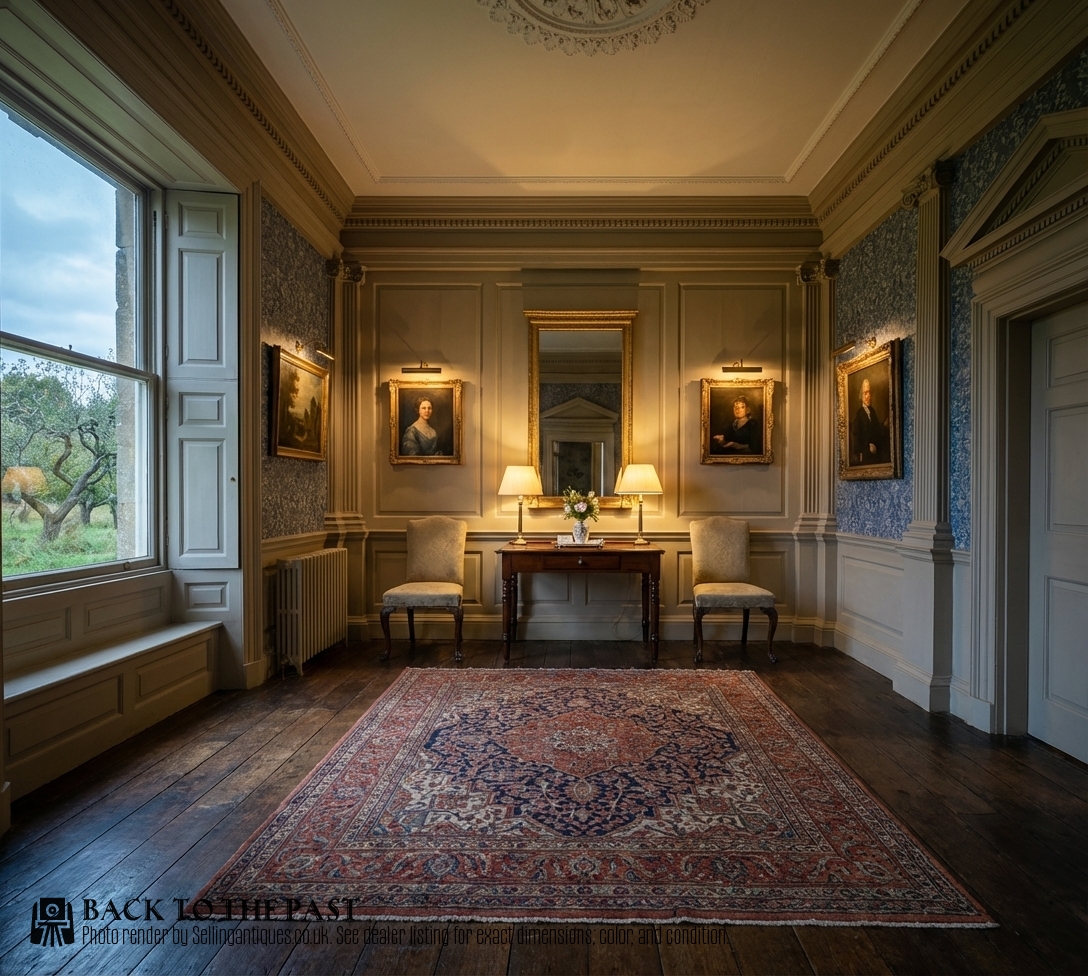
How they were made
Cabinetmakers utilised solid timbers and veneers, shaping supports on a lathe to create the characteristic turned legs seen on seventeenth-century William and Mary examples up to Edwardian pieces. Drawer construction frequently involved traditional hand-cut joints fitted into the front frieze.
Surface treatments ranged from polished mahogany and golden oak to painted finishes and carved details influenced by Jacobean revival styles. Brass handles and fittings often complement the primary hardwoods and softwoods.
Turned Leg Hall Table Retail Price Guide 2026
Typical asking prices for turned leg hall table among the pieces listed under this phrase on Sellingantiques today, from the lower quarter to the upper quarter. They describe what is for sale here now, not the wider market.
Materials documented across the inventory include oak, mahogany, pine, walnut, elm, yew, pitch pine, and brass fittings.
What varies in quality
The distinction between ordinary and superior pieces rests on the choice of timber, such as flame mahogany, burr walnut, or figured oak, matched with careful proportion and balanced design. Earlier pieces from the seventeenth and eighteenth centuries often display bolder proportions and more substantial construction.
Execution of turned legs and carved decoration demonstrates the maker's skill, distinguishing standard production items from fine pieces attributed to known workshops or specific regional traditions.
Heal and Son·Gillows
The Turned Leg Hall Table Glossary
- Frieze
- The horizontal band situated directly beneath the top surface of a table. Drawers are frequently housed within this section.
- Washstand
- A utilitarian table designed to hold a basin and pitcher, often adapted for use as a side table or hall table today.
- Jacobean Revival
- A nineteenth and twentieth-century style imitating the heavy, carved oak furniture of the early seventeenth century. It frequently incorporates turned supports and geometric mouldings.
- Flame mahogany
- A veneer cut from the fork of a mahogany tree where the grain pattern resembles flickering flames. Cabinetmakers utilised this for decorative drawer fronts and table tops.
- Occasional table
- A small, versatile table intended for use in various rooms as needed. These pieces often feature turned legs and compact proportions.
Turned Leg Hall Table: Frequently Asked Questions
What is a turned leg hall table?
A turned leg hall table is a narrow surface piece featuring legs shaped on a wood-turning lathe. These tables function well in entryways and hallways for small items.
The listings encompass various historical eras, from seventeenth-century oak examples to Edwardian and Victorian interpretations in mahogany, pine, and walnut.
How do I date a turned leg hall table?
Dating relies on observing the timber species, construction methods, and overall style. Seventeenth-century pieces typically show heavy oak construction with distinct joining techniques, whereas Victorian and Edwardian examples utilise softer pines or lighter oaks.
Hardware, such as brass handles, and secondary woods inside drawers also provide clues to the period of manufacture.
Were these tables originally used in hallways?
Many pieces catalogued under this description started life as side tables, writing tables, console tables, or washstands. Their compact depth makes them well-suited for modern hallways despite their varied historical origins.
Drawers set into the front frieze allowed earlier owners to store small documents, keys, or washing accessories.
What timbers should I expect to find?
Oak and mahogany appear most frequently across the centuries, ranging from early golden oak to rich flame mahogany veneers. Pine and pitch pine are common in nineteenth-century country and utilitarian pieces.
Less frequent materials include walnut, elm, yew, and occasional painted surfaces, reflecting regional preferences and the availability of wood.