



Antique Wooden Entry Table
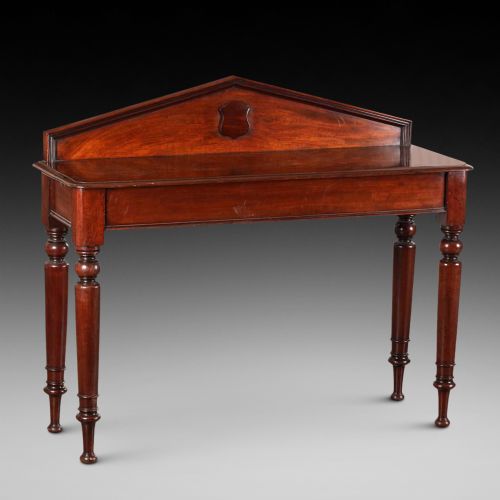
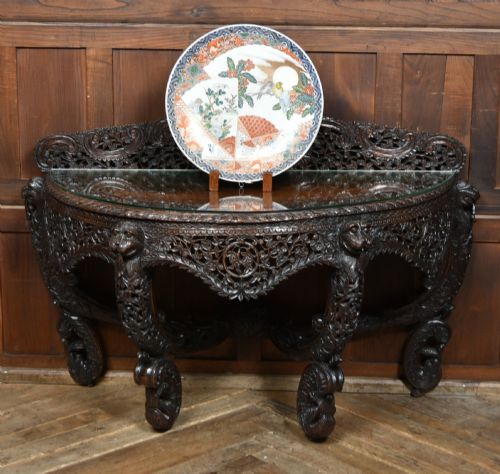
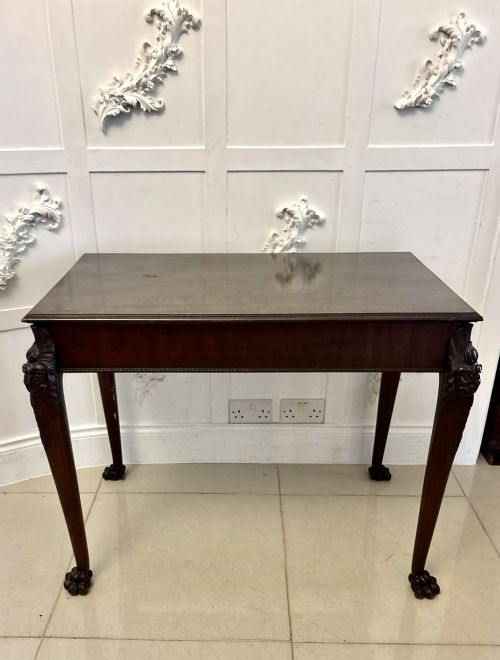
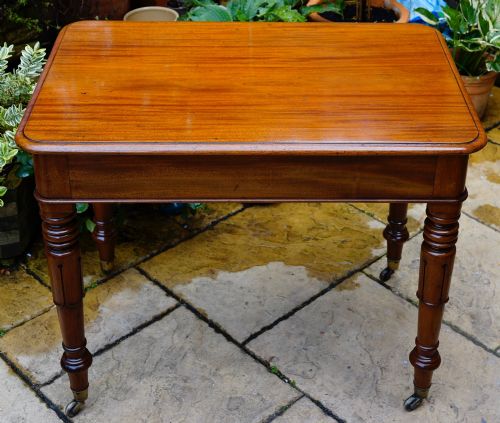
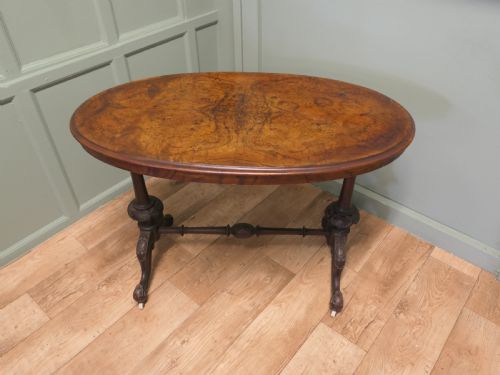
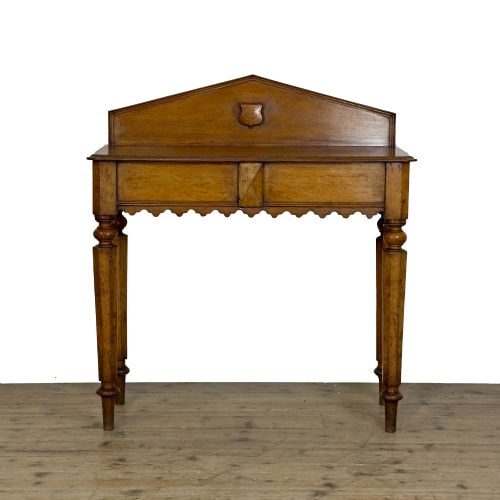
An antique wooden entry table grounds a hallway with timber warmth and practical surface space.
Antique Wooden Entry Table
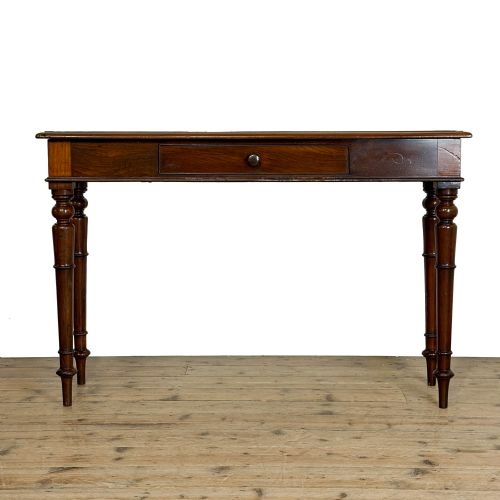
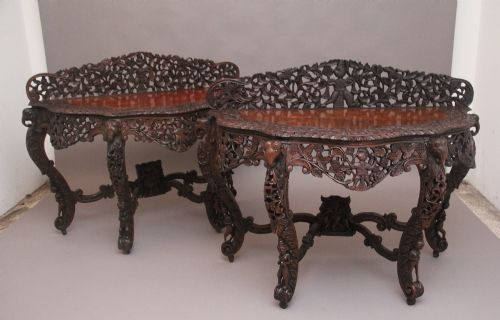
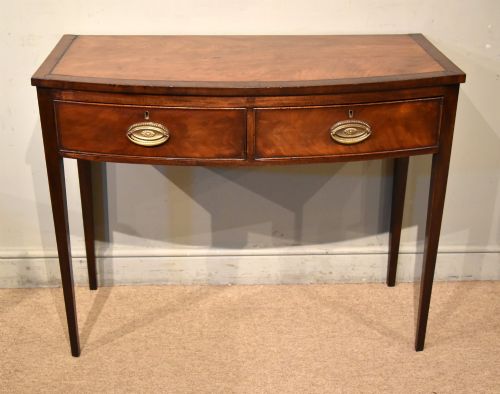
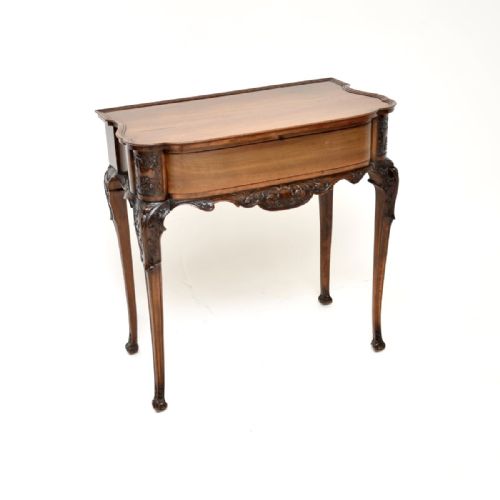
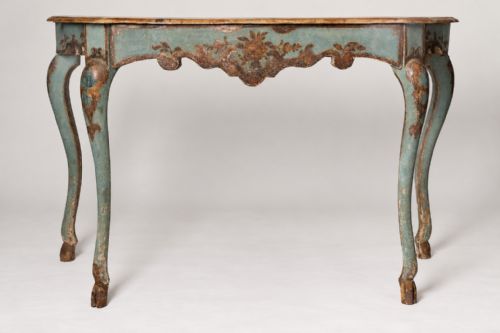
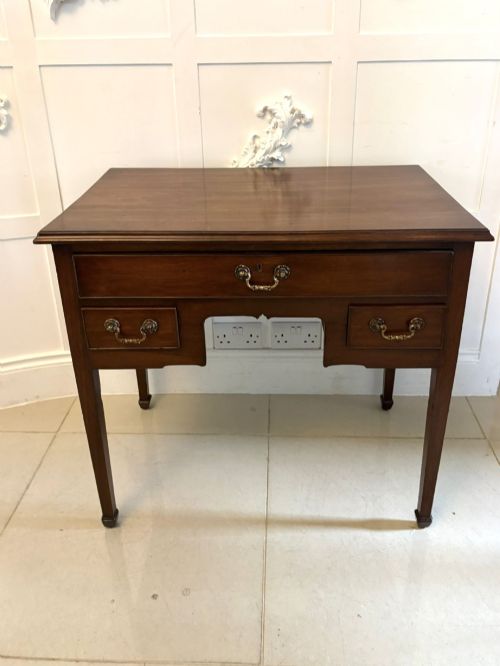
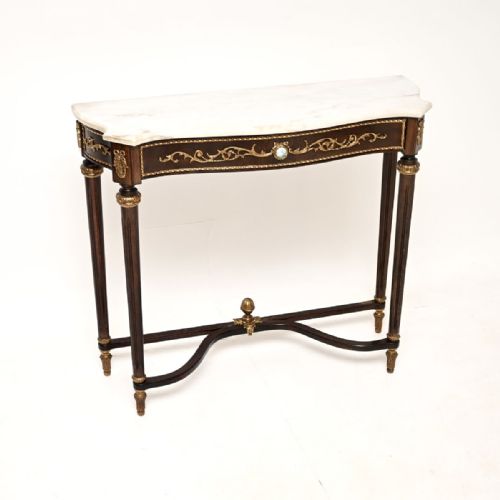
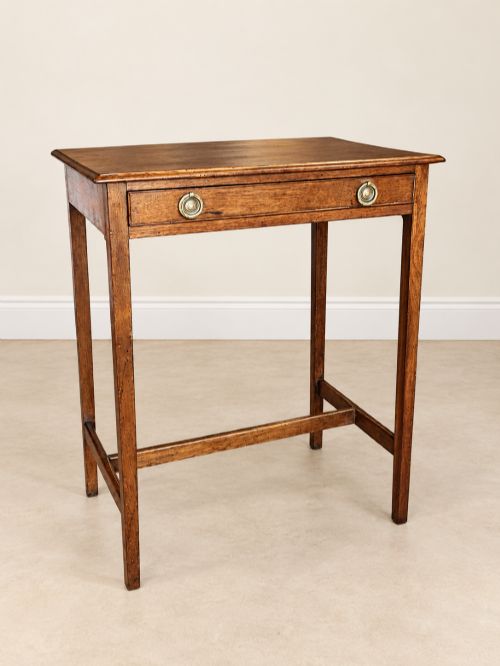
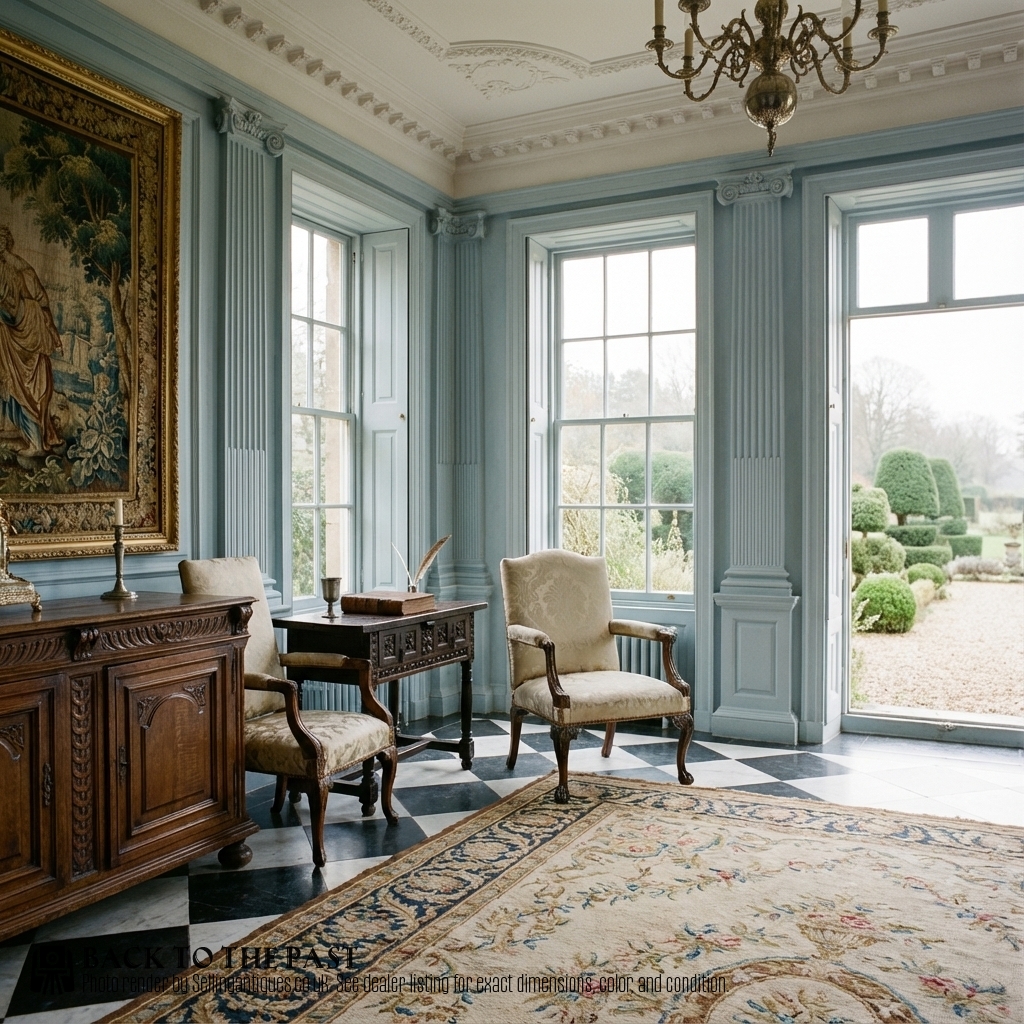
An antique wooden entry table serves as a functional and decorative focal point in a hallway, vestibule or reception space. When searching for an antique wooden entry table, buyers encounter forms ranging from console and side tables to hall stands and demi-lune shapes.
The selections span multiple centuries and design traditions, encompassing Georgian, Victorian, Edwardian and regional European pieces. Mahogany and oak dominate the offerings, alongside painted wood, walnut, pine and elm.
Makers and makers' origins stretch across England, Scotland, Ireland, France, Spain, Germany, Sweden, China and India. Formats include foldover tea tables, server tables, campaign tables and altar tables adapted for narrow spaces.
Materials and construction methods
Cabinetmakers utilised hardwoods such as mahogany, oak and walnut for durability and rich grain patterns, frequently employing pine or pitch pine for secondary framing and functional washstands.
Surface embellishments recorded in the inventory include hand-carving, painted finishes in antique white or folk styles, and delicate inlay work on serpentine and demi-lune tops.
Joinery techniques ranged from traditional cabinet construction to specialised regional assembly found in campaign tables, Spanish walnut pieces and Chinese elm altar tables.
Antique Wooden Entry Table Retail Price Guide 2026
Typical asking prices for wooden entry table among the pieces listed under this phrase on Sellingantiques today, from the lower quarter to the upper quarter. They describe what is for sale here now, not the wider market.
The listings span from seventeenth-century Spanish oak up to twentieth-century French and German painted centre tables, reflecting diverse international cabinetmaking traditions.
Differences in quality and craftsmanship
The grade of timber selection and figuration dictates the visual impact, particularly in mahogany, burr walnut and figured oak surfaces where natural grain patterns take centre stage.
Execution of decorative details such as hand-carving, brass hardware integration, and precise inlay work distinguishes standard utility furniture from finer architectural examples.
Proportion and structural integrity relative to period design canons determine the overall success of pieces spanning from seventeenth-century Spanish origins to twentieth-century revivals.
James Mein of Kelso
The Antique Wooden Entry Table Glossary
- Console table
- A table designed to be fixed against a wall, often supported by brackets or console legs rather than four independent vertical posts. These pieces suit narrow hallways where floor depth is restricted.
- Demi-lune
- A half-moon shape used for table tops and console surfaces. This curved profile allows the furniture to sit flush against an entryway wall while softening the rectangular geometry of a hall.
- Lowboy
- A small seventeenth or eighteenth-century English table with one or more rows of drawers beneath the flat top. They function effectively as compact serving surfaces or side tables.
- Serpentine
- A front edge or surface shaped with a central convex curve flanked by two concave curves. This undulating line requires advanced woodworking skill to execute cleanly on timber tops.
- Campaign table
- Portable furniture constructed for travel, typically featuring recessed brass handles and corner brackets. These pieces were built for durability and disassembly in military contexts.
Antique Wooden Entry Table: Frequently Asked Questions
Where should I place an antique wooden entry table?
Position your table against a primary hallway wall where it can hold daily items like keys and post without obstructing foot traffic. A shallow console or demi-lune profile works best in narrow corridors.
Ensure the height allows room for a mirror or artwork hung above it to create a balanced entrance arrangement.
How do I identify the wood type on my table?
Examine the grain pattern, colour variation and weight of the timber used in the primary surfaces and drawer construction. Common materials include the deep reddish-brown tones of mahogany, the pronounced open grain of oak, and the contrasting figures of burr walnut.
Secondary woods used underneath or inside drawers often include pine or elm, which provide structural support.
Can these tables support heavy decorative items?
Most antique wooden entry tables are built from sturdy hardwoods like oak and mahogany, making them capable of holding lamps, ceramics and books. Check the stability of the legs and wall fixings if the piece is a console style that relies on architectural support.
Avoid overloading drop-leaf or foldover mechanisms beyond their original design function.
How do I care for antique timber surfaces?
Dust the wood regularly with a dry, soft cloth and apply quality beeswax periodically to nourish the grain and maintain a natural sheen. Keep the table away from direct heat sources and strong sunlight to prevent timber splitting or fading.
Use coasters under any drinking vessels placed on the surface to protect the historic polish from moisture rings.