



Turn of Century Vase
A turn of century vase captures the sweeping transition from historicism to organic design, offering striking glass, ceramic, and metal forms for any room.
Turn of Century Vase
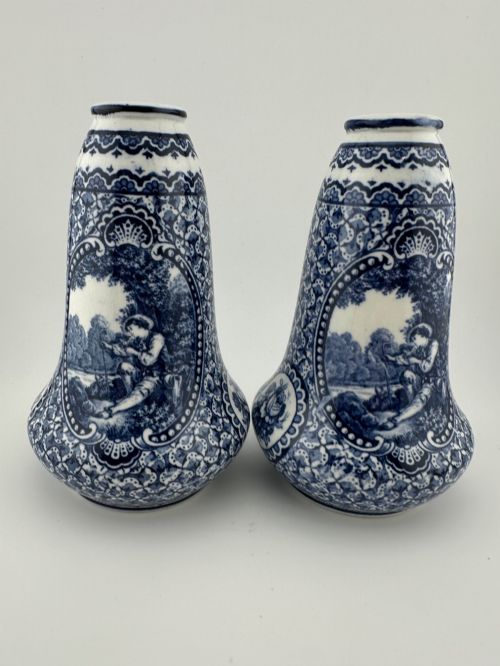
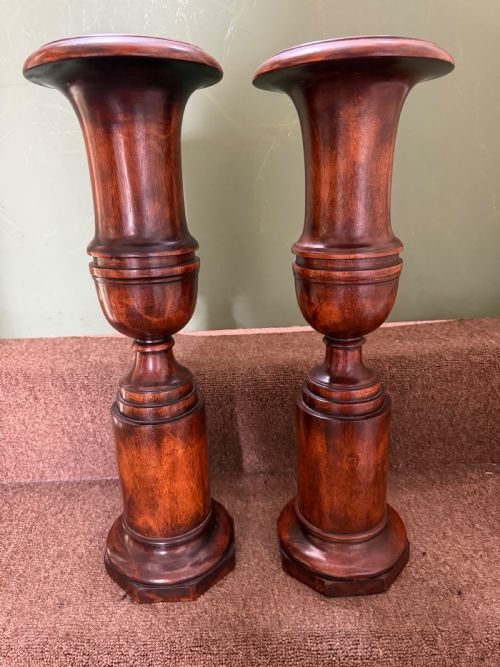
When you examine a turn of century vase, you encounter vessels that bridge the nineteenth and twentieth centuries, spanning periods from Georgian treen to Victorian and nineteen-hundreds production. The selection encompasses diverse forms, including decorative urns, spill vases, and tall glass stems.
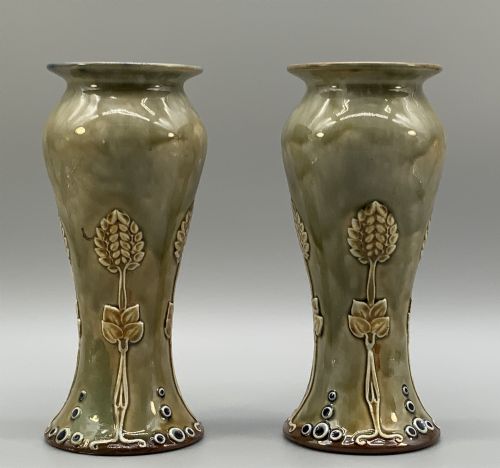
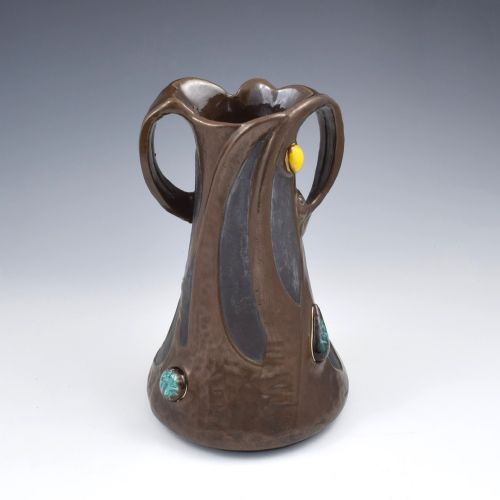
Art Nouveau examples dominate the visual landscape, featuring sinuous lines, floral motifs, and iridescent finishes. Alongside these sit neoclassical designs, copper effect earthenware, and traditional turned wood pieces from earlier nineteenth century workshops.
Origins stretch across Britain, France, Austria, Hungary, Japan, and America, bringing together diverse regional aesthetics. Buyers frequently encounter pairs of vases intended for mantelpieces or side tables, executed in glass, ceramic, copper, and bronze.
Materials and construction techniques
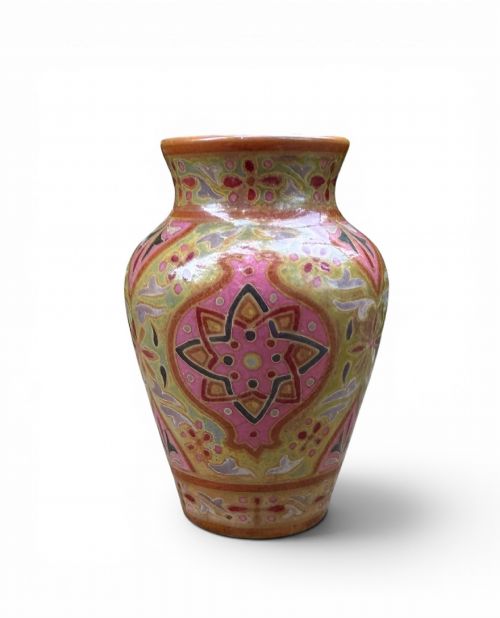
Makers utilised glass through cameo techniques, acid etching, and optical blowing to create layered colours and textured surfaces. Ceramic production involved stoneware, earthenware, and porcelain, often enhanced with lustre glazes and jewelled cabochons.
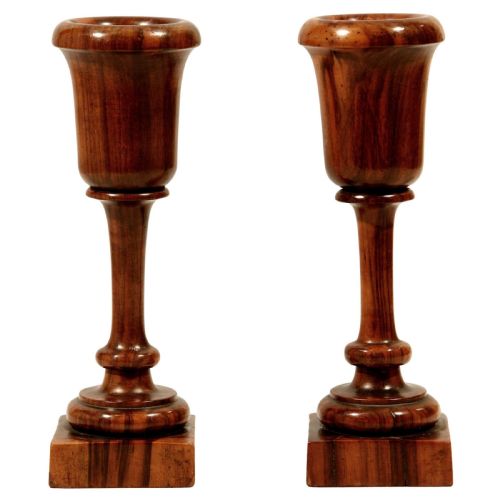
Metalwork relies on copper, brass, bronze, and champleve enamel, frequently featuring chased floral decoration or patinated finishes. Woodturners worked with walnut, lignum vitae, yew, and oak, turning timber on lathes to produce spill vases and urns.
Listings span ceramic, glass, copper, bronze, and turned wood, illustrating the vast material experimentation around nineteen hundred.
Distinctions in quality and execution
Execution of detail separates standard production from exceptional pieces, particularly in the crispness of chased metalwork, the depth of cameo glass carving, and the precision of wood turning. The complexity of glazes, such as Persian lustre or iridescent Favrile surfaces, dictates visual impact.
Attribution to known designers and potteries elevates a piece, shifting the focus from simple utility to documented artistic achievement. The integrity of preservation, from original patination on bronzes to intact cabochons and enamel, defines the standing of each vessel.
Royal Bonn Franz Anton Mehlem·Royal Doulton Lambeth·Zsolnay Pecs·Bretby Pottery·Daum Nancy·Charles Korschann·James Powell·Ernst Wahliss·LCT Tiffany·Galle
The Turn of Century Vase Glossary
- Cameo glass
- Glass formed with multiple layers of contrasting colours, then carved or acid-etched to produce a raised design. This technique requires exceptional skill to expose the underlying colour without piercing the vessel wall.
- Spill vase
- A slender container designed to hold wooden spills used for lighting fires and candles. These functional items appear in turned wood, ceramic, and glass.
- Champleve
- An enamelling technique where troughs or cells are sunk into a metal surface and filled with vitreous enamel before firing. The resulting design displays vibrant coloured patterns flush with the surrounding metal.
- Favrile glass
- An iridescent art glass developed and patented by Louis Comfort Tiffany. The process incorporates metallic oxides into molten glass to create a shimmering, rainbow effect.
- Treen
- Small handmade wooden household objects. These items showcase traditional turning and carving skills applied to domestic timber.
Turn of Century Vase: Frequently Asked Questions
What defines a turn of century vase?
These pieces date predominantly around nineteen hundred, capturing the shift from Victorian historicism to the organic curves of Art Nouveau. They include glass, ceramic, metal, and wooden vessels created by prominent European and American makers.
Makers embraced diverse materials, producing iridescent glass, stoneware, cameo vessels, and chased metal urns. Each object reflects the stylistic experiments of an era bridging two centuries.
How were spill vases used?
Spill vases held slender rolled paper or thin wood tapers known as spills. These allowed people to transfer flames from a hearth to candles or lamps before matches became common.
Craftsmen turned them from timber like yew and lignum vitae, or shaped them in ceramic and glass. Positioned near fireplaces, they combined utility with decorative presence.
How do I care for antique glass and metal?
Glass vessels require gentle hand washing with warm water and mild soap, avoiding sudden temperature changes. Metal surfaces like copper, brass, and bronze benefit from dry dusting, leaving patination undisturbed.
Avoid commercial polishes that strip original finishes or damage delicate enamel and jewelled cabochons. Display them away from direct sunlight to protect coloured glass and lustres.
How do I distinguish Art Nouveau from earlier styles?
Art Nouveau pieces feature asymmetrical flowing lines, plant motifs, and organic shapes inspired by nature. Earlier nineteenth century or neoclassical works rely on symmetry, strict geometry, and classical architectural references.
Glazes and glass treatments also differ, with Art Nouveau prioritising iridescence, cameo layering, and matte ceramic surfaces. Neoclassical designs favour formal urn shapes with restrained, balanced ornamentation.