

Turkmen Tribal Carpet
When you choose a turkmen tribal carpet, you acquire a woven textile carrying centuries of nomadic heritage from Central Asia.
Turkmen Tribal Carpet
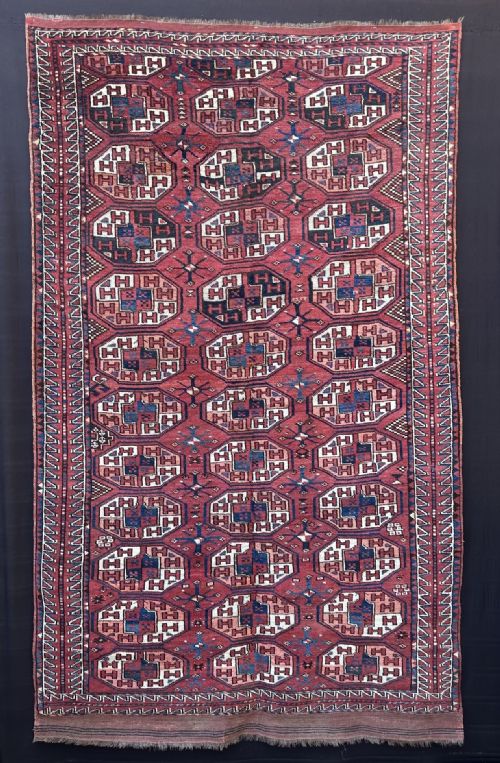
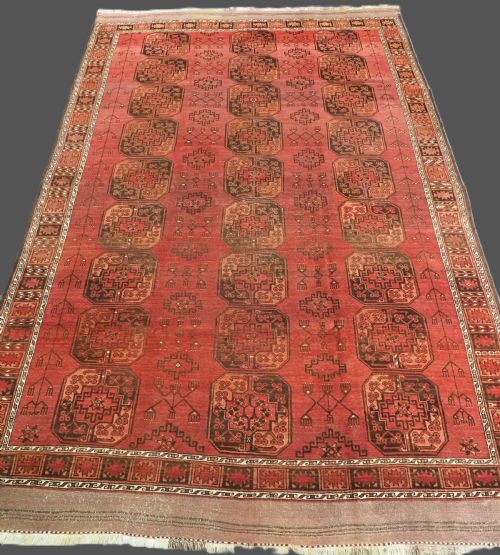
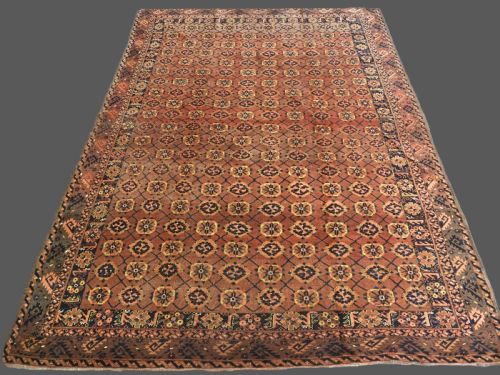
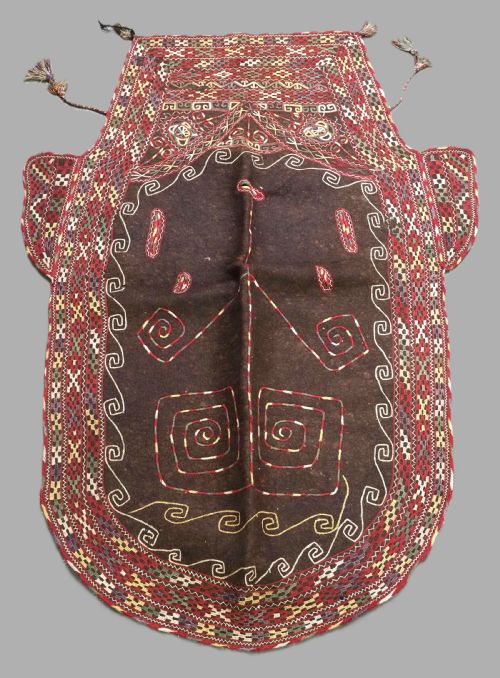
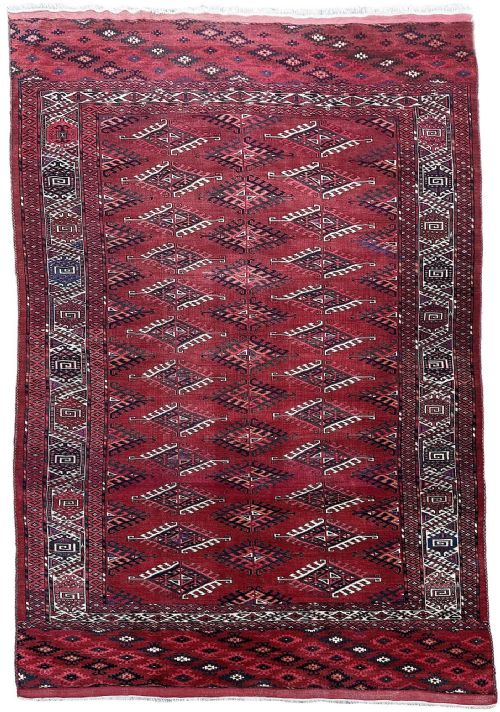
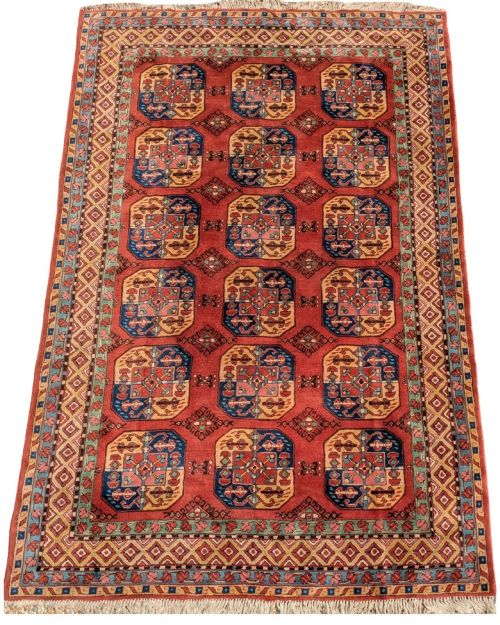
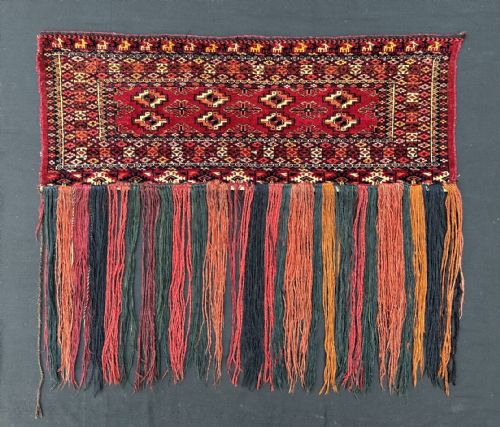
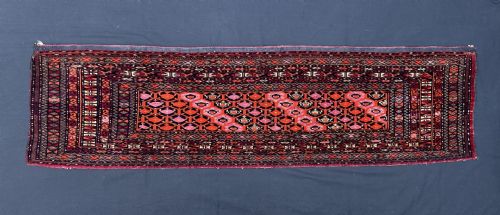
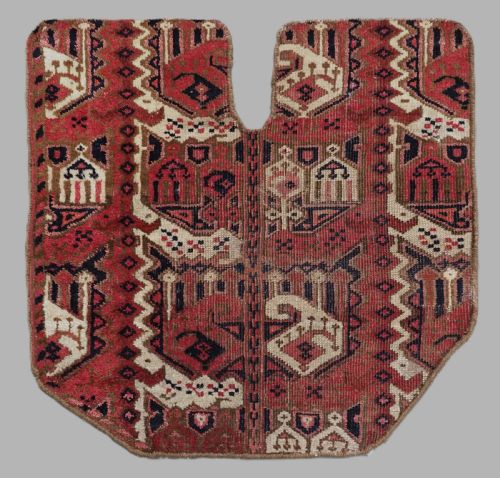
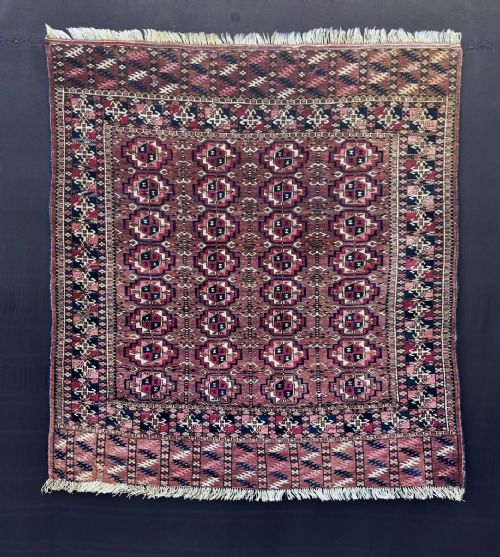
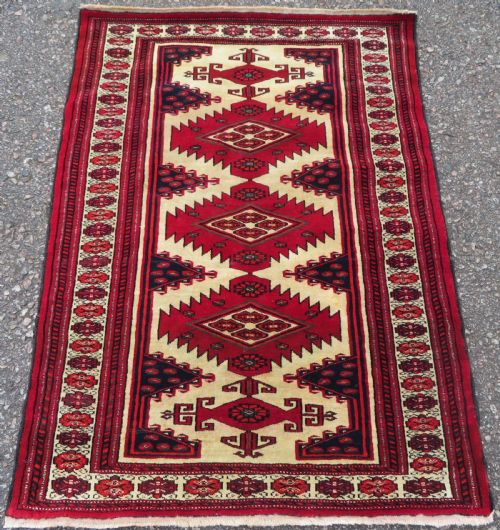
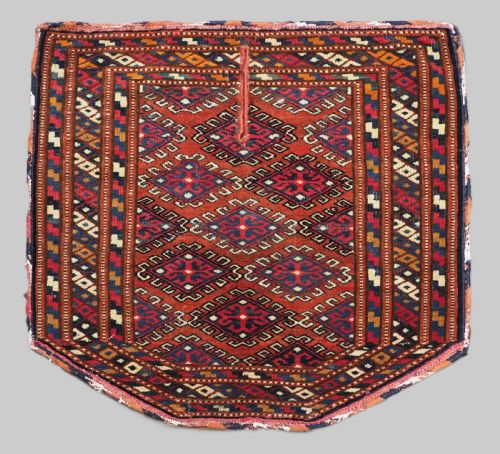
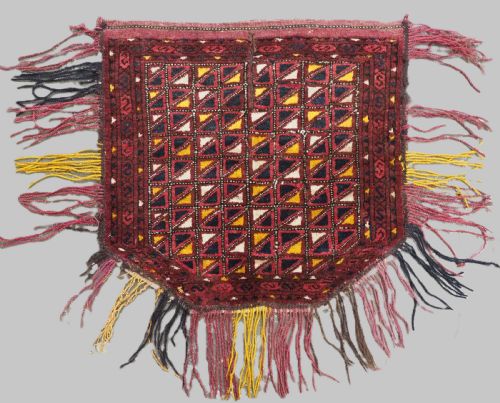
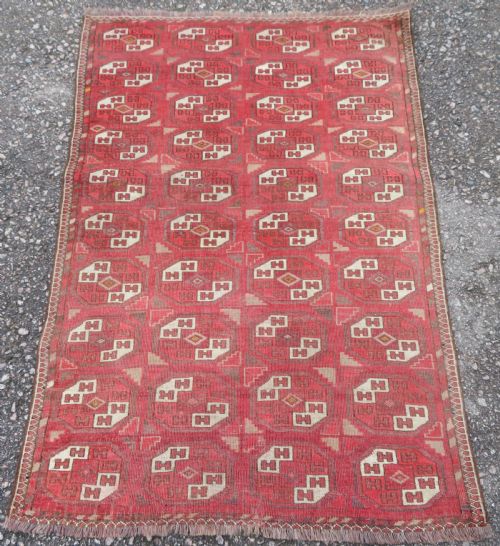
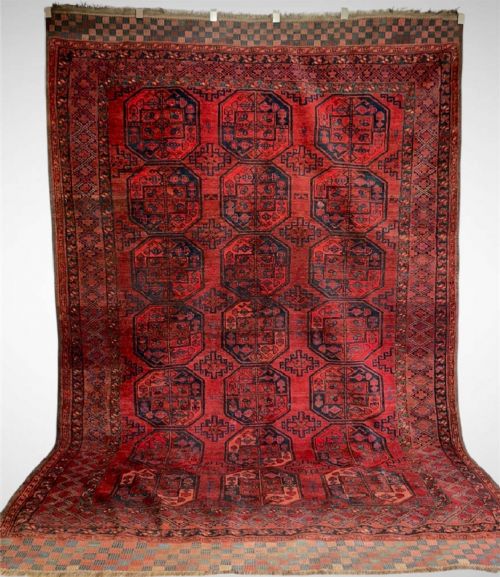
A turkmen tribal carpet represents the rich weaving traditions of Central Asian groups such as the Tekke, Ersari, Yomut, and Saryk tribes, originating from regions like Turkmenistan, the Merv Oasis, and the Amu Darya basin. These pieces encompass large main carpets, village carpets, and domestic trappings including tent door rugs, saddle covers, torbas, and chuvals.
Tribal pieces often feature distinctive regional layouts, incorporating tribal guls, border arrangements, and specific structural traits characteristic of nomadic makers working across Central Asia.
How They Were Made
These textiles rely predominantly on wool, hand-spun wool, and natural dyes to achieve their enduring palette, occasionally supplemented with cotton thread, silk thread, or silk highlights for decorative emphasis. Felted wool is also utilised in specific ceremonial horse blankets and related nomadic gear.
Weavers constructed these carpets and trappings using traditional techniques, resulting in varied densities ranging from standard tribal weaves to exceptionally fine weaves found on specific bag faces and dowry pieces.
Listings feature pieces spanning from the mid-nineteenth century through the early twentieth century, incorporating wool, natural dyes, and silk highlights.
What Varies in Quality
Quality in a turkmen tribal carpet depends heavily on the precision of the weave, the clarity of the primary guls, and the depth of the natural dyes utilised across the wool foundation. Finer knot densities and meticulous execution of secondary motifs distinguish superior examples from standard utility pieces.
Tekke Tribe·Ersari Tribe·Yomut Tribe·Saryk Tribe·Karadashli Tribe·Kizyl Ayak Tribe
The Turkmen Tribal Carpet Glossary
- Gul
- A primary medallion or repeating motif used in Turkmen weaving to identify specific tribes and sub-groups. Each distinct design carries generational significance among nomadic makers.
- Torba
- A small storage bag produced by tribal weavers for domestic use inside the yurt. These items often display detailed face designs while retaining plain weave backs.
- Chuval
- A large storage bag utilised for bedding and household possessions within nomadic tents. They frequently exhibit multiple guls arranged in strict geometric rows.
- Asmalyk
- A ceremonial pentagonal trapping hung on the flanks of a camel during wedding processions. These pieces represent some of the most decorative textile expressions of nomadic culture.
- Engsi
- A tent door hanging traditionally placed at the entrance of a yurt. They typically feature a cross-panel design dividing the field into distinct compartments.
- Kizil
- A term applied to specific red-ground bag faces and trappings associated with Tekke weaving. The rich madder-based red dominates the visual field.
Turkmen Tribal Carpet: Frequently Asked Questions
How were these carpets used?
Nomadic families utilised these textiles both as floor coverings and as functional domestic storage items within traditional dwellings. Larger formats served as main carpets in the tent, while smaller bags stored blankets, clothing, and household goods.
Specialist trappings also fulfilled ceremonial roles during weddings and tribal festivals, adorning camels and marking important passages in nomadic life.
How do I distinguish different tribal designs?
Tribal attribution relies on the specific shape and structure of the repeating guls, the border patterns, and the dominant colour palette. Different groups like the Tekke, Ersari, and Yomut favoured distinct geometric vocabularies and structural proportions.
Examining the secondary ornaments and the handling of the kilim ends at the top and bottom of the weaving provides further clues to tribal origins.
How should I care for a tribal carpet?
Protect the wool textile by placing it in a low-traffic area away from direct sunlight to preserve the natural dyes. Regular gentle vacuuming without a beater bar prevents dust accumulation within the pile.
Professional cleaning tailored to antique wool carpets should be undertaken sparingly and only by specialists familiar with natural dye stability.
What indicates an earlier nineteenth-century piece?
Earlier examples typically display more saturated natural madder palettes, softer hand-spun wool foundations, and slightly less rigid geometric layouts. The handling of the minor ornaments and the specific dye shifts within the field often point to nineteenth-century production.
Structure, handle, and the specific nuances of the tribe's traditional gul design guide collectors in assessing age alongside material evidence.