

Turkmen Textile Wall Hanging
A turkmen textile wall hanging brings the striking tribal geometry and rich cultural heritage of Central Asian weaving directly into modern domestic spaces.
Turkmen Textile Wall Hanging
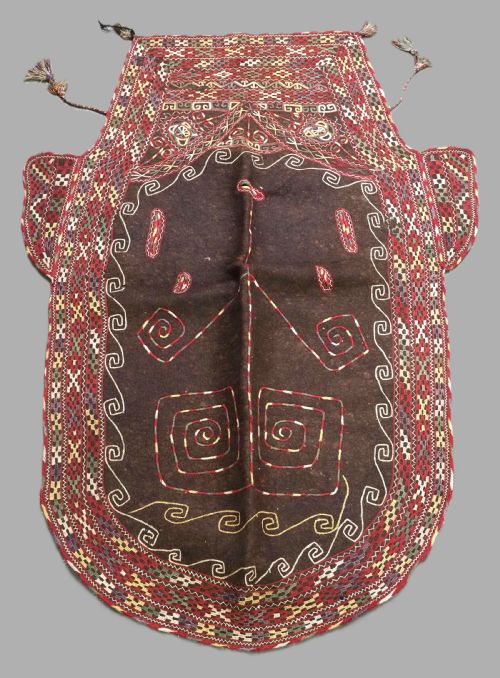
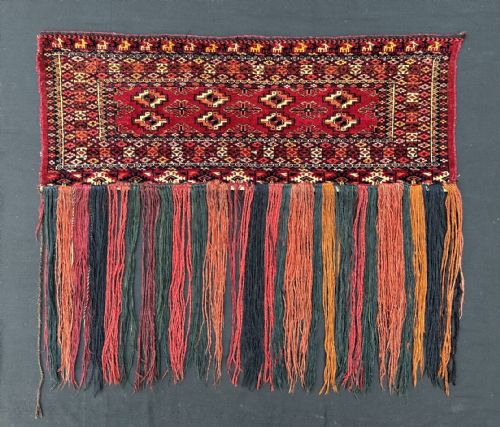
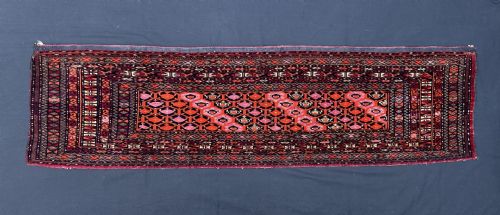
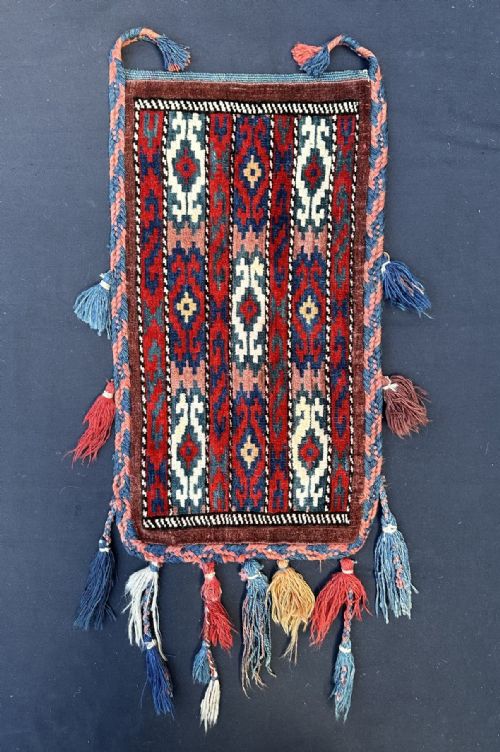
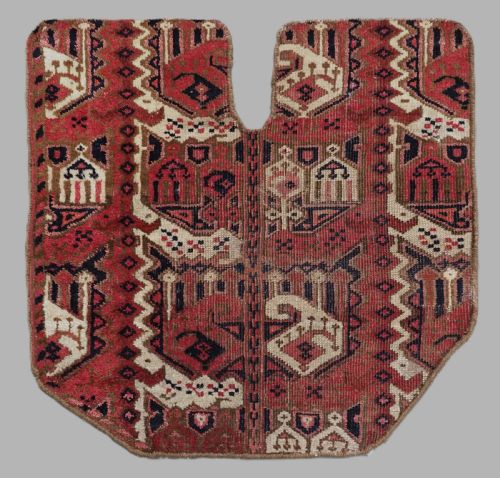
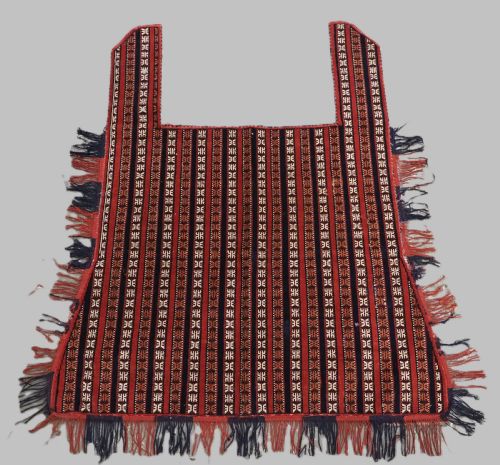
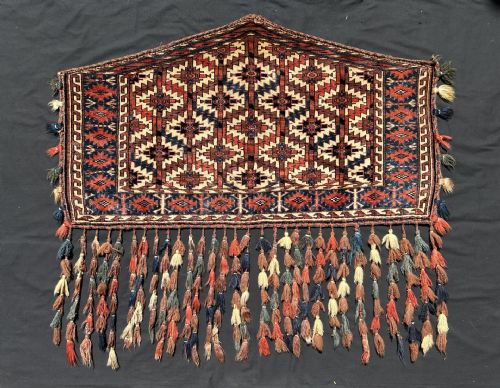
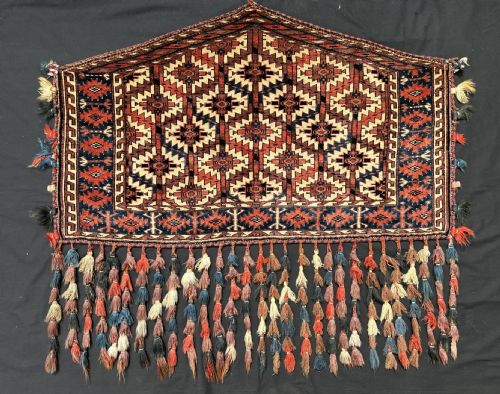
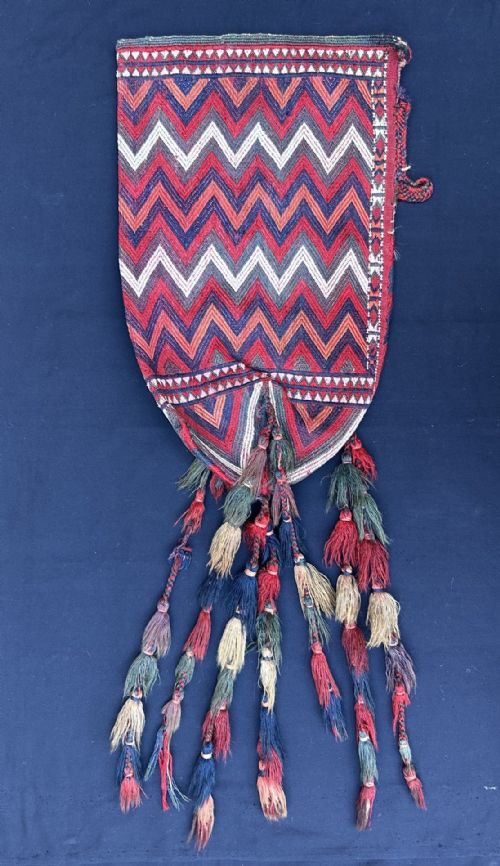
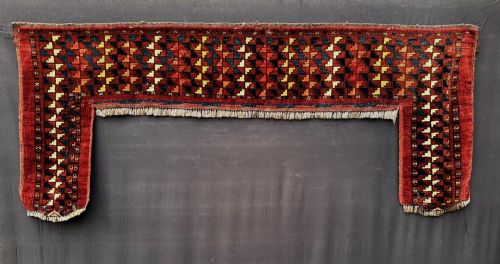
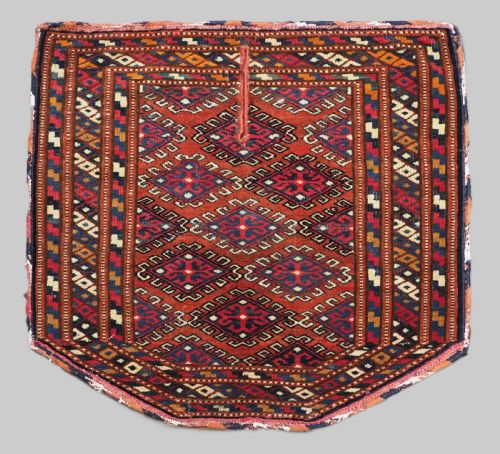
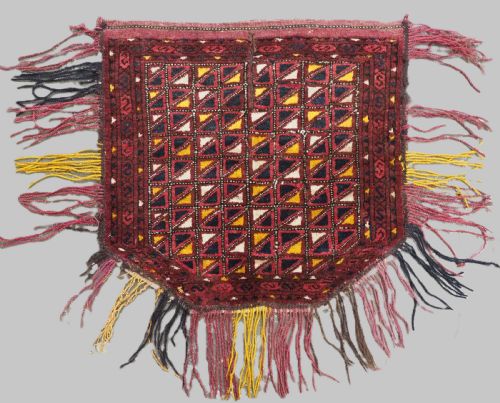
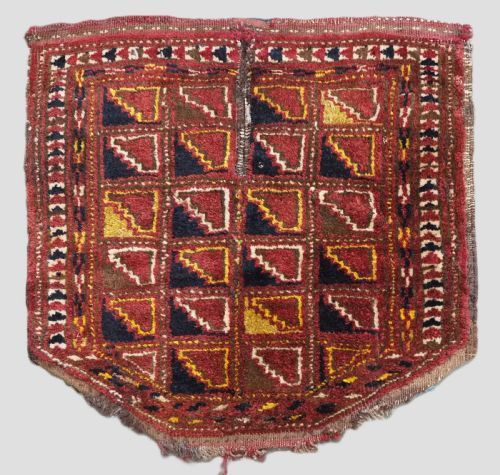
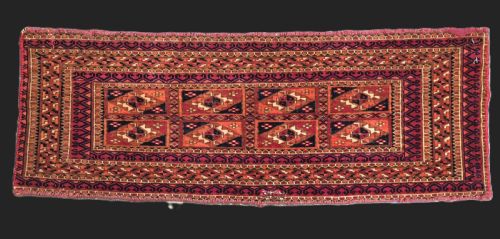
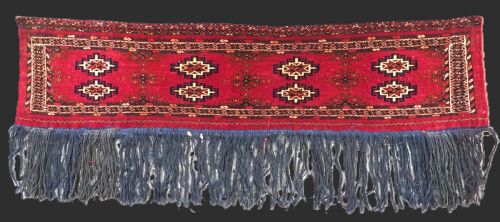
When searching for a turkmen textile wall hanging, collectors encounter genuine tribal artefacts originating from Central Asia, dating from the mid nineteenth century into the early twentieth century. These items typically comprise utilitarian nomadic furnishings such as torba faces, chuvals, asmalyks, and saddle covers repurposed for display.
Tribes including the Yomut, Tekke, Ersari, and Saryk produced these woven objects across regions like the Trans-Caspian steppes and the Merv oasis. Examples span various functional forms, from spindle bags and tent door hangings to ceremonial horse blankets.
The selection on this page reflects nomadic tribal artistry, focusing on wool and mixed fibre textiles created for daily camp life or ceremonial use. Each piece demonstrates the distinct visual identity of its specific Central Asian maker community.
What varies in quality
The calibre of a weaving relies on the density of the weave, the precision of the tribal guls, and the purity of the natural dye palette. Finer knotting and intricate secondary ornaments elevate certain pieces well above standard utilitarian examples.
Preservation of original elements such as flatweave backs, tassels, and selvedges heavily influences the standing of a textile. Exceptional proportion, clarity of design, and scarcity of specific tribal motifs further distinguish superior examples from common survivals.
Several textiles served as ceremonial horse blankets and camel trappings before finding new life as wall art.
The Turkmen Textile Wall Hanging Glossary
- Gul
- A primary octagonal medallion motif repeated across Central Asian tribal rugs and bags. Each design typically identifies the specific tribe or clan responsible for the weaving.
- Torba
- A small storage bag produced by nomadic tribes for domestic organisation within the yurt. These rectangular pieces feature highly decorative faces that make them popular for display.
- Chuval
- A large tent storage sack utilised for bedding and household goods by nomadic families. Their heavily ornamented faces are frequently preserved as independent textile art.
- Asmalyk
- A ceremonial pentagonal trapping hung on the flanks of a camel during traditional wedding processions. These decorative textiles display some of the most elaborate tribal symbolism.
- Kap
- A general term denoting a bag or container woven by nomadic tribes. These items served various practical storage functions inside traditional dwellings.
Turkmen Textile Wall Hanging: Frequently Asked Questions
How do I hang a textile safely?
Mounting requires careful distribution of weight using a non-damaging sleeve or custom support system attached to the upper edge. Direct pinning or nailing through the fabric damages the historic wool and structural threads.
Positioning the piece away from direct sunlight preserves the natural dyes and prevents the fibres from drying out over time.
Which tribes made these wall hangings?
Nomadic and semi-nomadic groups across Central Asia produced these textiles, notably the Yomut, Tekke, Ersari, and Saryk tribes. Each community utilised distinct geometric layouts and colour combinations.
Geographic locations such as the Merv oasis and the Trans-Caspian steppes heavily influenced these regional stylistic differences.
What is a gul motif?
A gul is a repeating medallion pattern that serves as the visual signature of a Central Asian tribe or clan. These formal motifs often incorporate deep cultural symbolism and generational design traditions.
Recognising specific gul variations allows collectors to attribute a textile to a particular tribal group.
How old are these antique textiles?
The pieces available on this page generally date from the mid nineteenth century to the early twentieth century. Master weavers produced these items during a period when traditional nomadic culture remained active across Turkmenistan.
Examinations of the wool quality, natural dyes, and weaving structure help establish these approximate dates of origin.
How do I clean an antique textile?
Routine maintenance involves gentle surface vacuuming through a protective mesh screen on a low suction setting. Professional textile conservators should handle any deep cleaning to avoid dye migration or fibre shrinkage.
Harsh commercial detergents and water immersion risk permanent damage to historic natural wool and silk threads.