
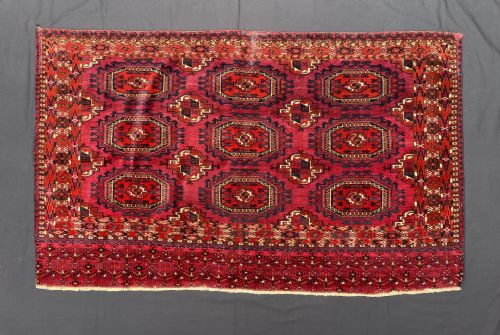


Turkmen Gul Bag
These turkmen gul bag pieces are tribal textiles created across Central Asia, offering collectors traditional nomadic weaving with distinctive geometric patterns.
Turkmen Gul Bag
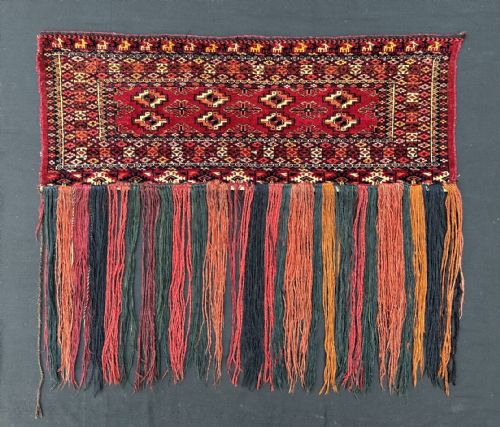
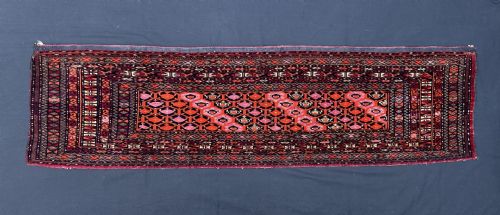
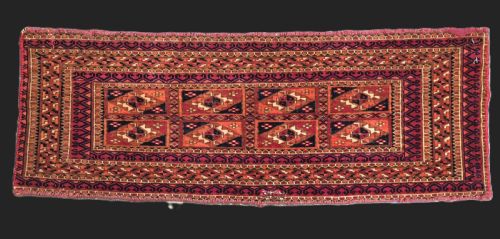
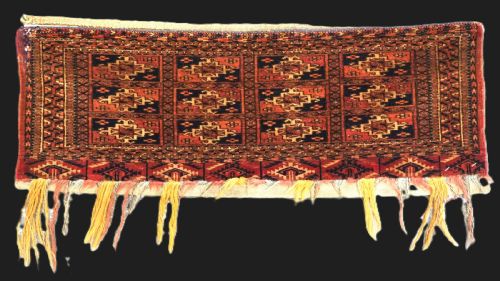
When you search for turkmen gul bag, you look at nomadic tribal weavings produced in Central Asia during the nineteenth century. These items include storage bags, tent bags, and face pieces created by various tribal groups such as the Tekke, Yomut, Ersari, Sariq, and Chodor. Most examples encountered on this page date from the middle to the late nineteenth century and into the early twentieth century.
The objects serve specific nomadic functions, primarily for domestic storage inside tents and yurts. Common forms include the larger chuval and smaller torba or mafrash face, often featuring repeating primary guls across the field. Many pieces survive as individual faces, while others retain their original plain weave backs or hanging loops.
How They Were Made
The structures rely on hand-spun wool and cotton foundations combined with wool pile tied in symmetrical or asymmetrical knots. Artisans utilise natural dyes to achieve deep red, brown, and contrasting secondary tones across the field. Silk details occasionally appear in specific design elements to highlight particular motifs.
Weaving techniques vary from standard commercial density to exceptionally fine weave structures executed by skilled nomadic craftspeople. Plain weave backs, when present, provide structural support and closure for the storage pouches used in daily tribal life.
The listings span the nineteenth century, featuring wool, cotton, and natural dye materials utilised across Yomut, Tekke, and Ersari tribal textiles.
What Varies in Quality
Quality rests upon the precision of the drawing, the crispness of the gul motifs, and the fineness of the knotting density. Superior examples display balanced proportions, deeply saturated natural dye palettes, and meticulous attention to structural detail within the field.
The presence of complete original backs, hanging loops, and intact side cords distinguishes better-preserved textile examples from fragments or heavily restored pieces. Early nineteenth-century dating and scarce design variants further elevate the standing of individual bags within the surviving corpus.
The Turkmen Gul Bag Glossary
- Gul
- A primary octagonal or repeating medallion motif used across Central Asian tribal rugs and bags. Each tribal group utilises distinct gul variations to indicate specific heritage and lineage.
- Chuval
- A large tent storage bag produced by nomadic tribes for household goods. These pieces typically feature multiple rows of guls across the primary field.
- Torba
- A smaller rectangular storage bag or wall hanging used inside nomadic dwellings. They frequently display specific tribal gul designs and can survive as complete pouches or single faces.
- Mafrash
- A transport or storage bag constructed with a flat-woven back and a piled face. These items were often stacked inside the tent during transit and settlement.
- Tekke
- A major Turkmen tribal group known for producing finely knotted weaving with characteristic guls. Their work forms a significant portion of nineteenth-century pieces found in this category.
Turkmen Gul Bag: Frequently Asked Questions
What is a turkmen gul bag used for?
These textiles functioned as practical storage containers within nomadic tents across Central Asia. Families used them to organise household belongings, clothing, and blankets.
Over time, many of these utility items transitioned into decorative wall hangings and collector pieces due to their intricate wool work and natural dye patterns.
How do I identify different tribal designs?
Tribal attribution relies heavily on the specific gul motifs and secondary ornaments woven into the field. Groups like the Tekke, Yomut, and Ersari each employed characteristic medallion structures.
Examining the border patterns, colour palette, and weave density also helps experienced collectors separate one nomadic tradition from another.
Are most pieces complete bags or fragments?
The listings include a mix of complete storage bags with their original plain weave backs and single bag faces. Many surviving examples are cut or worn from decades of practical nomadic use.
Pieces that retain their back panels or hanging loops remain particularly desirable for historical and structural completeness.
How should I care for antique tribal textiles?
Gentle vacuuming with a mesh screen protects the wool pile from dust and debris accumulation while preserving the fragile antique foundation. Keeping the textile away from direct sunlight prevents natural dye fading over extended periods.
Professional textile conservation is recommended for any significant cleaning or structural stabilisation needed on nineteenth-century pieces.