



Turkish Area Carpet
A turkish area carpet brings centuries of Anatolian warmth and intricate village weaving directly to a modern floor.
Turkish Area Carpet
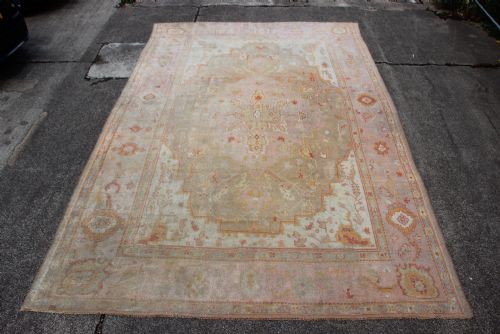
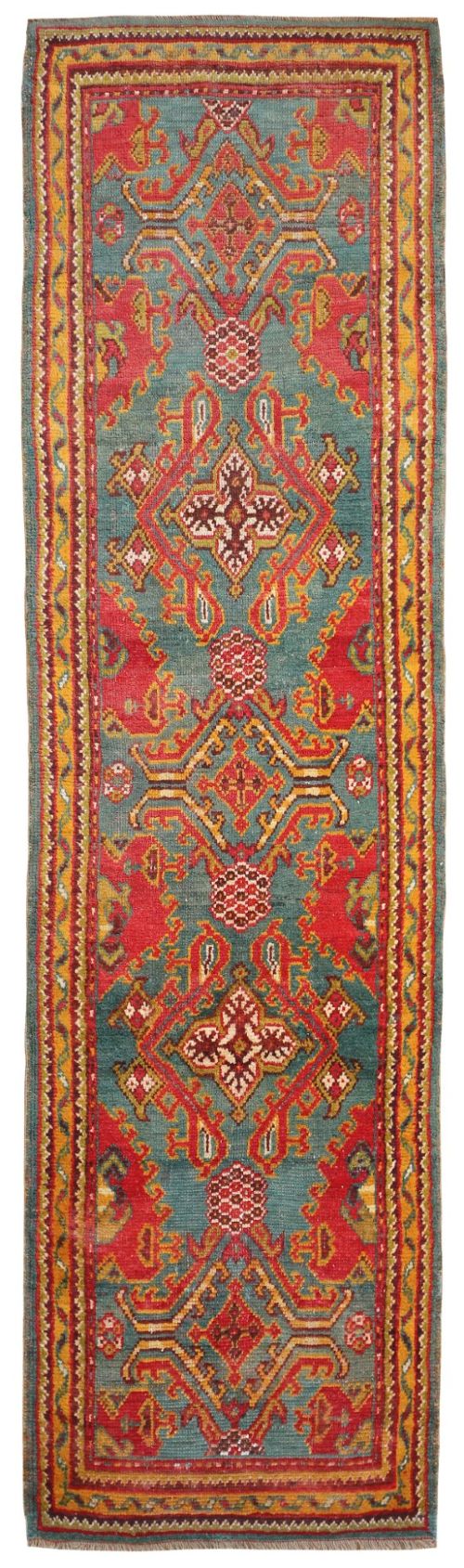
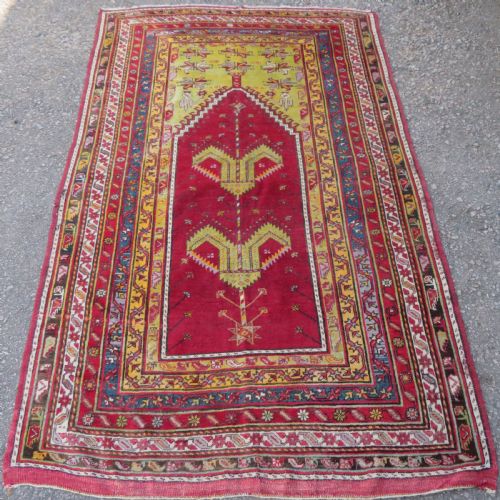
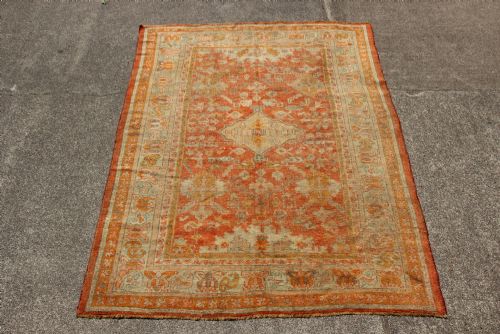
A turkish area carpet encompasses hand-knotted room-size floor coverings, runners, and compact prayer rugs originating from Anatolia. The selection spans the nineteenth and early twentieth centuries, covering diverse regional centres from Ushak to Kirsehir and Bergama.
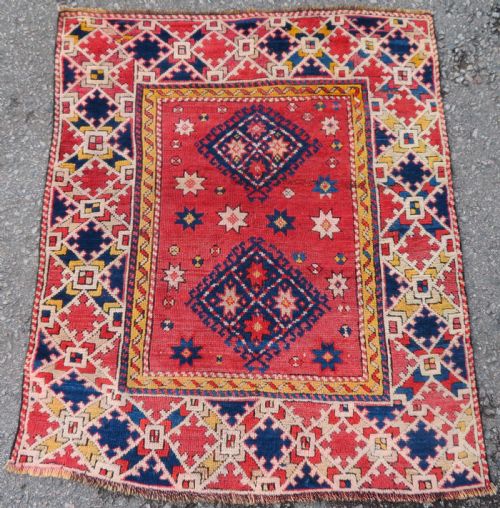
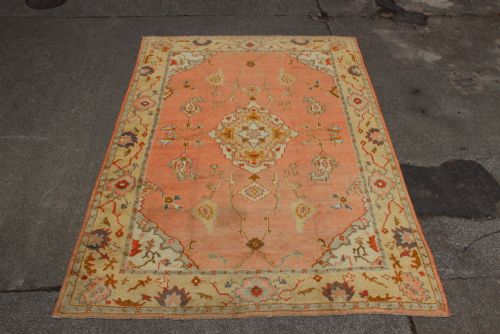
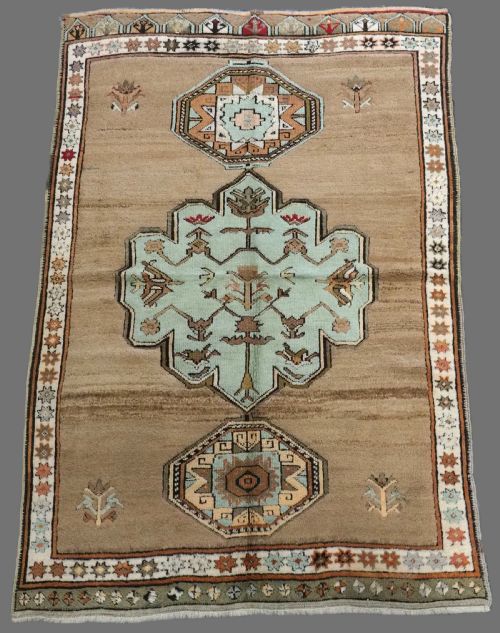
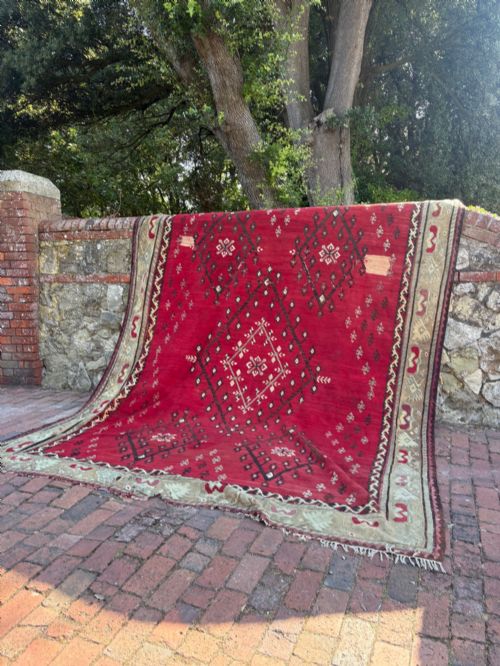
Large Oushak carpets dominate the room-size formats, while village pieces like Melas, Milas, and Yahyali offer smaller formats with distinct tribal motifs. Flatweave kilims also appear alongside piled carpets, displaying geometric patterns created without a pile.
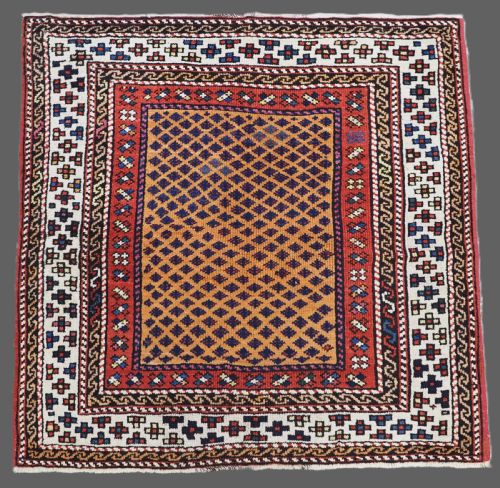
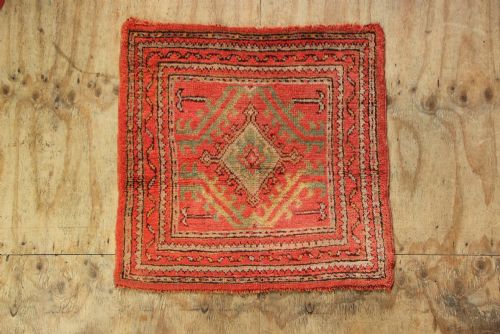
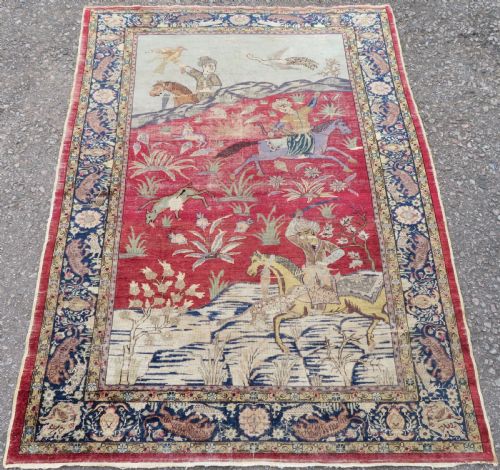
Most examples hail from the late nineteenth and early twentieth centuries, reflecting traditional Ottoman design influences transposed into domestic flooring. Buyers encounter everything from grand pale carpets to small square formats and pictorial silk rugs.
Materials and construction
Weavers utilised local wool, cotton, and occasional silk, sometimes incorporating camel wool or angora wool to impart specific textures and natural colour variations. Foundation threads in cotton or wool support dense hand-knotted pile work or flatweave structures.
Natural dyes yield the soft colours and faded palettes characteristic of older Anatolian work, developing a muted patina over decades of use. Village weavers employed traditional looms and time-honoured knotting techniques passed down through generations.
A hunter on a silk rug occasionally finds himself pursued by a very determined Anatolian floral motif.
Distinctions in quality
Quality rests upon the fineness of the knotting, the balance of the composition, and the integrity of the natural dyes used across the field. Early carpets with unusual colour grounds, such as green or pink, command attention for their visual distinction.
The handle and suppleness of the textile reflect the grade of wool employed and the tightness of the weave structure. Pieces retaining their original borders and structural symmetry demonstrate superior craftsmanship compared to heavily altered examples.
The Turkish Area Carpet Glossary
- Prayer rug
- A small format carpet featuring a mihrab or niche design intended for ritual prayer. These pieces often direct the eye toward a central apex.
- Kilim
- A flatweave textile produced without a pile by tightly interweaving warp and weft threads. This technique creates a lightweight rug with identical patterns on both sides.
- Oushak
- A style originating from the historic weaving town of Ushak in western Anatolia, known for large-scale floral motifs and pale wool fields. These carpets frequently anchor grand drawing rooms.
- Mihrab
- The arched architectural niche depicted on prayer rugs, symbolising the direction of Mecca. It forms the focal point of designs from centres like Kirsehir and Ladik.
- Warp
- The vertical foundation threads stretched tightly on the loom before knotting begins. The visible fringes at either end of a carpet are formed by these extending threads.
Turkish Area Carpet: Frequently Asked Questions
How do I identify an Ushak carpet?
Ushak carpets are typically recognised by their expansive scale, softer pastel or pale colourways, and large geometric floral designs. They use lustrous wool that absorbs natural dyes particularly well.
Look for relaxed medallion layouts and generous proportions that distinguish them from more tightly regimented city carpets.
What is the difference between a rug and a kilim?
A piled rug has a thick surface created by individual knots tied to the foundation threads. A kilim is flatwoven with no pile, produced by interlocking coloured threads.
This structural difference gives kilims a flatter profile and a distinctly lighter weight than traditional piled carpets.
How should I care for an antique wool carpet?
Protect antique wool textiles by placing a quality breathable underlay beneath them to prevent slipping and reduce friction. Vacuum gently with the brush attachment lifted off the pile.
Keep them out of direct sunlight to protect natural dye colours from fading unevenly over the years.
Where were village rugs made?
Village rugs were produced in rural Anatolian settlements such as Bergama, Melas, Kirsehir, and Yahyali. Each region developed distinct palettes and geometric vocabularies.
Local weavers expressed tribal traditions rather than adhering to formal imperial court designs.