
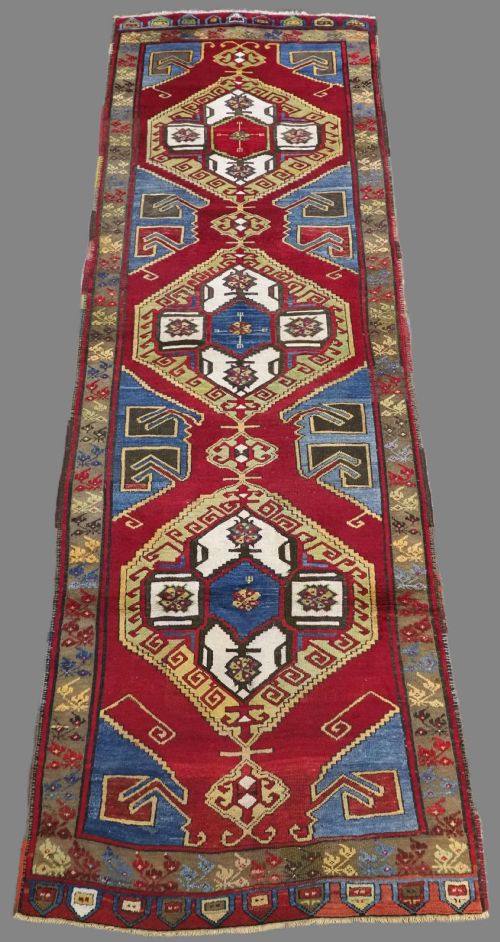
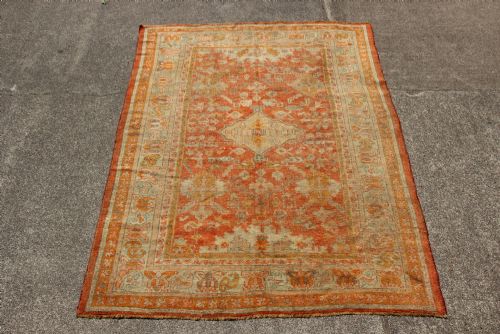

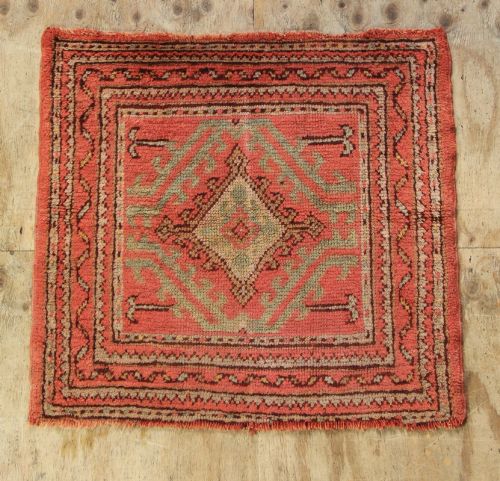


Anatolian Medallion Carpet
An anatolian medallion carpet brings centuries of regional wool-working tradition into a room through geometric and floral centrepieces.
Anatolian Medallion Carpet
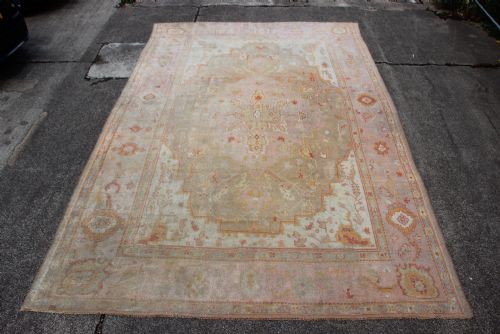
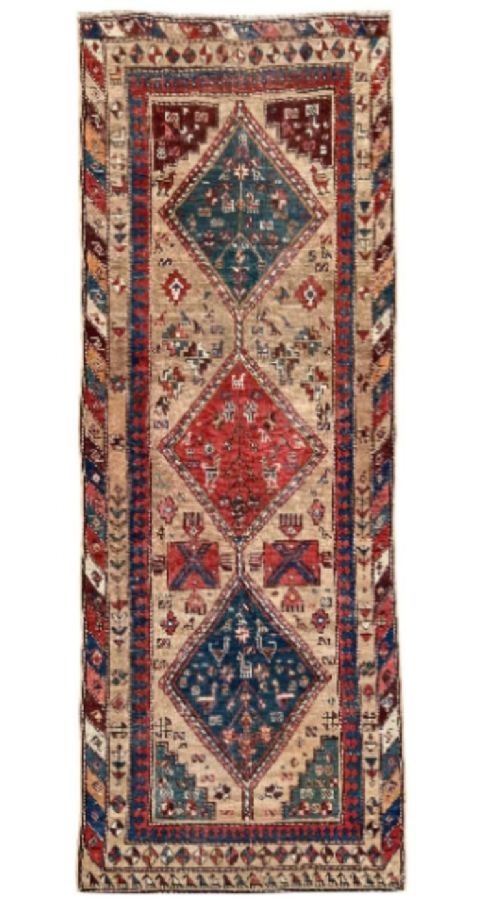
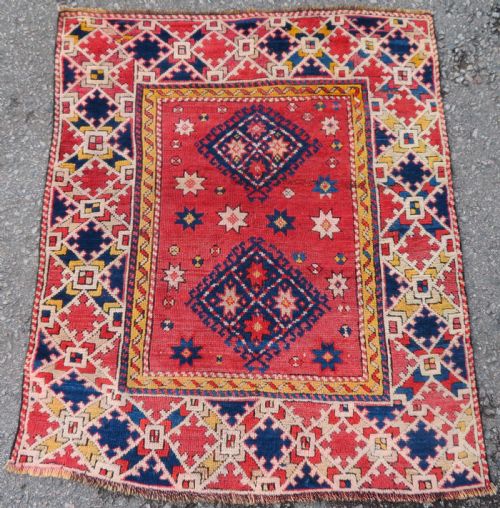
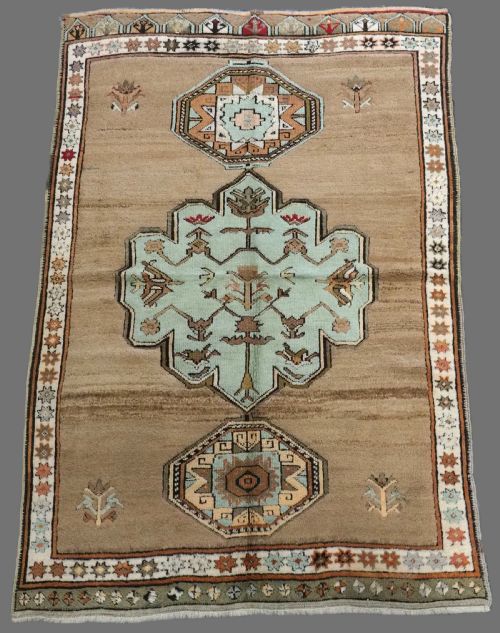
An anatolian medallion carpet gathers woven pieces originating from Turkey, spanning village formats to large room-sized carpets. The selections available encompass smaller mats, long runner rugs, and substantial carpets produced across the nineteenth and early twentieth centuries.
Makers in various regions utilised distinct regional motifs, producing formats that range from square village rugs to expansive floor coverings. Pieces date from the nineteenth century through to the nineteen-thirties, reflecting diverse Anatolian, Ottoman, and tribal traditions.
Materials and construction
Weavers constructed these textiles using natural fibres including wool, cotton, silk, angora wool, and camel wool, often supported by hand-spun yarn foundations. Foundation warps and wefts primarily consist of cotton or wool, providing structural stability to the knotted pile.
The technique relies on hand-knotting fibres onto a prepared warp and weft grid, producing durable pile surfaces. Additional materials such as art silk and mercerised cotton appear in specific twentieth-century examples.
The inventory incorporates runner formats alongside square mats and large room carpets, reflecting wide variations in Anatolian weaving dimensions.
Quality factors
Gradations in quality depend upon the fineness of the knotting and the preparation of the yarn, which dictates the clarity of the central medallion design. Hand-spun wools and natural dyes yield depth and variation that mechanical spinning and synthetic dyes cannot replicate.
The integrity of the foundation and the precision of the tribal or floral patterns separate standard village productions from finer workshops pieces. Materials such as silk and angora wool introduce distinct textural nuance into the upper tier of examples.
The Anatolian Medallion Carpet Glossary
- Medallion
- A central ornamental motif, often circular, oval, or diamond-shaped, placed at the heart of the rug field. This design element anchors the surrounding field patterns.
- Warp
- The vertical threads stretched tightly on the loom before weaving begins. Weavers tie the pile knots around these foundational elements.
- Weft
- The horizontal threads passed alternately over and under the warp threads after each row of knots. This locks the pile rows firmly in place.
- Pile
- The dense, vertical surface of cut yarn loops that forms the usable upper layer of the carpet. Its height and density dictate the tactile feel.
- Kilim
- A flat-woven carpet produced without a pile by tightly interweaving warp and weft strands. These textiles offer a lightweight alternative to knotted rugs.
Anatolian Medallion Carpet: Frequently Asked Questions
How do I place an anatolian medallion carpet?
Position these textiles in low-traffic areas or spaces where their foundational structure experiences minimal friction. Their patterned centrepieces serve well as visual anchors in sitting rooms or studies.
Ensure the rug rests on a suitable underlay to prevent slipping and to protect the underlying floorboards. Keep them away from direct, prolonged sunlight to preserve the natural dyed tones.
What materials make up these carpets?
Weavers predominantly utilised sheep's wool for the pile, supported by cotton foundations for structural strength. Variations include specialised materials such as silk, angora wool, and camel wool.
Later pieces occasionally incorporate art silk or mercerised cotton. Each material alters the drape, sheen, and durability of the finished textile.
How do I clean an old wool rug?
Remove surface dust gently by shaking or using a suction-only vacuum without a rotating brush roll. Professional textile cleaning remains the safest method for addressing deep-seated soil.
Avoid soaking the piece or applying harsh chemical detergents, as these can destabilise historic natural dyes. Blot liquid spills immediately with a clean, dry white cloth without rubbing.
How are different regional styles distinguished?
Regional attributions rely on specific structural characteristics, colour palettes, and recurring geometric or floral motifs. Workshops in areas such as Oushak, Konya, and Kirsehir developed distinct local vocabularies.
Examining the weave density alongside the secondary border designs helps clarify the likely origin. Village pieces often display simpler, bolder geometry compared to refined city workshops.