
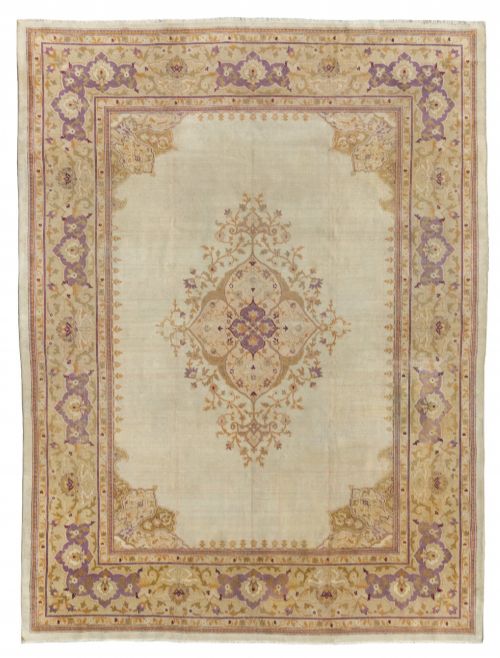
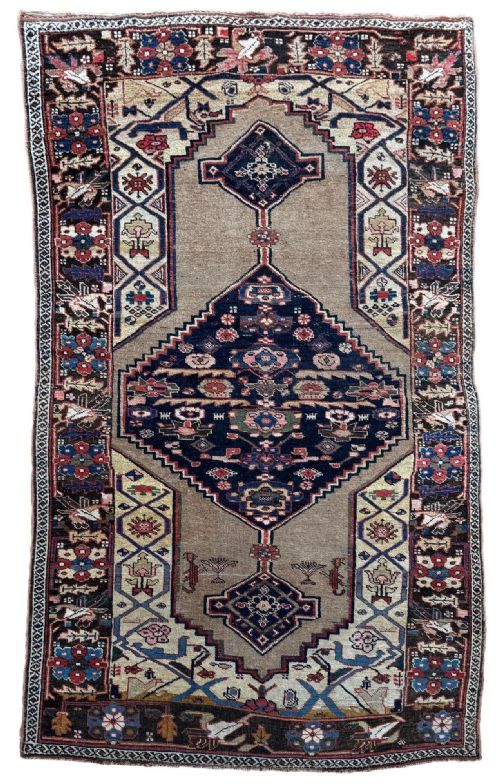
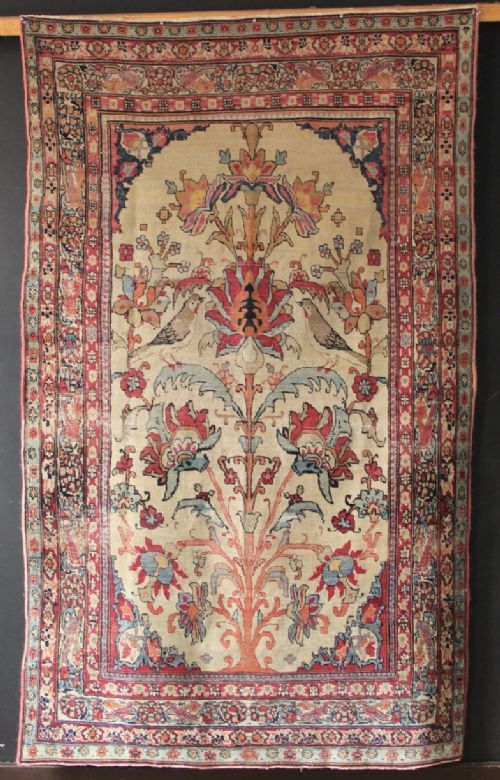
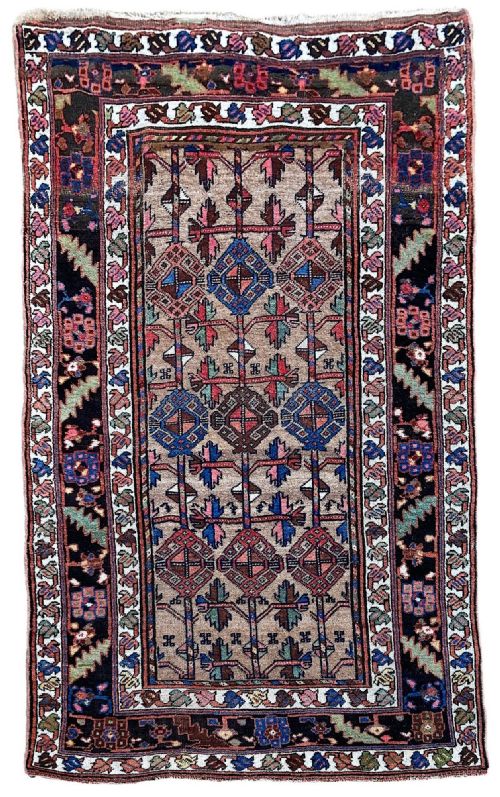


Beige Oriental Rug
These carpets and rugs, gathered under the search phrase beige oriental rug, bring centuries of warmth and hand-knotted artistry directly into your home.
Beige Oriental Rug
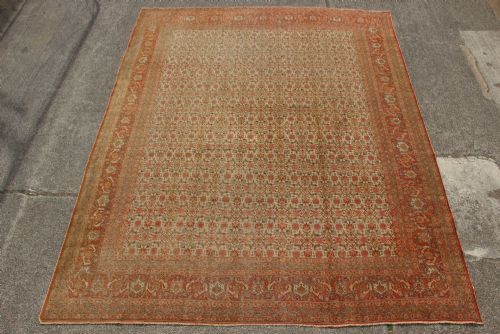
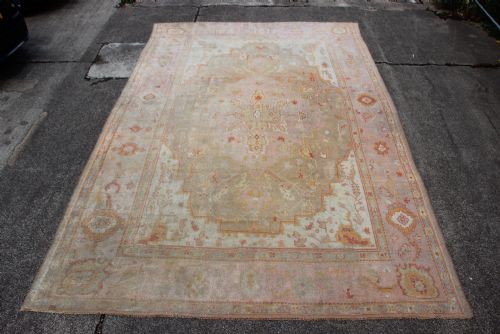
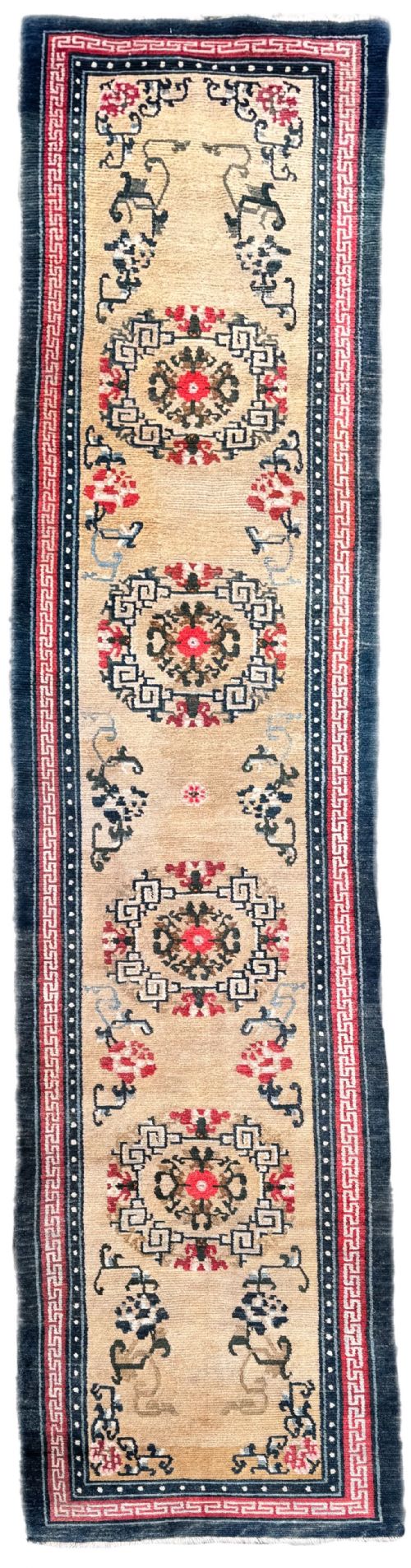
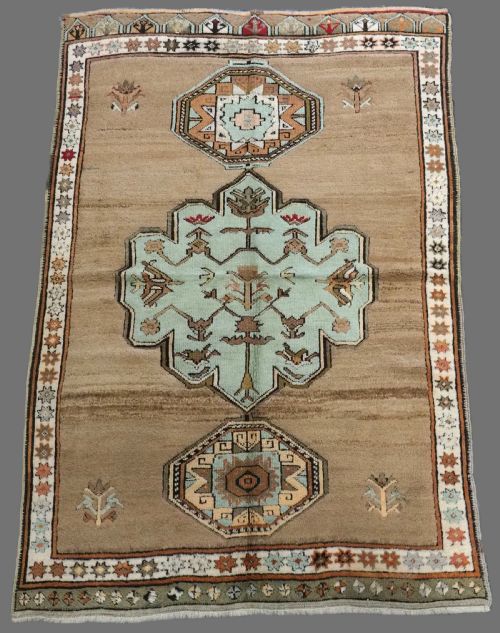
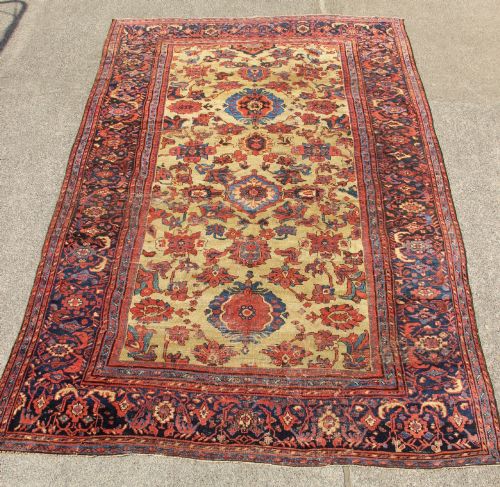
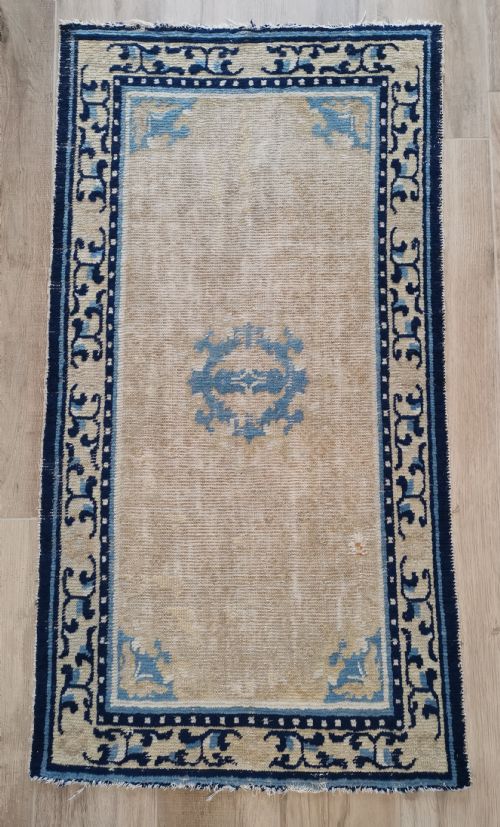
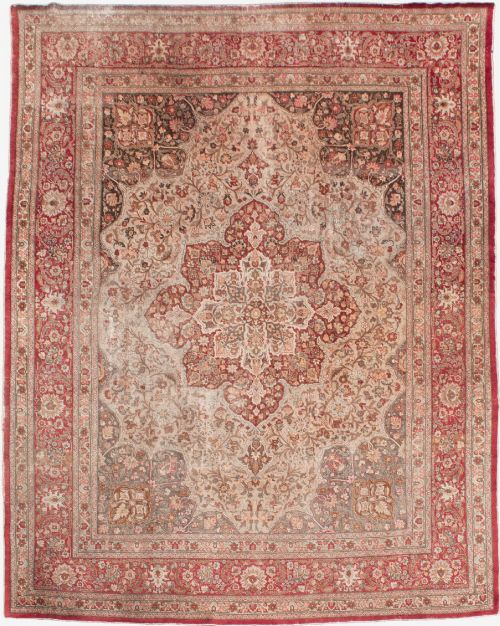
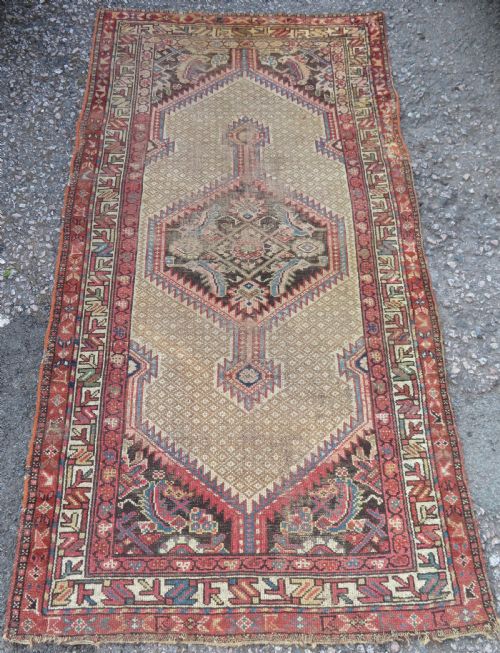
A beige oriental rug encompasses a diverse range of hand-knotted carpets, runners, and village textiles originating from Persia, Turkey, China, and the broader region. When you explore this selection, you encounter pieces spanning from the mid-nineteenth century through to the interwar decades of the twentieth century. The forms vary from massive country house carpets to narrow runners and small prayer rugs, alongside occasional cushions and upholstered armchairs.
The prevalent palette relies on natural, muted earth tones, soft colours, and camel grounds rather than bright synthetic dyes. Persian examples such as Tabriz, Bidjar, and Kirman sit alongside Turkish Ushak, Oushak, and Konya pieces, plus Tibetan and Chinese creations. Buyers seeking a beige oriental rug will find that these older textiles integrate smoothly into modern and traditional interiors alike.
How they were made
The foundation of these textiles relies primarily on hand-spun wool and cotton, utilised for warps, wefts, and pile alike. Certain tribal and village pieces incorporate camel hair and camel wool directly into the field, yielding a naturally soft texture and distinct colour variation. Silk thread appears in finer urban workshops, particularly in Kayseri and Tabriz production, adding a subtle sheen to the surface.
Weavers knotted these materials by hand onto vertical looms, employing asymmetrical or symmetrical knotting techniques depending on the regional tradition. Natural dyestuffs provided the underlying hues, which mellow gracefully over decades of light and wear. Suzani embroideries and flatwoven kilims utilise specialised needlework and interlocking weave structures distinct from piled carpets.
The listings span from the mid-nineteenth century to the 1930s, featuring wool, silk, cotton, and camel hair across Persian, Turkish, Chinese, and Afghan traditions.
What varies in quality
Knot density and the precision of the underlying design separate fine urban workshops from rustic village and tribal weaving. An urban Tabriz or Kirman carpet demonstrates a high degree of structural regularity and intricate floral cartouches, whereas a Baluch or Serab tribal rug displays a heavier, more rustic charm with intentional asymmetry. The choice of materials also dictates calibre, as the inclusion of pure silk or hand-spun camel wool elevates a piece above standard commercial wool.
Condition and integrity define the upper tier of the market, though patinated surfaces and distressed pile often signal authentic age rather than poor manufacture. The handling of secondary borders, edge bindings, and the uniformity of the camel ground reveal the weaver's skill. Pieces retaining their original end finishes and consistent pile height command greater appreciation among collectors.
The Beige Oriental Rug Glossary
- Warp
- The stationary vertical threads stretched upon a loom before weaving begins. The fringe of a finished rug typically consists of these exposed warp threads.
- Weft
- The horizontal threads passed back and forth through the warps to bind the knots in place. Together, warp and weft form the structural foundation of the textile.
- Pile
- The upright surface of yarn that forms the soft face of the rug. It is created by knotting wool, silk, or camel hair onto the warp and then shearing it to a uniform height.
- Kilim
- A flatwoven textile produced without a pile by tightly interweaving warp and weft strands. These versatile pieces frequently appear as cushions, carpets, or upholstery coverings.
- Prayer rug
- A small rug featuring a mihrab or arch design indicating the direction of prayer. Historically used for personal devotion, these pieces are portable and richly symbolic.
Beige Oriental Rug: Frequently Asked Questions
How do I clean an antique rug?
Gentle vacuuming without a rotating beater bar removes loose dirt from the pile safely. Professional antique textile cleaners should handle deeper washing to protect natural dyes.
Avoid harsh chemical detergents and excessive moisture, which weaken old cotton foundations and wool fibres.
Are these rugs suitable for high-traffic areas?
Sturdily constructed wool and camel hair carpets endure daily movement well when supported by a quality underlay. Dense village and tribal weaves withstand hallway and living room use admirably.
Delicate silk pieces and fragile embroidered textiles require placement in low-traffic spaces to preserve their structure.
How do I distinguish regional weaving styles?
Look closely at the knotting structure, palette, and motif geometry to identify the origin. Persian workshops often display intricate curvilinear florals, while Anatolian and tribal pieces favour geometric medallions and rustic borders.
Comparing known regional traits such as the camel ground of a Serab runner clarifies attribution.
What is a camel wool field?
A camel wool field utilises undyed hair sheared from camels, providing a naturally warm, beige-to-fawn background colour. This material offers a distinct tactile softness and subtle tonal variation.
Weavers in regions like Anatolia and Persia favoured this hair for its durability and resistance to dirt.