

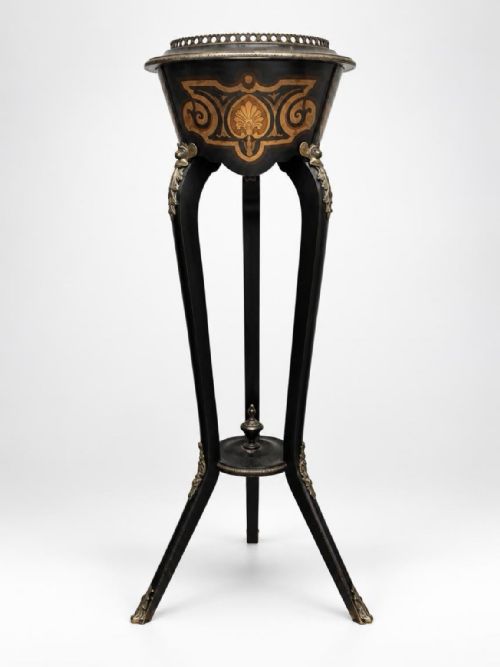
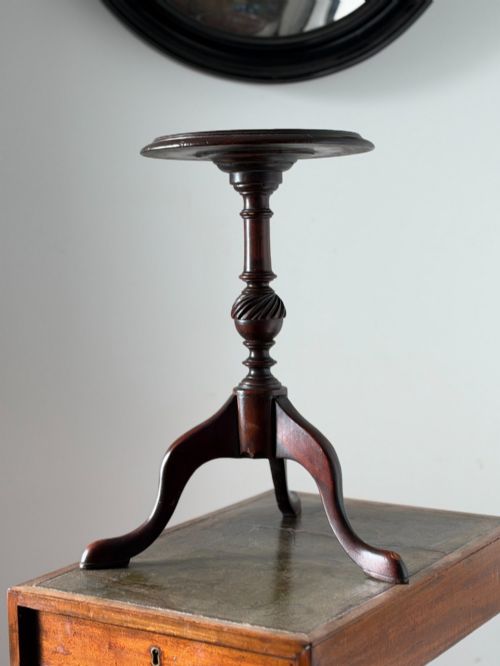

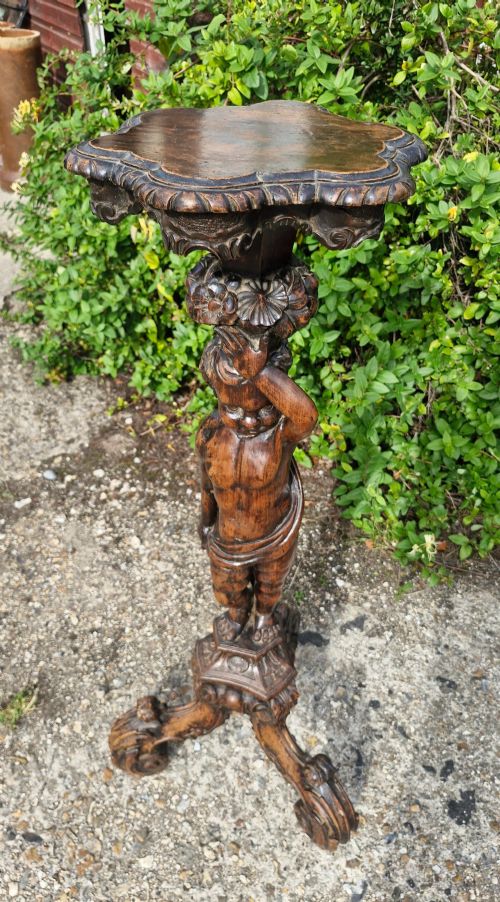
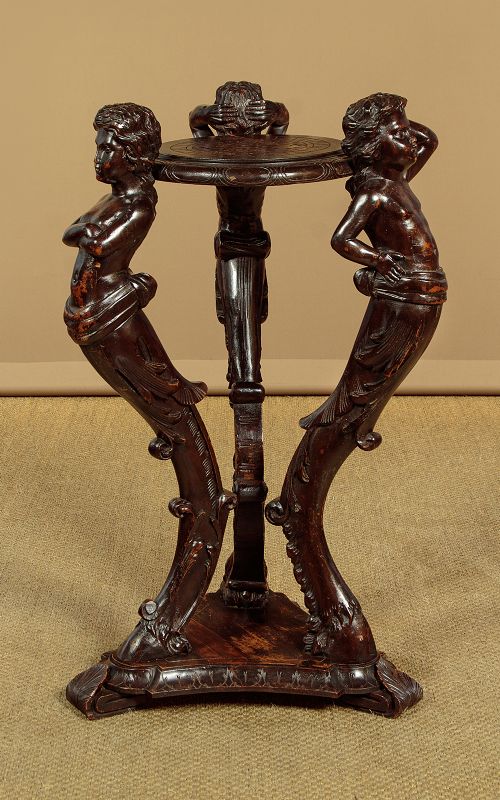
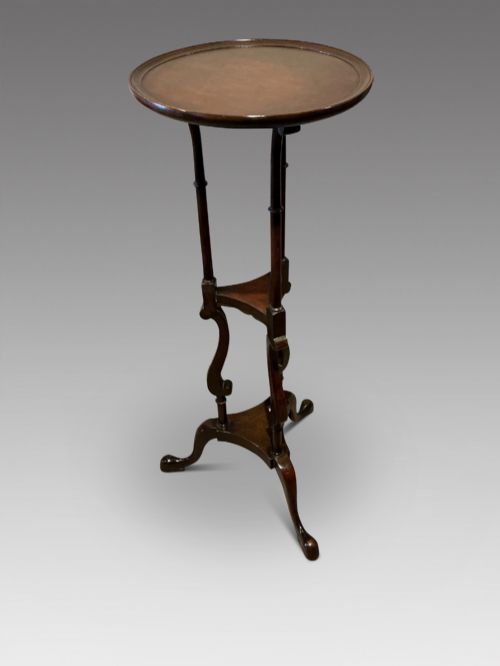
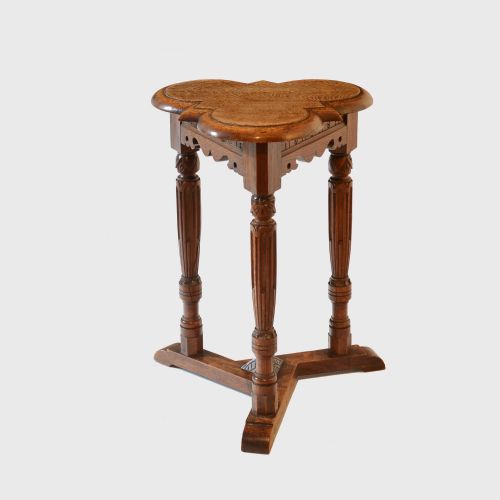

Tripod Urn Stand
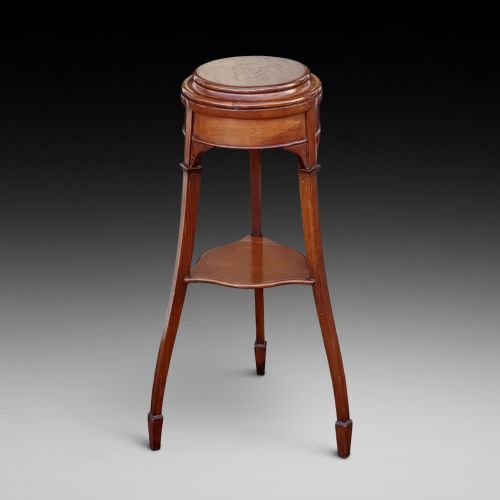
A tripod urn stand elevates a decorative vessel or sculpture on three supporting legs, offering a focused stage for display.
Tripod Urn Stand
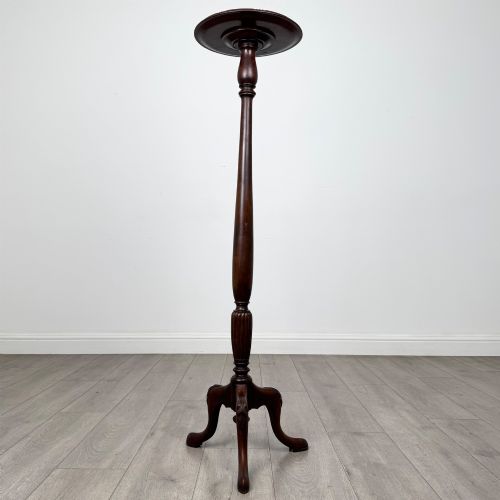
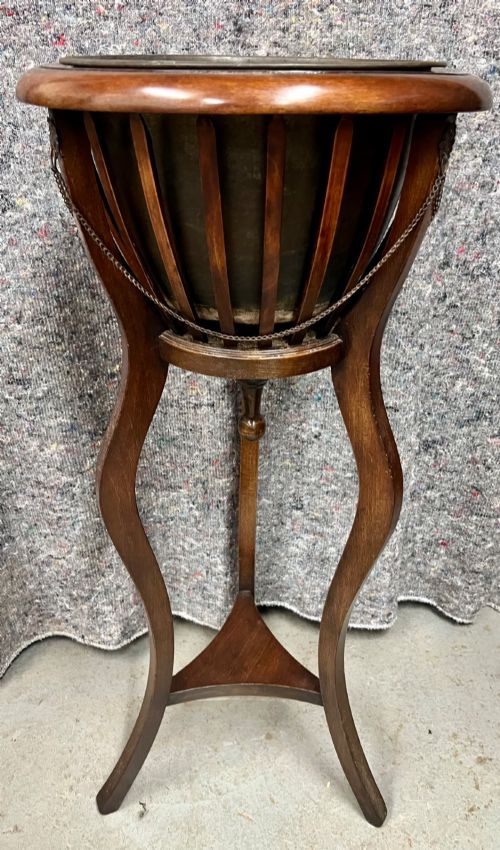
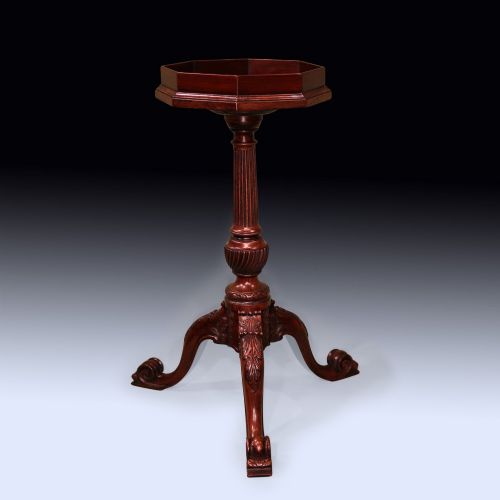
A tripod urn stand serves as a raised platform for plants, urns, and decorative ornaments within a room. These pieces appear across multiple historical periods, including the eighteenth and nineteenth centuries, taking forms such as kettle stands, torcheres, and jardiniere holders. Mahogany forms the predominant wood across the selection, alongside walnut, oak, and exotic hardwoods.
Buyers encounter variations spanning George II and George III styles through to Victorian, Edwardian, and Regency designs. Alongside traditional British cabinetmaking, the selection includes Chinese Qing Dynasty hardwood tables and Anglo-Indian carved pieces. The three-legged support structure remains constant, whether supporting a round, square, or octagonal top.
Materials and construction
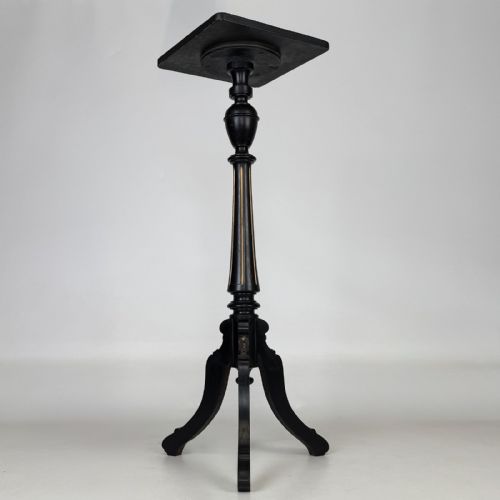
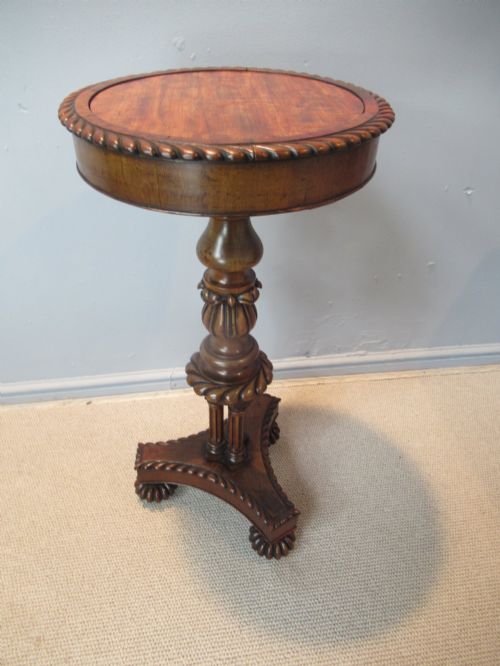
Cabinetmakers utilised dense timbers such as mahogany, walnut, oak, rosewood, and ebony to construct these slender supports. Turning, carving, and joinery shaped the three legs and central shafts, frequently incorporating tripod bases with pad, claw and ball, or scrolled feet. Tops range from plain solid timber boards to carved edges and inset marble panels.
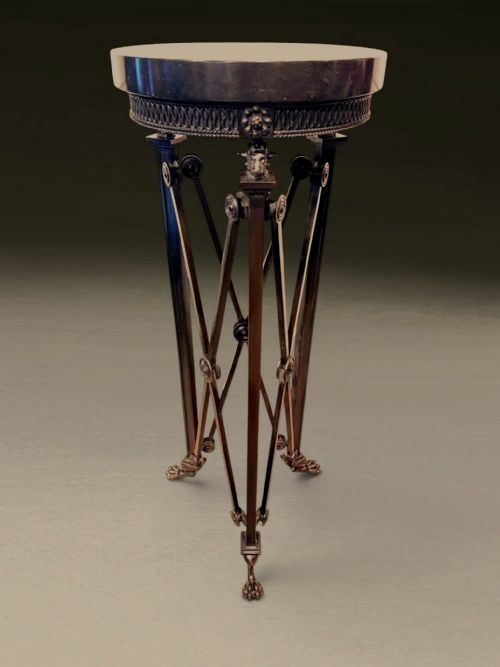
Metal elements appear in specific pieces utilising brass and bronze for mounts, liners, or entire tripod structures like the Athenienne. Ebonisation techniques transformed common woods to imitate more costly materials, while detailed hand-carving defined the knees and columns of Georgian and Revival pieces.
Tripod Urn Stand Retail Price Guide 2026
Typical asking prices for tripod urn stand among the pieces listed under this phrase on Sellingantiques today, from the lower quarter to the upper quarter. They describe what is for sale here now, not the wider market.
Listings feature woods spanning mahogany, walnut, oak, rosewood, and ebony, alongside marble and bronze.
Distinctions in quality
Quality rests upon the crispness of the hand-carved detail on the knees and the proportions of the tripod base relative to the top. Superior examples display thoughtful grain selection in the timber and precise joinery at the junctions where the three legs meet the central column. Lesser pieces rely on cast resin details or heavy, unrefined turning that lacks the sharpness found in workshop productions.
The choice of materials further defines the tier of a stand, with dense marbles, finely cast bronze, and beautifully figured mahogany or rosewood separating standard utility pieces from high-status commissions. Original surfaces and patination preserved through generations outweigh heavily stripped and refinished wood in establishing the character of an item.
Gillows
The Tripod Urn Stand Glossary
- Torchere
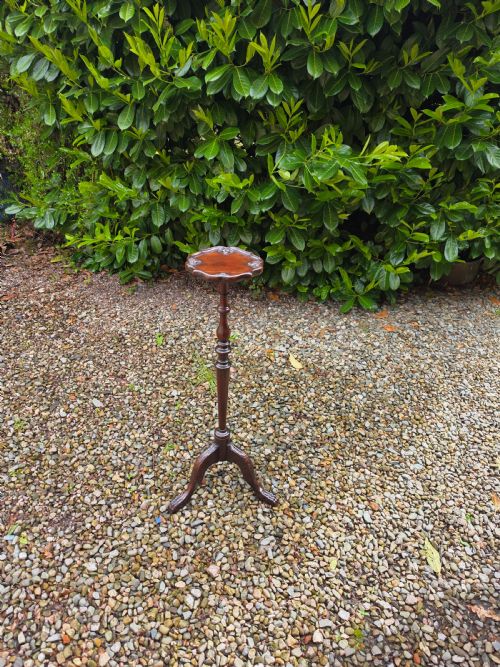
- A tall, slender stand designed to hold a candelabrum or light source. These pieces typically feature a small circular top supported by a single column and three legs.
- Kettle stand
- A small occasional table designed to hold a tea kettle above the floor or beside a larger table. They frequently feature piecrust or raised edges to secure the vessel.
- Jardiniere
- A decorative pot or stand intended to hold a live plant or floral arrangement. In these listings, they often incorporate metal liners or waterproof wells.
- Athenienne
- A neoclassical tripod stand supporting a basin or urn, styled after ancient Greek archaeological finds. They often combine bronze or brass framework with classical decorative motifs.
- Tripod base
- A three-legged support system providing stability on uneven floors. This configuration appears across plant stands, torcheres, and wig stands in the collection.
Tripod Urn Stand: Frequently Asked Questions
What is a tripod urn stand?
A tripod urn stand is a raised, three-legged piece of furniture designed to display an urn, plant, or decorative object. These stands lift items off the ground to draw the eye and highlight specific interior ornaments.
They appear in various heights and top configurations, ranging from small tea kettle supports to tall torcheres for lighting and botanical displays.
How were these stands used historically?
Historically, these stands served practical and decorative functions in formal reception rooms and parlours. Some held heated water vessels for tea service, while others supported floral arrangements or illuminated dark corners with candles.
Over time, their roles shifted towards pure display, accommodating imported porcelain, bronze sculptures, and potted indoor plants.
How do I style a tripod urn stand at home?
Position a tripod urn stand in an empty corner, beside a seating group, or near a window where natural light enhances the surface. Ensure the scale of the object placed on top matches the diameter of the platform.
Keep surrounding furniture uncluttered so the slender silhouette of the three legs and central column remains fully visible.
How do I tell Georgian stands from Victorian ones?
Georgian stands often exhibit restrained classical proportions, fine hand-carving on the knees, and rich mahogany patination. Victorian examples frequently embrace revivalism, featuring heavier ebonised finishes, Gothic trefoil motifs, or more elaborate turnings.
Examining the construction methods underneath the top and the specific style of the feet helps clarify the period of manufacture.