
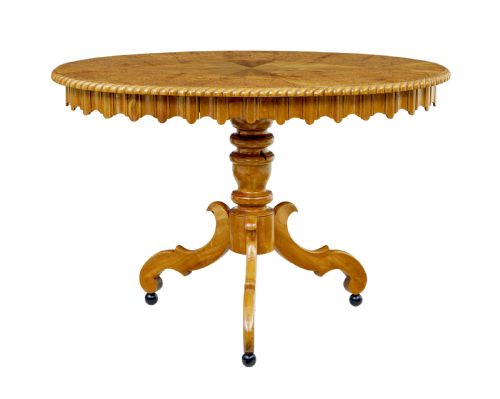
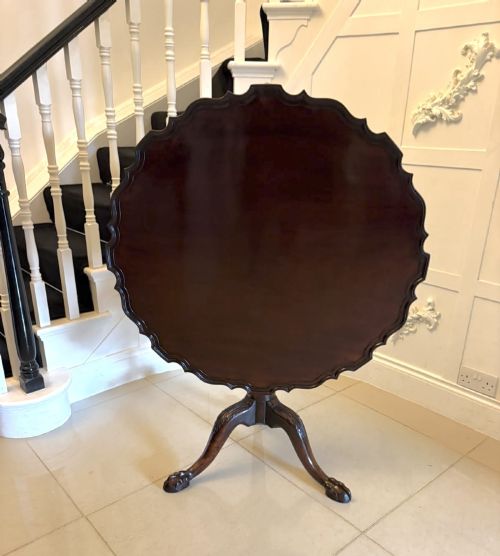
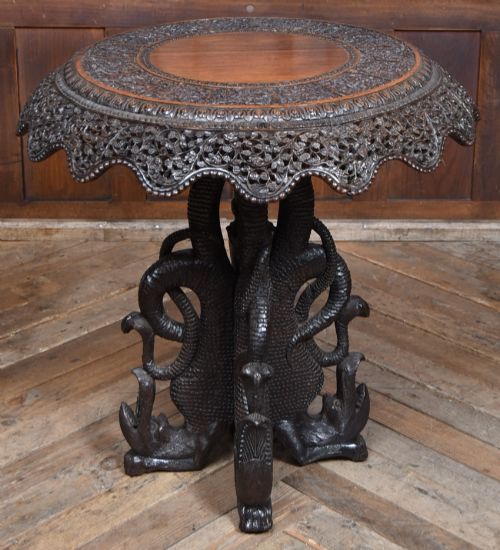

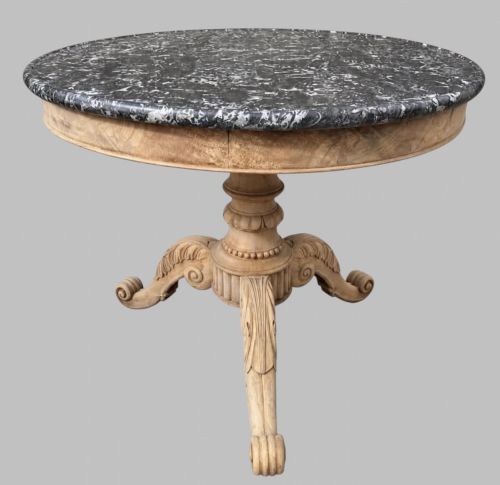
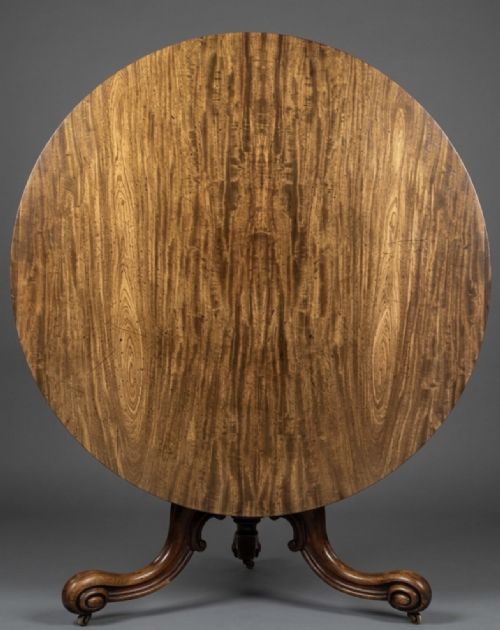

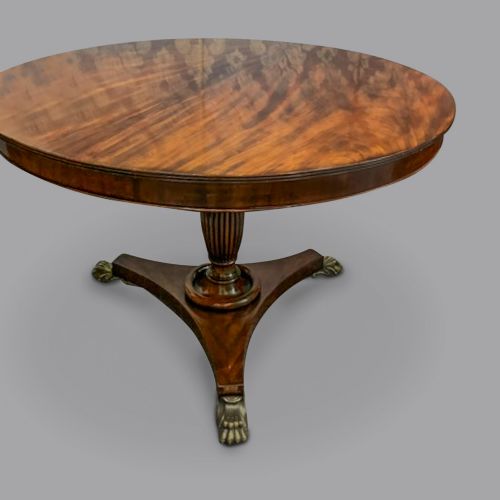
Tripod Pedestal Centre Table
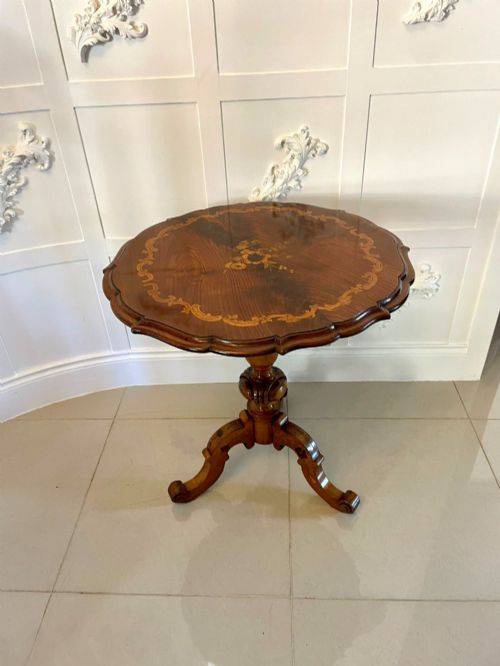
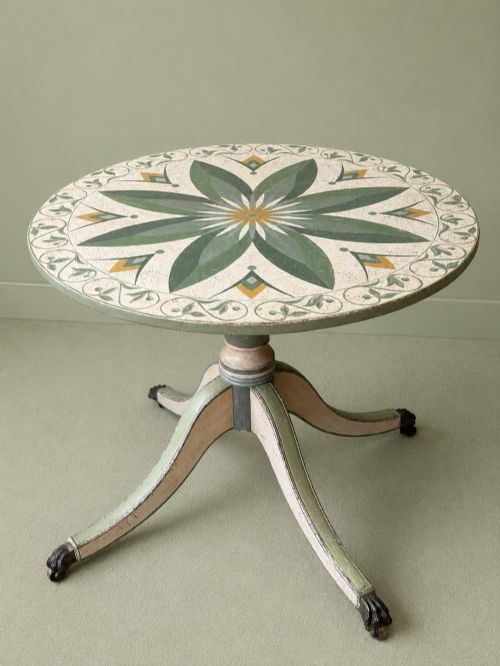
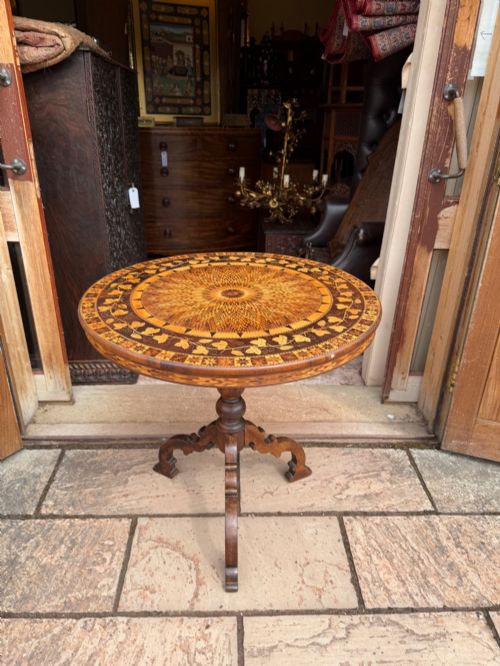
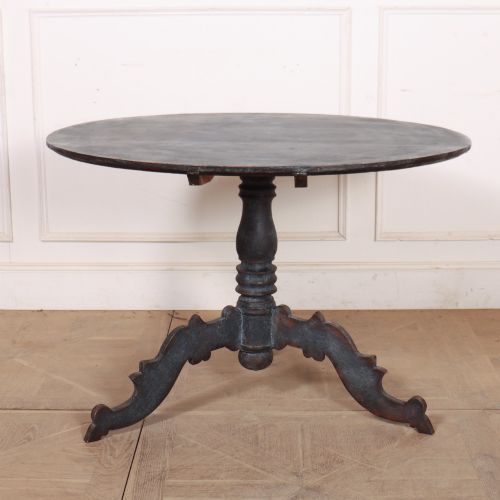
A tripod pedestal centre table balances a circular or oval top on a central column supported by three legs, offering versatile placement in any room.
Tripod Pedestal Centre Table
When you search for a tripod pedestal centre table, you encounter freestanding pieces designed to sit in the middle of a room or serve as lamp and occasional tables. These tables anchor a space while remaining light enough to move.
The pieces on this page span the Georgian and Victorian periods, with many examples originating from the nineteenth century. You will find forms ranging from tilt-top dining tables to compact occasional and gueridon tables.
Regional variations appear frequently, including French, Swedish, and Anglo-Indian designs alongside traditional British styles. This variety reflects how diverse cultures adopted the pedestal format for domestic use.
How they were made
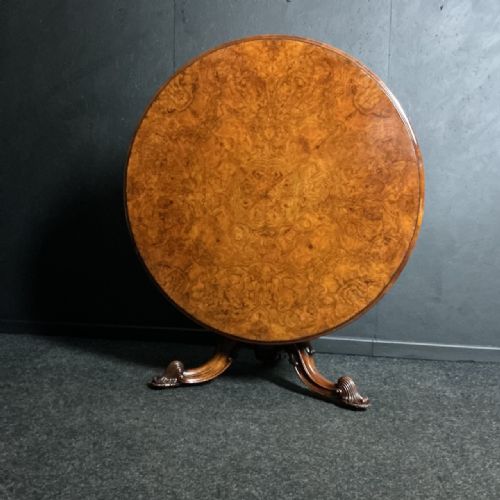
Cabinet makers utilised dense hardwoods such as mahogany, walnut, and rosewood for structural stability and rich grain patterns. Burr birch, amboyna, and padouk also feature in finer examples for decorative surfaces.
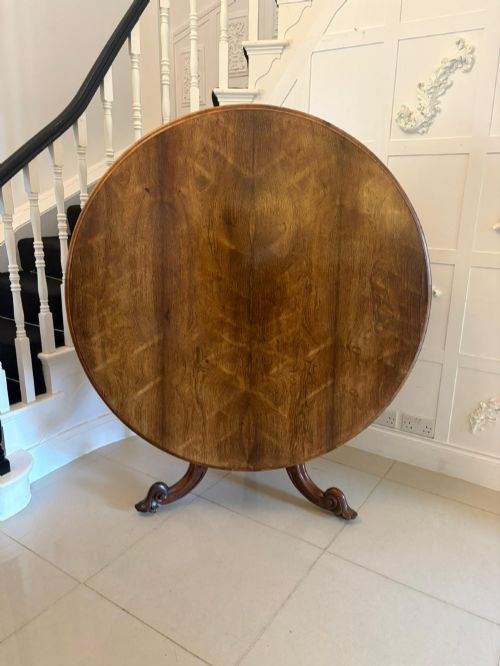
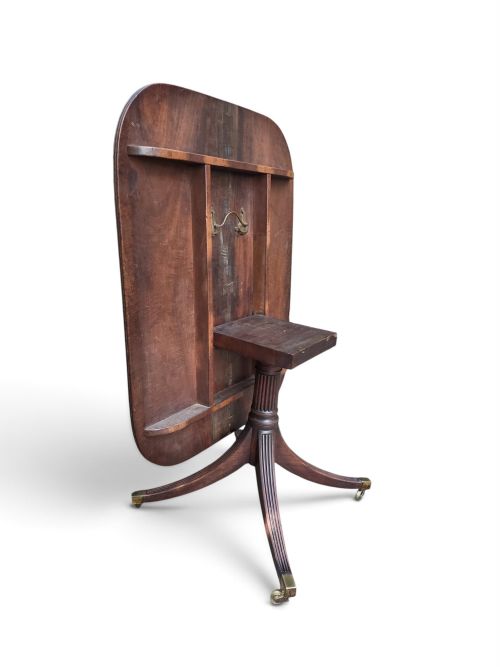
Turned pedestals connect to three splayed legs, often carved with scroll or claw motifs to distribute weight evenly. Many tops utilise tilt mechanisms, allowing the table to stow flat against a wall when not in use.
Listings feature mahogany, walnut, and rosewood alongside exotic materials like padouk and amboyna.
What varies in quality
The refinement of the timber selection dictates the visual appeal of the top, with figured veneers and marquetry inlay marking superior examples. Plain secondary woods indicate simpler utility pieces.
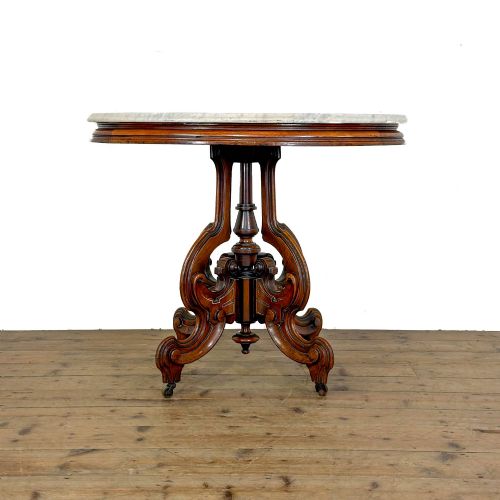
Carving on the knees, pedestal shaft, and feet demonstrates the maker's skill. Crisp, deep relief work separates exceptional workshop production from routine manufacture.
The Tripod Pedestal Centre Table Glossary
- Tilt top
- A tabletop mounted on a catch mechanism that pivots vertically for storage. This clever feature allowed large dining tables to be cleared away against room walls.
- Gueridon
- A small French occasional table supported by a central column or figures. These decorative stands often feature inset marble tops and fine mahogany framing.
- Marquetry
- Decorative veneer patterns formed by fitting together small pieces of coloured wood, shell, or ivory. Craftsmen used this technique to create elaborate floral and geometric table surfaces.
- Piecrust
- A carved raised edge shaped with alternating curves and scrolls resembling pastry work. This detail typically appears on the perimeter of tilt-top tables from the eighteenth century.
- Snap-top
- An alternative term for a tilt-top table utilising a spring-loaded brass catch to secure the surface horizontally. It prevents the top from tipping accidentally during use.
Tripod Pedestal Centre Table: Frequently Asked Questions
Where should I place a centre table?
These tables work best positioned in the middle of a reception room, a large hallway, or beneath a central ceiling rose. Because they lack fixed corners, they allow easy circulation around the perimeter.
Alternatively, smaller examples function effectively beside a sofa or in an empty corner as a lamp table. Their finished appearance from all angles ensures they look correct viewed from any direction in a room.
What is the difference between George III and Victorian tables?
George III tables, dating from the late eighteenth and early nineteenth centuries, generally display restrained classical proportions and understated mahogany grain. Their carving tends to be crisp and architectural.
Victorian examples from the mid-to-late nineteenth century often incorporate heavier proportions, darker rosewood or walnut timbers, and elaborate marquetry inlay or profuse carving. They reflect a period of industrial confidence and diverse stylistic revival.
Can I use a centre table for dining?
Circular tilt-top tables from the Georgian and Victorian eras were frequently designed for dining or taking tea. Their central pedestal leaves ample legroom for seated guests.
Verify the height and diameter of the specific piece to ensure comfortable seating clearance with standard dining chairs. Protect antique polished surfaces with appropriate linens or mats during meals.
How do I care for polished wood surfaces?
Maintain the timber by dusting regularly with a soft, dry cloth and applying traditional beeswax periodically to nourish the polish. Avoid modern silicone sprays that build up and attract dust.
Keep these tables away from direct sunlight and heat sources such as radiators to prevent the wood from drying, warping, or cracking. Use coasters to protect finishes from moisture rings.