



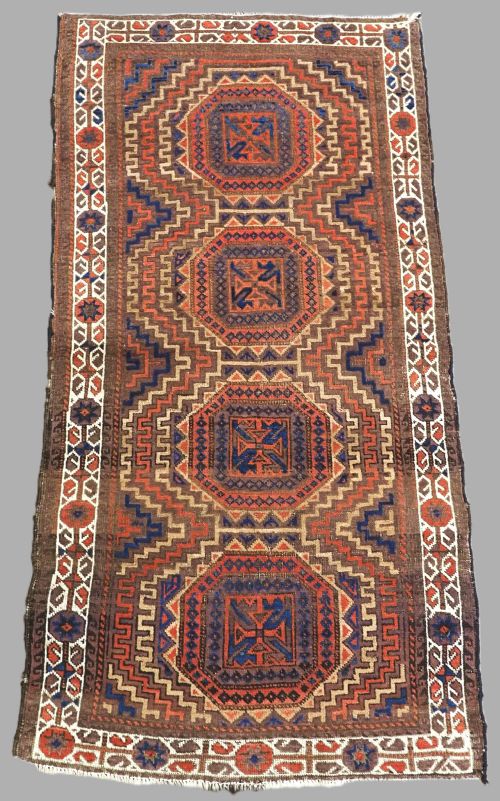
Tribal Wool Floor Carpet
When you search for a tribal wool floor carpet, you are looking at hand-knotted village and nomadic floor coverings built to last.
Tribal Wool Floor Carpet
A tribal wool floor carpet brings centuries of nomadic and village weaving traditions directly into domestic spaces. When you search for this phrase, you encounter regional carpets originating from Persian, Caucasian, and Turkmen workshops and nomadic groups.
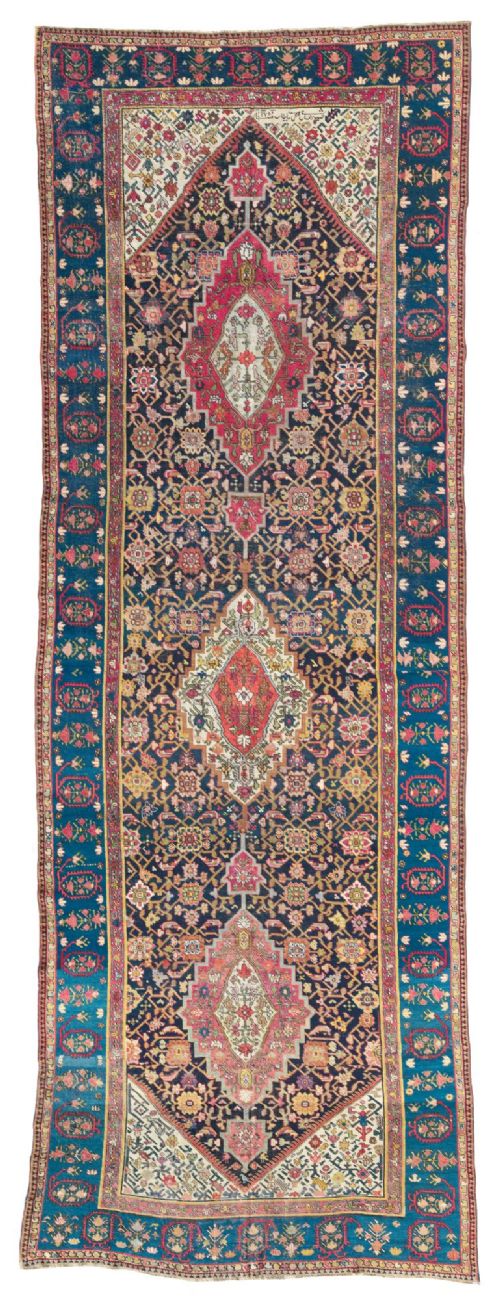
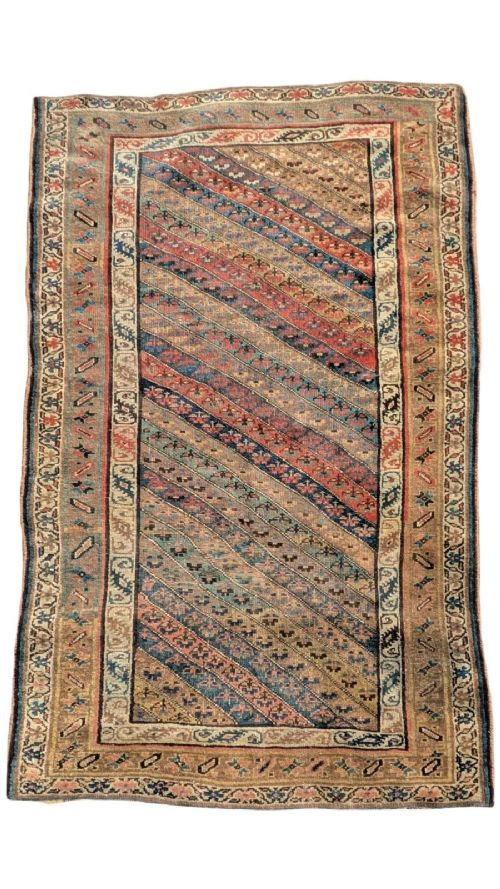
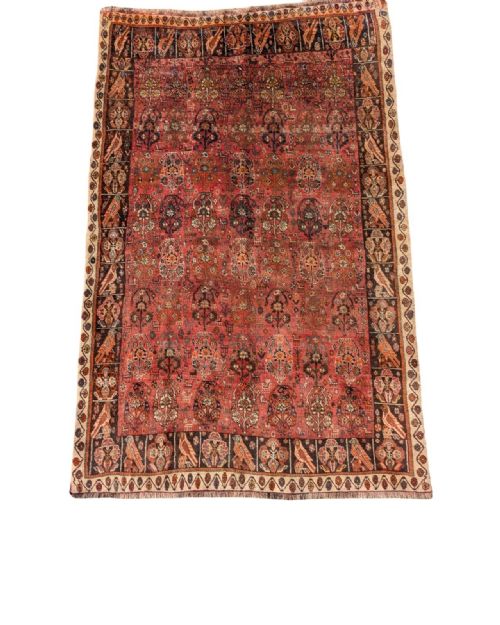
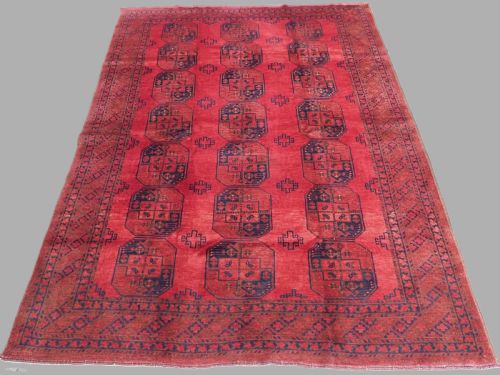
The selections available here span from the mid-nineteenth century through to the mid-twentieth century. Common formats include scatter rugs, hallway runners, and larger village carpets bearing distinct tribal motifs and geometric field patterns.
Materials and construction
These pieces are constructed primarily using hand-spun wool for the pile and foundation yarns, often supported by cotton warps and wefts in specific regional traditions. Natural dyes provide the underlying palette, yielding rich hues that age gracefully over decades.
Weavers knotted the wool by hand onto vertical or horizontal looms, applying tight knot densities that gave these floor coverings durability. The resulting structure handles heavy foot traffic while maintaining flexibility and warmth underfoot.
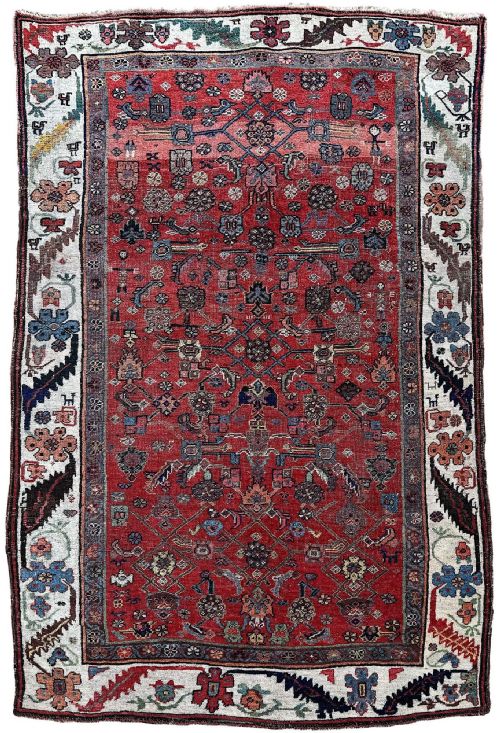
Some Baluch rugs include small pictorial elements like wandering animals, inserted by weavers who clearly enjoyed surprising those reading the floor.
Evaluating quality and character
Quality in these carpets rests upon the fineness of the knotting, the stability of the foundation, and the complexity of the design layout. Finer wool selection and tighter packing of the weft rows separate dense, durable village pieces from simpler utility weaves.
The depth and variation of natural dye lots also define the upper tier of these textiles. Subtle shifts in colour within a single field indicate artisanal dyeing methods that add visual movement compared to uniform modern chemical dyes.
The Tribal Wool Floor Carpet Glossary
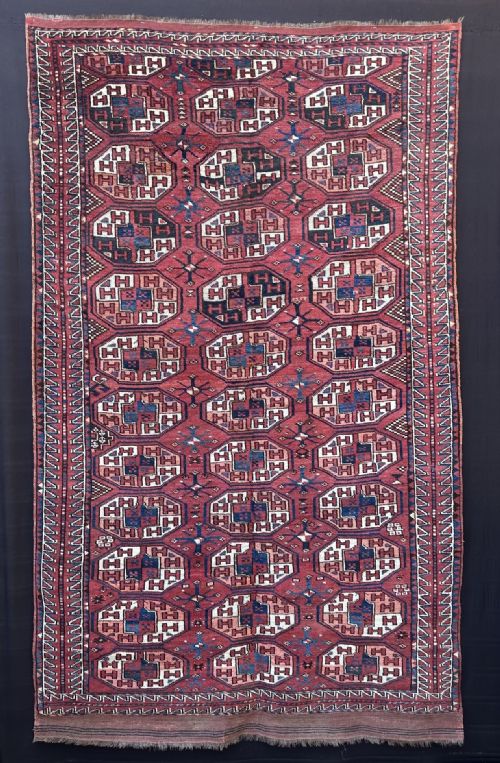
- Gul
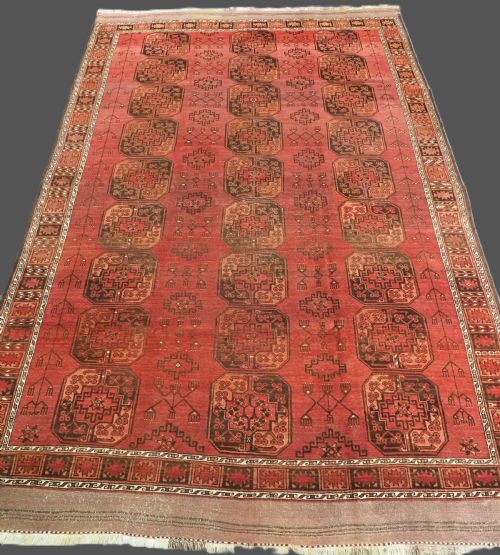
- A repeating octagonal medallion motif frequently found in Turkmen and Baluch tribal carpets. It often denotes specific tribal lineages and family groups.
- Kelleh
- A large format rectangular carpet traditionally used in Middle Eastern interiors as a room-length floor covering. These formats provide substantial room presence.
- Warp
- The vertical foundation threads stretched tightly on the loom before knotting begins. The fringe of a carpet typically consists of these extended warp threads.
- Weft
- The horizontal threads passed back and forth through the warp threads after each row of knots is completed. This locks the pile firmly into position.
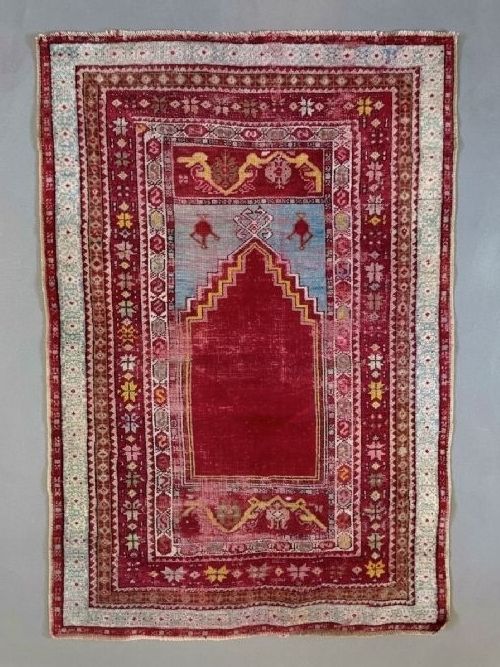
- Prayer rug
- A small format rug featuring a mihrab or arch design indicating the direction of prayer. They were historically utilised for personal devotion.
Tribal Wool Floor Carpet: Frequently Asked Questions
How do I clean an old wool rug?
Regular gentle vacuuming without a rotating power brush removes loose dirt from the wool pile safely. Professional specialist cleaning remains necessary for deep washing to protect natural dyes and fibres.
Avoid soaking antique textiles at home or using harsh chemical detergents. Addressing spills immediately with dry blotting prevents moisture from penetrating the foundation structure.
Are these carpets suitable for hallways?
Long runner formats and narrow village rugs fit naturally into hallways and corridors. Their durable wool construction handles everyday foot traffic effectively.
Using a quality underlay beneath the carpet prevents slipping on hard floors. This simple addition also reduces friction and wear between the floorboards and the wool foundation.
How do I identify tribal designs?
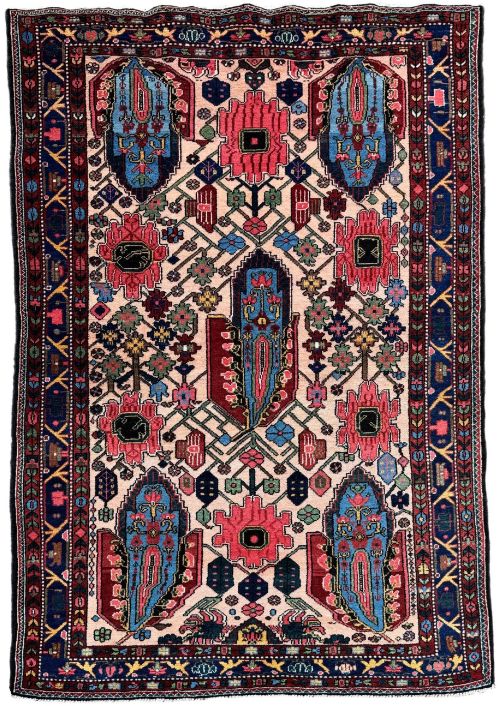
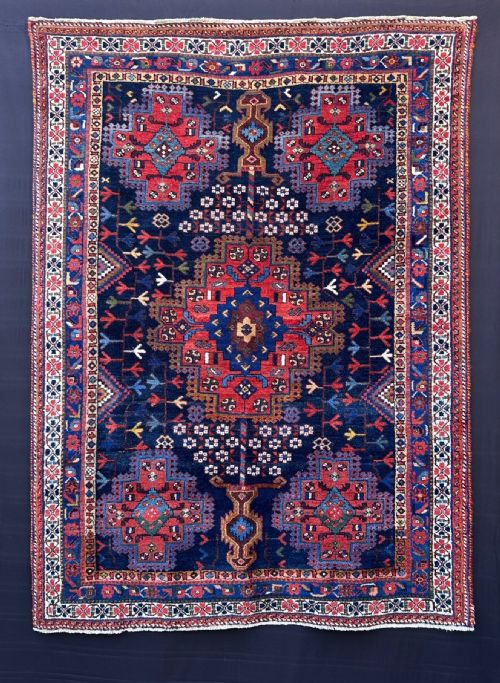
Tribal designs typically rely on geometric motifs, stepped medallions, and stylized animals rather than formal court curves. Specific patterns often link directly to the weaving traditions of groups such as the Qashqai, Afshar, or Bakhtiar.
Examining the border arrangements and secondary filler ornaments helps narrow down the regional origin. Colour combinations also provide strong clues regarding the specific tribe or village district.
Do natural dyes fade over time?
Natural dyes mellow softly with age, developing a rich patina rather than losing their fundamental character. Sunlight exposure can accelerate this softening process across exposed areas.
Rotating the rug periodically ensures even exposure to ambient light within a room. This practice keeps the overall coloration balanced across the entire field.