


Traditional Red Area Carpet
A traditional red area carpet anchors a room with deep madder tones and centuries of woven regional narrative.
Traditional Red Area Carpet
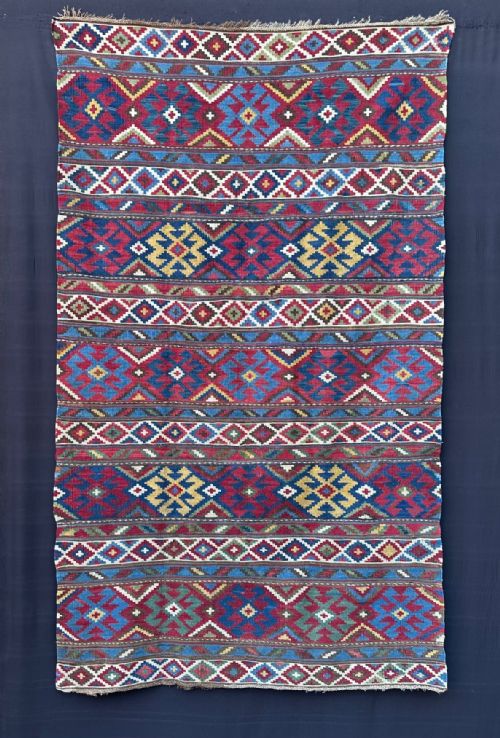
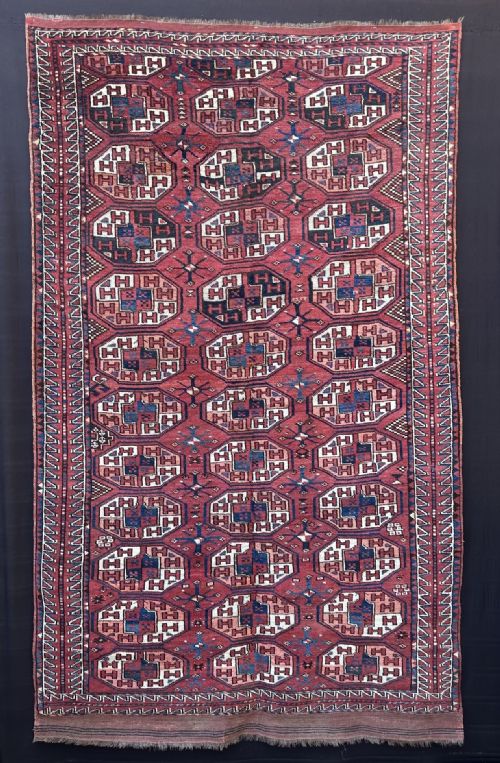
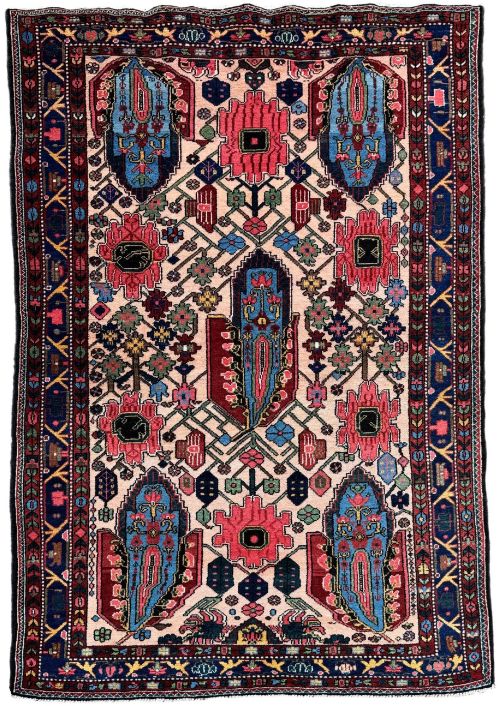
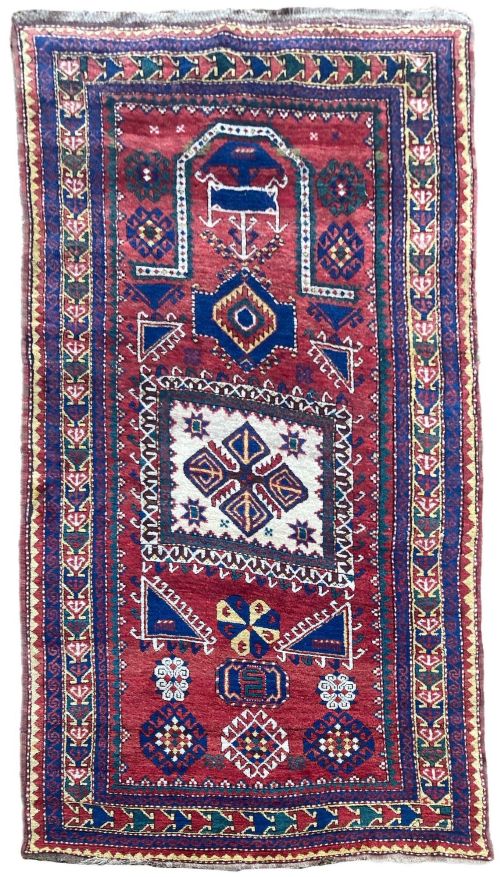
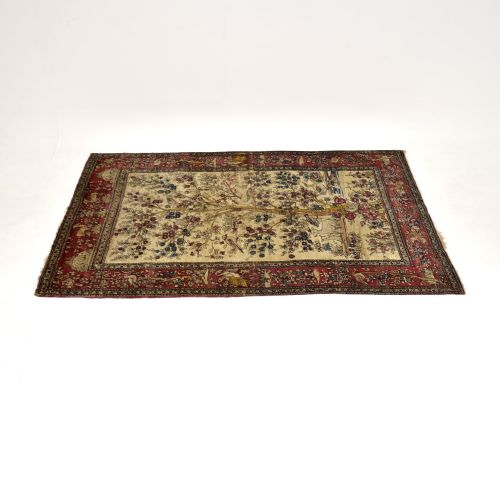
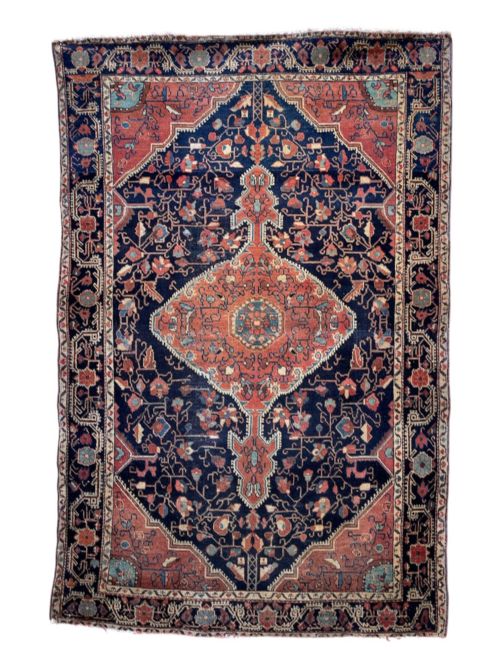
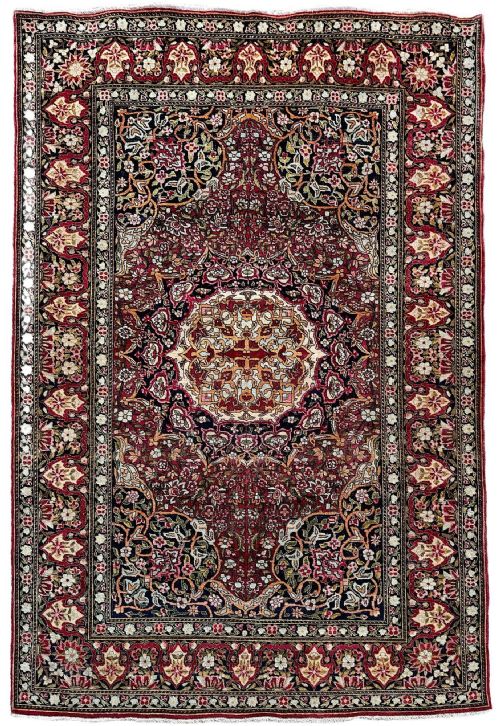
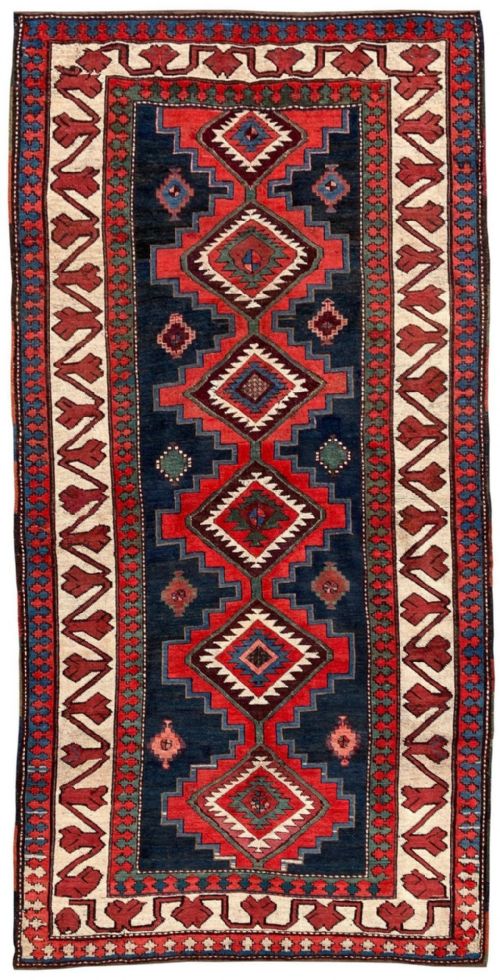
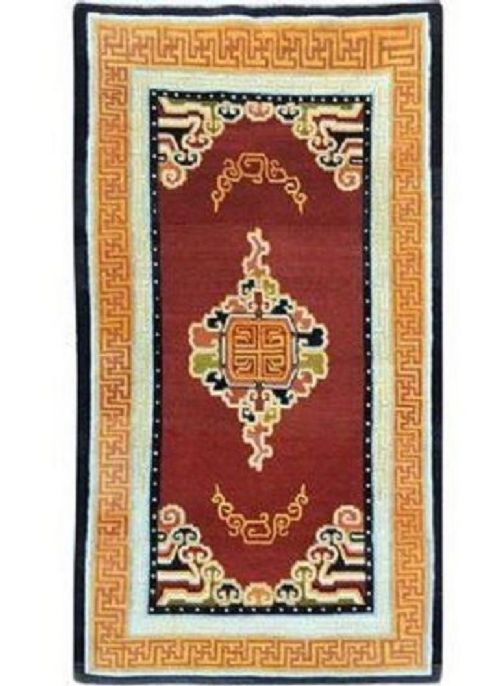
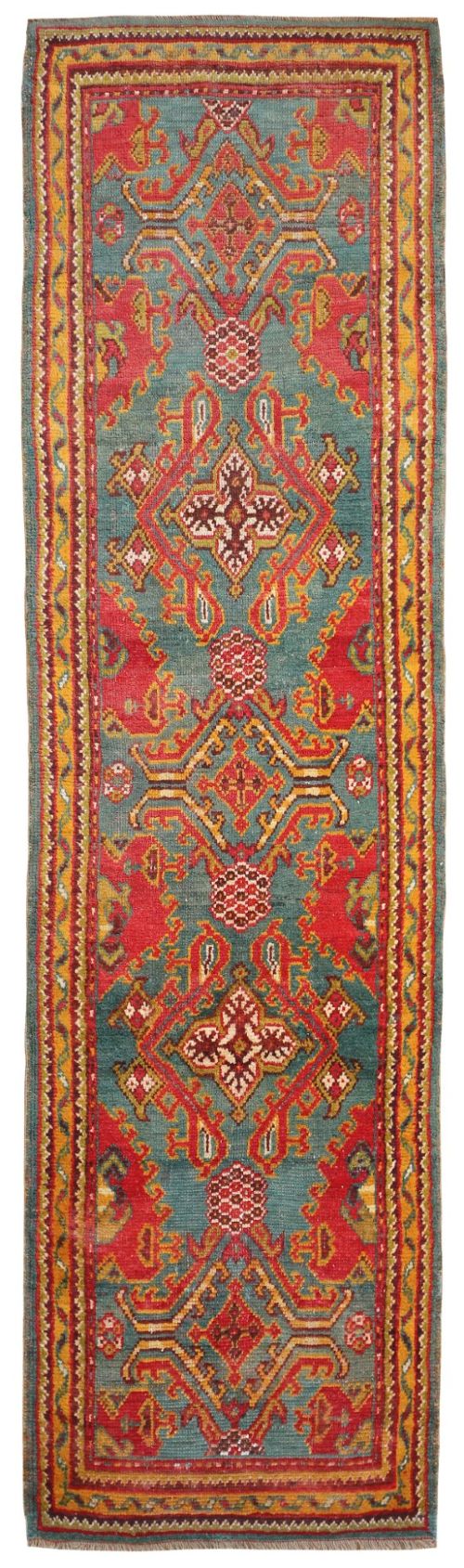
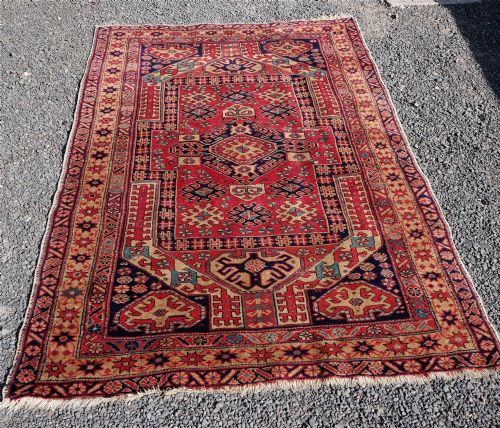
A traditional red area carpet encompasses floor coverings originating from Persia, the Caucasus, Turkmenistan, Anatolia, and Tibet, spanning the nineteenth and early twentieth centuries. These textiles include large format carpets, runner rugs, and specific prayer formats featuring double mihrab designs.
The version most commonly met on this page is the room-sized Persian or Caucasian carpet, alongside smaller village and tribal rugs woven in wool. Pieces range from the early nineteenth century up to the vintage period of the 1930s.
Makers include distinct regional groups and tribes such as the Kizyl Ayak, Ersari, Yomut, Shirvan, and Baluch. Their output reflects specific village traditions and regional palettes dominated by warm red hues and rust backgrounds.
How they were made
These textiles rely on hand-spun wool and cotton foundations, occasionally incorporating silk highlights for specific design details. Natural dyes provide the underlying palette, yielding the deep reds and warm tones characteristic of the period.
Weavers constructed these carpets by hand knotting wool onto cotton or wool warps and wefts, creating dense flatweaves or pile rugs such as kilims and heavy carpets. Regional workshops and nomadic groups utilised traditional upright looms to execute intricate geometric and floral layouts.
Listings span periods from the early nineteenth century through 1930, utilising wool, cotton, silk, and natural dyes.
What varies in quality
The degree of knot density and the precision of the hand-weaving dictate the structural integrity of each carpet. Finer village and town pieces exhibit tighter foundations and crisper execution of complex motifs compared to looser tribal examples.
The depth and variation of natural dyes influence the visual longevity of the piece, with complex abrash and rich madder tones separating superior examples from simpler dyed textiles. The choice of materials, from basic hand-spun wool to the inclusion of fine silk highlights, further differentiates the grade of the rug.
The Traditional Red Area Carpet Glossary
- Kilim
- A flatwoven carpet or rug produced without a pile. These pieces rely on tightly packed horizontal wefts concealing the vertical warps.
- Abrash
- The natural tonal variation in colour caused by batches of hand-dyed wool changing slightly from one dye lot to the next. It appears as subtle horizontal bands of shifting hue.
- Main carpet
- A large-format floor covering traditionally produced by Turkmen and other tribal groups for domestic use or dowry. These pieces display extensive repetitive guls across a field of warm red.
Traditional Red Area Carpet: Frequently Asked Questions
How do I clean an antique carpet?
Professional dusting and gentle surface washing preserve the natural dyes and wool fibres of older carpets. Household cleaning chemicals and excessive water damage the traditional foundation.
Regular light vacuuming without a beating brush removes abrasive dirt from the pile. Specialist textile conservators handle deeper cleaning requirements.
Where were these carpets woven?
Production centres span Persia, the Caucasus, Turkmenistan, Anatolia, and Tibet. Village workshops and nomadic tribes created distinct regional styles.
Specific areas include Shirvan, Kazak, Isfahan, Bidjar, and Ushak. Each location developed recognisable motifs and structural characteristics.
How do I date an old rug?
Structural analysis of the foundation materials, knot types, and dye composition helps establish the approximate period. The transition from natural to early synthetic dyes often points toward the late nineteenth century.
Stylistic markers and regional weaving traditions align with specific decades recorded in the evidence from 1870 to the 1930s. Comparative study of known tribal pieces refines the timeline.
Can I use these rugs in high traffic areas?
Thick hand-spun wool pile provides natural durability for everyday use on living room and hallway floors. Proper underlays reduce friction and prevent slipping beneath heavy furniture.
Delicate structures, such as silk highlights or low-pile prayer rugs, benefit from placement in lower traffic zones. Regular rotation ensures even wear across the carpet surface.