




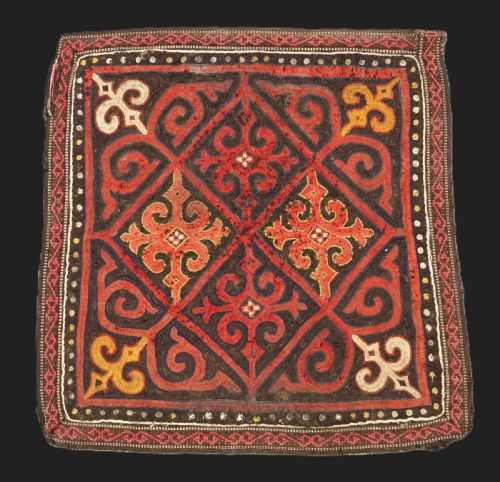
Tribal Wall Tapestry
These tribal wall tapestry pieces bring rich Central Asian and Persian textiles into modern interiors, offering authentic nomadic craftsmanship for collectors.
Tribal Wall Tapestry
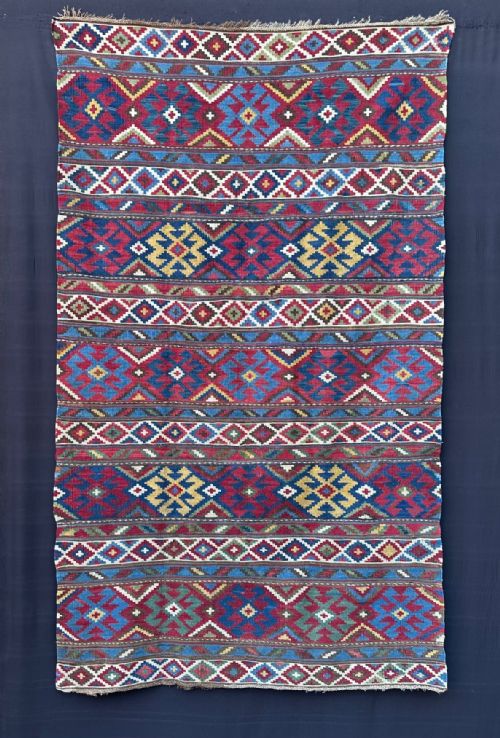
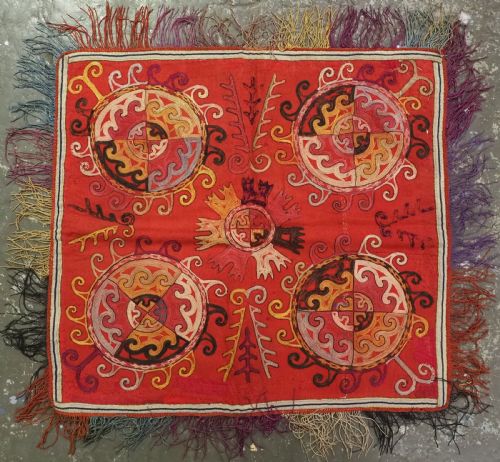
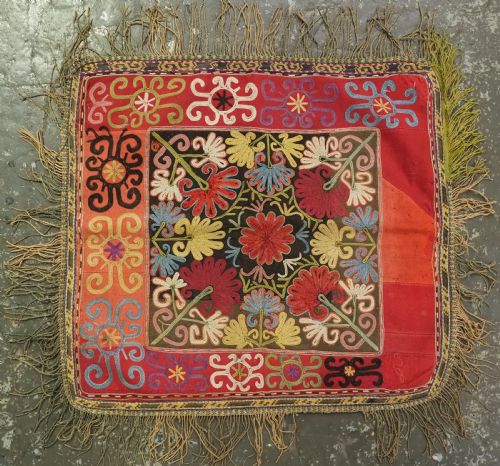
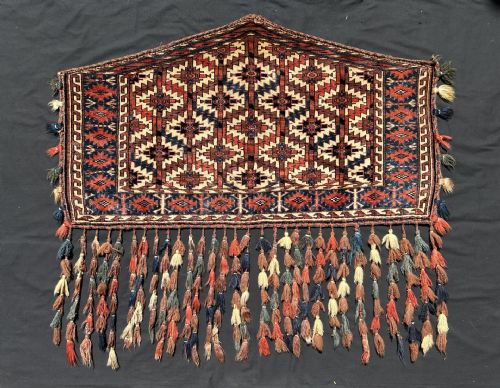
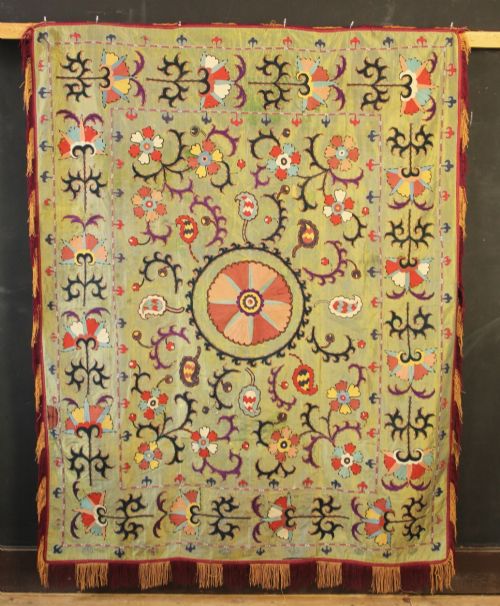
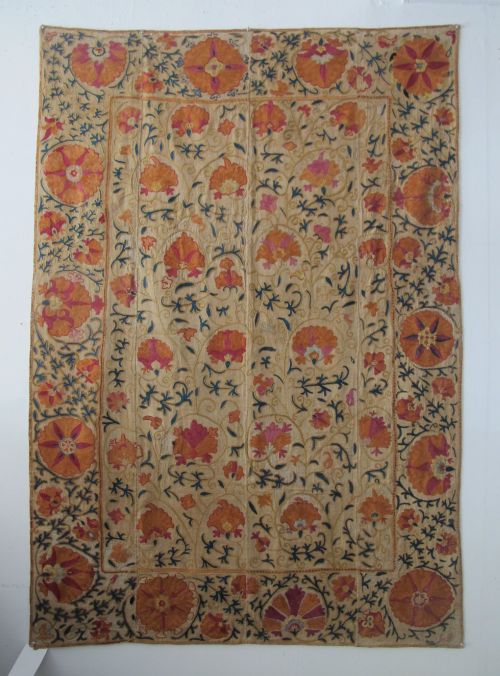
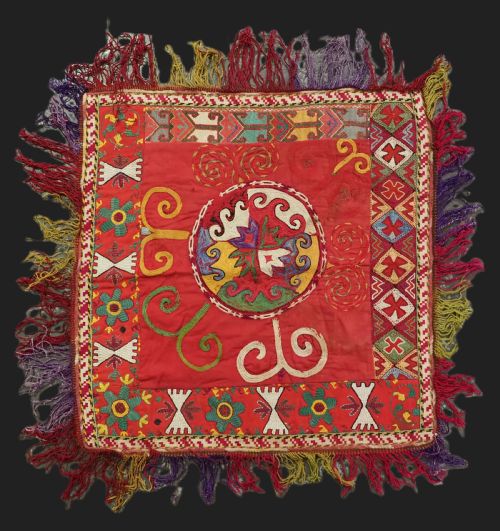
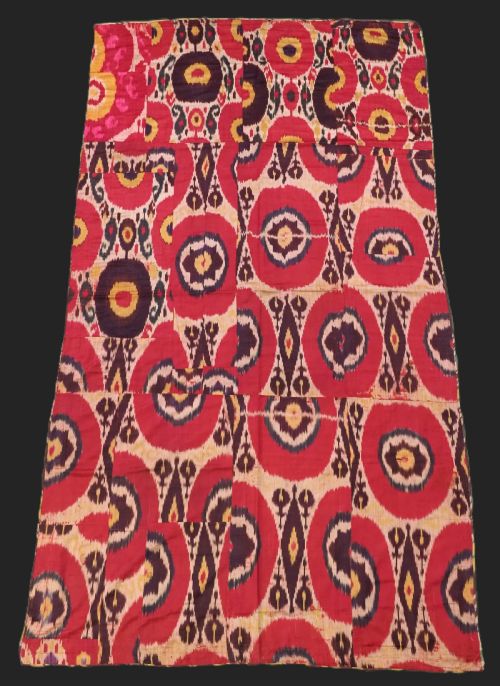
When searching for a tribal wall tapestry, buyers encounter nomadic textiles ranging from nineteenth-century Uzbek dowry embroideries to Caucasian kelims and Turkmen tent bands.
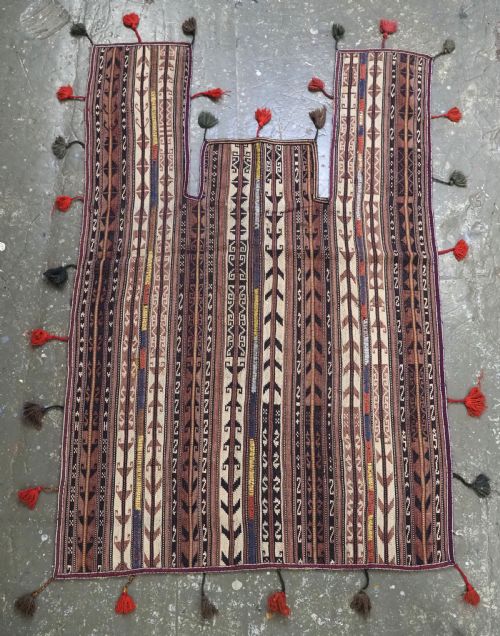
The selections on this page primarily consist of Suzani embroideries, horse covers, saddlebags, and flatweave panels originating from Central Asian and Persian tribal groups.
Pieces span from the early nineteenth century through the early twentieth century, reflecting traditional nomadic and village lifestyles across regions like Uzbekistan, Turkmenistan, and the Caucasus.
Materials and Techniques
Artisans utilised hand-spun wool, cotton, and silk foundations decorated with natural dyes to create dense surface patterns and durable structures.
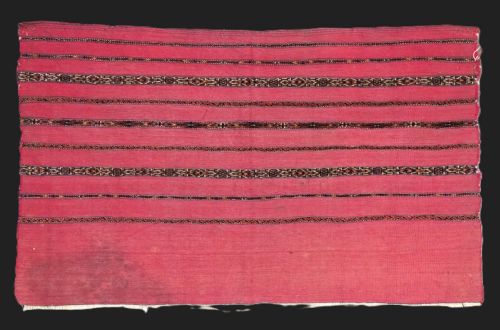
Needlework techniques include fine silk embroidery on cotton or wool grounds, alongside traditional flatweaving methods such as sumac and kelim techniques.
Nomadic makers incorporated felted wool and leather reinforcements to withstand utilitarian demands before these items transitioned into decorative wall hangings.
Tribal Wall Tapestry Retail Price Guide 2026
Typical asking prices for tribal wall tapestry among the pieces listed under this phrase on Sellingantiques today, from the lower quarter to the upper quarter. They describe what is for sale here now, not the wider market.
Listings feature textiles spanning from 1800 to 1930, utilising wool, silk, cotton, felt, and natural dyes across diverse Central Asian and Persian tribal traditions.
Factors That Determine Quality
Execution density separates ordinary production from exceptional work, seen in the tightness of the embroidery stitches and the precision of the woven flatweaves.
The complexity and completeness of the design layout dictate overall merit, particularly in large-scale Palak suzanis or intricate tribal guls where spacing and symmetry matter.
The vibrancy and depth of the natural dye palette contribute significantly to a piece's visual impact and historical integrity.
The Tribal Wall Tapestry Glossary
- Suzani
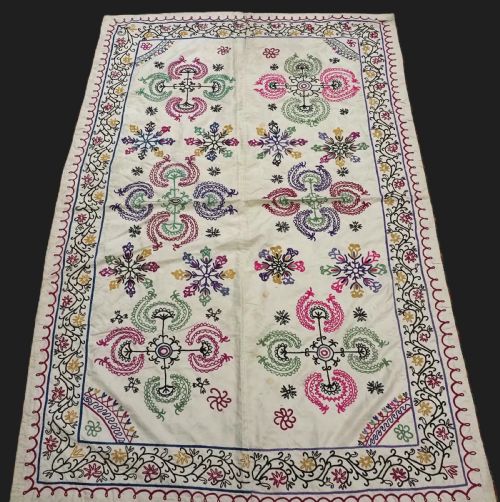
- An embroidered tribal textile originating from Tajikistan, Uzbekistan, and other Central Asian regions, typically worked in silk on a cotton or linen ground.
- Asmalyk
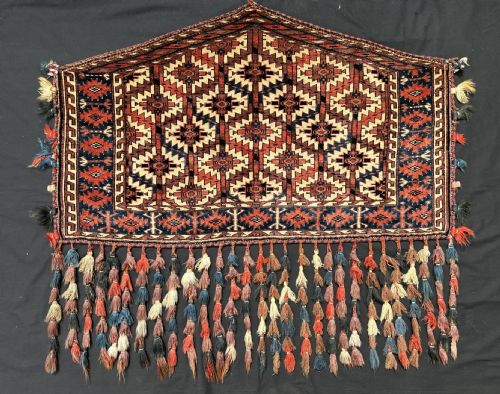
- A pentagonal trapping produced by Yomut and other Turkmen tribes, historically hung on the flanks of a bridal camel during wedding processions.
- Sofreh
- A woven or embroidered cloth used traditionally for spreading meals or handling bread in nomadic Persian and Afghan households.
- Chuval
- A large storage bag made by Turkmen tribes, featuring repeating gul motifs and designed for use inside nomadic tents.
- Gul
- A repeating medallion or floral-like motif used extensively in Turkmen and Central Asian rug and textile design to identify specific tribal groups.
- Kelim
- A flatwoven textile lacking a pile, produced by interlocking weft threads over warp threads to create geometric patterns.
Tribal Wall Tapestry: Frequently Asked Questions
How were tribal wall tapestry pieces used originally?
Many of these textiles served practical functions within nomadic and village daily life before becoming decorative objects. Items such as suzanis were created as dowry furnishings, while asmalyks and horse covers adorned animals during ceremonial processions.
Other examples functioned as storage bags, eating cloths, or yurt wall hangings to insulate and decorate portable dwellings.
How do I care for an antique textile?
Protect antique wool and silk textiles from direct sunlight to prevent natural dye fading and fibre degradation. Mount pieces carefully using non-damaging methods that distribute weight evenly across the entire fabric rather than suspending them from single points.
Keep textiles away from high humidity and consult professional conservators for specialised cleaning needs.
How can I tell different tribal designs apart?
Tribal attribution relies on specific structural motifs, colour palettes, and regional weaving traditions. Turkmen pieces often display repeating guls in deep red tones, whereas Uzbek suzanis feature large floral medallions and sprawling vine work.
Caucasian and Persian nomadic works tend to employ geometric layouts, stepped medallions, and distinct border arrangements.
Are these textiles fragile?
While nineteenth-century organic fibres show age-related wear, sturdy wool flatweaves and tightly stitched silk embroideries remain remarkably resilient. Proper mounting and minimal physical handling ensure these historic pieces endure safely on display.
Fragility depends largely on the condition of the foundation fabric and the weight of dense embroidery threads.