


Tribal Silk Suzani
When choosing a tribal silk suzani, you acquire a textile rooted in Central Asian nomadic and town traditions.
Tribal Silk Suzani
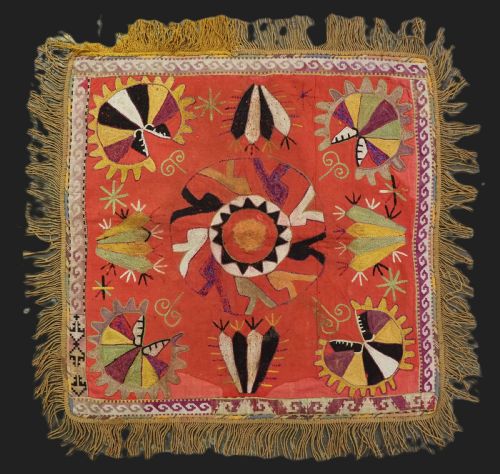
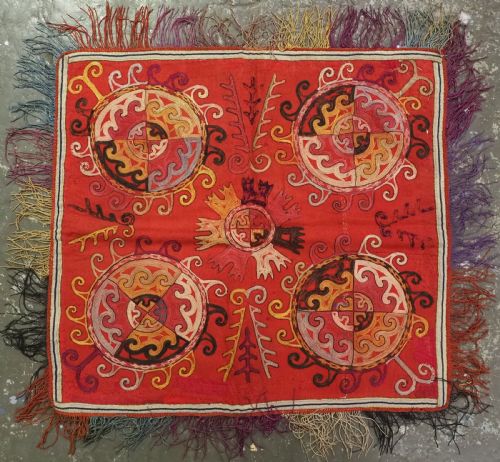
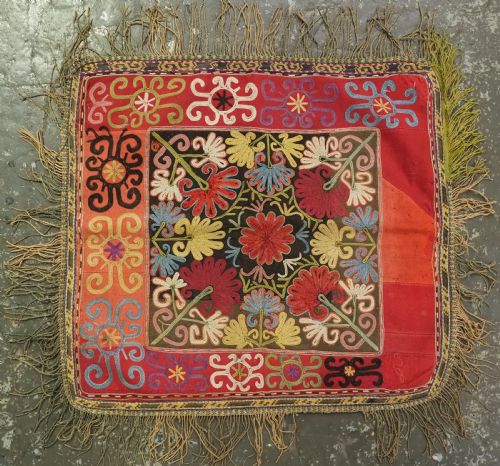
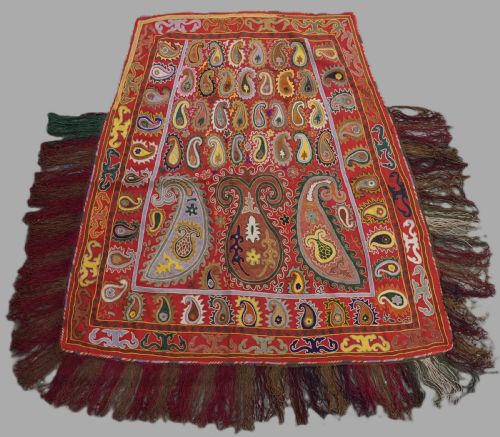
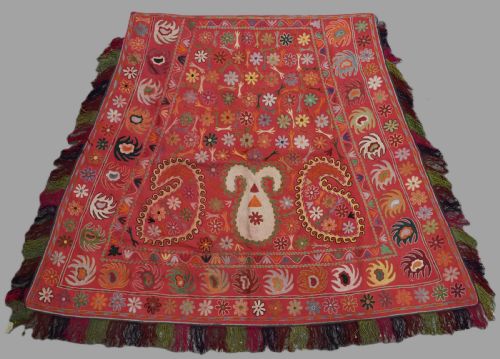
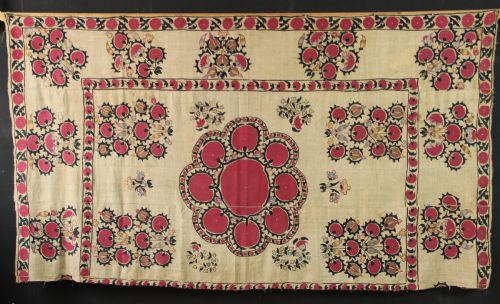
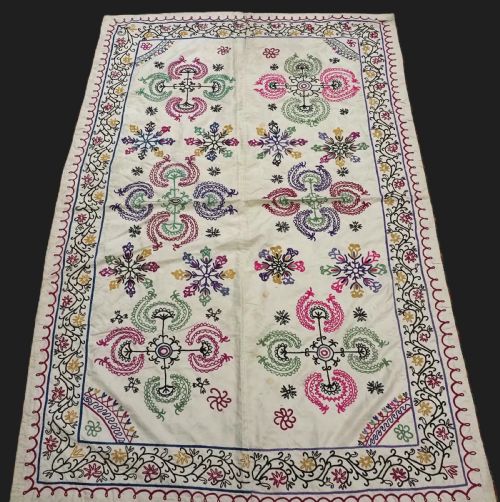
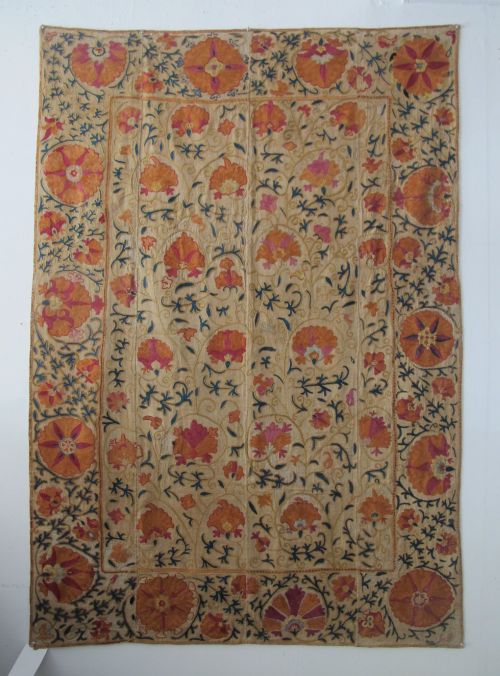
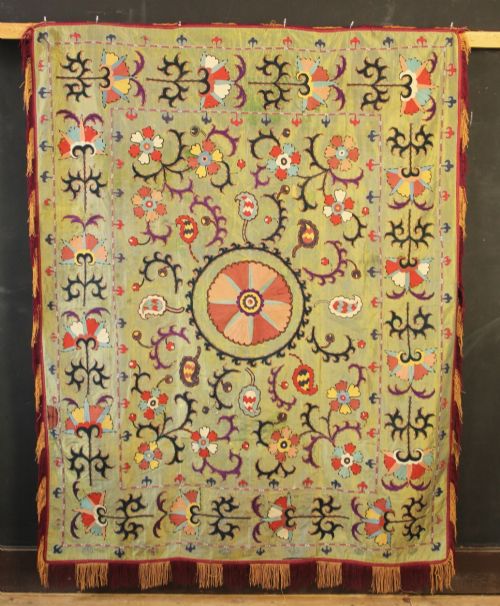
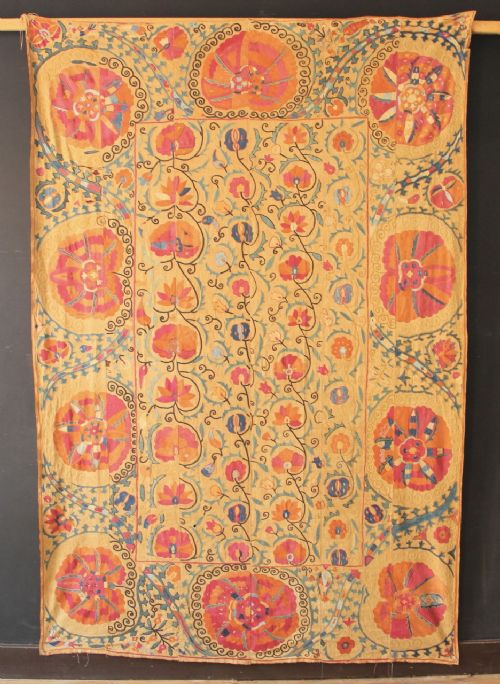
A tribal silk suzani represents traditional Central Asian needlework, encompassing wall hangings, dowry pieces, and ceremonial covers originating mainly from Uzbekistan.
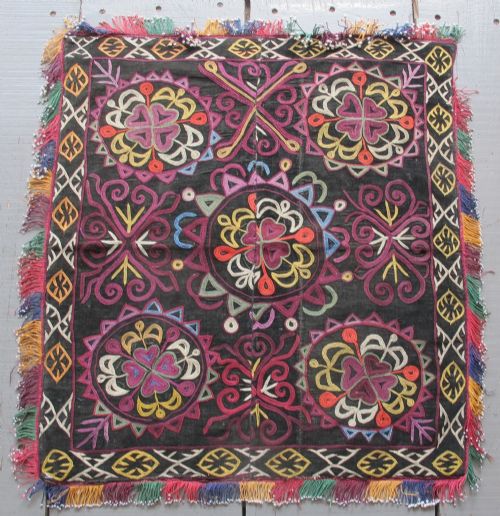
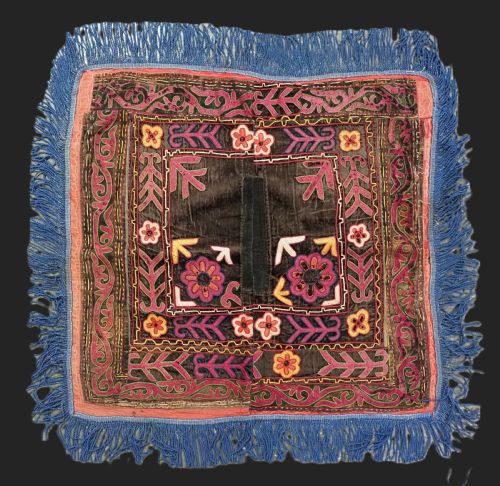
Buyers will frequently encounter specialised forms like Lakai ilgich embroideries, horse covers, mirror covers, and yurt wall hangings rather than standard large bed covers.
These textiles span from the early nineteenth century through to the early twentieth century, showing regional styles from centres such as Tashkent, Bukhara, and Shakrisabz.
Materials and Construction
Artisans worked rich silk thread by hand onto woven grounds of cotton, wool, or silk, sometimes incorporating velvet and glass beads.
Ground fabrics often feature red, black, or natural tones, upon which dense chain stitch and related embroidery techniques build complex geometric and floral motifs.
Current listings feature pieces spanning the nineteenth and early twentieth centuries, constructed from silk, cotton, and wool grounds.
Assessing Quality
Quality rests upon the density of the embroidery work and the complexity of the design, with full work panels displaying superior coverage over lighter patterns.
The vibrancy of the natural dye palette and the integrity of the ground fabric dictate the visual impact and preservation state of each textile.
The Tribal Silk Suzani Glossary
- Suzani
- A traditional embroidered textile from Central Asia, taking its name from the Persian word for needle.
- Ilgich
- A specific form of Central Asian hanging or dowry embroidery, frequently associated with Lakai tribal work.
- Palak
- A heavily embroidered suzani type featuring a dark ground completely covered in large circular medallion or star patterns.
- Nim Suzani
- A smaller or half-scale version of a standard suzani, typically used for regional wall decoration.
- Torba
- A traditional bag or trapping utilised within nomadic and village households for storage and decoration.
Tribal Silk Suzani: Frequently Asked Questions
What is a tribal silk suzani used for?
These embroidered textiles served multiple ceremonial and domestic functions within Central Asian households. They functioned as wall hangings, dowry items, bedding decorations, and saddle covers.
Today, collectors primarily display them as wall art or decorative wall hangings to bring texture and historic pattern into modern interiors.
How do I care for an antique textile?
Protect antique embroidery from direct sunlight to prevent silk threads and dyed grounds from fading over time. Gentle vacuuming through a mesh screen can remove dust safely.
Avoid hanging pieces in humid environments and consult a textile conservator if professional cleaning becomes necessary.
Where were these textiles made?
The pieces originate primarily from Uzbekistan and surrounding Central Asian regions. Specific towns and tribal groups, including Tashkent, Bukhara, Shakrisabz, and the Lakai, developed distinct aesthetic signatures.
Nomadic and sedentary communities alike contributed to the rich variety of regional designs seen in these works.
How can I tell the period?
Dating relies upon examining the type of ground fabric, the characteristics of the silk threads, and the specific design vocabulary. Earlier nineteenth-century examples often display looser compositions and distinct natural dyes.
Twentieth-century pieces tend to show tighter, more standardised execution and different colour balances.